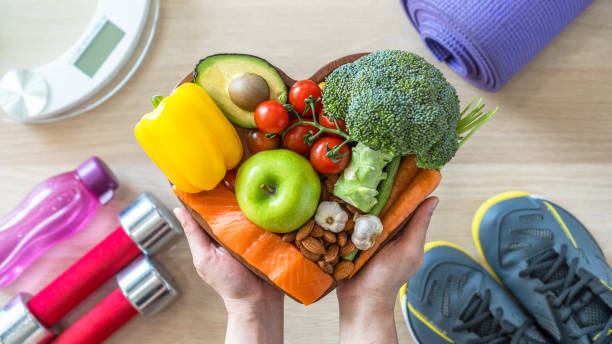
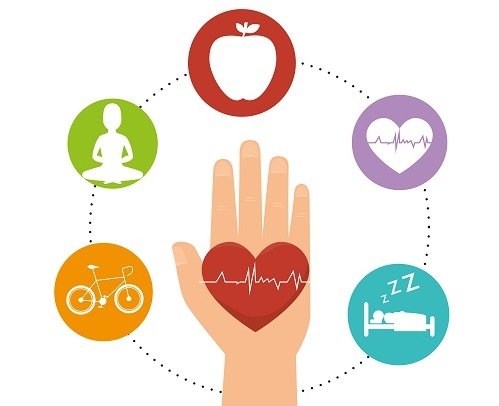
Fight Inflammation Naturally: A Guide to Anti-Inflammatory Eating
Welcome Back.
Updated at: 2025-02-20 03:58:14 (9 months ago by Melkisedeck Leon Shine)
```htmlInflammation: a natural bodily response, crucial for healing and fighting infection. Yet, chronic inflammation becomes a silent threat, linked to heart disease, diabetes, and even cancer. Understanding how to mitigate this silent inflammation through dietary choices is paramount for long-term well-being.
This comprehensive guide, developed by AckySHINE, a passionate advocate for healthy living, provides actionable steps to reduce inflammation through mindful eating. Let's explore the path to a healthier you.
The cornerstone of reducing inflammation lies in embracing nutrient-rich, anti-inflammatory foods. These foods are packed with antioxidants and omega-3 fatty acids, natural allies in the fight against chronic inflammation. Prioritize these powerhouse ingredients:
Just as crucial as adding beneficial foods is eliminating those that fuel inflammation. Processed foods, often laden with trans fats, refined sugars, and artificial additives, are major culprits. Make a conscious effort to:
A healthy gut plays a vital role in overall health and inflammation levels. Incorporate these key strategies:
Dietary changes are only part of the equation. A holistic approach encompassing lifestyle factors is crucial for effectively managing inflammation:
While these tips offer a valuable starting point, it's essential to consult a healthcare professional or registered dietitian for personalized advice, especially if you have pre-existing health conditions. They can provide tailored recommendations to meet your specific needs and goals.
Reducing inflammation is a journey, not a destination. By incorporating these dietary and lifestyle changes gradually, you can significantly improve your overall health and well-being. Small, consistent steps can lead to remarkable results. Let's work together to embrace a healthier lifestyle and conquer inflammation!
Share your experiences and thoughts on these tips in the comments below!
```
Updated at: 2023-08-05 22:31:25 (2 years ago by Melkisedeck Leon Shine)
Managing Sugar Intake for a Balanced Diet ππ₯
As AckySHINE, I advise everyone to pay close attention to their sugar intake in order to maintain a balanced diet. With the abundance of sugary treats and sugary beverages available, it can be easy to consume excess sugar without even realizing it. However, excessive sugar consumption can lead to various health problems such as obesity, diabetes, and heart disease. Therefore, it is important to manage our sugar intake wisely.
Here are 15 tips to help you manage your sugar intake for a balanced diet:
Read food labels carefully π: Look for hidden sugars in products by checking the ingredient list. Ingredients such as high fructose corn syrup, cane sugar, and dextrose indicate the presence of added sugars.
Choose whole fruits π: Instead of reaching for a sugary fruit juice or dessert, opt for whole fruits that contain natural sugars and important fibers.
Limit sugary beverages π₯€: Sodas, energy drinks, and sports drinks are loaded with sugar and empty calories. Choose water π¦, unsweetened tea, or infused water instead.
Be cautious of "low-fat" or "fat-free" products π«: These products often compensate for the lack of fat by adding extra sugar. Always check the labels to make sure you're not consuming excessive sugar.
Use alternatives to sugar π―: Try sweetening your coffee or tea with natural alternatives like stevia, honey, or maple syrup instead of refined sugar.
Be mindful of condiments and dressings π½οΈ: Many condiments and salad dressings sneakily contain high amounts of added sugar. Opt for homemade versions or choose options with no added sugar.
Choose whole grains πΎ: Whole grains like quinoa, brown rice, and whole wheat bread contain more fiber and nutrients compared to refined grains, reducing the need for excess sugar.
Balance your meals with protein and healthy fats π₯©: Including protein and healthy fats in your meals helps stabilize blood sugar levels and keeps you feeling satisfied, reducing cravings for sugary snacks.
Plan your meals and snacks ahead of time π: By planning your meals, you can make sure to include balanced options and avoid impulsive sugar cravings throughout the day.
Control portion sizes π: Enjoy your favorite sugary treats in moderation and limit portion sizes to prevent overconsumption.
Opt for homemade snacks π₯ͺ: Instead of store-bought snacks that are often high in sugar, make your own healthier alternatives like homemade granola bars or trail mixes.
Practice mindful eating π§ββοΈ: Pay attention to your body's hunger and fullness cues. Eating mindfully can help you identify if you're truly hungry or if you're reaching for a sugary snack out of boredom or stress.
Find healthier alternatives π: If you have a sweet tooth, look for healthier alternatives such as dark chocolate or fruit-based desserts. These options can satisfy your cravings without the excessive sugar content.
Educate yourself π: Stay informed about the effects of sugar on your health and the importance of managing your sugar intake. Understanding the risks can motivate you to make healthier choices.
Seek professional guidance π€: If you're struggling with managing your sugar intake or have specific dietary needs, it's always beneficial to consult with a registered dietitian or nutritionist who can provide personalized advice and support.
By following these tips, you can successfully manage your sugar intake and maintain a balanced diet. Remember, moderation is key, and making small changes over time can lead to significant improvements in your overall health and well-being. Stay mindful of your sugar consumption, and don't be afraid to ask for help if needed.
What are your thoughts on managing sugar intake? Do you have any additional tips to share? Let me know in the comments below!
Updated at: 2025-02-20 05:43:17 (9 months ago by Melkisedeck Leon Shine)
```htmlEmbark on a culinary journey to longevity and well-being with the Mediterranean Diet. This time-honored eating pattern, originating from the sun-drenched shores of the Mediterranean, offers a wealth of health benefits and is strongly linked to increased lifespan. Let's explore the remarkable advantages of this lifestyle approach.
A Foundation of Plant-Power: The cornerstone of the Mediterranean Diet is its abundance of plant-based foods. Fruits, vegetables, whole grains, legumes, nuts, and seeds form the rich tapestry of this diet, providing a potent cocktail of vitamins, minerals, and antioxidants crucial for overall health and vitality. These nutrient-dense foods fuel your body, protect your cells, and contribute to a robust immune system.
Heart-Healthy Fats: The Power of Olive Oil: Instead of relying on saturated fats often found in processed foods, the Mediterranean Diet prioritizes healthy fats, with olive oil taking center stage. Known for its remarkable heart-protective properties, olive oil helps lower LDL ("bad") cholesterol, reducing the risk of heart disease and promoting cardiovascular health. Incorporating olive oil into your cooking and dressings is a simple yet powerful step towards a healthier heart.
Lean Proteins and the Omega-3 Advantage: Fish, especially fatty fish like salmon and sardines, are integral to the Mediterranean Diet. These delicious sources are packed with omega-3 fatty acids, renowned for their anti-inflammatory properties and their positive impact on brain function, cognitive health, and overall well-being. Lean proteins, such as poultry and legumes, further contribute to a balanced and satiating dietary profile.
The Moderate Indulgence of Red Wine: The Mediterranean lifestyle acknowledges the moderate enjoyment of red wine. Research suggests that moderate consumption may offer cardiovascular benefits, attributed to the presence of polyphenols, potent antioxidants. However, moderation remains key; responsible enjoyment is essential.
A Culinary Adventure: Diverse and Delicious: Far from restrictive, the Mediterranean Diet is a celebration of flavors and culinary creativity. From vibrant Greek salads to comforting Italian pasta dishes, the possibilities are endless. This dietary approach allows for diverse and satisfying meal experiences, ensuring that healthy eating never feels monotonous.
Beyond the Plate: An Active Lifestyle: The Mediterranean lifestyle extends beyond the dining table, emphasizing regular physical activity. Integrating exercise into your daily routine synergistically enhances the benefits of the diet, contributing to weight management, improved mood, and increased energy levels. A brisk walk, a swim, or a simple yoga session can significantly impact your overall health.
Sunshine and Vitamin D: The Mediterranean region's abundant sunshine provides ample opportunities for Vitamin D synthesis, a crucial nutrient for bone health, immune function, and overall well-being. While sun exposure is important, it's vital to practice sun safety.
Minimizing Processed Foods: The Mediterranean Diet champions whole, unprocessed foods, minimizing the consumption of processed foods, often laden with unhealthy fats, added sugars, and refined grains. Choosing fresh, whole foods forms the bedrock of this healthy eating philosophy.
Hydration is Key: Water is the cornerstone beverage in the Mediterranean Diet. Staying properly hydrated is essential for optimal bodily functions, aiding digestion, energy levels, and overall well-being. Water is your bodyβs natural cleanser and energizer.
Occasional Treats: The Importance of Balance: While the Mediterranean Diet emphasizes whole, unprocessed foods, it also acknowledges the importance of occasional indulgences. A small piece of dark chocolate or a scoop of gelato, enjoyed mindfully, can enhance the overall enjoyment of this balanced approach to eating.
A Diet for All Ages and Stages: The Mediterranean Diet is appropriate for people of all ages, providing a balanced nutritional foundation for growth, development, and healthy aging. From children to seniors, this diet offers a sustainable and adaptable path to optimal health.
Scientifically Proven Benefits: The health benefits of the Mediterranean Diet are well-documented and extensively researched. Numerous studies demonstrate a reduced risk of chronic diseases such as heart disease, type 2 diabetes, and certain cancers among those who adhere to this dietary pattern.
A Cultural Legacy: More Than Just a Diet: The Mediterranean Diet is more than just a dietary guideline; it's a reflection of the region's rich cultural heritage, emphasizing communal meals and the enjoyment of food as a shared experience. Embracing this diet is embracing a way of life.
Simplicity and Accessibility: Unlike restrictive diets that demand complicated meal planning and calorie counting, the Mediterranean Diet is remarkably easy to follow. It centers around simple, readily available whole foods, making it a practical and sustainable choice for long-term health.
Your Journey Begins Now: Are you ready to embrace the Mediterranean Diet and its promise of vibrant health and longevity? Share your thoughts and experiences in the comments below. Let's connect and inspire each other on this journey to a healthier, happier life!
```
Updated at: 2025-02-23 18:46:10 (9 months ago by Melkisedeck Leon Shine)
```As a nutrition expert, I understand the importance of a balanced diet rich in vegetables. Beyond their deliciousness, vegetables are nutritional powerhouses, offering essential vitamins, minerals, and fiber crucial for optimal health and well-being. This article explores practical, enjoyable strategies to seamlessly integrate more vegetables into your daily meals, transforming your diet and enriching your life.
Elevate Vegetables to Center Stage: Stop relegating vegetables to the sidelines! Make them the star of your plates. Build your meals around vibrant, colorful vegetables, allowing their natural flavors and textures to shine. Experiment with various colors for a broader spectrum of nutrients.
Master the Art of Vegetable Cooking: Roasting, grilling, steaming, sautΓ©ingβthe possibilities are endless! Each method unlocks unique flavors and textures, preventing monotony and keeping your meals exciting. Discover your preferred cooking methods for different vegetables to maximize their taste and nutritional value.
The Sneaky Veggie Strategy: For picky eaters, subtly incorporating vegetables into familiar dishes can be a game-changer. Finely chop vegetables and add them to pasta sauces, soups, stews, casseroles, or even smoothies. The added nutrients often go unnoticed, leading to a healthier outcome.
Salad Sensations: Salads are incredibly versatile. Go beyond the basic lettuce and tomato. Experiment with diverse vegetable combinations, adding protein sources like grilled chicken, fish, beans, or tofu for a complete and satisfying meal. Don't forget a flavorful dressing to enhance the experience.
Carb Swaps for Nutritional Wins: Looking for a healthier alternative to rice or pasta? Spiralized zucchini or cauliflower rice offers a fantastic low-carb, nutrient-rich substitute that adds a surprising textural element to your meals.
Snack Smart with Veggies: Replace processed snacks with crunchy vegetables like carrots, celery, bell peppers, or cucumbers. Pair them with hummus, guacamole, or a light yogurt dip for a satisfying and nutritious snack that keeps hunger at bay.
Veggie-Packed Breakfasts: Start your day with a nutritional boost. Incorporate vegetables into your breakfast routine. Add spinach to your smoothie, create a veggie omelet, or sautΓ© mushrooms and onions for a savory start to your day.
Embrace Community Supported Agriculture (CSA): Join a CSA program to receive regular deliveries of fresh, seasonal, locally grown vegetables. This supports local farmers, introduces you to new varieties, and ensures access to high-quality produce throughout the year.
Grow Your Own Garden Bounty: Even a small balcony garden or a few pots can yield a surprising amount of vegetables. Growing your own vegetables is rewarding, ensuring a constant supply of fresh, organic produce, and offering a deeper connection to your food.
A Culinary Journey Around the World: Explore international cuisines for inspiration. Different cultures offer unique and delicious ways to prepare vegetables. Discovering new recipes and cooking techniques expands your culinary horizons and makes vegetable-focused meals more enjoyable.
Meal Planning for Vegetable Success: Plan your meals in advance to ensure a variety of vegetables are incorporated throughout your week. Having a meal plan readily available reduces decision fatigue and increases the likelihood of sticking to your healthy eating goals.
Frozen Vegetables: Your Convenient Allies: Frozen vegetables are just as nutritious as fresh and provide a convenient option when time is limited. Keep a variety on hand for quick and healthy meal solutions.
Vegetable Appetizers: A Healthy Start: Before your main meal, serve a platter of colorful raw vegetables with a flavorful dip. This healthy appetizer helps curb appetite and ensures you're getting essential nutrients from the outset.
The Weekly Vegetable Challenge: Challenge yourself (and your family) to try one new vegetable each week. This fosters variety, encourages exploration, and may lead to the discovery of new favorite vegetables.
Seek Inspiration from Culinary Experts: Follow food bloggers, chefs, and nutritionists on social media for inspiration and delicious vegetable-focused recipes. Their creative ideas can ignite your culinary imagination and make incorporating more vegetables a fun and exciting experience.
Increasing your vegetable intake doesn't require drastic changes or culinary expertise. By implementing these simple yet effective strategies, you can effortlessly boost your vegetable consumption, enriching your diet and reaping the numerous health benefits they offer. Share your favorite vegetable-centric recipes and let's inspire each other to embrace a vibrant, vegetable-filled lifestyle!
```
Updated at: 2023-08-05 22:31:13 (2 years ago by Melkisedeck Leon Shine)
Nourishing Your Skin with Nutrient-Rich Foods π₯π
Hello there, lovely readers! As AckySHINE, I am here to share my expert advice on how to nourish your skin with nutrient-rich foods. We all desire radiant and healthy skin, don't we? Well, the secret lies not only in the products we use but also in the food we consume. Yes, you heard it right! What we eat plays a vital role in enhancing our skin's natural glow. So, let's dive into the world of nutrition and discover how we can achieve that enviable glow from within. Are you ready? Let's get started! πβ¨
Load up on antioxidant-rich fruits and vegetables: These natural powerhouses, such as berries, spinach, and kale, are packed with antioxidants that fight off free radicals and protect our skin cells from damage. ππ₯¬
Don't forget healthy fats: Incorporate foods like avocados, nuts, and seeds into your diet. These contain essential fatty acids, which help maintain the skin's moisture barrier, keeping it soft and supple. π₯π°
Hydrate, hydrate, hydrate: Water is our skin's best friend. Aim to drink at least 8 glasses of water a day to keep your skin hydrated and plump. π¦
Say hello to omega-3 fatty acids: Foods like salmon, chia seeds, and walnuts are rich in omega-3 fatty acids, which help reduce inflammation and keep our skin healthy and clear. ππ°
Include collagen-boosting foods: Collagen is the building block of our skin's structure. Incorporate foods like bone broth, citrus fruits, and dark leafy greens into your diet to promote collagen production. ππ₯¬
Don't skimp on vitamin C: This powerful vitamin helps brighten our complexion and promote an even skin tone. Load up on foods like strawberries, citrus fruits, and bell peppers to boost your vitamin C intake. πππΆοΈ
Go nuts for vitamin E: Almonds, sunflower seeds, and spinach are excellent sources of vitamin E, which helps protect our skin from damage caused by environmental stressors. π°π±
Indulge in antioxidant-rich dark chocolate: Yes, you read it right! Dark chocolate with at least 70% cocoa contains antioxidants that can help improve blood flow to the skin and protect it from UV damage. π«π
Say no to processed foods: Packaged and processed foods often contain additives and preservatives that can wreak havoc on our skin. Opt for whole, unprocessed foods instead to nourish your skin from within. π«π
Spice up your life with turmeric: This golden spice has incredible anti-inflammatory properties, which can help soothe skin conditions like acne and eczema. Sprinkle some in your curries or try a comforting turmeric latte. πΏπ
Don't forget about zinc: Foods rich in zinc, such as oysters, lean meats, and pumpkin seeds, can help regulate oil production, reduce acne breakouts, and promote skin healing. π¦ͺπ₯©π
Embrace the power of green tea: Sip on some green tea daily to benefit from its high antioxidant content. It can help slow down signs of aging, reduce inflammation, and promote a healthy complexion. π΅πΏ
Go for the rainbow: Incorporate a variety of colorful fruits and vegetables into your meals to ensure a wide range of nutrients and antioxidants for your skin. Think vibrant salads, smoothies, and stir-fries! ππ₯π²
Be mindful of your sugar intake: Excess sugar consumption can lead to skin issues like acne and premature aging. Opt for natural sweeteners like honey or fruit instead and limit your intake of sugary treats. π―π¬
Listen to your body: Every individual is unique, and what works for one person may not work for another. Pay attention to how different foods make you feel and how your skin reacts. Experiment and find what works best for you. Your body knows best! ππ«
So there you have it, my friends! My expert advice on nourishing your skin with nutrient-rich foods. Remember, beauty truly does come from within, and by incorporating these foods into your diet, you can achieve that radiant and healthy glow that you've always desired. Stay beautiful and keep shining! β¨π
What are your favorite skin-nourishing foods? Share your thoughts and opinions in the comments below!
Updated at: 2025-02-20 13:16:45 (9 months ago by Melkisedeck Leon Shine)
```htmlNavigating the vast selection in today's supermarkets can be overwhelming. The extensive lists of ingredients, often including unfamiliar additives and preservatives, leave many consumers questioning the contents of their food. This guide aims to demystify food additives and preservatives, equipping you to make confident and informed dietary choices.
Food additives encompass a wide range of substances incorporated during food processing or preparation. Their functions are multifaceted, enhancing flavor, texture, and appearance, while critically extending shelf life. Preservatives, a key subset of additives, specifically combat spoilage, ensuring food safety and prolonging product usability. They are essential to maintaining a global food supply chain.
The significance of food additives and preservatives extends far beyond simply increasing shelf life; they are cornerstones of global food safety and quality. By inhibiting microbial growth, preventing oxidation, and thwarting spoilage, these substances dramatically reduce the risk of foodborne illnesses. This enables the safe, large-scale transport and distribution of food products, ensuring that nutritious and palatable food reaches consumers worldwide, irrespective of location or season. This role in minimizing food waste and enhancing accessibility cannot be overstated.
The food industry utilizes a vast array of additives and preservatives, each serving a distinct purpose. Some prominent examples include:
Addressing concerns about the safety of food additives, governmental agencies worldwide rigorously regulate their use. Extensive testing and evaluation are mandatory before any additive receives approval for use in food products. Although generally recognized as safe (GRAS) within recommended limits, individuals with allergies or sensitivities must meticulously examine food labels to identify potential allergens and react accordingly. This regulatory framework ensures a high level of consumer protection.
Extensive scientific research continuously assesses the potential health effects of food additives and preservatives. The prevailing scientific consensus points to minimal health risks from moderate consumption. However, responsible consumption remains crucial. A balanced diet rich in whole, unprocessed foods continues to form the foundation of optimal health. Further research continues to inform our understanding of long-term effects.
Food additives are sourced from either natural or synthetic origins. Natural additives are derived from plants, animals, or minerals, whereas synthetic additives are chemically produced. Regardless of their origin, all additives undergo stringent safety assessments to meet regulatory standards and guarantee safe usage within established guidelines. The distinction between natural and synthetic doesn't always equate to a difference in safety.
Understanding food labels is essential for making well-informed dietary decisions. Additives and preservatives are listed by their names or E-numbers (the European Union's coding system). Familiarity with these designations enables conscious consumption, tailored to personal preferences and potential sensitivities. Reading labels carefully is a proactive step in managing personal dietary needs.
While generally safe, minimizing added preservatives and additives is achievable through dietary modifications. Prioritizing fresh, whole foods and preparing meals from scratch offers greater control over ingredients and reduces reliance on processed foods, which often contain higher concentrations of additives. Cooking at home allows for mindful ingredient selection.
Processed foodsβincluding canned goods, frozen meals, and many snack itemsβtypically contain higher levels of additives and preservatives. Balancing your diet with a diverse range of fresh, minimally processed foods alongside convenient processed options ensures optimal nutritional intake and dietary variety. Understanding the trade-offs between convenience and nutritional content is vital for responsible food choices.
Preservatives are essential for extending the shelf life of food products, preventing spoilage caused by bacteria, yeasts, and molds. This significantly reduces food waste and ensures consistent food safety and quality throughout storage and distribution, contributing to global food security and sustainability. Reducing food waste is a key benefit of using preservatives.
Numerous natural alternatives exist for flavoring and preservation. Utilizing herbs, spices, fermentation techniques, and other traditional methods can reduce dependence on synthetic additives while enhancing flavor and nutritional value. These methods offer a sustainable and healthy approach to food preservation, connecting us to culinary traditions of the past.
A balanced diet is paramount for overall well-being. While food additives are generally safe within recommended limits, excessive consumption of heavily processed foods rich in additives may negatively impact health. Moderation and a focus on whole foods are cornerstones of a healthy and balanced eating plan. A varied and mindful diet is key.
Cultures worldwide have long employed diverse food preservation and enhancement methods, often utilizing natural ingredients. Asian cuisines frequently utilize fermentation and natural preservatives, while Mediterranean diets emphasize herbs, olive oil, and other natural antioxidants. These varied approaches underscore the long history of human innovation in food preservation and the cultural significance of food.
The food industry is constantly evolving to meet consumer demand for cleaner labels and healthier food alternatives. Expect further innovations in preservation techniques and the development of more natural, consumer-friendly additives that prioritize both safety and consumer preferences. Transparency and consumer education are pivotal drivers of this ongoing evolution within the food industry.
In conclusion, making informed decisions about food additives and preservatives is paramount for health-conscious consumers. Understanding their roles, regulations, and potential impacts empowers conscious choices aligned with individual dietary needs and preferences. Prioritizing fresh foods, minimizing processed food consumption, and being aware of potential sensitivities contribute to a healthier and more satisfying culinary experience.
```
Updated at: 2023-08-05 22:27:41 (2 years ago by Melkisedeck Leon Shine)
The Role of Vitamin E in Skin Health
As AckySHINE, a skincare expert, I am here to shed some light on the incredible benefits that vitamin E can bring to your skin health. Vitamin E is a powerful antioxidant that plays a crucial role in maintaining the overall health and appearance of your skin. Let's dive into the 15 amazing points about the role of vitamin E in skin health, shall we?
π Boosts Skin Regeneration: Vitamin E helps in promoting the regeneration of new skin cells, which can lead to a more youthful and radiant complexion. It aids in the healing process, making it beneficial for those with acne scars or other skin injuries.
π Fights Free Radicals: This vitamin acts as a potent antioxidant, protecting your skin cells from damage caused by free radicals. Free radicals are unstable molecules that can accelerate the aging process and lead to various skin issues.
π Moisturizes and Hydrates: Vitamin E is a natural moisturizer that effectively locks in moisture, keeping your skin hydrated and preventing dryness. It can help alleviate symptoms of dry skin conditions like eczema and psoriasis.
π Reduces UV Damage: The sun's harmful UV rays can wreak havoc on your skin, causing premature aging and even skin cancer. Vitamin E acts as a shield, protecting your skin from UV damage and minimizing the negative effects of sun exposure.
π Soothes Inflammation: If you suffer from inflammatory skin conditions like rosacea or dermatitis, vitamin E can help calm and soothe the skin. Its anti-inflammatory properties help reduce redness, itching, and inflammation.
π Improves Skin Elasticity: As we age, our skin begins to lose its elasticity, resulting in wrinkles and sagging. Vitamin E helps improve skin elasticity by supporting collagen production, making your skin look firmer and more youthful.
π Evens Out Skin Tone: Vitamin E can fade dark spots and hyperpigmentation, giving your skin a more even and radiant complexion. It can also help reduce the appearance of scars, making it a valuable ingredient in scar creams and serums.
π Enhances Wound Healing: When applied topically, vitamin E accelerates the healing process of wounds and burns. It promotes cell regeneration and minimizes scarring, allowing your skin to heal more efficiently.
π Protects Against Environmental Damage: Our skin is constantly exposed to environmental factors like pollution and harsh weather conditions. Vitamin E acts as a shield, protecting your skin from environmental damage and keeping it healthy and resilient.
π Combats Premature Aging: With its ability to neutralize free radicals and protect against UV damage, vitamin E effectively slows down the aging process. It can help reduce the appearance of fine lines, wrinkles, and age spots, giving you a more youthful complexion.
π Improves Skin Texture: Regular use of vitamin E can improve the texture of your skin, making it smoother and more supple. It can also help reduce the appearance of rough patches or bumpy skin.
π Combats Dry Lips: Dry and chapped lips can be a common problem, especially during colder months. Applying vitamin E oil or lip balm can help moisturize and nourish your lips, leaving them soft and hydrated.
π Supports Healthy Nails: Vitamin E can strengthen and nourish your nails, preventing them from becoming brittle and prone to breakage. You can apply vitamin E oil directly to your nails or incorporate it into your nail care routine.
π Enhances Hair Health: Not only is vitamin E beneficial for your skin, but it also promotes healthy hair growth and improves the overall condition of your hair. Massaging vitamin E oil into your scalp can boost blood circulation and nourish your hair follicles.
π Works in Synergy with Other Skincare Ingredients: Vitamin E works harmoniously with other skincare ingredients, enhancing their effectiveness. It can be combined with vitamin C to boost its antioxidant properties or with hyaluronic acid to improve hydration.
In conclusion, vitamin E is a powerhouse ingredient when it comes to skin health. Its antioxidant properties, moisturizing abilities, and skin rejuvenating properties make it a must-have in your skincare routine. Whether you choose to incorporate it through dietary sources or topical products, the benefits of vitamin E are undeniable.
So, what are your thoughts on the role of vitamin E in skin health? Have you tried any vitamin E-infused skincare products? Share your opinion with me!
Updated at: 2025-05-29 10:09:01 (6 months ago by Melkisedeck Leon Shine)
The modern diet, replete with refined carbohydrates and added sugars, necessitates a strategic approach to managing carbohydrate metabolism and mitigating the adverse effects of excessive sugar consumption. Hyperglycemia, a condition characterized by elevated blood glucose levels, is strongly implicated in the pathogenesis of numerous chronic diseases, including obesity, type 2 diabetes mellitus, and cardiovascular complications. This guide provides evidence-based strategies for optimizing carbohydrate intake and fostering a healthier lifestyle.
The following strategies offer a practical framework for reducing added sugars, promoting glycemic control, and enhancing overall well-being:
Successfully managing carbohydrate intake is a continuous process, not a quick fix. Gradual, sustainable changes, combined with consistent application of these evidence-based strategies, contribute significantly to balanced nutrition, improved glycemic control, and enhanced overall health. Sharing experiences and encouraging mutual support can reinforce these positive lifestyle adjustments.
Disclaimer: This information is for educational purposes only and does not constitute medical advice. Consult your healthcare provider before making significant dietary changes, especially if you have underlying health conditions.
Conclusions and Recommendations: This comprehensive guide highlights the crucial role of strategic carbohydrate management in preventing and mitigating the risks associated with excessive sugar consumption. The application of these evidence-based strategies, combined with professional guidance where necessary, is paramount. Future research should investigate the long-term efficacy of these strategies across diverse populations and explore the potential of innovative approaches to encourage sustained behavioral change. The successful integration of these strategies necessitates consistent self-monitoring, mindful eating practices, and continuous education to maintain healthy dietary habits over the long term. The impact on overall health outcomes extends beyond glycemic control, potentially contributing to reduced risk of chronic diseases and improved quality of life.
Reader Pool: What are your thoughts on the efficacy of integrating mindful eating practices into a comprehensive carbohydrate management strategy?
Updated at: 2025-02-28 13:42:12 (9 months ago by Melkisedeck Leon Shine)
```htmlNuts and seeds: small in size, immense in nutritional impact. These culinary treasures contribute significantly to overall health and well-being, offering a wealth of benefits that extend far beyond simple snacking. This comprehensive guide explores the science-backed advantages of incorporating nuts and seeds into your daily diet, showcasing their role in everything from cardiovascular health to cognitive function and even weight management.
A Nutritional Treasure Trove: The nutritional profile of nuts and seeds is truly exceptional. They are densely packed with essential nutrients, including protein, fiber, healthy fats (monounsaturated and polyunsaturated), vitamins (such as vitamin E), and vital minerals like magnesium, phosphorus, and selenium. This makes them invaluable for vegetarians and vegans seeking plant-based protein and a complete spectrum of essential nutrients.
Protecting Your Heart: Countless studies have demonstrated the profound positive impact of regular nut and seed consumption on cardiovascular health. Their abundance of monounsaturated fats contributes to lowering LDL ("bad") cholesterol while simultaneously raising HDL ("good") cholesterol levels. Moreover, their anti-inflammatory properties play a crucial role in reducing the risk of heart disease. Simple additions, such as sprinkling pumpkin seeds on your salad or enjoying a handful of walnuts as a snack, can significantly enhance cardiovascular well-being.
Sharpening Your Mind: The benefits of nuts and seeds extend to cognitive function. Walnuts, flaxseeds, and chia seeds are particularly rich in omega-3 fatty acids, essential fats that are crucial for maintaining brain health and enhancing cognitive performance. These healthy fats support optimal brain structure and function, contributing to improved memory, sharper concentration, and overall cognitive acuity. Regular consumption of these brain-boosting foods can lead to noticeable improvements in mental clarity and cognitive capabilities.
Effective Weight Management Tools: Contrary to popular misconception, nuts and seeds can be powerful allies in weight management strategies. Their high fiber and protein content promote satiety, keeping you feeling full and satisfied for longer periods, thus reducing the urge to overeat. Choosing a handful of almonds or pumpkin seeds instead of processed snacks offers a significantly more nutritious and satisfying option, aiding in healthy weight maintenance or loss.
Building Stronger Bones: While calcium often takes center stage in bone health discussions, the contribution of nuts and seeds should not be overlooked. These nutritional powerhouses are rich in magnesium and phosphorusβessential minerals for bone formation, growth, and maintenance. Incorporating sesame seeds into your meals or enjoying almonds as a healthy snack can contribute to stronger, healthier bones throughout your life.
Sustained Energy and Focus: Experiencing midday energy slumps? The unique combination of healthy fats and protein found in nuts and seeds provides a sustained release of energy throughout the day, promoting improved focus and productivity. A small handful of mixed nuts or sunflower seeds added to your morning yogurt or oatmeal can serve as a powerful and natural energy booster.
Naturally Radiant Skin: Seeking a natural path to healthier, more radiant skin? The high vitamin E content in many nuts and seeds acts as a potent antioxidant, protecting your skin from free radical damage and promoting a youthful complexion. Regular consumption of almonds, flaxseeds, and other nutrient-rich nuts and seeds can contribute to a more vibrant and healthy-looking skin tone.
Enhancing Mood and Mental Well-being: The positive influence of nuts and seeds extends to mental well-being. The omega-3 fatty acids present in walnuts and flaxseeds are linked to a reduction in symptoms of depression and anxiety. Incorporating these mood-boosting foods into your diet can contribute to improved emotional health and overall mental well-being.
Culinary Creativity Unleashed: The versatility of nuts and seeds is truly remarkable. They can be incorporated into a wide array of dishes, from homemade nut butters and seed-crusted chicken to salads, yogurt toppings, and countless other culinary creations. Experimenting with different varieties allows for the discovery of new and delicious ways to enjoy their nutritional benefits.
Easy Integration into Your Daily Routine: Adding nuts and seeds to your diet is surprisingly simple. Sprinkle them on salads, yogurt, or oatmeal; blend them into smoothies; or enjoy them as a convenient and healthy snack. Their ease of integration makes them an accessible part of a healthier lifestyle.
Important Considerations for Safe and Effective Use:
Embrace the Power of Nature's Tiny Powerhouses: Incorporating nuts and seeds into your diet is a simple yet profoundly impactful step towards enhancing your overall health and well-being. From supporting cardiovascular health and boosting cognitive function to promoting radiant skin and improving mood, these versatile foods offer a wealth of benefits. Begin experiencing the delicious and nutritious goodness of nuts and seeds today!
```
Updated at: 2025-05-22 12:21:31 (6 months ago by Melkisedeck Leon Shine)
This article explores the multifaceted impact of caffeine on human health, examining its stimulatory effects alongside potential adverse consequences. We will analyze caffeine's influence through the lens of established physiological and psychological principles, considering both the beneficial and detrimental effects within the context of individual sensitivity and consumption patterns. Key concepts such as the central nervous system's response to stimulants, the homeostatic mechanisms involved in sleep regulation, and the principles of pharmacological tolerance will be employed to understand the complex relationship between caffeine intake and health outcomes.
1. Cognitive Enhancement and Physical Performance Augmentation: Caffeine's primary mechanism of action involves antagonizing adenosine receptors in the central nervous system (CNS). This antagonism leads to increased neuronal excitability, resulting in heightened alertness, improved cognitive performance (including attention and focus), and enhanced physical endurance. This effect is supported by numerous studies demonstrating caffeine's ability to improve reaction time, memory consolidation, and muscular strength and endurance. The Yerkes-Dodson Law, which posits an optimal level of arousal for optimal performance, is relevant here; excessive caffeine intake can lead to overstimulation and diminished performance.
2. Mood Modulation and Neurotransmitter Release: Caffeine's influence extends beyond cognitive function, affecting mood regulation through its interaction with dopamine and serotonin pathways. By influencing these neurotransmitters often associated with feelings of well-being and reward, caffeine can induce positive mood changes. However, this effect is often transient and can be followed by a "crash" as the stimulant's effects dissipate, potentially leading to mood fluctuations. This can be understood through the lens of reward pathways and the brain's homeostatic response to external stimuli.
3. Metabolic Influence and Weight Management: Caffeine's thermogenic effect, meaning its ability to slightly increase metabolic rate, is frequently cited in the context of weight management. While it can contribute to a marginal increase in energy expenditure, its role in weight loss is limited. A comprehensive approach to weight management incorporating balanced nutrition and regular exercise remains crucial. Attributing weight loss solely to caffeine consumption is misleading and ignores the fundamental principles of energy balance.
4. Cardiovascular Effects and Hemodynamic Responses: Caffeine's stimulant properties directly impact the cardiovascular system, leading to increased heart rate and blood pressure. While these effects are generally transient and not problematic for healthy individuals, individuals with pre-existing cardiovascular conditions should exercise caution. These changes can be understood through the autonomic nervous system's regulation of heart function and vascular tone. The impact of caffeine on individuals with hypertension or other heart conditions requires careful consideration.
5. Sleep Disruption and Circadian Rhythm Disturbances: Caffeine's disruption of sleep is well-documented. Its prolonged half-life and ability to block adenosine's sleep-promoting effects can significantly impair sleep quality and duration. Chronic sleep deprivation negatively affects cognitive function, mood, and overall well-being, highlighting the importance of mindful caffeine consumption, especially in the hours preceding bedtime. This underscores the significance of understanding the interplay between caffeine intake and the body's natural circadian rhythm.
6. Dependence, Withdrawal, and Tolerance Development: Caffeine, like other psychoactive substances, can induce dependence with regular consumption. Abrupt cessation can lead to withdrawal symptoms such as headaches, fatigue, and irritability. Tolerance develops over time, necessitating increased intake to achieve the same effect. These phenomena are consistent with the principles of pharmacological dependence and adaptive responses of the CNS to repeated stimulation.
7. Gastrointestinal Disturbances and Individual Variability: Caffeine's stimulatory effects can extend to the gastrointestinal tract, potentially leading to increased gastric acid secretion and contributing to symptoms like heartburn and acid reflux. Individual sensitivities vary significantly, with some individuals exhibiting greater tolerance than others. This highlights the importance of self-awareness and individual adjustment of caffeine intake to avoid unpleasant side effects.
8. Interactions with Medications and Pregnancy Considerations: Caffeine can interact with certain medications, potentially altering their efficacy or increasing the risk of side effects. Furthermore, during pregnancy, excessive caffeine consumption is associated with increased risks of miscarriage and low birth weight. Consultations with healthcare providers are recommended to ensure safe caffeine consumption in these specific circumstances.
Caffeine exerts a complex, biphasic influence on human health, offering both potential benefits and considerable risks. While its ability to enhance cognitive function and physical performance is well-established, its potential to disrupt sleep, elevate heart rate, and contribute to dependence mandates cautious consumption. A personalized approach, factoring in individual sensitivities and health status, is essential. Further research focusing on the long-term effects of chronic, moderate caffeine consumption and the genetic factors influencing individual responses is warranted. Public health campaigns promoting mindful caffeine consumption and highlighting the potential for adverse effects are crucial to mitigate the risks associated with excessive intake. Healthcare professionals should actively counsel patients about the potential benefits and drawbacks of caffeine, particularly those with pre-existing health conditions or those considering pregnancy.
Reader Pool: Considering the information presented, what strategies might individuals employ to optimize the beneficial effects of caffeine while minimizing its potential health risks?