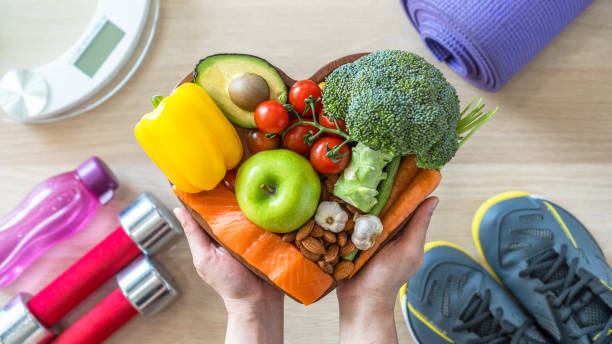
Self-Care & Body Positivity: 15 Steps to Loving Your Body
Welcome Back.
Updated at: 2025-03-01 13:37:29 (10 months ago by Melkisedeck Leon Shine)
```In today's world, saturated with unrealistic beauty standards, it's easy to lose sight of our bodies' inherent worth. However, embracing self-care and body positivity is crucial for overall well-being. This comprehensive guide offers practical steps to cultivate a healthier relationship with your body, fostering self-love and celebrating your unique beauty.
Understanding and appreciating the incredible capabilities of your body is the cornerstone of self-care. It's more than just physical appearance; it's about acknowledging the remarkable work your body performs every day, from breathing to digesting to moving. Take a moment to express gratitude for this remarkable machine that allows you to experience life.
Honoring your body is a journey, not a destination. It requires consistent effort, self-compassion, and a commitment to prioritizing your well-being. By embracing these practices, you can cultivate a healthier, more positive relationship with your body, celebrating its unique beauty and strength.
We encourage you to share your experiences and insights in the comments below. How do you practice self-care and body positivity? What strategies have helped you on your journey to self-acceptance? Let's create a supportive community where we can learn from and inspire one another.
```
Updated at: 2023-08-05 22:23:04 (2 years ago by Melkisedeck Leon Shine)
Weight Management as a Journey of Self-Discovery: Unlocking Your True Potential πͺπ
Hello there! It's AckySHINE, your friendly guide to a healthier and happier you. Today, I want to talk about weight management as a journey of self-discovery. π
Weight management is not just about shedding a few pounds or fitting into that cute dress. It goes much deeper than that. It's about understanding and embracing your body, mind, and spirit. It's about finding the balance that works for you and discovering your true potential. π
As AckySHINE, I advise you to look at weight management as a holistic approach to wellness. It's not just about what you eat or how much you exercise; it's about nourishing your body, mind, and soul. So, let's dive into this exciting journey together! π
1οΈβ£ Self-reflection: Before embarking on any weight management journey, take a moment to reflect on your current habits, mindset, and goals. π€ Ask yourself, "Why do I want to make a change?" and "What brings me joy?" Being honest with yourself is the first step towards self-discovery.
2οΈβ£ Set realistic goals: As AckySHINE, I recommend setting realistic and achievable goals. Remember, this is a journey, not a sprint. Be patient with yourself and celebrate every milestone along the way. π―
3οΈβ£ Discover your triggers: Identify the emotions, situations, or habits that trigger unhealthy behaviors. Is it stress, boredom, or emotional eating? By understanding your triggers, you can develop healthier coping mechanisms. π¦
4οΈβ£ Mindful eating: Practice the art of mindful eating. Slow down, savor each bite, and listen to your body's hunger and fullness cues. This helps you build a healthier relationship with food and promotes weight management. π½οΈ
5οΈβ£ Exercise that brings you joy: Find a form of exercise that brings you joy and makes you excited to move your body. It could be dancing, hiking, or even playing a sport. Exercise shouldn't feel like a chore; it should be a fun part of your journey. πποΈββοΈ
6οΈβ£ Surround yourself with positive influences: As AckySHINE, I recommend surrounding yourself with people who support and inspire you on your weight management journey. Join a fitness class, find an accountability partner, or connect with like-minded individuals online. π€
7οΈβ£ Celebrate non-scale victories: Weight management is not just about the numbers on the scale. Acknowledge and celebrate non-scale victories like increased energy levels, improved sleep, or fitting into an old pair of jeans. π
8οΈβ£ Embrace self-care: Take time for yourself and prioritize self-care. Engage in activities that rejuvenate your mind, body, and soul. Whether it's taking a bubble bath, practicing yoga, or reading a good book, self-care is an essential part of your journey. ππ§ββοΈπ
9οΈβ£ Learn from setbacks: Setbacks are a part of any journey, including weight management. Instead of beating yourself up, acknowledge the setback, learn from it, and keep moving forward. Remember, it's about progress, not perfection. π§
π Seek professional guidance: If you're struggling with weight management, don't hesitate to seek professional guidance. A registered dietitian or a certified personal trainer can provide personalized advice and support tailored to your needs. ππͺ
1οΈβ£1οΈβ£ Practice self-compassion: Be kind to yourself throughout this journey. Acknowledge your efforts, be gentle with your setbacks, and love yourself unconditionally. Remember, you are worthy of every bit of happiness and success. β€οΈ
1οΈβ£2οΈβ£ Stay consistent: Consistency is key when it comes to weight management. Create a routine that works for you and stick to it. Small, consistent actions over time lead to big results. π
1οΈβ£3οΈβ£ Stay hydrated: Drinking enough water is crucial for weight management as it helps regulate appetite, boosts metabolism, and supports overall health. So, don't forget to sip on that HβO throughout the day! π¦
1οΈβ£4οΈβ£ Practice positive affirmations: Affirmations are powerful tools that can help shift your mindset towards a more positive and empowering outlook. Repeat affirmations like "I am strong," "I am capable," and "I am deserving of a healthy body." π£οΈπͺ
1οΈβ£5οΈβ£ Embrace the journey: Lastly, embrace the journey of weight management as an opportunity for self-discovery, growth, and transformation. It's not just about reaching a specific weight; it's about unlocking your true potential and living your best life. π
So, are you ready to embark on this exciting journey of self-discovery through weight management? Share your thoughts and experiences in the comments below! I'd love to hear from you. Remember, together, we can shine brighter and achieve our wellness goals! π«
Updated at: 2025-06-22 01:50:32 (7 months ago by Melkisedeck Leon Shine)
In today's visually saturated society, body image significantly impacts psychological well-being and overall health. The pervasive dissemination of idealized body types across media and social platforms creates immense pressure to conform, often resulting in body dissatisfaction and negative self-perception. This article examines the intricate relationship between body image and mental health, proposing a comprehensive framework for fostering positive body image and self-acceptance, grounded in established psychological theories and models. Key concepts such as self-discrepancy theory, social comparison theory, cognitive behavioral therapy (CBT), self-determination theory, positive psychology, and media literacy will be explored and applied to develop practical strategies for improving body image.
Understanding the Interplay Between Body Image and Mental Health: A Theoretical Perspective
Body imageβencompassing thoughts, feelings, and perceptions about one's physical selfβis a complex construct intricately linked to self-esteem and psychological well-being. Negative body image, frequently exacerbated by societal pressures and unrealistic beauty standards (as explained by social comparison theory), contributes significantly to various psychological issues, including depression, anxiety, and eating disorders. Self-discrepancy theory highlights the distress arising from the gap between the perceived self and the idealized self, leading to diminished self-worth. Cognitive Behavioral Therapy (CBT) further elucidates this by emphasizing the role of negative automatic thoughts and maladaptive schemas in maintaining negative body image. For instance, a person might engage in repetitive negative self-talk ("I'm too fat," "I'm unattractive"), leading to low self-esteem and potentially disordered eating behaviors. Understanding these theoretical underpinnings is crucial for developing effective interventions.
Cultivating a Positive Body Image: A Multifaceted and Evidence-Based Approach
Developing a positive body image is a dynamic, individualized journey requiring self-compassion and sustained effort. The strategies outlined below, informed by self-determination theory and positive psychology, provide a comprehensive framework for fostering self-acceptance and improved well-being. These strategies are presented in a logical sequence, progressing from internal self-work to external environmental management and professional support.
Cognitive Restructuring and Self-Compassion: A cornerstone of CBT, this involves identifying and challenging negative self-talk. Replacing self-criticism with positive affirmations and self-compassionate statements strengthens self-esteem and fosters a more positive self-perception. This active reframing of negative thoughts is essential for shifting ingrained thought patterns. For example, instead of thinking "I look awful in this outfit," a person might reframe it as "This outfit isn't my favorite, but I feel comfortable and confident in it."
Embracing Individuality and Promoting Self-Acceptance: Celebrating individual uniqueness, rather than striving for conformity, is paramount. This aligns with humanistic psychology's emphasis on self-actualization and inherent worth. Positive affirmations and self-compassionate techniques, integral to CBT, are powerful tools in this process. This involves acknowledging and appreciating one's unique qualities and strengths, rather than focusing solely on physical appearance.
Strategic Digital Environment Management: Consciously curating one's digital exposure is critical. Actively seeking body-positive influencers and communities promoting diverse body representation can counteract the negative impacts of social comparison. Mindful digital detox periods can mitigate the harmful effects of unrealistic portrayals. This strategy draws upon principles of media literacy and cultivation theory, recognizing the powerful influence of media consumption on body image.
Developing Critical Media Literacy: Understanding that media often uses digital enhancement to create unrealistic beauty standards is vital. Developing a critical perspective towards media consumption and recognizing image manipulation promotes realistic self-perception. This is a key component of media literacy education, empowering individuals to analyze and critically evaluate media messages.
Prioritizing Holistic Self-Care: Engaging in self-care encompassing physical, emotional, and social dimensions is crucial. Regular exercise, hobbies, and meaningful relationships foster competence and autonomy (self-determination theory). Mindfulness enhances self-awareness and emotional regulation, providing tools to manage negative thoughts and emotions. This involves prioritizing activities that nourish the whole person, promoting both physical and mental well-being.
Focusing on Strengths and Achievements: Shifting focus from physical appearance to personal strengths and accomplishments aligns with positive psychology. Celebrating successes boosts self-efficacy and self-esteem, reinforcing a sense of personal value beyond physical attributes.
Cultivating Supportive Social Connections: Surrounding oneself with supportive individuals who value personal worth independent of physical appearance is essential. Strong social support networks provide a sense of belonging and buffer against negative self-perception (social support theory). This emphasizes the importance of building and maintaining positive relationships with people who appreciate one's inherent worth.
Mindful Digital Disengagement: Periodic disconnection from social media reduces exposure to triggering content and promotes self-reflection. Recognizing that online platforms often depict curated realities helps manage unrealistic comparisons and expectations. This conscious choice helps to reduce exposure to potentially harmful content and fosters self-reflection.
Practicing Gratitude and Self-Kindness: Expressing appreciation for one's body and its capabilities fosters self-compassion. Treating oneself with kindness and respect promotes self-acceptance and positive self-regard, central to self-esteem enhancement. This involves actively cultivating self-compassion and appreciation for one's body and its capabilities.
Holistic Health Promotion: Prioritizing overall health and well-being underscores that self-worth is independent of body image. Nurturing physical and mental health through a balanced lifestyle promotes a more positive and integrated sense of self. This reinforces the connection between physical and mental health and the importance of a holistic approach to well-being.
Seeking Professional Support: Seeking guidance from mental health professionals is crucial for persistent body image challenges. Therapists skilled in CBT or other relevant modalities provide tailored strategies and support to address underlying cognitive distortions and emotional distress. This underscores the importance of seeking professional help when needed.
Cultivating a positive body image is a continuous, iterative process demanding self-awareness, self-compassion, and a commitment to prioritizing psychological well-being. Proactively challenging negative self-perceptions and embracing self-acceptance nurtures a healthier relationship with one's body and enhances quality of life. Further research should investigate the long-term effectiveness of these strategies across diverse populations and explore technological interventions to promote positive body image.
Conclusions and Recommendations
This article provides a framework for understanding and addressing the complex interplay between body image, mental health, and well-being. Integrating psychological theories and models, we've outlined a multifaceted approach emphasizing self-acceptance, media literacy, cognitive restructuring, self-care, and social support. Future research should focus on refining these strategies, developing culturally sensitive interventions, and evaluating the efficacy of technology-based interventions. Longitudinal studies examining the sustained impact of these interventions on mental health outcomes are needed. The ultimate goal is to empower individuals to build a healthy and positive relationship with their bodies, fostering self-acceptance and enhancing their overall quality of life. The development and implementation of comprehensive, evidence-based programs integrating these strategies within educational settings, community outreach initiatives, and healthcare systems are crucial for widespread impact.
Reader Pool: Considering the multifaceted nature of body image and its impact on mental health, how can we best leverage technology to create more inclusive and body-positive online environments?
Updated at: 2025-05-05 03:27:17 (8 months ago by Melkisedeck Leon Shine)
Negative body image, characterized by dissatisfaction with one's physical appearance, is a prevalent issue significantly impacting self-esteem and psychological well-being, particularly among adolescents and young adults (Thompson & Stice, 2001). This pervasive phenomenon necessitates a multi-faceted approach to cultivate environments that promote positive body image and foster healthy self-perception. This framework provides a comprehensive set of strategies grounded in relevant theories and models, enabling the collective creation of a culture of self-love and acceptance, empowering individuals to embrace their unique physical attributes.
1. Cognitive Restructuring and Media Literacy: Deconstructing Societal Beauty Standards
Understanding the etiology of negative body image requires analyzing the interplay of societal influences and cognitive processes. Social Cognitive Theory (Bandura, 1986) highlights the role of observational learning and media consumption in shaping body image ideals. Exposure to unrealistic beauty standards propagated through media (magazines, television, social media) contributes to internalization of these ideals, leading to self-criticism and body dissatisfaction. Therefore, a crucial first step is to educate individuals about the manipulative nature of media portrayals, fostering critical media literacy skills. This involves teaching individuals to identify unrealistic beauty standards, analyze the techniques used to create these images, and develop strategies for resisting their influence. Applying this model, workshops and educational programs can be designed to empower individuals to critically evaluate media messages and cultivate a more balanced and realistic perception of beauty.
2. Promoting Self-Compassion and Acceptance: Embracing Individuality and Self-Worth
Self-compassion, as outlined by Neff (2003), involves treating oneself with kindness, understanding, and mindfulness in the face of personal imperfections. This approach directly counters the self-criticism often associated with negative body image. By fostering self-compassion, individuals can learn to accept their bodies as they are, rather than striving for unattainable ideals. This involves challenging negative self-talk and replacing it with self-affirmations. Mindfulness-based interventions can also play a crucial role by encouraging self-awareness and acceptance of one's thoughts and emotions without judgment. Applying this framework, therapeutic interventions and self-help strategies can be implemented to cultivate self-compassion and foster a positive body image.
3. Shifting Focus from Appearance to Holistic Well-being: Prioritizing Health and Self-Care
The Health Belief Model (Rosenstock, 1974) emphasizes the importance of perceived susceptibility, severity, benefits, and barriers in shaping health behaviors. Applying this, we can shift the focus from appearance-based goals to overall well-being. Promoting physical activity and healthy eating habits should not be framed as methods to achieve a specific body type but as ways to enhance physical and mental health. This approach fosters a positive relationship with one's body based on functionality and vitality rather than solely on aesthetics. By integrating self-care practicesβsuch as mindfulness, stress management techniques, and engagement in enjoyable activitiesβindividuals can build resilience and improve their overall well-being, which positively influences their body image.
4. Cultivating Positive Social Interactions: The Role of Language and Supportive Environments
Social influence significantly shapes body image. The creation of supportive environments and the mindful use of language are crucial. We must actively avoid body-shaming language and cultivate a culture of respect and empathy. This involves promoting positive and inclusive language that celebrates diversity. Furthermore, fostering positive social interactions requires creating spaces where open and honest communication is encouraged, and individuals feel comfortable expressing their feelings without judgment. The principles of person-centered therapy (Rogers, 1951) emphasize the importance of unconditional positive regard and empathy in creating a therapeutic relationship. These same principles can be applied to foster positive social interactions and build supportive communities.
5. Promoting Proactive Engagement: Community Building and Advocacy
Addressing negative body image requires a collective effort. Community-based interventions, such as body-positive campaigns and support groups, play a vital role in promoting body acceptance and inclusivity. These initiatives provide platforms for individuals to connect, share experiences, and collectively challenge societal norms. Further, advocacy efforts focused on influencing media representations and promoting diversity in marketing and advertising can contribute to broader societal change. Actively engaging in such initiatives promotes the creation of inclusive communities that foster a culture of self-acceptance and positive body image.
Conclusion: A Collaborative Endeavor for Lasting Change
Cultivating a culture of body positivity is a collaborative and ongoing endeavor requiring a multi-pronged approach. By integrating cognitive restructuring techniques, promoting self-compassion, prioritizing holistic well-being, fostering positive social interactions, and engaging in community-based initiatives, we can empower individuals to develop a healthier and more positive relationship with their bodies. Further research should focus on longitudinal studies examining the long-term effectiveness of various interventions, as well as the exploration of culturally sensitive approaches to address the diverse experiences and needs of individuals across different communities. Ultimately, creating a world where everyone feels accepted and celebrated for who they are requires consistent effort, education, and a collective commitment to fostering a culture of self-love and acceptance.
Updated at: 2025-05-08 04:30:05 (8 months ago by Melkisedeck Leon Shine)
The contemporary societal landscape often presents conflicting narratives surrounding nutrition, frequently leading to feelings of guilt and restriction associated with food consumption. This article explores a holistic framework for achieving a balanced and positive relationship with food, emphasizing mindful eating practices and the integration of various psychological and behavioral strategies. Key concepts include intuitive eating, mindful eating, and the Health Belief Model, which will be applied throughout this discussion.
Intuitive eating, a nutrition philosophy that emphasizes listening to internal hunger and satiety cues, is central to this approach. Mindful eating, which involves paying close attention to the sensory experience of eating, complements intuitive eating by enhancing awareness and promoting satiety. The Health Belief Model, a framework for understanding health behaviors, posits that perceptions of susceptibility, severity, benefits, and barriers influence individual choices. Applying this model to food choices reveals that overcoming guilt requires addressing perceptions of the βseverityβ of indulging and highlighting the βbenefitsβ of a balanced approach.
1. Prioritizing Dietary Diversity and Nutrient Density: A balanced diet is not about eliminating specific food groups but rather encompassing a wide variety of nutrient-rich options. This aligns with the Health Belief Model by reducing perceived severity and highlighting the benefits of a varied nutrient intake, thus lessening guilt associated with occasional indulgences. Instead of labeling foods as "good" or "bad," which fosters restrictive and guilt-inducing thought patterns, we should focus on the overall dietary profile over time. This aligns with the principles of cognitive restructuring, a therapeutic technique used to modify negative thought patterns.
2. Moderation and Portion Control: Enjoying favorite foods in moderation is crucial. The key is mindful consumption, paying attention to portion sizes and satiety signals. This directly addresses the Health Belief Model by mitigating the perceived susceptibility to negative health consequences associated with occasional treats. It demonstrates a balanced approach that avoids extremes, leading to reduced guilt and increased enjoyment of preferred foods.
3. Cultivating Intuitive Eating Practices: This involves tuning into internal hunger and fullness cues. Eating when hungry and stopping when satisfied promotes a natural regulation of food intake, reducing overeating and the associated guilt. The principles of intuitive eating work against the restrictive dietary patterns often associated with guilt and shame.
4. Embracing Self-Compassion and Acceptance: Perfectionism regarding food choices is self-defeating. Occasional lapses should be met with self-compassion rather than self-criticism. This self-acceptance helps to diminish the impact of dietary missteps on emotional well-being, allowing for a more sustainable approach to healthy eating.
5. Incorporating Physical Activity: Regular physical activity offers multiple benefits, including mood enhancement and improved overall well-being. It indirectly contributes to a more positive relationship with food by fostering a sense of self-care and reducing stress. This indirectly reduces the perceived barriers to healthy eating mentioned in the Health Belief Model, creating a more supportive environment for making healthy choices.
6. Building a Supportive Social Network: Positive social support plays a vital role in behavior change. Sharing goals and challenges with supportive individuals enhances motivation and provides encouragement during setbacks.
7. Strategic Meal Planning and Preparation: Advance meal preparation reduces impulsive unhealthy food choices. Planning allows for balanced food choices, reduces overeating, and fosters a sense of control over one's diet.
8. Exploring Culinary Adventures: Experimenting with novel recipes expands dietary horizons and enhances the enjoyment of food. This helps to diversify one's diet, reinforcing the benefits of a balanced approach, making healthy eating enjoyable.
9. Prioritizing Hydration: Adequate water intake can mitigate cravings and enhance satiety, aiding in portion control and reducing the likelihood of overindulgence.
10. Mindful Eating Techniques: Paying attention to the sensory experience of eatingβthe taste, texture, and aromaβenhances appreciation for food and reduces the likelihood of mindless eating and subsequent guilt.
11. Seeking Professional Guidance When Necessary: For individuals struggling with disordered eating or significant emotional distress related to food, professional help from a registered dietitian or therapist specializing in eating disorders is essential.
Developing a positive and balanced relationship with food is achievable through a multifaceted approach that integrates mindful eating practices, intuitive eating principles, and behavior modification techniques grounded in psychological frameworks like the Health Belief Model. By addressing individual perceptions of susceptibility, severity, benefits, and barriers related to food choices, we can create a more sustainable and enjoyable eating experience. This holistic approach encourages self-compassion, promotes dietary diversity, and emphasizes the importance of mindful consumption over restrictive dieting. Future research should explore the effectiveness of tailored interventions that incorporate elements of the Health Belief Model and cognitive restructuring to personalize dietary strategies and enhance long-term adherence to healthy eating behaviors. The integration of technology-based interventions, such as mobile applications promoting mindful eating and providing personalized feedback, should also be investigated to improve accessibility and engagement.
Updated at: 2023-08-05 22:27:23 (2 years ago by Melkisedeck Leon Shine)
Body Image and Social Comparison: Breaking Free from Comparison Traps
In today's social media-driven society, it's easy to fall into the trap of comparing ourselves to others. We scroll through our feeds, seeing picture-perfect images of people and their seemingly flawless bodies, and it's only natural to start questioning our own body image. But as AckySHINE, I am here to tell you that it's time to break free from these comparison traps and embrace your unique beauty. Let's explore 15 points that will help you on your journey to self-acceptance and body positivity. π
Embrace your uniqueness: Remember that everyone is different, and that's what makes us special. Your body is unique to you, and it's important to celebrate and appreciate it for what it is. π
Surround yourself with positivity: Follow accounts and engage with content that promotes body positivity, self-love, and inclusivity. Fill your social media feeds with uplifting messages and diverse representations of beauty. πΈ
Challenge societal beauty standards: Recognize that beauty comes in all shapes, sizes, and colors. As AckySHINE, I advise you to question the narrow definitions of beauty that society often imposes on us and celebrate the diversity of bodies. πͺ
Practice self-care: Take care of your body and mind by engaging in activities that make you feel good. Whether it's exercise, meditation, or pampering yourself with a spa day, prioritize self-care to boost your confidence and well-being. π§ββοΈ
Shift your focus: Instead of fixating on your perceived flaws, acknowledge and appreciate the things you love about yourself. Redirect your attention towards your strengths and unique qualities. π
Limit social media consumption: While social media can be a wonderful tool for connection, it can also contribute to feelings of inadequacy. Set boundaries and take breaks from social media if you find it negatively impacting your self-esteem. π΅
Practice gratitude: Cultivate gratitude for your body and all the amazing things it allows you to do. Acknowledge the incredible abilities and experiences your body provides you with every day. π
Avoid comparing yourself to others: Remember that social media is often a curated highlight reel, and comparing yourself to others based on their online presence is an unfair comparison. Focus on your own progress and growth instead. πΈ
Surround yourself with a supportive community: Connect with like-minded individuals who share your values of body positivity and self-acceptance. Join online communities or attend local events where you can find support and encouragement. π
Practice positive self-talk: Be mindful of the way you speak to yourself. Replace negative thoughts with positive affirmations and kind words. Treat yourself as you would treat a friend β with love, respect, and encouragement. π
Educate yourself: Learn about body image, media literacy, and the impact of social comparison. Understanding the underlying factors can help you develop a more critical perspective and empower you to make informed choices. π
Celebrate diversity: Embrace and appreciate the beauty in people of all shapes, sizes, and backgrounds. Acknowledge the harm that beauty standards can cause and actively work towards a more inclusive and accepting society. π
Be mindful of your triggers: Identify situations, people, or content that triggers negative feelings about your body image and take steps to minimize exposure to these triggers. Surround yourself with positive influences instead. π
Seek professional help if needed: If you find that negative body image affects your daily life or mental well-being, consider reaching out to a therapist or counselor who specializes in body image issues. They can provide valuable guidance and support. π€
Remember: You are more than your body. Your worth is not defined by your appearance. Focus on cultivating your inner qualities, talents, and passions that make you who you are. You are unique, beautiful, and worthy just as you are. β¨
As AckySHINE, I recommend embracing these points as a starting point on your journey to breaking free from comparison traps and embracing your body image. Remember, it's a process, and it takes time and effort, but with patience and self-love, you can learn to appreciate yourself for who you truly are. Let's spread positivity and inspire others to do the same! π
What do you think about these tips? Have you tried any of them? Share your thoughts and experiences in the comments below!
Updated at: 2023-08-05 22:26:46 (2 years ago by Melkisedeck Leon Shine)
Nurturing a Healthy Body Image in Postpartum and Motherhood πΈ
As a mother, embracing your postpartum body and nurturing a healthy body image can be a challenging journey. It is important to remember that your body has undergone incredible changes to bring new life into the world. It is normal to feel a range of emotions about these changes, but it is essential to prioritize self-love and acceptance during this transformative time. Here are 15 tips to help you nurture a healthy body image in postpartum and motherhood:
Embrace the changes: πAcknowledge and celebrate the incredible journey your body has been through. Your body has created and nourished another human being, which is truly remarkable. Remember that your postpartum body tells a beautiful story of motherhood.
Surround yourself with positive influences: πΌ Surrounding yourself with supportive and positive people can have a significant impact on your body image. Choose friends and family who uplift and empower you, and distance yourself from those who bring negativity.
Practice self-care: πββοΈMake self-care a priority to nurture both your physical and mental well-being. Take time for activities that bring you joy and help you connect with your body, such as yoga, meditation, or journaling.
Prioritize rest: π΄ Getting enough rest is crucial for your overall well-being. Lack of sleep can negatively impact your body image and self-esteem. Make sure to listen to your body's needs and allow yourself to rest when needed.
Focus on nourishing your body: π₯¦πNourishing your body with healthy, balanced meals can positively impact your body image. Focus on consuming whole foods that provide essential nutrients for you and your baby.
Move your body in ways that feel good: πΆββοΈποΈββοΈFind physical activities that you enjoy and that make you feel good. This could be going for walks, practicing gentle yoga, or engaging in postpartum exercise classes. Remember to listen to your body and take it at your own pace.
Wear clothes that make you feel confident: π Dressing in clothes that make you feel confident and comfortable can significantly impact your body image. Invest in a few pieces that flatter your body and make you feel amazing.
Practice positive affirmations: π Affirmations are powerful tools to improve self-esteem and body image. Repeat positive affirmations that resonate with you, such as "I am strong and beautiful" or "My body has done incredible things."
Avoid comparing yourself to others: π ββοΈComparison is the thief of joy. Remember that every body is unique and that comparing yourself to others will only bring unnecessary negativity. Focus on your own journey and celebrate your progress.
Surround yourself with body-positive media: πΊπ₯οΈ Fill your social media feeds and online spaces with body-positive influencers and content. Seeing diverse body types and celebrating all shapes and sizes can help shift your mindset towards self-acceptance and love.
Seek professional support if needed: π€ If you find that negative body image is affecting your overall well-being, consider seeking professional support. A therapist or counselor can help you work through these feelings and develop healthy coping strategies.
Practice gratitude: π Cultivating a daily gratitude practice can help shift your focus from what you perceive as flaws to what you appreciate about your body. Each day, take a moment to express gratitude for the incredible things your body does for you.
Engage in positive self-talk: π£οΈ Replace negative self-talk with positive and empowering words. As AckySHINE, I recommend looking in the mirror and complimenting yourself daily. Challenge your negative thoughts and replace them with kind and loving words.
Set realistic goals: π― When setting fitness or health goals, make sure they are realistic and achievable. Focus on progress rather than perfection and celebrate even the smallest victories along the way.
Practice mindfulness and body acceptance: πΊ Embrace mindfulness techniques such as body scanning and body acceptance meditations. These practices can help you develop a deeper connection with your body and cultivate self-compassion.
Remember, nurturing a healthy body image is a journey, and it will take time and patience. As AckySHINE, I encourage you to be kind to yourself and celebrate the incredible strength and beauty that lies within you. Seek support, practice self-care, and surround yourself with positivity. You deserve to feel confident and empowered in your postpartum and motherhood journey. π
What are your favorite ways to nurture a healthy body image? Share your thoughts and experiences below!
Updated at: 2023-08-05 22:26:15 (2 years ago by Melkisedeck Leon Shine)
The Power of Body Positivity: Loving Your Body Unconditionally ππͺπ
In a world where society constantly bombards us with unrealistic beauty standards, it can be challenging to embrace our bodies as they are. However, as AckySHINE, a body positivity advocate, I am here to remind you of the incredible power that comes with loving your body unconditionally. In this article, I will share 15 points to highlight the importance and benefits of body positivity. Let's dive in! πββοΈ
Boosts Self-Confidence: Embracing your body unconditionally allows you to feel confident in your own skin. When you radiate confidence, others are naturally drawn to your positive energy. π
Improves Mental Health: Practicing body positivity can improve your mental health by combating negative thoughts and promoting self-acceptance. It helps to cultivate a healthier relationship with your body and overall well-being. π§ πββοΈ
Encourages Self-Care: When you love your body unconditionally, you prioritize its well-being. This encourages you to engage in self-care activities such as exercising, eating nourishing foods, and taking time to rest. π₯¦ποΈββοΈπ€
Inspires Others: By embracing body positivity, you become a role model for others who may be struggling with their own body image. Your self-love journey can empower and inspire them to do the same. ππ
Breaks Society's Beauty Standards: Society's beauty standards often perpetuate unrealistic and unattainable ideals. By loving your body unconditionally, you challenge these standards and redefine what true beauty means. π«π
Fosters Body Acceptance in Relationships: When you love your body unconditionally, you are more likely to attract partners who appreciate and celebrate you for who you are, rather than solely focusing on external appearances. β€οΈπ
Encourages Positive Body Talk: By practicing body positivity, you become more mindful of the language you use when talking about yourself and others. This leads to a shift towards positive body talk and the eradication of body-shaming. π£οΈπ
Creates a Supportive Community: Body positivity promotes inclusivity and diversity. By joining body positivity communities, you can connect with like-minded individuals who support and uplift one another, fostering a sense of belonging. π€π
Enhances Body Appreciation: When you love your body unconditionally, you start appreciating its unique features and strengths. You no longer feel the need to compare yourself to others because you understand that beauty comes in all shapes and sizes. πΊβ¨
Reduces Stress and Anxiety: Body positivity allows you to let go of the stress and anxiety associated with constantly striving for an unattainable ideal. Instead, you focus on self-love, acceptance, and prioritizing your mental and emotional well-being. π§ββοΈπββοΈ
Empowers You to Set Boundaries: Loving your body unconditionally empowers you to set boundaries and say no to situations that make you feel uncomfortable or pressured to conform to unrealistic beauty standards. π«π ββοΈ
Increases Body Resilience: By embracing body positivity, you become more resilient to negative comments or judgments from others. You are confident in who you are and refuse to let anyone's opinion define your worth. πͺπ‘οΈ
Nurtures a Healthy Body Image in Children: By practicing body positivity, you set an example for the younger generation. Whether you're a parent, teacher, or caregiver, your positive body image can influence and shape the way children perceive themselves. π©βπ§βπ¦
Enhances Overall Happiness: Loving your body unconditionally contributes to your overall happiness and contentment with life. When you prioritize self-love, you can fully embrace all aspects of yourself and live a more fulfilling and joyful life. ππ
Celebrates the Beauty of Diversity: Body positivity celebrates the beauty of diversity in all its forms. It encourages us to appreciate and value the uniqueness of each individual, fostering a more inclusive and accepting society. ππ
As AckySHINE, I strongly advise you to embrace body positivity and love your body unconditionally. Let go of society's unrealistic beauty standards and embark on a journey of self-love and acceptance. You deserve to feel confident and empowered in your own skin. Remember, you are beautiful just the way you are! π₯°β¨
What are your thoughts on body positivity? How do you practice self-love? Share your opinions below! ππ
Updated at: 2023-08-05 22:26:12 (2 years ago by Melkisedeck Leon Shine)
The Role of Exercise in Boosting Body Image
ποΈββοΈπͺ Introduction ποΈββοΈπββοΈ
In today's society, body image is an issue that affects countless individuals. The media bombards us with unrealistic standards of beauty, leading many to feel insecure about their own bodies. However, there is a powerful tool that can help combat these negative feelings and boost self-confidence: exercise. As AckySHINE, I am here to shed light on the role of exercise in enhancing body image and provide professional advice on how to incorporate it into your life.
π 1. Endorphin Release π
Exercise has been scientifically proven to release endorphins, often referred to as the "feel-good" hormones. These endorphins produce a sense of euphoria and happiness, which can significantly improve one's body image. As AckySHINE, I highly recommend engaging in activities such as jogging, dancing, or cycling, as they can be particularly effective in triggering this positive response.
π 2. Improved Self-Esteem π
Regular exercise can help build self-esteem by promoting a sense of accomplishment. As you set and achieve personal fitness goals, you develop a greater appreciation for your body's capabilities. This newfound confidence can gradually replace negative body image thoughts with a sense of pride and empowerment.
π 3. Body Appreciation π
Engaging in physical activity allows you to become more in tune with your body. As you feel your muscles working and your heart beating faster, you begin to appreciate the amazing things your body can do. This shift in focus from appearance to function can have a transformative effect on body image, as it allows you to see your body as a powerful tool rather than an object of scrutiny.
π 4. Stress Reduction π
Exercise has long been recognized as a powerful stress reducer. When we are stressed, our body releases cortisol, a hormone that can negatively affect body image. Regular physical activity helps lower cortisol levels, thus reducing stress and improving overall body image. Incorporating activities like yoga or Pilates into your exercise routine can be especially beneficial for managing stress.
π 5. Social Support π
Exercising in a group or with a friend can provide a sense of camaraderie and support. Surrounding yourself with positive, like-minded individuals who share your fitness goals can be incredibly uplifting. Not only do you have someone to celebrate your achievements with, but you also have a support system to lean on during challenging times. In my opinion as AckySHINE, joining a group fitness class or participating in team sports can be a fantastic way to boost body image through social connections.
π 6. Focus on Health π
When exercise becomes a regular part of your life, the emphasis shifts from appearance to overall health. By prioritizing exercise for its numerous physical and mental health benefits, you'll naturally start to care less about achieving society's unrealistic beauty standards. As AckySHINE, I recommend setting goals related to strength, endurance, or flexibility rather than solely focusing on weight or appearance.
π 7. Body Positivity Movement π
The body positivity movement has gained significant traction in recent years, encouraging people to embrace their bodies in all their diverse forms. Engaging in exercise can align you with this movement, as it emphasizes the importance of self-love and acceptance. By participating in activities that make you feel good and celebrating the strength of your body, you contribute to the collective effort of promoting body positivity.
π 8. Enhanced Body Awareness π
Regular exercise can heighten your body awareness, allowing you to better understand and appreciate your physique. As you engage in different types of physical activities, you become more attuned to how your body moves and feels. This increased body awareness can lead to a greater sense of body satisfaction and connection.
π 9. Shift in Perspective π
Engaging in exercise can help shift your perspective from focusing on perceived flaws to appreciating your body's unique qualities. As you witness the incredible changes your body undergoes through regular physical activity, you begin to view it as a work in progress rather than a fixed entity. This change in mindset can be particularly empowering and boost body image significantly.
π 10. Mind-Body Connection π
Exercise nurtures the mind-body connection, allowing you to feel more in control and centered. When you cultivate this connection, you become more attuned to your body's needs and can better respond to them. This heightened level of self-awareness can contribute to a healthier body image, as you learn to listen to and respect your body's cues.
π 11. Setting Realistic Goals π
As AckySHINE, I advise setting realistic goals and celebrating progress along the way. By focusing on achievable targets, you avoid setting yourself up for disappointment or frustration. Whether it's increasing your daily step count or improving your flexibility, every small accomplishment counts and can positively impact your body image.
π 12. Variety is Key π
To maintain motivation and maximize the positive effects of exercise on body image, it's crucial to incorporate variety into your routine. Trying different activities not only keeps your workouts exciting but also exposes you to new challenges and accomplishments. Whether it's swimming, hiking, or practicing martial arts, exploring different forms of exercise can help you discover what truly brings you joy and enhances your body image.
π 13. Balancing Rest and Movement π
While exercise is undoubtedly beneficial for boosting body image, it's important to strike a balance between rest and movement. Overexercising or pushing your body beyond its limits can lead to burnout and negatively impact your mental and physical well-being. As AckySHINE, I recommend listening to your body's signals and incorporating rest days into your routine to ensure a sustainable and enjoyable exercise experience.
π 14. Individual Journey π
It's important to remember that everyone's journey towards a positive body image is unique. Embrace the fact that progress may take time and that setbacks are a normal part of the process. Comparing yourself to others or fixating on societal standards will only hinder your progress. Focus on your own growth and celebrate the small victories along the way.
π 15. Seeking Professional Support π
If you're struggling with body image issues, seeking professional support can be highly beneficial. Therapists, counselors, or body image specialists can provide guidance and tools to help you navigate this complex process. Remember, reaching out for help is a sign of strength, and there are dedicated professionals out there who can support you on your journey towards a healthier body image.
In conclusion, exercise plays a vital role in boosting body image by releasing endorphins, improving self-esteem, fostering body appreciation, reducing stress, providing social support, and promoting a shift in perspective. Remember to set realistic goals, embrace variety, and prioritize the mind-body connection. AckySHINE encourages you to embark on your unique journey towards a positive body image and seek professional support if needed. Let's celebrate our bodies for all the incredible things they can do! ππͺ
What is your opinion on the role of exercise in boosting body image? How have you personally experienced its positive effects? π€π
Updated at: 2023-08-05 22:26:17 (2 years ago by Melkisedeck Leon Shine)
The Power of Affirmations in Fostering a Positive Body Image
π Introduction: Hello there, lovely readers! Welcome to another enlightening article by yours truly, AckySHINE. Today, we're going to dive into the exciting world of affirmations and how they can work wonders in fostering a positive body image. So, put on your positive pants and let's get started!
1οΈβ£ What are affirmations? Affirmations are positive statements that we repeat to ourselves in order to reshape our thoughts and beliefs. They can be used to boost self-confidence, improve mental well-being, and create a positive mindset. When it comes to body image, affirmations can be a powerful tool to transform the way we perceive ourselves.
2οΈβ£ How do affirmations work? Affirmations work by rewiring our brains and influencing our subconscious mind. By repeatedly stating positive statements about our bodies, we can shift our focus from perceived flaws to appreciating our unique beauty and capabilities. This, in turn, helps us develop a healthier and more positive body image.
3οΈβ£ Creating affirmations: As AckySHINE, I advise you to create affirmations that are personal and meaningful to you. Tailor them to address your specific body image concerns. For example, if you struggle with self-acceptance of your curves, you can affirm, "I embrace and love my beautiful curves." Remember, the key is to make them positive, present-tense, and empowering.
4οΈβ£ Using affirmations daily: To harness the power of affirmations, it's important to incorporate them into your daily routine. As AckySHINE, I recommend setting aside a few minutes each day to repeat your affirmations. You can say them out loud, write them down in a journal, or even create a vision board with visuals that represent your positive body image goals.
5οΈβ£ Affirmations for self-acceptance: Let's take a moment to explore some affirmations that can promote self-acceptance and foster a positive body image: πͺ "I am grateful for my body and all it does for me." π "I radiate beauty from within." π "I am worthy of love and respect, regardless of my size or shape."
6οΈβ£ Affirmations for body confidence: Boost your body confidence with these empowering affirmations: πΈ "I am confident and comfortable in my own skin." β¨ "I celebrate my body's strength and resilience." π "My body is a work of art, and I am proud to show it to the world."
7οΈβ£ Affirmations for embracing imperfections: We all have imperfections, and that's what makes us beautifully unique. Embrace them with these affirmations: πΊ "I love and accept myself, flaws and all." π "My worth is not determined by society's standards of beauty." π« "I am perfectly imperfect, and that's what makes me special."
8οΈβ£ Affirmations for breaking comparison: Comparison can be the thief of joy when it comes to body image. Here are some affirmations to help you break free from the comparison trap: π "I admire others without diminishing my own worth." πΈ "I focus on my own journey and celebrate my progress." πͺ "I am unique, and that is my superpower."
9οΈβ£ Affirmations for body appreciation: Learn to appreciate your body with these affirmations: β¨ "I am grateful for every part of my body." πΊ "I treat my body with love and respect." π "I cherish the temple that is my body."
π Affirmations for self-care: Taking care of ourselves is essential for a positive body image. Use these affirmations to prioritize self-care: π "I prioritize my well-being and make time for self-care." π "I nourish my body with healthy choices and mindful practices." π« "Self-love and self-care are my top priorities."
π Conclusion: And there you have it, my dear readers! The power of affirmations in fostering a positive body image should not be underestimated. By incorporating these positive statements into your daily routine, you can cultivate self-acceptance, boost your confidence, and develop a healthy relationship with your body. As AckySHINE, I hope you embrace the magic of affirmations and embark on a journey towards self-love and body positivity. Remember, you are beautiful just the way you are! πΊ
What are your thoughts on the power of affirmations in fostering a positive body image? Share your opinions below! π