The Role of Nutrition in Menopausal Health
Welcome Back.
Updated at: 2023-08-05 23:00:22 (2 years ago by Melkisedeck Leon Shine)
🍎🥦🥩🥚🥜🌽🍓🥕🍌🍗
The Role of Nutrition in Menopausal Health
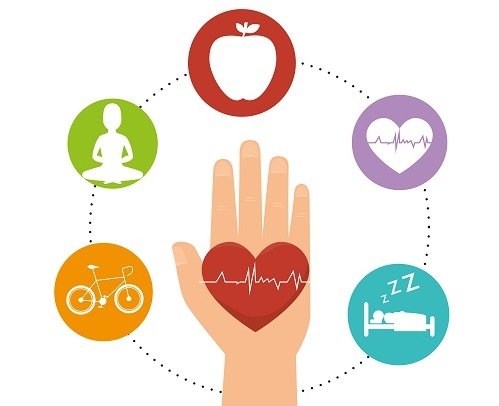
As AckySHINE, I advise that nutrition plays a crucial role in maintaining overall health, and this is especially true during menopause. Menopause is a natural process that marks the end of a woman's reproductive years, and it brings about various physical and hormonal changes. Proper nutrition can help alleviate the symptoms of menopause and promote overall well-being. Let's explore the role of nutrition in menopausal health and discover some key guidelines to follow.
🥦 A Balanced Diet: Maintaining a balanced diet during menopause is essential. Include a variety of fruits, vegetables, whole grains, lean proteins, and healthy fats in your meals. Aim for a colorful plate that is rich in nutrients.
🍎 Calcium-Rich Foods: As AckySHINE, I recommend increasing your calcium intake during menopause, as it helps maintain bone health. Incorporate dairy products, leafy greens, and fortified foods into your diet.
🥩 Protein Power: Adequate protein intake is crucial during menopause to support muscle health and repair. Include lean meats, poultry, fish, eggs, legumes, and nuts in your meals.
🥚 Omega-3 Fatty Acids: Omega-3 fatty acids have anti-inflammatory properties and can help reduce menopausal symptoms such as hot flashes and joint pain. Add fatty fish, flaxseeds, chia seeds, and walnuts to your diet.
🌽 Fiber-Filled Foods: As AckySHINE, I recommend incorporating high-fiber foods into your diet to promote bowel regularity and prevent weight gain. Whole grains, fruits, vegetables, and legumes are excellent sources of fiber.
🍓 Antioxidant-Rich Berries: Berries are packed with antioxidants, which help fight oxidative stress and inflammation. Add blueberries, strawberries, raspberries, and blackberries to your diet for a nutritious and delicious treat.
🥕 Phytoestrogens: Phytoestrogens are plant compounds that mimic the effects of estrogen in the body. They can help alleviate menopausal symptoms. Include soy products, flaxseeds, and legumes in your diet.
🍌 Vitamin D: Vitamin D is crucial for bone health and immune function. As AckySHINE, I recommend getting sun exposure or incorporating vitamin D-rich foods like fatty fish, fortified dairy products, and egg yolks into your diet.
🍗 Iron-Rich Foods: Iron is important for maintaining energy levels and preventing anemia. Include lean meats, poultry, fish, fortified cereals, and legumes in your diet to meet your iron needs.
🥜 Healthy Fats: Healthy fats, such as those found in avocados, nuts, seeds, and olive oil, are essential for hormone production and absorption of fat-soluble vitamins. Include them in moderation in your diet.
🍗 Portion Control: As AckySHINE, I recommend practicing portion control to maintain a healthy weight during menopause. Keep an eye on your portion sizes and listen to your body's hunger and fullness cues.
🥦 Hydration: Staying hydrated is important for overall health. Drink plenty of water throughout the day and limit your intake of sugary beverages.
🌽 Limit Processed Foods: Processed foods are often high in unhealthy fats, sugar, and sodium. As AckySHINE, I recommend limiting your intake of processed foods and opting for whole, unprocessed foods whenever possible.
🍓 Regular Exercise: Alongside proper nutrition, regular exercise is crucial for maintaining overall health during menopause. Engage in activities you enjoy, such as walking, swimming, yoga, or strength training.
🥕 Consult a Healthcare Professional: It's important to consult a healthcare professional or a registered dietitian for personalized advice and guidance. They can assess your individual needs and provide specific recommendations tailored to your health goals.
In conclusion, nutrition plays a vital role in menopausal health. As AckySHINE, I recommend maintaining a balanced diet, including calcium-rich foods, proteins, omega-3 fatty acids, high-fiber foods, antioxidants, phytoestrogens, and essential vitamins and minerals. Practice portion control, stay hydrated, limit processed foods, and engage in regular exercise. Remember to consult a healthcare professional for personalized advice. Take care of your health to embrace the beauty of menopause with confidence and vitality. 🌟
What are your thoughts on the role of nutrition in menopausal health? Have you made any dietary changes that have positively impacted your menopause journey? Share your experiences and opinions below!
Updated at: 2025-06-06 16:02:17 (9 months ago by Melkisedeck Leon Shine)
Women's health is a complex and dynamic process, characterized by significant physiological transitions across the lifespan, from adolescence to menopause. A comprehensive understanding of these unique needs is crucial for optimizing well-being and promoting longevity. This guide explores key dimensions of women's health, empowering individuals to make informed decisions and prioritize their health proactively. We will examine these aspects through the lens of established health models, such as the biopsychosocial model, which emphasizes the interconnectedness of biological, psychological, and social factors in health outcomes, and the health belief model, which explains how individuals make decisions about health behaviors based on perceived susceptibility, severity, benefits, and barriers.
1. Preventative Healthcare: A Foundation for Well-being
Regular preventative care forms the bedrock of women's health. Annual check-ups with healthcare providers enable early detection of potential health problems, facilitating timely interventions and disease prevention. This aligns with the principles of primary prevention within the public health framework, which aims to prevent disease before it occurs. Early detection significantly improves treatment outcomes and reduces long-term health consequences. Through proactive screenings and consultations, individuals can mitigate risks and optimize health trajectories, leveraging the power of preventative medicine.
2. Reproductive Health: A Lifelong Focus
Understanding and managing reproductive health is crucial throughout a woman's life. This includes regular monitoring of menstrual cycles, addressing concerns like irregular periods or dysmenorrhea (painful menstruation), and open communication with healthcare providers regarding fertility concerns or contraception choices. The adoption of a reproductive health-centered approach empowers women to make informed decisions about family planning and their overall reproductive well-being, acknowledging the importance of regular check-ups and honest communication with healthcare professionals.
3. Cardiovascular Health: Addressing a Leading Cause of Mortality
Cardiovascular disease poses a significant threat to women's health, representing a leading cause of death globally. Adopting a heart-healthy lifestyle, incorporating regular exercise, a balanced diet low in saturated and trans fats, and stress management techniques, is crucial in mitigating risk factors. These lifestyle modifications align with the principles of secondary prevention, aimed at early detection and intervention to prevent disease progression. This approach reduces the likelihood of cardiovascular events and improves overall health outcomes.
4. Bone Health: Strategies for Osteoporosis Prevention
Osteoporosis significantly impacts women's health, increasing the risk of fractures and disability. Building and maintaining strong bones involves a multifaceted strategy. This includes consuming a diet rich in calcium and vitamin D, engaging in regular weight-bearing exercise, and avoiding risk factors such as smoking and excessive alcohol consumption. These measures align with both primary and secondary prevention strategies, aiming to prevent bone loss and to detect and treat osteoporosis early, thereby reducing the risk of fractures and improving quality of life. This integrated approach to bone health management is crucial for long-term well-being.
5. Mental and Emotional Well-being: A Holistic Perspective
Mental health is inextricably linked to overall well-being. Women may experience higher rates of anxiety and depression. Seeking professional support when needed, building strong social support networks, and practicing stress management techniques are crucial for maintaining mental health. The biopsychosocial model underscores the importance of addressing psychological and social factors alongside biological ones in promoting mental health. Access to mental health services and supportive relationships is integral to holistic well-being.
6. Hormonal Health: Navigating Fluctuations Across the Lifespan
Hormonal fluctuations throughout a woman's life, particularly during puberty, menstruation, pregnancy, and menopause, can significantly impact health and well-being. Managing these fluctuations often involves lifestyle adjustments, hormone replacement therapy (when appropriate), and open communication with healthcare professionals. A proactive and individualized approach to hormonal health management is crucial for mitigating potential negative impacts and enhancing overall quality of life. Understanding the complex interplay of hormones and their influence on various bodily systems is essential for proactive healthcare decisions.
7. Breast Health: Early Detection and Prevention
Breast cancer is a prevalent concern for women. Regular self-examinations, mammograms (as recommended by guidelines), and prompt attention to any breast changes are paramount for early detection. Early detection significantly improves treatment outcomes and survival rates, highlighting the importance of regular screenings and self-awareness in mitigating risk. This proactive approach aligns with the principles of secondary prevention in cancer management. Moreover, an understanding of familial risk factors and genetic predispositions can contribute to tailored preventative strategies.
8. Pelvic Health: Maintaining Strength and Function
Pelvic floor health is crucial throughout a woman's life, affecting bladder control and overall well-being. Incorporating pelvic floor exercises into daily routines can significantly reduce the risk of urinary incontinence and other pelvic floor dysfunctions. Understanding pelvic anatomy and implementing appropriate exercises forms a vital aspect of comprehensive women's healthcare, promoting functional fitness and overall quality of life. This is a key component of long-term health and should be routinely integrated into healthcare plans.
9. Sexual Health: Open Communication and Preventative Measures
Open communication about sexual health is essential. Regular screenings for sexually transmitted infections (STIs), responsible contraceptive use, and addressing any concerns with healthcare providers are vital for maintaining sexual health and well-being. Open dialogue with healthcare providers promotes informed decision-making and reduces health risks associated with sexual activity. This is a crucial yet often overlooked aspect of comprehensive women's health.
10. Sleep Hygiene and Self-Care: Prioritizing Holistic Well-being
Adequate sleep and self-care practices are essential for overall well-being. Establishing consistent sleep patterns, incorporating stress-reducing techniques, and engaging in self-care activities that promote relaxation and rejuvenation are crucial for both physical and mental health. These practices enhance resilience, reduce stress, and promote a sense of overall well-being. This holistic approach emphasizes the interconnectedness of physical and mental health, recognizing that neglecting self-care can negatively impact both.
Conclusion and Recommendations
Maintaining optimal health requires a proactive and multifaceted approach that encompasses regular preventative care, informed decision-making regarding reproductive and sexual health, and a commitment to self-care practices. Early detection and intervention strategies are pivotal in managing chronic conditions and improving overall health outcomes. The integration of biopsychosocial principles, alongside the application of preventative and secondary health measures, is vital. Future research should focus on developing culturally sensitive and accessible healthcare models that address the diverse needs of women across various socioeconomic backgrounds and life stages. This involves exploring innovative approaches to health communication and empowering women to actively participate in their healthcare journeys. This proactive approach to women's health leads to improved quality of life, reduced healthcare costs, and improved overall societal well-being.
Reader Pool: What are your thoughts on the efficacy of integrating holistic self-care practices into traditional preventative care models for women's health, and what further research areas would you suggest exploring?
Updated at: 2025-05-31 10:56:09 (9 months ago by Melkisedeck Leon Shine)
In contemporary society, prioritizing mental well-being is not merely advisable but essential, particularly for women who frequently navigate multifaceted societal pressures and personal responsibilities. This article presents a comprehensive framework, grounded in established psychological principles, to foster authentic well-being and enhance mental health in women. We will explore fifteen key strategies, drawing upon concepts from positive psychology, self-determination theory, and attachment theory, to illuminate a path towards self-acceptance and flourishing. The journey to authentic well-being is a testament to individual resilience and the inherent capacity for growth.
The pervasive influence of societal norms often leads to unrealistic expectations for women, hindering genuine self-acceptance and fostering self-doubt. Cultivating authenticity – aligning one's internal values and self-expression with external actions – is crucial for mental wellness, allowing women to thrive independently of external validation. This involves a conscious and proactive effort to prioritize individual needs, effectively manage negative self-talk, and cultivate supportive social networks. The foundation of authentic well-being rests upon self-compassion and consistent self-care practices.
1. Cultivating Self-Compassion: Self-compassion, as defined by Kristin Neff, involves treating oneself with the same kindness, understanding, and acceptance one would offer a dear friend. This involves acknowledging imperfections without self-criticism, fostering a sense of common humanity, and practicing mindfulness to observe one's experience without judgment. In a real-world context, this might involve replacing self-critical thoughts after a mistake with self-soothing statements, recognizing that everyone makes mistakes, and practicing mindfulness meditation to center oneself during stressful situations.
2. Establishing Healthy Boundaries: Setting and maintaining healthy boundaries is paramount for emotional regulation and preventing burnout. This involves assertively communicating personal limits and prioritizing one's needs without guilt. Applying this practically might involve saying "no" to additional responsibilities at work when feeling overwhelmed, or setting specific times for family interactions to avoid feeling depleted. This aligns with the concept of autonomy within Self-Determination Theory, emphasizing the importance of personal control over one's life.
3. Prioritizing Self-Care: Self-care encompasses activities that nurture physical, mental, and emotional well-being. This is not a luxury but a fundamental aspect of maintaining optimal psychological functioning. Implementing this practically involves integrating regular exercise, sufficient sleep, mindful relaxation techniques (like meditation or yoga), and engaging in enjoyable hobbies into one's routine. This contributes to stress management and resilience, concepts central to coping with daily challenges.
4. Building a Secure Attachment Style: Secure attachment, characterized by trust and confidence in relationships, is a crucial protective factor for mental health. Nurturing secure relationships with family, friends, and partners provides emotional support and a sense of belonging. Practically, this involves investing time in meaningful connections, actively communicating needs and emotions, and seeking support during challenging times. This aligns with attachment theory's emphasis on the importance of secure early relationships and their long-term impact on well-being.
5. Cognitive Restructuring Techniques: Negative self-talk can significantly impact mental health. Cognitive restructuring, a core component of Cognitive Behavioral Therapy (CBT), involves identifying and challenging negative thought patterns, replacing them with more realistic and positive ones. In practical terms, this might involve journaling negative thoughts, identifying cognitive distortions (like catastrophizing or all-or-nothing thinking), and developing more balanced and adaptive responses.
6. Practicing Mindfulness and Gratitude: Mindfulness cultivates present moment awareness, reducing stress and anxiety. Gratitude involves actively focusing on positive aspects of life, boosting happiness and well-being. Practically, mindfulness can be cultivated through meditation or mindful breathing exercises, while gratitude can be fostered through journaling positive experiences or expressing appreciation to others. This aligns with the principles of positive psychology, focusing on strengthening positive emotions and experiences.
7. Engaging in Creative Self-Expression: Engaging in creative activities such as art, music, or writing provides a valuable outlet for emotional expression and self-discovery. This can help process emotions, build self-esteem, and foster a sense of accomplishment. Practically, this could involve joining a creative writing group, taking a painting class, or simply dedicating time to a personal creative project.
8. Assertiveness Training: Assertiveness, the ability to express one's needs and opinions respectfully while respecting the rights of others, is vital for establishing healthy boundaries and reducing stress. Assertiveness training programs can equip women with the skills to communicate effectively and confidently in various social situations. This directly addresses the challenges women often face in navigating societal expectations and asserting their needs.
9. Seeking Professional Support: Seeking help from a mental health professional is a sign of strength, not weakness. Therapists and counselors provide evidence-based interventions to address mental health challenges. This might involve individual therapy, group therapy, or medication management, depending on individual needs. Utilizing professional support is a crucial step towards comprehensive well-being.
10. Cultivating a Supportive Social Network: Strong social connections provide emotional support and a sense of belonging. Actively nurturing relationships with supportive individuals – friends, family, or support groups – is essential for mental health. Practically, this could involve scheduling regular time with loved ones, joining social groups based on shared interests, or seeking out online support communities.
11. Promoting Self-Reflection and Personal Growth: Regular self-reflection, through journaling, meditation, or other introspective practices, fosters self-awareness and facilitates personal growth. This allows for identification of personal strengths and areas for improvement, paving the way for positive change.
12. Goal Setting and Achievement: Setting realistic goals and celebrating accomplishments, no matter how small, boosts self-esteem and fosters a sense of agency. This helps maintain motivation and reinforces positive self-perception.
13. Embracing Change and Resilience: Life involves constant change and challenges. Cultivating resilience, the ability to bounce back from adversity, is key to navigating life's ups and downs. This involves developing coping mechanisms, fostering a positive mindset, and seeking support when needed.
14. Practicing Forgiveness: Forgiveness, both of oneself and others, is crucial for emotional healing and reducing stress. Holding onto resentment can negatively impact mental well-being. Forgiveness practices can involve self-compassionate self-talk, writing letters to oneself or others (without necessarily sending them), and practicing mindfulness to reduce emotional reactivity.
15. Prioritizing Physical Health: Physical health and mental health are deeply interconnected. Maintaining a healthy lifestyle through proper nutrition, regular exercise, and sufficient sleep supports overall well-being and strengthens resilience.
Reader Pool: What are your thoughts on the relative importance of different strategies presented in this article, and how might their effectiveness vary across diverse cultural contexts?

Updated at: 2023-08-05 23:00:18 (2 years ago by Melkisedeck Leon Shine)
Understanding Women's Unique Health Needs 🌸
As AckySHINE, I am here to shed light on the topic of women's unique health needs. Women's bodies go through a multitude of changes from adolescence to menopause, and it is important to understand and cater to these specific needs in order to maintain optimal health and well-being. So let's dive right in and explore some key points! 💪
Regular check-ups: It is important for women to schedule regular check-ups with their healthcare provider. This allows for early detection and prevention of any potential health issues. Remember ladies, prevention is better than cure! 📅
Breast health: Breast cancer is a concern for many women. Self-examinations and mammograms can help detect any abnormalities early on. Ladies, take a few minutes each month to perform self-examinations and consult your doctor if you notice any changes. Early detection can save lives! 🎀
Reproductive health: AckySHINE recommends keeping track of your menstrual cycle and any irregularities that may occur. It is crucial to discuss any concerns or changes with your healthcare provider. Remember, knowledge is power! 🌙
Mental health: Women are more prone to certain mental health conditions such as depression and anxiety. AckySHINE advises seeking professional help if you experience prolonged feelings of sadness or stress. Your mental well-being is just as important as your physical health! 🌈
Bone health: Osteoporosis is a common condition among women. To maintain strong bones, it is important to consume foods rich in calcium and vitamin D, engage in weight-bearing exercises, and avoid smoking and excessive alcohol consumption. Stay strong, ladies! 💪
Menopause: This natural transition in a woman's life can bring about various physical and emotional changes. AckySHINE recommends discussing any concerns or symptoms with your healthcare provider to explore the best options for managing menopause. Embrace this new chapter with grace and knowledge! 🌺
Heart health: Heart disease is the leading cause of death in women. AckySHINE advises maintaining a healthy lifestyle by eating a balanced diet, exercising regularly, avoiding smoking, and managing stress. Take care of that precious heart of yours! ❤️
Sexual health: AckySHINE believes that open conversations about sexual health are essential. Regular screenings for sexually transmitted infections (STIs) and discussions about contraception are important aspects of a woman's overall health. Don't be shy to talk about it! 🌹
Pregnancy and childbirth: If you are planning a pregnancy or currently pregnant, AckySHINE recommends regular prenatal care and discussions with your healthcare provider to ensure a healthy pregnancy and safe delivery. Celebrate the miracle of life! 👶
Pelvic health: Pelvic floor muscles play a crucial role in a woman's overall well-being. AckySHINE suggests incorporating pelvic floor exercises into your daily routine to maintain strength and prevent issues such as urinary incontinence. Your pelvic health matters! 💃
Hormonal imbalances: Hormonal imbalances can occur at any stage of a woman's life and may lead to various symptoms. AckySHINE advises consulting with your healthcare provider if you notice any significant changes in your mood, weight, or menstrual cycle. Balance is key! ⚖️
Skin health: AckySHINE recommends protecting your skin from harmful UV rays, staying hydrated, and following a skincare routine suitable for your skin type. Remember, healthy skin is happy skin! 🌞
Emotional support: AckySHINE emphasizes the importance of emotional support for women. Surround yourself with loved ones who understand and uplift you, and consider seeking professional help if needed. You deserve to be happy and supported! 🌟
Sleep: Adequate sleep is vital for overall health and well-being. AckySHINE suggests establishing a regular sleep routine and creating a calm and comfortable sleep environment. Sweet dreams, ladies! 💤
Self-care: Last but certainly not least, AckySHINE encourages women to prioritize self-care. Take time for yourself, engage in activities that bring you joy, and practice self-compassion. Remember, you deserve to be cared for and nurtured! 🌺
In conclusion, understanding women's unique health needs involves proactive measures such as regular check-ups, self-examinations, and open conversations with healthcare providers. By prioritizing your physical and emotional well-being, you can lead a fulfilling and healthy life. So, dear readers, what are your thoughts on this topic? How do you take care of your unique health needs as a woman? Your opinions matter! 💕
Updated at: 2025-05-07 13:55:47 (10 months ago by Melkisedeck Leon Shine)
The postpartum period, while anticipated with joy, can present significant mental health challenges for many new mothers. Postpartum depression (PPD), characterized by persistent sadness, anxiety, and feelings of despair, affects a substantial portion of the population. This condition necessitates a comprehensive and multifaceted approach to recovery, encompassing social support, professional intervention, and self-care strategies. This guide outlines key strategies, grounded in established psychological and medical principles, to facilitate a path toward healing and well-being.
1. Establishing a Supportive Social Network: Leveraging Social Support Theory. Social support theory posits that strong social connections are crucial for mental well-being. Joining a support group specifically designed for mothers experiencing PPD provides a safe space to share experiences, reduce feelings of isolation, and gain emotional validation from peers facing similar challenges. The shared experience fosters a sense of community and mutual understanding, promoting coping mechanisms and resilience. This aligns with the buffering hypothesis, suggesting social support mitigates the negative impacts of stressful life events.
2. Seeking Professional Guidance: Integrating Biopsychosocial Models. A biopsychosocial model of health emphasizes the interplay of biological, psychological, and social factors in understanding and treating illness. Consulting with healthcare providers, including physicians, midwives, and mental health professionals, is crucial. They can conduct a comprehensive assessment, diagnosing the severity of PPD and determining the most appropriate intervention. This may include pharmacological treatments targeting neurochemical imbalances (biological), cognitive behavioral therapy (CBT) to address negative thought patterns (psychological), or referrals to social services for practical support (social).
3. Personalized Therapeutic Interventions: Application of Evidence-Based Therapies. Individual therapy, particularly CBT or interpersonal therapy (IPT), offers a tailored approach to addressing the unique emotional and cognitive challenges of PPD. CBT helps identify and modify maladaptive thought patterns and behaviors contributing to depressive symptoms, while IPT focuses on improving interpersonal relationships impacting the individual's well-being. These evidence-based therapies offer structured frameworks for managing symptoms and fostering long-term recovery.
4. Fostering Partner Involvement: Strengthening Family Systems Theory. Involving partners in the recovery process is crucial. Family systems theory highlights the interconnectedness of family members' well-being. Partner participation in therapy sessions or support groups can improve understanding of PPD, strengthen communication, and provide crucial emotional support, enhancing the efficacy of treatment and strengthening the family unit during a challenging time.
5. Prioritizing Self-Care: The Self-Compassion Approach. Self-compassion, encompassing self-kindness, common humanity, and mindfulness, is essential for navigating PPD. Delegating childcare responsibilities allows for essential self-care activities that promote relaxation, reduce stress, and foster a sense of self-worth. Activities like exercise, mindfulness practices, and engaging in hobbies contribute to improved mood regulation and overall well-being.
6. Optimizing Rest and Recovery: Understanding the Impact of Sleep Deprivation. Sleep deprivation significantly exacerbates PPD symptoms. Prioritizing sleep, establishing a regular sleep routine, and seeking support to ensure adequate rest are critical. This aligns with sleep hygiene principles; proper sleep habits positively influence mood regulation and cognitive function.
7. Enhancing Physical Well-being: Benefits of Exercise and Postpartum Fitness. Exercise releases endorphins, naturally boosting mood and reducing stress. Postpartum fitness classes provide a supportive environment for physical activity while facilitating social connection with other new mothers, reinforcing the benefits of social support and physical activity in managing PPD.
8. Utilizing Community Resources: Accessing Local Support Systems. Many communities offer accessible resources for new mothers, such as parenting classes, breastfeeding support, and mental health services. Utilizing these services helps broaden the support network and provides practical assistance, lessening the burden of managing new motherhood responsibilities.
9. Leveraging Online Support Networks: The Power of Virtual Communities. Online platforms and forums offer a valuable source of social support, connecting mothers experiencing PPD with a broader community. Sharing experiences, receiving advice, and accessing resources online can help reduce isolation and promote feelings of belonging.
10. Cultivating Self-Compassion: Addressing Self-Criticism and Negative Self-Talk. Recognizing that PPD is not a personal failing, and seeking help is an act of strength, is paramount. Practicing self-compassion involves treating oneself with kindness and understanding, fostering self-acceptance and reducing feelings of guilt or shame associated with seeking help.
11. Promoting Health Literacy: Understanding PPD Etiology and Treatment. Educating oneself about PPD, its causes, symptoms, and treatment options empowers informed decision-making regarding self-care and advocacy for one's needs. This proactive approach fosters a sense of control over the recovery process.
12. Exploring Complementary Therapies: Integrating Holistic Approaches. Complementary therapies, such as acupuncture, massage, or herbal remedies, may provide additional support for some individuals, but it is crucial to consult a healthcare provider before using any new treatments to ensure safety and compatibility with existing medical interventions.
13. Embracing the Recovery Journey: The Importance of Patience and Persistence. Recovery from PPD requires patience and persistence; it is a gradual process unique to each individual. Celebrating small achievements, acknowledging setbacks as part of the process, and continuing to seek support when needed are vital elements of successful recovery. Remembering that healing is a journey, not a destination, promotes hope and resilience.
Conclusion: A Multifaceted Approach to Postpartum Mental Health
Postpartum depression is a complex condition requiring a multifaceted approach to recovery. This guide highlights the importance of integrating social support, professional intervention, and self-care strategies, rooted in established psychological and medical principles. By leveraging a combination of therapeutic interventions, community resources, and self-compassionate practices, new mothers can navigate this challenging period and achieve sustainable well-being. Further research exploring the long-term impacts of various intervention strategies and the development of culturally sensitive resources is crucial. Furthermore, promoting awareness and reducing stigma surrounding PPD is paramount to ensuring early intervention and access to appropriate care for all mothers experiencing this pervasive mental health challenge. The emphasis should be on providing holistic support encompassing individual needs and promoting a path toward lasting mental wellness.
Updated at: 2025-05-18 14:28:39 (9 months ago by Melkisedeck Leon Shine)
The postpartum period, while often anticipated with joy, can present significant mental health challenges for new mothers. Perinatal mood and anxiety disorders (PMADs), encompassing postpartum anxiety and depression, affect a substantial percentage of women globally, significantly impacting their well-being and parenting capacity. Understanding and effectively addressing these conditions is paramount for supporting maternal mental health during this vulnerable phase of life. This guide outlines fifteen evidence-based strategies to support mothers experiencing PMADs, grounded in relevant psychological and social support models.
The following strategies are organized according to a phased approach, progressing from foundational support to more intensive interventions. This phased approach recognizes the variable severity and complexity of PMADs, emphasizing early intervention and tailored support based on individual needs. Key concepts underpinning these strategies include the biopsychosocial model of illness, emphasizing the interplay of biological, psychological, and social factors in PMADs; the social support theory, highlighting the crucial role of social networks in mental health; and the self-efficacy theory, focusing on empowering mothers to believe in their capacity for recovery.
1. Establishing a Therapeutic Alliance: Validation and Empathetic Listening: Initiating support involves creating a safe and trusting environment. Active listening and empathetic validation of the mother's emotional experience are foundational. Acknowledging the commonality of PMADs and reframing them as treatable conditions, not personal failings, is crucial for fostering hope and engagement in recovery (Rogers' Person-Centered Therapy).
2. Psychoeducation and Empowerment: Understanding PMADs: Providing accurate and accessible information about PMADs—their symptoms, causes, and treatment options—empowers mothers and their support systems. This psychoeducation reduces stigma, promotes self-management, and facilitates informed decision-making regarding treatment pathways (Health Belief Model).
3. Prioritizing Maternal Self-Care: A Holistic Approach: Encouraging self-care practices—adequate rest, nutrition, and engaging in enjoyable activities—is not merely a suggestion; it's a crucial element of recovery. This aligns with the self-compassion framework, promoting self-kindness and acceptance during this challenging period. Furthermore, incorporation of relaxation techniques like mindfulness or deep breathing exercises can effectively manage anxiety symptoms (Stress Inoculation Training).
4. Leveraging Social Support Networks: The Power of Connection: Actively engaging family, friends, and community resources is critical. This taps into the social support theory, recognizing that strong social connections act as a buffer against stress and promote mental well-being. Mobilizing practical assistance, such as childcare or meal preparation, allows the mother to focus on her recovery.
5. Structured Daily Routines: Promoting Stability and Reducing Overwhelm: Implementing a predictable daily schedule can reduce feelings of overwhelm and promote a sense of control. This approach draws upon cognitive behavioral therapy (CBT) principles by modifying behavioral patterns to impact emotional states. A structured routine aids in managing symptoms and improving overall functioning.
6. Facilitating Social Engagement and Connection: Combatting Isolation: Encouraging participation in support groups, either in-person or online, provides a sense of community and validation. Connecting with other mothers facing similar challenges fosters peer support, normalizes the experience, and reduces feelings of isolation (Social Comparison Theory).
7. Promoting Physical Activity: The Mind-Body Connection: Gentle exercise, such as yoga or walking, can improve mood and reduce anxiety symptoms. This aligns with the principles of integrated medicine, acknowledging the interplay between physical and mental health. Exercise also releases endorphins, contributing to improved well-being.
8. Utilizing Creative Expression: A Pathway to Emotional Processing: Encouraging creative outlets, such as journaling, art, or music therapy, provides healthy avenues for emotional expression and self-discovery. These approaches are aligned with expressive therapies, which facilitate processing emotions through creative means.
9. Consistent Positive Reinforcement and Hope: Affirming Recovery: Regularly affirming the mother's strength and resilience and highlighting progress, however small, strengthens hope and self-efficacy. Positive reinforcement, a key element of behavioral therapy, promotes continued engagement in recovery efforts.
10. Creating a Supportive and Non-Judgmental Environment: Emphasizing Acceptance: The environment surrounding the mother should be characterized by unconditional positive regard and empathy. Avoid minimizing her feelings or offering unsolicited advice. Creating this safe space promotes vulnerability and open communication, essential for effective support.
11. Seeking Professional Help: Early Intervention is Key: Encouraging professional guidance from a perinatal mental health specialist is paramount. Early intervention is essential for optimizing treatment outcomes and preventing escalation of symptoms. A multidisciplinary approach, involving healthcare professionals and mental health specialists, is often beneficial.
12. Utilizing Natural Light and Environmental Factors: Promoting Mood Regulation: Maximizing exposure to natural sunlight, whenever feasible, can positively impact mood and energy levels. This is supported by chronobiology research indicating the impact of light on circadian rhythms and mood regulation.
13. Exploring Complementary Therapies Responsibly: Cautious Consideration: While some complementary therapies, such as aromatherapy or certain herbal remedies, may offer supplementary benefits, careful consideration and consultation with a healthcare professional are imperative to ensure safety and avoid interactions with other medications.
14. Recognizing and Celebrating Milestones: Reinforcing Positive Progress: Acknowledging and celebrating the mother’s achievements, no matter how small, builds self-esteem and reinforces progress. This approach is consistent with motivational interviewing techniques, which encourage self-directed behavior change through positive reinforcement.
15. Promoting Ongoing Self-Advocacy and Long-Term Support: Sustaining Well-being: Emphasize the importance of ongoing self-advocacy and access to resources. This fosters resilience and ensures continued support beyond the initial postpartum period.
Conclusion and Recommendations: Supporting mothers experiencing PMADs requires a multifaceted approach that integrates evidence-based practices, psychosocial support, and a commitment to early intervention. The biopsychosocial model provides a useful framework for understanding the complex interplay of factors contributing to PMADs, guiding a holistic intervention strategy. Emphasizing maternal self-care, leveraging social support networks, and providing readily accessible psychoeducation empowers mothers to navigate this challenging period and actively participate in their recovery journey. Future research should focus on evaluating the effectiveness of various interventions across diverse populations and identifying strategies to enhance early detection and access to timely, evidence-based care. The long-term impact of PMADs on maternal and child well-being necessitates ongoing efforts to reduce stigma, improve awareness, and enhance the availability of comprehensive support systems. Additionally, longitudinal studies exploring the effectiveness of various support strategies over time are crucial for improving the long-term outcomes for both mothers and children.
Reader Pool: What are your perspectives on the role of community-based support systems in mitigating the impact of PMADs on mothers and their families?
Updated at: 2025-05-16 11:07:24 (9 months ago by Melkisedeck Leon Shine)
Optimal health and vitality are paramount for women, significantly influenced by nutritional intake. This article explores the crucial role of micronutrients—vitamins and minerals—in women's well-being, applying nutritional science principles to guide dietary choices for enhanced health outcomes. We will examine the concept of nutrient density, the role of various micronutrients in physiological processes, and strategies for optimizing micronutrient intake to support women's health across different life stages.
A balanced diet rich in various macronutrients (carbohydrates, proteins, and fats) and micronutrients forms the cornerstone of a healthy lifestyle. This approach aligns with the principles of systems biology, which emphasizes the interconnectedness of various bodily systems and the importance of a holistic approach to health. Consuming a wide array of fruits and vegetables ensures a diverse spectrum of vitamins and minerals. For example, citrus fruits, rich in Vitamin C, are crucial for collagen synthesis, immune function, and iron absorption (enhancing bioavailability). Leafy greens like spinach and kale provide iron, crucial for preventing anemia, and folate, vital for cell growth and division. Carrots, rich in beta-carotene (a precursor to Vitamin A), support vision, immune function, and cell differentiation. Whole grains offer fiber, promoting gut health and providing B vitamins essential for energy metabolism and neurological function. The concept of nutrient density—the amount of nutrients per calorie—is key; prioritizing nutrient-dense foods maximizes nutritional intake.
Beyond fruits and vegetables, other food groups contribute significantly. Eggs provide high-quality protein, choline, and vitamins like B6 and B12, crucial for energy production and red blood cell formation. Berries, rich in antioxidants, combat oxidative stress and promote cellular health. Nuts and seeds offer healthy fats, fiber, magnesium (essential for muscle and nerve function), and other minerals. Fatty fish (salmon, sardines) provide omega-3 fatty acids, which exert anti-inflammatory effects and support cardiovascular and cognitive health. These examples highlight the interconnectedness between dietary intake and various physiological processes.
Women have unique nutritional needs across different life stages. Calcium, crucial for bone health, is abundant in dairy products. Lactose intolerance can be addressed with fortified plant-based milks or calcium supplements. Vitamin D, essential for calcium absorption, is synthesized through sun exposure; supplementation might be necessary depending on geographical location and sun exposure. Iron, vital due to menstrual blood loss, is found in lean meats, legumes, and leafy greens; its absorption is enhanced by pairing it with Vitamin C-rich foods. This underscores the concept of nutrient synergy—the enhanced effect of combining certain nutrients. Magnesium, crucial for various bodily functions, is abundant in leafy greens, nuts, and legumes. Potassium, vital for maintaining healthy blood pressure, is present in bananas and other fruits. Folate (Vitamin B9) is critical, especially during pregnancy, for preventing neural tube defects in developing fetuses and is found in asparagus, lentils, and fortified cereals.
A balanced diet emphasizing nutrient diversity is crucial. This approach aligns with the principles of the Dietary Guidelines for Americans, emphasizing a variety of nutrient-dense foods from all food groups. If concerns regarding meeting daily nutritional needs exist, consultation with a registered dietitian or nutritionist is recommended. They can create personalized dietary plans considering individual needs, health conditions, and lifestyle factors. This exemplifies a patient-centered approach to nutritional care, crucial for achieving optimal health outcomes.
Maintaining optimal health requires a balanced dietary intake rich in micronutrients. A holistic approach, encompassing diverse food groups and considering individual needs, is crucial. The application of nutritional science principles, such as nutrient density and synergy, guides informed dietary choices. Future research should focus on the long-term effects of various dietary patterns on specific health markers in women. Personalized nutrition plans, developed in collaboration with healthcare professionals, can address individual needs and optimize health outcomes. Public health initiatives promoting nutrition education are crucial for improving population-wide health. The effectiveness of various nutritional interventions can be assessed through well-designed randomized controlled trials. Furthermore, research into the influence of gut microbiota on micronutrient absorption and metabolism is critical to advancing our understanding of optimal nutrition.
Reader Pool: What are your thoughts on the effectiveness of personalized nutrition plans in achieving optimal health outcomes for women, and what additional factors beyond micronutrient intake should be considered for a holistic approach to well-being?
Updated at: 2025-02-28 09:54:41 (1 year ago by Melkisedeck Leon Shine)
```htmlUnderstanding and maintaining optimal reproductive health is crucial for individuals planning for parenthood or simply prioritizing overall well-being. This comprehensive guide explores various aspects of fertility, offering insights into lifestyle choices, medical considerations, and emotional support throughout the journey.
Fertility, the ability to conceive and bear children, is influenced by several interconnected factors. Age, hormonal balance, overall health, and lifestyle choices significantly impact reproductive potential. Understanding these factors is the first step towards optimizing fertility.
A healthy lifestyle is paramount for promoting reproductive health. Regular physical activity, a balanced diet rich in fruits, vegetables, and whole grains, and effective stress management are cornerstones of this approach. Nutrition plays a particularly vital role, with antioxidants found in foods like berries and leafy greens helping to protect reproductive organs from oxidative stress.
Regular exercise improves blood circulation, regulates hormones, and reduces the risk of conditions that can negatively affect fertility, such as polycystic ovary syndrome (PCOS). Conversely, stress can disrupt hormonal balance and impact ovulation and sperm quality, highlighting the importance of incorporating stress-reduction techniques such as meditation, yoga, or engaging in enjoyable hobbies.
For women, understanding the menstrual cycle is crucial for family planning. Tracking cycle length, ovulation days, and any irregularities allows for better identification of the most fertile periods. This knowledge empowers informed decision-making regarding conception.
Several factors can influence fertility in both men and women. These include age (a particularly significant factor for women), smoking, excessive alcohol consumption, obesity, sexually transmitted infections, and underlying medical conditions. Awareness of these factors is vital for proactive reproductive health management.
If you're experiencing difficulties with fertility, seeking professional medical advice is essential. Fertility specialists can conduct thorough evaluations, diagnose underlying issues, and provide personalized treatment plans. Assisted Reproductive Technologies (ART), such as in vitro fertilization (IVF), offer viable options for couples facing fertility challenges, providing advanced solutions to overcome various obstacles.
The fertility journey can be emotionally taxing. Open communication with partners, support from loved ones, participation in support groups, or seeking professional counseling can provide valuable emotional support and coping mechanisms during this challenging time. Prioritizing emotional well-being is crucial for navigating this process.
Reproductive health is not solely a women's issue; men's health significantly impacts fertility outcomes. Factors such as excessive heat exposure, stress levels, and overall lifestyle choices play crucial roles in maintaining optimal male reproductive health. A healthy lifestyle for both partners is essential for successful conception.
Age is a significant factor, particularly for women, as egg quality and quantity naturally decline with age. Environmental factors, such as exposure to chemicals and pollutants, can also negatively impact reproductive health. Minimizing exposure to harmful substances and adopting eco-friendly practices is recommended.
Genetic factors can also affect fertility. Certain genetic conditions can influence reproductive organ function, hormonal balance, or the quality of eggs and sperm. Consulting a genetic counselor can help assess potential risks and explore available options.
Fertility and reproductive health are integral parts of overall well-being. By proactively adopting a healthy lifestyle, understanding the complexities of reproductive biology, seeking professional medical guidance when necessary, and prioritizing emotional well-being, individuals and couples can optimize their chances of achieving their family planning goals. Remember that the fertility journey is unique to each individual, and seeking support throughout the process is often invaluable.
We encourage you to share your experiences and perspectives in the comments below. Your insights and stories can help others navigating this journey.
```
Updated at: 2025-06-05 18:40:02 (9 months ago by Melkisedeck Leon Shine)
Optimizing reproductive health is paramount for individuals contemplating parenthood or prioritizing holistic well-being. This guide explores the multifaceted aspects of fertility, encompassing lifestyle interventions, medical considerations, and the crucial role of emotional support throughout the reproductive journey. We will define key concepts such as fertility, reproductive health, and oxidative stress to provide a robust foundation for understanding the material presented.
Fertility, the biological capacity to conceive and procreate, is a complex interplay of physiological and environmental factors. Reproductive health, encompassing both physical and mental well-being, extends beyond fertility to include the overall functioning of the reproductive system. This holistic perspective acknowledges the interconnectedness of physical and psychological factors in achieving optimal reproductive outcomes. The concept of oxidative stress, an imbalance between free radicals and antioxidants, is particularly relevant, as it can damage reproductive cells and impair fertility. This is where the application of the biopsychosocial model becomes crucial – understanding that biological factors (hormonal imbalances, genetics), psychological factors (stress, anxiety), and social factors (support systems, cultural beliefs) all interact to influence reproductive health.
A proactive approach to lifestyle management is foundational for enhancing reproductive health. This involves several key strategies: Firstly, regular physical activity, according to the recommendations of the World Health Organization (WHO), promotes cardiovascular health, contributes to hormonal regulation, and helps manage weight, mitigating conditions like Polycystic Ovary Syndrome (PCOS) that negatively affect fertility. Secondly, a balanced diet rich in micronutrients, particularly antioxidants (found abundantly in fruits, vegetables, and whole grains), combats oxidative stress which damages reproductive cells. The application of the Health Belief Model highlights the importance of individuals believing that adopting healthy behaviors will directly impact their reproductive health, motivating behavioral change. Thirdly, effective stress management techniques such as mindfulness meditation, yoga, or engaging in enjoyable hobbies are essential, as chronic stress disrupts the hypothalamic-pituitary-gonadal (HPG) axis, thereby impacting ovulation and sperm production. This highlights the applicability of stress reduction strategies based on evidence-based practices.
For women, understanding and tracking the menstrual cycle is a cornerstone of family planning. Utilizing calendar methods or fertility awareness-based methods (FABMs) can improve the chances of conception by identifying the fertile window, the period of the menstrual cycle when ovulation occurs and conception is most likely. This informed approach draws on the principles of reproductive physiology, allowing for proactive timing of intercourse in relation to ovulation, a concept effectively integrated into family planning strategies. Moreover, recognizing irregularities in the menstrual cycle can serve as an early indicator of underlying reproductive health issues, prompting timely medical intervention.
A range of factors can compromise fertility in both men and women. Advanced maternal age significantly impacts oocyte quantity and quality, highlighting the importance of timely family planning. Lifestyle factors such as smoking, excessive alcohol consumption, and obesity have demonstrably negative effects on reproductive health, leading to hormonal imbalances, reduced sperm motility, and ovulation dysfunction. The application of the ecological model emphasizes the interconnectedness of individual, relationship, community, and societal factors influencing reproductive health outcomes. Sexually transmitted infections (STIs) can cause significant damage to the reproductive organs and impair fertility, underscoring the importance of preventative measures and prompt treatment. Underlying medical conditions such as endometriosis and PCOS further highlight the complexity of fertility issues.
When experiencing fertility challenges, seeking professional medical advice is critical. Fertility specialists conduct comprehensive evaluations, using advanced diagnostic tools to identify underlying causes of infertility. Personalized treatment plans may involve addressing lifestyle factors, managing medical conditions, or utilizing assisted reproductive technologies (ART). ART, such as In Vitro Fertilization (IVF), provide solutions for couples facing various fertility challenges. The success rates of ART are influenced by factors such as age, the cause of infertility, and the expertise of the fertility clinic, all crucial considerations when contemplating this intervention. The ethical implications of ART should also be carefully considered, aligning with principles of reproductive ethics.
The process of trying to conceive can be emotionally demanding. Infertility can significantly impact a couple's emotional, psychological, and social well-being. Open communication between partners, support from family and friends, and participation in support groups are essential for navigating these challenges. Seeking professional psychological counseling can provide crucial coping mechanisms and emotional support during this stressful period. The application of the social support theory underscores the importance of strong social networks in mitigating stress and promoting positive mental health outcomes.
Male reproductive health is often overlooked but plays a vital role in successful conception. Factors such as exposure to excessive heat, environmental toxins, and lifestyle choices can significantly impact sperm quality and quantity. Maintaining a healthy lifestyle, including a balanced diet, regular exercise, stress management, and avoidance of harmful substances, is crucial for both partners to optimize reproductive outcomes. Recognizing male reproductive health as an integral aspect of the couple's fertility journey promotes shared responsibility and collaborative approaches to family planning.
Age exerts a significant influence on fertility, especially for women, with a natural decline in both egg quantity and quality as they age. Environmental factors, including exposure to endocrine-disrupting chemicals (EDCs) and air pollutants, are emerging as significant contributors to reproductive problems. Minimizing exposure to EDCs and pollutants through lifestyle choices and advocating for stricter environmental regulations are essential steps in mitigating their negative impacts. The precautionary principle guides the approach to environmental hazards, emphasizing preventative measures even in the absence of complete scientific certainty.
Genetic factors can contribute to infertility. Genetic testing can help identify genetic conditions that affect reproductive organ function, hormone production, and gamete (egg and sperm) quality. Genetic counseling provides crucial information about the potential risks and available options for managing genetic factors influencing fertility. The principles of genetic counseling advocate for informed decision-making, empowering individuals and couples to make choices aligned with their values and reproductive goals.
Reproductive health is a fundamental aspect of overall well-being. A holistic approach that emphasizes lifestyle modification, proactive medical care when needed, emotional well-being, and a recognition of the influence of environmental and genetic factors optimizes chances of achieving reproductive goals. This comprehensive strategy integrates physiological understanding with psychological and social considerations, effectively addressing the biopsychosocial dimensions of fertility. Further research focusing on the long-term impacts of environmental toxins on reproductive health and exploring novel approaches to improving ART success rates is warranted. The impact of incorporating these recommendations is significant, potentially leading to improved fertility outcomes and a higher quality of life for individuals and families. Furthermore, promoting widespread education and awareness regarding reproductive health will empower individuals to make informed decisions and proactively manage their fertility journey.
We encourage readers to engage in thoughtful discussion and share their experiences to build a supportive community around the complexities of fertility and reproductive health.
Reader Pool: What are your perspectives on the ethical considerations surrounding the use of Assisted Reproductive Technologies (ART), and how can we ensure equitable access to these technologies?
Updated at: 2025-06-04 14:50:09 (9 months ago by Melkisedeck Leon Shine)
Introduction: This article examines the profound influence of positive affirmations on various facets of women's well-being, grounding the discussion in established psychological frameworks. We will define key concepts and explore their application. Positive affirmations are self-generated statements designed to reinforce positive beliefs and challenge negative thought patterns. Cognitive restructuring, central to Cognitive Behavioral Therapy (CBT), involves replacing maladaptive thought patterns with adaptive ones. Self-efficacy theory, developed by Bandura, posits that an individual's belief in their capacity to succeed in specific situations influences motivation and performance. Finally, the concept of psychological hardiness emphasizes commitment, control, and challenge in overcoming adversity. This article demonstrates how these concepts, applied through affirmations, can foster holistic wellness in women.
1. Cultivating Self-Compassion and Body Positivity: Societal pressures often negatively impact women's self-perception and body image. Affirmations emphasizing self-acceptance ("I am worthy of love and respect, regardless of my physical appearance") directly counteract these pressures. This aligns with the principle of self-compassion, promoting self-kindness and understanding, which is crucial for combating negative self-talk and body image issues prevalent among women in various socio-cultural contexts. The inherent power of positive self-regard fosters emotional resilience and a stronger sense of self-worth.
2. Enhancing Self-Efficacy and Self-Esteem: Repeated use of positive affirmations ("I am capable and confident") directly addresses the core tenets of self-efficacy theory. By reinforcing positive self-beliefs, affirmations enhance self-esteem and create a more positive self-image. This heightened self-efficacy translates to increased motivation and resilience when facing challenges, empowering women to pursue their goals with greater determination and confidence.
3. Stress and Anxiety Mitigation via Cognitive Restructuring: Negative thought patterns frequently correlate with heightened stress and anxiety. Positive affirmations provide a mechanism for cognitive restructuring, replacing negative self-talk ("I am inadequate") with positive counter-statements ("I am resourceful and resilient"). This CBT-based approach reframes negative perceptions, fostering a sense of calm and control. By interrupting the cycle of negative thinking, affirmations promote a more balanced emotional state and reduce the physiological effects of chronic stress.
4. Fostering Resilience and Adaptability: Life's inherent challenges require resilience. Affirmations like "I am strong and capable of overcoming obstacles" reinforce the belief in one's ability to navigate difficult situations. This aligns with psychological hardiness, emphasizing commitment, control, and the acceptance of challenges as opportunities for growth. The consistent practice of such affirmations strengthens psychological hardiness, equipping women to face adversity with greater fortitude and adaptability.
5. Boosting Motivation and Productivity through Goal-Setting: Procrastination and motivational deficits are common. Affirmations focused on achievement ("I am productive and efficient") serve as motivational tools, aligning with goal-setting theory. The SMART framework—Specific, Measurable, Achievable, Relevant, and Time-bound—is particularly effective when paired with positive affirmations, providing both direction and positive reinforcement to promote progress towards goals.
6. Strengthening Interpersonal Relationships: Self-perception significantly influences interpersonal dynamics. Positive affirmations focusing on healthy relationships ("I attract positive and supportive relationships") foster self-confidence and encourage positive social interactions, leading to healthier relationships. By promoting a positive self-image and enhancing communication skills, these affirmations contribute to stronger and more fulfilling interpersonal connections.
7. Improving Emotional Well-being and Happiness: Consistent use of positive affirmations creates a positive feedback loop. Focusing on positive emotions and aspirations ("I am happy and fulfilled") contributes to a more optimistic outlook and improved emotional well-being, potentially mitigating depressive symptoms. The consistent reinforcement of positive emotions can gradually shift emotional baseline, leading to sustained improvements in overall well-being.
8. Promoting Mindfulness and Self-Awareness: Regular affirmation practice encourages mindfulness by promoting present moment focus and self-reflection. Affirmations like "I am present and centered" encourage self-awareness and a deeper connection with one's inner self, allowing for better emotional regulation and self-understanding.
9. Improving Sleep Quality through Relaxation Techniques: Sleep disturbances are widespread. Affirmations aimed at relaxation and tranquility ("I am calm and relaxed, ready for restful sleep") can improve sleep hygiene by reducing racing thoughts and promoting a sense of peace before bed. These affirmations function as a form of cognitive relaxation technique, preparing the mind for sleep and reducing sleep-onset latency.
10. Empowering Personal Growth and Development: Positive affirmations are powerful tools for self-empowerment. By challenging limiting beliefs and fostering a sense of agency ("I am in control of my destiny"), they enable individuals to take proactive steps toward their goals and aspirations, fostering personal growth and self-actualization. This sense of agency is critical for achieving long-term well-being and fulfillment.
Conclusion and Recommendations: This article showcases the multifaceted benefits of integrating positive affirmations into women's daily lives. The application of psychological principles—including CBT and self-efficacy theory—provides a robust theoretical basis for understanding their efficacy. Future research should explore the long-term impact of various affirmation styles and delivery methods across diverse populations. Clinicians could integrate affirmations into therapeutic interventions, enhancing treatment effectiveness. Disseminating this information through educational programs and accessible resources could significantly improve women's mental and emotional well-being. A longitudinal study examining the effectiveness of tailored affirmation programs across different cultural and socioeconomic groups would be particularly valuable. Furthermore, research into the neurobiological mechanisms underlying the impact of positive affirmations could provide deeper insights into their effectiveness.
Reader Pool: Considering the multifaceted benefits outlined, how might a comprehensive, culturally sensitive intervention program incorporating positive affirmations be most effectively designed and implemented to enhance women's holistic well-being globally?