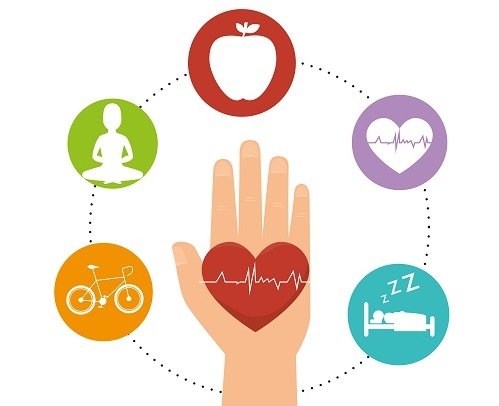
The Impact of Social Connections on Women's Mental Health
Welcome Back.
Updated at: 2023-08-05 23:02:31 (2 years ago by Melkisedeck Leon Shine)
๐ The Impact of Social Connections on Women's Mental Health ๐
1๏ธโฃ Introduction: As AckySHINE, I am here to shed light on the significant role that social connections play in women's mental health. ๐ธ๐ช
2๏ธโฃ The Power of Friendship: Having a strong network of friends has a profound impact on a woman's well-being. Meaningful friendships provide emotional support, reduce stress, and boost self-esteem. ๐บ๐
3๏ธโฃ Social Support: A study conducted by the American Psychological Association found that women who have a solid support system are more resilient in the face of adversity. Whether it's a shoulder to cry on or a cheerleader during achievements, friends provide the necessary emotional support. ๐ญ๐ค
4๏ธโฃ Shared Experiences: Women often encounter similar challenges, such as balancing work and family life, dealing with societal expectations, or navigating relationships. Connecting with others who share these experiences can be invaluable in finding understanding and guidance. ๐๐ค
5๏ธโฃ Building Confidence: Through social connections, women can build their confidence and self-worth. By surrounding themselves with positive influences, they can reinforce their belief in their abilities and embrace their uniqueness. ๐๐
6๏ธโฃ Breaking Isolation: Isolation can be detrimental to mental health, leading to feelings of sadness, anxiety, and even depression. By actively seeking and nurturing social connections, women can break free from isolation and find a sense of belonging. ๐๐
7๏ธโฃ Supportive Networks: Women's mental health can be positively influenced by joining supportive networks, such as women's groups or online communities. These spaces provide a safe environment for sharing experiences, seeking advice, and fostering connections with like-minded individuals. ๐๐ฉโ๐ฉโ๐งโ๐ง
8๏ธโฃ Empowerment through Mentorship: Mentorship is a powerful tool that can help women grow both personally and professionally. Having a mentor who can provide guidance, encouragement, and a listening ear can significantly impact mental well-being. ๐บ๐ฉโ๐ซ
9๏ธโฃ The Role of Social Media: While social media can serve as a platform for connecting with others, it's important to use it mindfully. As AckySHINE, I recommend using social media to foster genuine connections, rather than comparing oneself to others or seeking validation solely through likes and comments. ๐ฑ๐ฅ
๐ Quality Over Quantity: When it comes to social connections, it's not about the number of friends but the quality of those relationships. Having a few close and trustworthy friends is often more beneficial for women's mental health than a large but superficial network. ๐ธ๐ฏโโ๏ธ
๐ Mindful Communication: Effective communication is vital in maintaining healthy social connections. Active listening, empathy, and expressing oneself honestly and respectfully are key components to fostering deeper connections and promoting positive mental well-being. ๐ฃ๏ธ๐๐ฌ
1๏ธโฃ2๏ธโฃ Seeking Professional Help: Sometimes, despite having a strong social support system, women may require professional help to address mental health issues. AckySHINE strongly advises seeking therapy or counseling when needed. Professionals can provide additional support and guidance tailored to individual needs. ๐บ๐
1๏ธโฃ3๏ธโฃ Encouraging Physical Activities: Engaging in physical activities with social connections can have a dual benefit on women's mental health. Exercise releases endorphins, promoting positive emotions, while the social aspect adds an extra layer of enjoyment and motivation. ๐๏ธโโ๏ธ๐งโโ๏ธ๐
1๏ธโฃ4๏ธโฃ Balancing Alone Time and Socializing: While social connections are important, it is equally crucial to have time for oneself. AckySHINE recommends finding a healthy balance between socializing and enjoying solitude for self-reflection, relaxation, and rejuvenation. ๐๐ผ
1๏ธโฃ5๏ธโฃ Conclusion: In conclusion, social connections play a vital role in women's mental health. By fostering supportive friendships, seeking mentorship, and engaging in meaningful interactions, women can enhance their well-being, resilience, and overall happiness. ๐๐
Now, let me ask you this: What are your thoughts on the impact of social connections on women's mental health? How have your own social connections positively influenced your well-being? ๐บ๐ญ
Updated at: 2025-06-06 15:52:03 (7 months ago by Melkisedeck Leon Shine)
Pregnancy represents a profound physiological and psychological transformation. This comprehensive guide elucidates fifteen evidence-based strategies to promote optimal maternal well-being and ensure a positive pregnancy outcome, drawing upon established models in health psychology and nutritional science. Key concepts addressed include the biopsychosocial model, emphasizing the interconnectedness of biological, psychological, and social factors influencing health; the Health Belief Model, focusing on individual perceptions and behaviors influencing health choices; and the Transtheoretical Model of Change, recognizing the stages involved in adopting healthy behaviors.
1. Nutritional Optimization for Fetal Development: Adequate nutrition is pivotal for both maternal and fetal health. Applying principles of nutritional science, expectant mothers should prioritize a balanced diet rich in micronutrients. The recommended dietary intake (RDI) should be augmented with an emphasis on folate, iron, and omega-3 fatty acids, crucial for neural tube development and cardiovascular health. This aligns with the concept of nutritional programming, demonstrating the long-term impact of prenatal nutrition on offspring health. Regular monitoring of nutritional status by a healthcare professional is paramount.
2. Hydration Management: Maintaining adequate hydration is essential for physiological processes, including thermoregulation, nutrient transport, and waste elimination. The recommended daily fluid intake should be tailored to individual needs, considering factors such as climate, activity level, and potential edema. Sufficient hydration contributes to improved maternal comfort and reduces common pregnancy-related discomforts.
3. Physical Activity and Exercise Prescription: Moderate-intensity physical activity is strongly recommended, given its positive influence on both physical and mental health. Prenatal exercise regimens should be individualized, guided by established exercise guidelines for pregnant women and considering pre-existing conditions. This approach aims to mitigate pregnancy-related complications such as gestational diabetes and hypertension while promoting psychological well-being, as supported by the stress-buffering hypothesis.
4. Sleep Hygiene and Restorative Practices: Sufficient sleep is crucial for physiological restoration and immune function. Implementing sound sleep hygiene practices, including establishing regular sleep schedules and creating a conducive sleep environment, is paramount. Cognitive Behavioral Therapy for Insomnia (CBT-I) can be employed to manage sleep disturbances, common during pregnancy. Prioritizing rest promotes optimal physiological functioning and emotional resilience.
5. Elimination of Teratogenic Substances: Exposure to teratogens, substances causing fetal abnormalities, poses significant risks. Complete abstinence from tobacco, alcohol, and illicit drugs is mandatory. The Social Cognitive Theory highlights the role of self-efficacy and social support in behavioral change. Multifaceted interventions, including counseling and medication-assisted treatment, are vital in supporting cessation efforts.
6. Stress Management and Psychological Well-being: Pregnancy often presents psychosocial stressors. Proactive stress management strategies, such as mindfulness-based stress reduction (MBSR) and cognitive restructuring, are essential for mitigating stress's physiological and psychological impact. Social support networks play a crucial role in buffering against stress and promoting positive mental health outcomes. Seeking professional psychological support should be encouraged when needed.
7. Health Literacy and Informed Decision-Making: Empowering women with accurate information about pregnancy, childbirth, and postpartum care is crucial for informed decision-making. Health literacy initiatives, including prenatal education classes and accessible health resources, promote autonomy and facilitate active participation in healthcare decisions. This approach promotes shared decision-making, a cornerstone of patient-centered care.
8. Micronutrient Supplementation: Prenatal vitamins offer supplemental micronutrients potentially lacking in the diet. The selection and dosage of prenatal vitamins should be individualized based on nutritional needs and potential deficiencies. Supplementation optimizes the supply of essential nutrients crucial for fetal growth and development, minimizing the risk of micronutrient deficiencies.
9. Antenatal Care and Monitoring: Regular antenatal care visits enable continuous monitoring of maternal and fetal well-being. This proactive approach allows for early detection and management of potential complications, aligning with the principles of preventive medicine. Early interventions significantly improve pregnancy outcomes.
10. Vitamin D Optimization: Adequate vitamin D levels are crucial for both maternal and fetal bone health. Sunlight exposure (with appropriate sun protection) and/or supplementation, guided by serum 25-hydroxyvitamin D levels, ensures sufficient vitamin D intake.
11. Safe Travel Considerations: Travel safety during pregnancy requires awareness of potential risks. Following established safety guidelines, such as using appropriate safety restraints and taking regular breaks during long journeys, is imperative. Consultations with healthcare providers prior to travel, particularly in later stages of pregnancy, are essential.
12. Immune System Enhancement: Maintaining a robust immune system is crucial for preventing infections. This involves practicing good hygiene and adhering to recommended vaccination schedules for pregnant women. Boosting immune function mitigates the risk of infections impacting both the mother and the fetus.
13. Complementary and Integrative Approaches: While evidence supporting the efficacy of many complementary therapies during pregnancy is limited, certain natural remedies may alleviate pregnancy-related discomforts. However, consulting healthcare professionals before employing any complementary therapy is crucial to ensure safety and efficacy.
14. Social Support and Community Building: A strong support system consisting of family, friends, healthcare professionals, and support groups is essential. Social support mitigates stress, promotes emotional well-being, and enhances adherence to healthy behaviors.
15. Prioritizing Self-Care: Engaging in activities that promote relaxation and well-being is integral to maternal health. Prioritizing self-care, encompassing physical, emotional, and mental well-being, positively influences both maternal health and fetal outcomes.
Conclusions and Recommendations: Optimizing maternal well-being during pregnancy requires a holistic approach, integrating biological, psychological, and social factors. This guide emphasizes evidence-based strategies to enhance maternal and fetal health. Future research should focus on improving the accessibility and effectiveness of interventions targeting specific at-risk populations. Further research into the long-term effects of various self-care practices on offspring health could offer valuable insights. The integration of technology, such as telehealth platforms and mobile health applications, holds promise in enhancing the delivery of prenatal care and promoting self-management among expectant mothers. These recommendations highlight the need for a collaborative, patient-centered approach that empowers women to actively participate in their pregnancy journey.
Reader Pool: Considering the multifaceted approach outlined in this article, how can healthcare systems best integrate these recommendations into routine prenatal care to improve maternal health outcomes?
Updated at: 2023-08-05 23:02:40 (2 years ago by Melkisedeck Leon Shine)
Supporting Women with Endometriosis: Understanding and Coping
๐๏ธ Introduction: Endometriosis is a condition that affects millions of women worldwide, causing chronic pain and significant disruption to their daily lives. As AckySHINE, I am here to shed light on this often misunderstood condition and offer advice on how we can support and empower women with endometriosis.
1๏ธโฃ Educate yourself: The first step in supporting someone with endometriosis is to educate yourself about the condition. Learn about the symptoms, treatments, and the emotional impact it can have on women. By understanding the challenges they face, you can better empathize and provide the support they need.
2๏ธโฃ Be a good listener: Sometimes, all a person needs is someone who will listen without judgment. As AckySHINE, I recommend creating a safe space for women with endometriosis to share their experiences, frustrations, and fears. Be there to lend an ear and offer comfort when needed.
3๏ธโฃ Offer practical support: Living with endometriosis can be physically demanding. Simple gestures like helping with household chores, running errands, or offering to cook a meal can make a significant difference in a woman's life. Small acts of kindness go a long way in showing your support.
4๏ธโฃ Empower through knowledge: Encourage women with endometriosis to be proactive in managing their condition. Help them research treatment options, find support groups, and connect with healthcare professionals who specialize in endometriosis. By empowering them with knowledge, you help them take control of their health.
5๏ธโฃ Be patient and understanding: Living with chronic pain can be mentally and emotionally draining. As AckySHINE, I recommend being patient and understanding when a woman with endometriosis is having a difficult day. Offer support and reassurance, reminding them that you are there for them, no matter what.
6๏ธโฃ Be flexible: Endometriosis symptoms can vary from day to day. One day, a woman may feel perfectly fine, and the next day, she may be bedridden with pain. As a supportive friend or family member, it's essential to be flexible and adapt to these fluctuations. Understand that plans may need to change, and be understanding when adjustments need to be made.
7๏ธโฃ Avoid judgment and assumptions: Endometriosis is an invisible illness, meaning that just because a woman looks fine doesn't mean she isn't in pain. As AckySHINE, I advise against making assumptions or passing judgment based on appearances. Trust what the person is telling you about their pain and provide support without questioning its validity.
8๏ธโฃ Celebrate victories, big and small: Living with endometriosis can be a constant battle. As a friend or family member, it's crucial to celebrate the victories, no matter how small. Whether it's a good day with minimal pain or successfully completing a treatment, acknowledging and celebrating these moments can boost morale and show your unwavering support.
9๏ธโฃ Learn about pain management techniques: Chronic pain is a significant aspect of living with endometriosis. As AckySHINE, I recommend educating yourself about pain management techniques such as heat therapy, relaxation techniques, and medications that can provide relief. Discuss these options with your loved one and offer support in exploring what works best for them.
๐ Encourage self-care: Women with endometriosis often neglect their own self-care due to the demands of managing the condition. Encourage them to prioritize their well-being by engaging in activities they enjoy, practicing mindfulness, and taking time for themselves. Remind them that self-care is not selfish but necessary for their overall health and happiness.
1๏ธโฃ1๏ธโฃ Raise awareness: As a society, it is our responsibility to raise awareness about endometriosis. Share informative articles, participate in fundraisers, and engage in conversations that break the stigma surrounding this condition. By raising awareness, we can foster understanding and support for women with endometriosis.
1๏ธโฃ2๏ธโฃ Advocate for better healthcare: Endometriosis is often misdiagnosed or overlooked, leading to delayed treatment and unnecessary suffering for women. As AckySHINE, I encourage you to advocate for better healthcare by supporting organizations that focus on endometriosis research and lobbying for improved access to specialized care.
1๏ธโฃ3๏ธโฃ Offer emotional support: Living with endometriosis can take a toll on a person's mental and emotional well-being. As a supportive friend or family member, offer emotional support by validating their experiences, providing a shoulder to lean on, and reminding them that they are not alone in their journey.
1๏ธโฃ4๏ธโฃ Be a voice of encouragement: Living with endometriosis can be challenging, and there may be times when women feel discouraged or hopeless. As AckySHINE, I recommend being a voice of encouragement, reminding them of their strength and resilience. Let them know that you believe in them and their ability to cope with this condition.
1๏ธโฃ5๏ธโฃ Ask for their opinion: Lastly, it is essential to ask for the opinion and input of the women themselves. Acknowledge that they are experts in their own experiences and respect their choices and decisions regarding their health. By involving them in discussions and decision-making processes, you show that their voice matters.
In conclusion, supporting women with endometriosis requires understanding, empathy, and a willingness to educate ourselves about this condition. By implementing these strategies, we can create a supportive environment where women with endometriosis feel empowered to navigate their journey with confidence and resilience. Let us stand together and make a difference in their lives. ๐ธ
What are your thoughts on supporting women with endometriosis? How do you think we can improve the support system for them? Let me know in the comments below!
Updated at: 2025-05-14 13:01:20 (8 months ago by Melkisedeck Leon Shine)
Congratulations to expectant mothers embarking on this transformative journey! This comprehensive guide explores the crucial role of nutrition in ensuring a healthy pregnancy and optimal fetal development. We will examine key nutritional components, incorporating relevant theories and models to illustrate their practical application in real-world scenarios. Understanding the principles of balanced nutrition, alongside adherence to safe food handling practices, is paramount for both maternal and fetal well-being.
Key Concepts: This discussion will utilize the principles of the Dietary Reference Intakes (DRIs), a system for establishing recommended nutrient intakes, and the concept of nutrient synergy, where the combined effect of multiple nutrients surpasses the sum of their individual effects. We will also consider the application of the Health Belief Model, which emphasizes the role of individual perceptions and beliefs in influencing health behaviors, in relation to dietary choices during pregnancy.
Conclusions and Recommendations: Optimal maternal nutrition is fundamental for healthy fetal development and maternal well-being. Applying the DRIs, principles of nutrient synergy, and the Health Belief Model offers a framework for understanding and implementing effective nutritional strategies during pregnancy. Further research should explore the long-term impacts of nutritional interventions during pregnancy on child health outcomes and the role of cultural influences on dietary choices. Integrating culturally appropriate dietary advice can significantly improve adherence and impact pregnancy outcomes across diverse populations. Recommendations include individualized dietary plans, regular health check-ups, and ongoing support and education throughout pregnancy. Addressing socioeconomic barriers to access nutritious food is crucial to ensure equitable health outcomes.
Reader Pool: How can healthcare providers better leverage the Health Belief Model to improve adherence to nutritional guidelines among pregnant women across diverse populations?
Updated at: 2025-05-17 12:48:44 (8 months ago by Melkisedeck Leon Shine)
This article explores the crucial role of micronutrients and macronutrients in maintaining optimal health and vitality in women. We will examine the application of established nutritional principles to achieve a balanced dietary intake, focusing on key vitamins and minerals vital for various physiological processes. Key concepts such as the Dietary Reference Intakes (DRIs), the concept of nutrient density, and the role of antioxidants will be integrated throughout the discussion.
1. The Importance of a Balanced Macronutrient Intake: A foundational principle of healthy eating is achieving a balance of macronutrientsโcarbohydrates, proteins, and fats. The Dietary Reference Intakes (DRIs) provide guidance on recommended daily allowances for these macronutrients, tailored to age, activity level, and physiological status. Adequate carbohydrate intake provides sustained energy, while protein is essential for tissue repair and building, and healthy fats support hormone production and cellular function. Applying this, women should prioritize complex carbohydrates like whole grains (brown rice, quinoa) over refined sugars, lean protein sources (eggs, fish), and unsaturated fats from sources like nuts and avocados. This approach aligns with the principles of MyPlate, a visual guide promoting balanced meal composition.
2. Micronutrient Optimization for Physiological Processes: Beyond macronutrients, several micronutrients play pivotal roles in women's health. Iron, vital for red blood cell production, is particularly important due to menstrual blood loss; deficiency leads to anemia and fatigue. The bioavailability of iron can be enhanced by consuming it alongside Vitamin C-rich foods (oranges, peppers). This principle demonstrates the synergistic effects of different nutrients. Calcium is paramount for bone health, preventing osteoporosis later in life. Dairy, leafy greens, and fortified plant-based milks are excellent sources. Vitamin D, crucial for calcium absorption, can be obtained from sunlight exposure and supplements when necessary.
3. Antioxidant Protection and Immune Function: Antioxidants, abundant in fruits and vegetables (berries, carrots, leafy greens), combat oxidative stress by neutralizing free radicals. This is crucial in mitigating cellular damage and age-related decline. The concept of phytonutrients, bioactive compounds in plants, further strengthens this principle, as these compounds offer additional health benefits beyond basic vitamins and minerals. Beta-carotene (in carrots), for instance, converts to Vitamin A, important for immune function and vision.
4. Meeting Specific Nutritional Needs across Life Stages: Nutritional needs vary throughout a woman's life. Folate (vitamin B9), crucial for neural tube development, is especially important during pregnancy. Similarly, calcium and vitamin D requirements increase during pregnancy and lactation. This exemplifies the need for personalized dietary plans adjusted to life stage and physiological demands. Regular check-ups with healthcare professionals and registered dietitians can help tailor dietary strategies to meet these changing needs, highlighting the importance of personalized nutrition.
5. Addressing Potential Nutritional Deficiencies: While a balanced diet is ideal, some women may benefit from supplementation to address specific deficiencies. This should be done under the guidance of a healthcare professional to avoid potential interactions and excesses. Individualized approaches, such as using specific food combinations to enhance absorption or employing targeted supplementation, further enhance the effectiveness of the nutritional plan.
Maintaining optimal health and vitality for women necessitates a holistic approach to nutrition. A balanced diet rich in diverse fruits, vegetables, whole grains, lean protein sources, and healthy fats provides the foundation for adequate macronutrient and micronutrient intake. Addressing specific life-stage requirements and potential deficiencies through careful dietary planning and, when necessary, supplementation under professional guidance is essential. Further research is needed to explore the long-term effects of specific dietary patterns and supplement combinations on women's health across different demographics and life stages, potentially leveraging advanced analytical techniques like metabolomics to assess individual responses to nutrients.
Further research should explore the efficacy of personalized nutrition plans based on individual genetic predispositions and gut microbiome profiles. This integrated approach would revolutionize nutritional strategies, moving beyond generalized recommendations towards a truly individualized and preventative care model. By expanding our understanding of the interplay between genetics, environment, and nutritional intake, we can develop more effective and sustainable strategies for optimizing women's health and wellbeing across the lifespan.
Reader Pool: What are your perspectives on the role of personalized nutritional strategies in achieving optimal health outcomes for women, considering the diverse range of physiological and lifestyle factors involved?
Updated at: 2025-06-06 11:30:41 (7 months ago by Melkisedeck Leon Shine)
```htmlThe postpartum period, following childbirth, represents a significant physiological and psychological transition for women. This period is characterized by profound hormonal shifts, physical recovery from childbirth, and the immense responsibility of caring for a newborn. Understanding this complex interplay of biological, psychological, and social factors is crucial for developing effective support strategies that promote maternal well-being. This article will explore fifteen evidence-based approaches to support new mothers, drawing upon relevant theories of stress and coping, social support, and maternal mental health.
1. Promoting Social Support Networks and Reducing Perceived Stress: The transactional model of stress and coping posits that the experience of stress is influenced by both the stressor (e.g., newborn care demands) and the individual's appraisal of their resources to cope. Providing strong social support networks โ both formal (support groups) and informal (family and friends) โ significantly reduces perceived stress and improves coping mechanisms. This aligns with the buffering hypothesis, suggesting that social support mitigates the negative impact of stressors.
2. Facilitating Access to Practical Resources and Reducing Role Overload: The demands of infant care can lead to role overload, a state of feeling overwhelmed by multiple competing responsibilities. Practical assistance, such as meal preparation, childcare relief, and household chores, directly addresses this issue. This intervention aligns with the principles of stress reduction by lessening the burden on the new mother and enhancing her ability to manage daily tasks.
3. Encouraging Self-Care Practices and Promoting Resilience: Self-care is not a luxury but a necessity during the postpartum period. Encouraging activities that promote physical and mental well-being, such as rest, exercise, and mindfulness, fosters resilience โ the ability to bounce back from adversity. This approach is consistent with the salutogenic model, which focuses on factors that promote health and well-being rather than just the absence of disease.
4. Providing Comprehensive Education and Empowering Informed Decision-Making: Many women lack awareness of the normal physiological and psychological changes during the postpartum period. Providing evidence-based information on postpartum recovery, breastfeeding, and mental health helps equip them with the knowledge and confidence to make informed decisions. This approach promotes self-efficacy, the belief in one's ability to manage challenges effectively.
5. Destigmatizing the Postpartum Experience and Fostering Open Communication: The stigma surrounding postpartum challenges, such as depression and anxiety, can lead to feelings of isolation and shame. Openly discussing these issues normalizes the experience and encourages help-seeking behavior. This aligns with the principles of reducing stigma and promoting help-seeking in mental health.
6. Leveraging the Power of Peer Support Groups and Building Community: Participation in peer support groups offers a valuable avenue for social support and emotional validation. Sharing experiences with other mothers facing similar challenges reduces feelings of isolation and promotes a sense of community. This approach aligns with the social comparison theory, showing the benefits of comparing oneself to similar others facing the same challenges.
7. Providing Specialized Breastfeeding Support and Optimizing Lactation Success: For mothers choosing to breastfeed, access to lactation consultants and peer support is crucial. These professionals can offer personalized guidance and address breastfeeding challenges, promoting successful lactation and maximizing the benefits of breastfeeding for both mother and infant.
8. Engaging Family Members and Partners in Shared Caregiving and Reducing Parental Burden: Actively involving partners and family members in childcare and household tasks reduces the burden on the new mother and strengthens the family support system. This approach promotes shared responsibility and reduces the risk of postpartum burnout.
9. Facilitating Timely Access to Mental Health Services and Early Intervention Strategies: Postpartum depression and anxiety are serious conditions requiring timely diagnosis and intervention. Providing easy access to mental health services and encouraging help-seeking behavior are crucial for preventing more severe mental health complications. The use of screening tools can help in timely identification and interventions.
10. Fostering Positive Body Image and Self-Acceptance: The postpartum body undergoes significant transformations. Promoting positive body image and self-acceptance minimizes the risk of body image issues and fosters self-esteem. This leverages cognitive behavioral principles to help reshape negative thought patterns about body image.
11. Providing Childcare Respite and Enhancing Parental Well-being: Providing opportunities for mothers to have breaks from childcare allows them to rest, recharge, and engage in self-care activities. This approach aligns with stress reduction strategies and enhances parental well-being.
12. Offering Empathetic and Non-Judgmental Support and Creating a Safe Environment: Providing unconditional support and avoiding judgment creates a safe space for mothers to share their experiences and seek help without fear of criticism. This approach builds trust and fosters open communication.
13. Ensuring Adequate Nutritional Support and Promoting Postpartum Recovery: Proper nutrition is crucial for physical and mental recovery. Providing nutritious meals or meal delivery services ensures adequate nutritional intake and supports the healing process.
14. Offering Assistance with Newborn Care and Optimizing Parent-Infant Bonding: Assisting with newborn care tasks reduces the burden on the new mother and allows her to focus on bonding with her baby. This promotes secure attachment and positive parent-infant relationships.
15. Advocating for Supportive Public Policies and Improving Maternal Health Outcomes: Advocating for policies that support postpartum women, such as paid parental leave, accessible healthcare, and affordable childcare, improves maternal health outcomes and creates a more supportive society.
Conclusion and Recommendations: Postpartum support is a multifaceted endeavor requiring a collaborative effort from healthcare professionals, family members, community organizations, and policymakers. By integrating the approaches discussed above, we can create a more supportive environment that promotes maternal well-being and reduces the risk of postpartum complications. Future research should focus on the effectiveness of different support interventions in diverse populations and the development of culturally sensitive support programs. Further studies examining the long-term impact of postpartum support on maternal and child health are also needed. This holistic approach, combining practical assistance with emotional support and access to resources, is essential for ensuring the well-being of both mothers and their newborns, ultimately contributing to healthier families and communities.
Reader Pool: What are the most significant barriers to accessing comprehensive postpartum support services, and how can these barriers be effectively addressed to improve maternal well-being?
```
Updated at: 2025-06-01 11:51:35 (7 months ago by Melkisedeck Leon Shine)
Menopause, the natural cessation of a woman's reproductive years, is characterized by significant hormonal fluctuations and physiological changes. While a normal biological process, managing its associated symptoms and ensuring overall well-being necessitates a comprehensive strategy. This article explores the application of nutritional science to mitigate menopausal symptoms and improve quality of life during this transition, emphasizing the interplay between diet and holistic wellness. It's crucial to remember that individualized dietary recommendations should be guided by a healthcare professional or registered dietitian, considering personal health history and specific needs.
A cornerstone of managing menopausal symptoms is establishing a balanced dietary regimen. This involves consuming a diverse range of nutrient-dense foods, ensuring adequate intake of essential micronutrients and macronutrients to support physiological functions impacted by hormonal shifts. The following dietary strategies are based on established nutritional principles and their clinical application in managing menopausal health.
Menopause is often associated with accelerated bone mineral density loss, increasing the risk of osteoporosis. To counteract this, increasing calcium intake is paramount. This can be achieved through dietary sources such as dairy products (milk, yogurt, cheese), leafy green vegetables (kale, spinach), and fortified plant-based alternatives. The adequacy of dietary calcium intake should be assessed, and supplementation may be recommended under medical supervision, based on individual needs and bone density assessments. This aligns with the principles of preventative medicine and personalized nutrition.
Age-related muscle loss, or sarcopenia, is exacerbated during menopause due to hormonal changes. Sufficient protein intake is critical for muscle protein synthesis and maintenance of lean body mass, thus preserving strength and energy levels. Lean protein sources, including poultry, fish, legumes, tofu, and nuts, should be incorporated into the diet. The recommended daily allowance (RDA) of protein should be considered, and individual protein requirements can be calculated based on factors such as age, activity level, and overall health status using established nutritional assessment models.
Chronic inflammation plays a significant role in various menopausal symptoms, including hot flashes and joint pain. Omega-3 fatty acids, possessing anti-inflammatory properties, can alleviate these symptoms. Dietary sources like fatty fish (salmon, tuna, mackerel), flaxseeds, chia seeds, and walnuts should be regularly consumed. The effectiveness of omega-3 supplementation can be evaluated through biomarkers of inflammation, guiding personalized therapeutic strategies.
Fiber intake is crucial for maintaining regular bowel movements and preventing weight gain, both common concerns during menopause. Whole grains, fruits, vegetables, and legumes are excellent sources of fiber, contributing to satiety and improved gut microbiota composition. This approach aligns with principles of gut-brain axis interactions and their impact on overall well-being. Adequate fiber intake should be a dietary target, guided by established recommendations.
Oxidative stress increases during menopause, contributing to accelerated aging and cellular damage. Antioxidants, found abundantly in berries (blueberries, strawberries, raspberries), dark leafy greens, and colorful vegetables, neutralize free radicals and reduce oxidative stress. This strategy leverages the concept of cellular redox balance and its implications for healthspan and lifespan.
Phytoestrogens, plant-derived compounds with weak estrogenic activity, may alleviate certain menopausal symptoms by binding to estrogen receptors. Soy products (tofu, edamame), flaxseeds, and legumes are good sources. Itโs important to note that the efficacy of phytoestrogens varies significantly, requiring individual assessment and potential adjustment of dietary strategies.
Vitamin D is essential for calcium absorption and bone health, and plays a crucial role in immune function. While sunlight exposure is the primary source, dietary sources like fatty fish, fortified dairy, and egg yolks should be considered. Vitamin D levels can be assessed through blood tests, guiding the need for supplementation based on individual requirements and geographical location.
Iron deficiency anemia is more prevalent during menopause, leading to fatigue and reduced energy levels. Iron-rich foods like lean meats, poultry, fish, lentils, and fortified cereals are essential to maintain adequate iron stores. Hemoglobin levels should be monitored, and personalized strategies, including supplementation if necessary, should be implemented under medical guidance.
Healthy fats, such as monounsaturated and polyunsaturated fatty acids from avocados, nuts, seeds, and olive oil, are crucial for hormone production and the absorption of fat-soluble vitamins. These should be incorporated into a balanced diet, adhering to established dietary guidelines.
Adequate hydration is fundamental for numerous physiological processes. Sufficient water intake throughout the day is essential, limiting sugary drinks to minimize caloric intake and potential health complications.
Weight management is crucial throughout life, and especially during menopause. Mindful eating practices, alongside portion control, help regulate caloric intake and promote a healthy relationship with food. This strategy integrates behavioral and psychological approaches to dietary management.
Processed foods are typically high in unhealthy fats, added sugars, and sodium, hindering overall health. Prioritizing whole, unprocessed foods forms the foundation of a healthy dietary pattern, aligned with principles of nutritional epidemiology.
While optimal nutrition forms the cornerstone of managing menopausal health, a holistic approach is crucial. This includes regular physical activity, stress-reduction techniques (yoga, meditation), and sufficient sleep. These lifestyle factors synergistically enhance the benefits of nutritional interventions, contributing to improved overall well-being and a better quality of life.
Menopause represents a significant life transition that can be navigated effectively with a proactive, holistic approach. A well-planned nutritional strategy, personalized to individual needs and health status, plays a vital role in mitigating symptoms and improving quality of life. This involves maximizing intake of calcium, protein, omega-3 fatty acids, fiber, antioxidants, and other essential micronutrients. Furthermore, adopting a lifestyle that incorporates regular physical activity, stress management techniques, and sufficient sleep significantly enhances the effectiveness of nutritional interventions. Regular health monitoring, including blood tests to assess micronutrient levels and bone density, is recommended, enabling timely adjustments to the nutritional and lifestyle approach. Further research is needed to explore the specific interactions between different nutrients and menopausal symptoms, potentially identifying novel nutritional biomarkers and refining personalized dietary recommendations. The integration of nutritional science with other health disciplines, such as endocrinology and geriatrics, will further enhance the development of comprehensive, patient-centered strategies for managing menopausal health.
Reader Pool: What are your perspectives on the relative importance of dietary interventions versus lifestyle modifications in optimizing menopausal well-being?
Updated at: 2025-06-06 14:18:32 (7 months ago by Melkisedeck Leon Shine)
The parent-child relationship is a cornerstone of human development, characterized by immense joy, unwavering affection, and profound personal growth for both parent and child. Our fundamental objective as parents is to nurture the holistic development of our children, fostering their emotional, cognitive, and social well-being. However, the pressures of contemporary life frequently impede the establishment of genuinely meaningful connections with our offspring. Mindful parenting emerges as a robust strategy to address this challenge, strengthening the parent-child bond and enriching the familial experience. This approach integrates principles of mindfulness into the parenting paradigm, thereby promoting a more intentional and responsive parenting style.
In today's fast-paced and technologically saturated society, mindful parenting offers a vital counterbalance, empowering parents to actively engage with their children and cultivate deeper connections. The core tenet is not the pursuit of perfection but rather the cultivation of a more deliberate and present approach. By prioritizing the present moment, parents enhance their capacity to discern their children's emotional needs and respond with heightened empathy and compassion, thereby fostering secure attachmentโa concept central to Bowlby's attachment theory.
Mindful parenting transcends mere presence; it involves actively engaging with children in the present moment, observing their behaviors and emotions without judgment. It necessitates the cultivation of self-awareness, compassion, and a profound understanding of the child's internal world. This mindful approach establishes a nurturing environment that propels the child's emotional, cognitive, and social development. This aligns with developmental psychology theories emphasizing the role of secure attachment and responsive parenting in healthy child development.
The fundamental principle is the cultivation of full presence, affording children undivided attention. This conscious presence generates a secure environment where children feel seen, heard, and understood, fostering a sense of belonging and validation. It enables parents to respond to their children's needs with greater empathy and reduced reactivity, leading to more robust and harmonious relationships. This approach mirrors the principles of person-centered therapy, emphasizing empathy and unconditional positive regard.
Mindful parenting is an ongoing process, a journey of continuous adaptation and refinement within the unique context of each family. The key lies in integrating mindful practices into daily interactions, progressively transforming parenting styles. The following strategies facilitate the strengthening of the parent-child bond:
Mindful parenting offers a transformative approach to child-rearing, fostering profound and meaningful connections between parents and their children. By cultivating presence, active listening, compassionate communication, and a dedication to continuous growth, parents create a robust and enduring bond. It's a continuous learning journey, and the rewards are immeasurable. The benefits extend beyond the immediate parent-child dyad, positively influencing the entire family dynamic and creating a supportive and loving environment for years to come. The journey of mindful parenting is immensely rewarding, filled with opportunities for growth, connection, and enduring love.
This exploration of mindful parenting provides a framework for enhancing parent-child relationships. Further research could investigate the long-term effects of mindful parenting on child development and well-being, considering factors such as cultural variations and socioeconomic contexts. The implementation of mindful parenting strategies requires consistent effort and self-reflection, emphasizing the importance of ongoing training and support for parents.
Reader Pool: What are your perspectives on the applicability and limitations of mindful parenting strategies in diverse family structures and cultural contexts?
Updated at: 2025-06-06 16:21:13 (7 months ago by Melkisedeck Leon Shine)
```htmlOptimal health and vitality are paramount for women, significantly influenced by nutritional intake. This article examines the crucial role of micronutrientsโvitamins and mineralsโin achieving peak well-being, applying established nutritional principles and models to practical dietary strategies. We define key concepts such as bioavailability (the rate and extent to which a nutrient is absorbed and utilized), nutrient density (the concentration of nutrients relative to calorie content), and the concept of nutrient synergy (where the combined effect of multiple nutrients is greater than the sum of their individual effects).
The principle of dietary diversity is fundamental to achieving optimal micronutrient intake. Applying the food-based dietary guidelines, a wide variety of fruits, vegetables, whole grains, lean proteins, and healthy fats should form the base of a balanced diet. This strategy addresses the concept of nutrient density, maximizing nutrient intake per calorie consumed. For instance, incorporating a range of colorful fruits and vegetables ensures a broad spectrum of vitamins and minerals. Oranges provide Vitamin C, crucial for immune function and collagen synthesis; leafy greens offer iron, calcium, and folate for red blood cell production and bone health. Carrots, rich in beta-carotene (a provitamin A), support vision and immune function. Whole grains contribute B vitamins vital for energy metabolism. This approach leverages the principle of nutrient synergy; consuming these foods together enhances the absorption and utilization of individual nutrients.
Beyond fruits and vegetables, other food groups contribute significantly. Eggs provide high-quality protein along with B vitamins and iron, combating fatigue and supporting erythropoiesis (red blood cell formation). Berries, rich in antioxidants, protect against oxidative stress and promote healthy aging. Nuts and seeds provide essential fatty acids, fiber, and minerals such as magnesium, important for muscle function and bone health. Fatty fish offer omega-3 fatty acids, crucial for brain health, inflammation modulation, and cardiovascular health. This aligns with the concept of balanced nutrition, incorporating various food groups for a comprehensive nutrient profile.
Womenโs unique physiological processes necessitate specific micronutrient considerations. Calcium, critical for bone health throughout life, is abundant in dairy products, but plant-based alternatives or supplementation can address lactose intolerance. Vitamin D, essential for calcium absorption, can be obtained from sunlight exposure but may require supplementation, particularly in individuals with limited sun exposure. Iron deficiency is prevalent in women due to menstrual blood loss; this highlights the importance of consuming iron-rich foods, like lean meats, beans, and dark leafy greens, alongside vitamin C to improve absorption. This exemplifies the application of the bioavailablity concept.
Magnesium, vital for numerous physiological functions including blood pressure regulation and energy production, is readily available in spinach, almonds, and legumes. Potassium, important for blood pressure and heart health, is found in bananas and other fruits. Folate (vitamin B9) is crucial for women of childbearing age, preventing neural tube defects in fetal development, emphasizing the importance of proper micronutrient intake during pregnancy.
Optimal micronutrient intake is fundamental to women's health and vitality. A diverse and balanced diet, emphasizing whole, unprocessed foods, is the cornerstone of this approach. The principles of dietary diversity, nutrient density, and nutrient synergy should guide food choices. Individual needs vary across the lifespan; therefore, personalized dietary plans may be necessary. Consultation with registered dietitians or nutritionists offers tailored guidance, particularly for women with specific health concerns or those looking to optimize their micronutrient intake. Further research could explore the long-term effects of tailored micronutrient interventions on various health outcomes in women, and the development of effective strategies for improving micronutrient bioavailability. This could include studies on the effectiveness of food fortification strategies or targeted supplementation programs, addressing potential disparities in micronutrient intake across different populations of women. Moreover, investigating the interactions between micronutrients and other lifestyle factors, such as physical activity and stress levels, could provide a more comprehensive understanding of their impact on overall health.
Considering the multifaceted roles of micronutrients in women's health, what strategies do you believe are most effective for promoting optimal intake within diverse populations?
```
Updated at: 2023-08-05 23:00:20 (2 years ago by Melkisedeck Leon Shine)
The Role of Sleep in Women's Wellness
Sleep plays a vital role in our overall well-being, and this holds true for women as well. As AckySHINE, I am here to shed light on the importance of sleep in women's wellness and provide some valuable insights on how to ensure a good night's rest. So let's dive in and discover the wonders of quality sleep with a touch of cheerfulness! ๐
Sleep and Hormonal Balance: A good night's sleep is crucial for maintaining hormonal balance in women. Adequate rest helps regulate the production of hormones, such as cortisol and melatonin, which are vital for managing stress, mood, and reproductive health.
Enhanced Cognitive Function: Sufficient sleep boosts cognitive function and supports mental clarity. When women get enough rest, they experience improved memory, concentration, and problem-solving abilities, enabling them to excel in their personal and professional lives.
Weight Management: Lack of sleep has been linked to weight gain and increased risk of obesity in women. It disrupts hormones that regulate appetite and metabolism, leading to cravings for unhealthy food choices. Prioritizing quality sleep can help maintain a healthy weight and support overall wellness.
Skin Rejuvenation: Sleep is not just good for your internal well-being but also for your external appearance. When women sleep well, their skin cells regenerate, collagen production is boosted, and the skin's natural radiance shines through, keeping them looking fresh and rejuvenated.
Strengthened Immune System: Adequate sleep plays a critical role in maintaining a robust immune system. As AckySHINE, I recommend getting enough rest to help your body fight off infections, reduce inflammation, and promote faster recovery from illness.
Stress Reduction: Sleep is a natural stress reliever. When women sleep well, their bodies can recharge, and their minds can relax, reducing the negative effects of stress on their overall well-being. A good night's sleep can help keep stress at bay and improve mood and emotional resilience.
Reduced Risk of Chronic Diseases: Chronic conditions such as heart disease, diabetes, and hypertension are prevalent among women. By prioritizing quality sleep, women can reduce the risk of developing these diseases and maintain a healthy lifestyle.
Increased Energy Levels: Have you ever noticed how energized and motivated you feel after a refreshing night's sleep? Well, that's because sleep replenishes your energy levels, making you ready to take on the day with enthusiasm.
Improved Athletic Performance: Sleep is a secret weapon for women who engage in physical activity. It aids in muscle recovery, enhances coordination, and contributes to better overall athletic performance. So, if you're an active woman, never underestimate the power of a good night's sleep!
Emotional Well-being: Sleep plays a crucial role in regulating emotions and maintaining emotional well-being. When women are well-rested, they are better equipped to handle daily challenges, cope with stress, and maintain a positive outlook on life.
Menstrual Cycle Regularity: Adequate sleep can help regulate menstrual cycles and alleviate symptoms of premenstrual syndrome (PMS) in women. Quality rest allows the body to maintain hormonal balance, reducing the severity of PMS symptoms.
Improved Fertility: Sleep plays a vital role in female reproductive health. As AckySHINE, I recommend women aiming to conceive to prioritize adequate rest as it positively impacts hormone regulation and overall fertility.
Prevention of Mood Disorders: Insufficient sleep has been linked to an increased risk of mood disorders such as depression and anxiety in women. Prioritizing quality sleep can help prevent the onset of these conditions and contribute to a more stable emotional state.
Increased Productivity: When women have enough rest, they are more alert, focused, and productive. Quality sleep enhances cognitive abilities, creativity, and problem-solving skills, making women more efficient in their daily tasks.
Improved Quality of Life: Ultimately, prioritizing sleep contributes to an improved quality of life for women. It helps them feel physically and mentally recharged, balances their hormones, and supports their overall well-being.
In conclusion, sleep plays a crucial role in women's wellness. Prioritizing quality sleep can have a significant impact on their hormonal balance, cognitive function, weight management, skin rejuvenation, immune system, stress levels, and overall health. As AckySHINE, I recommend establishing a consistent sleep routine, creating a sleep-friendly environment, practicing relaxation techniques, and seeking professional help if insomnia or sleep disorders persist. Remember, a good night's sleep is the foundation of a healthy and vibrant life! ๐ด๐ช
What are your thoughts on the role of sleep in women's wellness? Do you have any personal experiences or tips to share? Let me know in the comments below!