Preventing and Managing Hypertension: Blood Pressure Control
Welcome Back.
Updated at: 2023-08-05 23:08:56 (2 years ago by Melkisedeck Leon Shine)
Preventing and Managing Hypertension: Blood Pressure Control
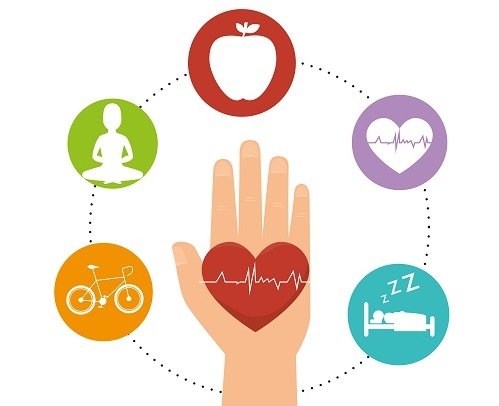
As AckySHINE, a health and wellness expert, I am here to provide you with valuable advice on preventing and managing hypertension, specifically focusing on blood pressure control. Hypertension, or high blood pressure, is a common health condition that affects millions of people worldwide. It is essential to take proactive steps to prevent and manage hypertension to ensure a healthier, happier life. Here are 15 points on how to achieve blood pressure control:
1οΈβ£ Understand your blood pressure: Start by knowing your blood pressure numbers. A normal blood pressure reading is typically around 120/80 mmHg. If your blood pressure consistently exceeds this range, you may be at risk of hypertension.
2οΈβ£ Monitor your blood pressure regularly: Regularly measuring your blood pressure at home can help you keep track of any changes or fluctuations. Use a reliable blood pressure monitor to get accurate readings.
3οΈβ£ Maintain a healthy weight: Excess weight puts additional strain on your heart and blood vessels, increasing the risk of hypertension. Aim to achieve and maintain a healthy weight through a balanced diet and regular exercise.
4οΈβ£ Engage in regular physical activity: Regular exercise, such as brisk walking, swimming, or cycling, can help lower blood pressure. Aim for at least 150 minutes of moderate-intensity aerobic activity per week.
5οΈβ£ Limit salt intake: High sodium intake can contribute to hypertension. As AckySHINE, I recommend reducing your salt consumption by avoiding processed foods, reading nutrition labels, and cooking meals at home using fresh ingredients.
6οΈβ£ Practice stress management techniques: Chronic stress can have a negative impact on blood pressure. Engage in stress-reducing activities such as meditation, yoga, deep breathing exercises, or engaging in hobbies you enjoy.
7οΈβ£ Limit alcohol consumption: Excessive alcohol intake can raise blood pressure. As AckySHINE, I advise limiting your alcohol consumption to moderate levels or avoiding it altogether to maintain healthy blood pressure levels.
8οΈβ£ Quit smoking: Smoking damages blood vessels and increases the risk of hypertension. Quitting smoking can significantly lower your blood pressure and improve overall cardiovascular health.
9οΈβ£ Eat a heart-healthy diet: A diet rich in fruits, vegetables, whole grains, lean proteins, and low-fat dairy products can contribute to better blood pressure control. Incorporate foods that are high in potassium, such as bananas and spinach, as they can help lower blood pressure.
π Limit caffeine intake: While moderate caffeine consumption is generally safe, excessive intake can temporarily raise blood pressure. It's best to limit your caffeine intake, especially if you're sensitive to its effects.
1οΈβ£1οΈβ£ Get enough sleep: Inadequate sleep can increase the risk of hypertension. Aim for seven to eight hours of quality sleep each night to promote healthy blood pressure levels.
1οΈβ£2οΈβ£ Manage chronic conditions: Certain medical conditions like diabetes and kidney disease can contribute to hypertension. As AckySHINE, I recommend managing these conditions effectively to reduce the risk of high blood pressure.
1οΈβ£3οΈβ£ Limit processed and fried foods: Processed and fried foods often contain unhealthy fats and high levels of sodium, both of which can raise blood pressure. Opt for healthier cooking methods, such as grilling, baking, or steaming, and choose whole foods over processed alternatives.
1οΈβ£4οΈβ£ Stay hydrated: Drinking an adequate amount of water throughout the day can help maintain healthy blood pressure levels. Proper hydration supports overall cardiovascular health and ensures optimal blood flow.
1οΈβ£5οΈβ£ Consult your healthcare provider: If you have concerns about your blood pressure or need assistance in managing hypertension, it's essential to consult your healthcare provider. They can provide personalized advice and recommend appropriate treatment options.
In conclusion, preventing and managing hypertension requires a proactive approach to blood pressure control. By incorporating these 15 points into your daily routine, you can significantly reduce the risk of hypertension and improve your overall health. Remember to consult your healthcare provider for personalized guidance and stay committed to a healthy lifestyle. Now, as AckySHINE, I would like to hear your thoughts and if you found this article helpful in managing your blood pressure. Share your opinion and feel free to ask any follow-up questions!
Updated at: 2023-08-05 23:11:33 (2 years ago by Melkisedeck Leon Shine)
Hair Care for Men: Tips for Healthy and Stylish Hair
Hey there, fellas! π Are you tired of having hair that looks dull and lifeless? Do you want to know how to achieve those luscious locks that make heads turn? Well, look no further! As AckySHINE, I am here to share some fantastic tips and tricks for healthy and stylish hair that will have you feeling confident and ready to take on the world. So, grab a seat, sit back, and let's dive into the wonderful world of hair care for men! πββοΈ
Find the right shampoo and conditioner: It's essential to choose products that suit your hair type. Whether you have oily, dry, or normal hair, selecting the right shampoo and conditioner will make a world of difference. Look for products that are specifically designed for men, as they often cater to different needs. π§΄
Wash your hair regularly: While it's tempting to skip a wash or two, keeping your hair clean is crucial for maintaining its health and freshness. Aim to wash your hair at least three times a week, or as often as needed. This will prevent the buildup of dirt, oil, and product residue that can weigh your hair down. πΏ
Don't forget to condition: Conditioning your hair is just as important as washing it. Conditioners help to restore moisture, add shine, and make your hair more manageable. Apply conditioner after shampooing and leave it on for a couple of minutes before rinsing it off. Your hair will thank you for it! πββοΈ
Protect your hair from heat: Excessive heat styling can damage your hair and lead to dryness and breakage. As AckySHINE, I recommend using heat protectant sprays before using any hot tools like hairdryers or straighteners. These sprays create a barrier that shields your hair from the damaging effects of heat. π¨
Trim regularly: Regular trims are essential for maintaining the health and shape of your hair. As AckySHINE, I suggest visiting a professional barber every 4-6 weeks to get rid of split ends and keep your hair looking neat and tidy. Plus, it's an excellent excuse for some much-needed relaxation and pampering! βοΈ
Embrace natural hair products: Natural hair products are a great option for men who want to avoid harsh chemicals. Look for products that contain ingredients like aloe vera, coconut oil, and shea butter, as they provide nourishment and hydration to your hair. Your hair will feel and look healthier than ever before! πΏ
Use a wide-toothed comb or brush: Using the right comb or brush can make a significant difference in the health and styling of your hair. Opt for a wide-toothed comb or brush to gently detangle your hair without causing breakage or damage. This will help keep your hair looking smooth and prevent any unnecessary hair loss. π οΈ
Moisturize your scalp: A healthy scalp is the foundation for healthy hair. As AckySHINE, I recommend moisturizing your scalp regularly to prevent dryness and flakiness. You can use a scalp oil or a moisturizing hair mask specifically designed for the scalp. Massage it in gently to stimulate blood flow and promote hair growth. πββοΈ
Limit the use of styling products: While styling products can give your hair that extra oomph, excessive use can weigh it down and make it look greasy. Use styling products sparingly and opt for lightweight options like gels or pomades instead of heavy waxes. Remember, less is more when it comes to styling your hair! πͺ
Protect your hair from the sun: Just like your skin, your hair can also suffer from sun damage. As AckySHINE, I recommend wearing a hat or using a leave-in conditioner with UV protection to shield your hair from harmful UV rays. This will help prevent dryness, color fading, and overall hair damage. βοΈ
Eat a balanced diet: We all know that a healthy diet is essential for overall well-being, but did you know that it also affects the health of your hair? As AckySHINE, I advise incorporating foods rich in vitamins A, C, and E, as well as omega-3 fatty acids into your diet. These nutrients promote hair growth and keep your hair strong and shiny. π₯¦
Be gentle with wet hair: Wet hair is more fragile and prone to breakage, so it's crucial to handle it with care. As AckySHINE, I recommend avoiding aggressive towel-drying or brushing your hair when it's wet. Instead, gently pat your hair dry with a towel and use a wide-toothed comb to detangle any knots. πΏ
Avoid excessive brushing: Over-brushing your hair can cause damage and frizz. As AckySHINE, I recommend brushing your hair only when necessary and using a brush with natural bristles. This will help distribute your hair's natural oils, giving it a healthier and shinier appearance. ποΈ
Get enough sleep: Believe it or not, sleep plays a vital role in the health of your hair. Lack of sleep can lead to increased hair loss and dullness. As AckySHINE, I recommend getting seven to eight hours of quality sleep each night to allow your hair to repair and rejuvenate itself. π΄
Stay hydrated: Hydration is key for healthy hair. Drinking enough water throughout the day keeps your hair hydrated from the inside out, making it less prone to dryness and breakage. So, as AckySHINE, I suggest carrying a water bottle with you and making it a habit to drink enough water daily. π§
Now that you have some fantastic tips for healthy and stylish hair, it's time to put them into action! Remember, consistency is key when it comes to hair care. Stick to a routine, choose the right products, and show your hair some love. Before you know it, you'll have hair that looks and feels amazing, boosting your confidence and style. So go ahead, give it a try, and let me know how it goes! What are your favorite hair care tips? Share your thoughts below! πββοΈβ¨
Updated at: 2025-06-01 10:23:44 (6 months ago by Melkisedeck Leon Shine)
```htmlSleep, a fundamental pillar of human health, allows for physiological restoration and cognitive rejuvenation. However, obstructive sleep apnea (OSA), a prevalent sleep disorder, significantly compromises sleep quality. This article provides a comprehensive overview of OSA, its management, and strategies for improving restorative sleep, drawing upon relevant medical concepts and models.
Obstructive sleep apnea (OSA) is characterized by recurrent episodes of complete or partial upper airway obstruction during sleep, leading to apneas (cessation of breathing) and hypopneas (decreased breathing). This intermittent hypoxia (reduced oxygen levels) and hypercapnia (increased carbon dioxide levels) disrupt sleep architecture, causing fragmented sleep and reduced sleep efficiency. The pathophysiology involves interplay of anatomical factors (e.g., narrowed airway, enlarged tonsils, obesity), neuromuscular dysfunction (decreased upper airway muscle tone), and potential genetic predispositions. The severity of OSA is assessed using the Apnea-Hypopnea Index (AHI), which quantifies the number of apneas and hypopneas per hour of sleep. OSA's impact extends beyond daytime sleepiness, affecting cardiovascular health, cognitive function, and overall quality of life, highlighting the need for effective management.
OSA frequently presents with symptoms including loud snoring, witnessed apneas (breathing pauses), excessive daytime sleepiness, morning headaches, impaired cognitive function (e.g., difficulty concentrating, memory problems), and irritability. These symptoms, often reported by bed partners, warrant a clinical evaluation. Polysomnography (PSG), a comprehensive sleep study, remains the gold standard for diagnosing OSA, objectively assessing sleep stages, breathing patterns, and oxygen saturation. This allows for precise AHI calculation and aids in treatment planning. Other diagnostic tools, such as home sleep apnea testing (HSAT), offer a more convenient, albeit less comprehensive, alternative.
OSA management typically involves a combination of lifestyle modifications, therapeutic interventions, and ongoing medical monitoring. This integrated approach aligns with the biopsychosocial model, addressing biological, psychological, and social factors contributing to the condition.
Weight management is paramount, as obesity significantly increases OSA risk. Weight loss, even modest amounts, can substantially improve symptoms. This aligns with the principles of metabolic health and its impact on respiratory function. Regular exercise, promoting healthy weight and improving respiratory muscle strength, is also crucial. Furthermore, minimizing alcohol consumption and avoiding sedatives before sleep is advised, as these substances relax pharyngeal muscles, exacerbating airway obstruction. This strategy is supported by evidence showing the negative impact of alcohol and sedatives on sleep quality and breathing patterns.
Creating a conducive sleep environment is essential for improved sleep quality. Sleeping on one's side rather than supine (on the back) position helps maintain airway patency. Ergonomic considerations extend to choosing a supportive mattress and pillow to promote proper spinal alignment and comfortable breathing. A dark, cool, and quiet bedroom minimizes environmental sleep disturbances and improves sleep hygiene.
Stress and anxiety can worsen OSA symptoms. Incorporating relaxation techniques like deep breathing exercises, mindfulness meditation, or progressive muscle relaxation into a pre-sleep routine can promote relaxation and improve sleep onset. This aligns with the principles of stress management and its positive impact on the autonomic nervous system. Limiting screen time before bed minimizes exposure to blue light, which interferes with melatonin production and circadian rhythm regulation. Establishing a regular sleep schedule further reinforces the body's natural sleep-wake cycle, promoting more regular and efficient sleep.
Continuous positive airway pressure (CPAP) therapy remains the first-line treatment for moderate to severe OSA. CPAP delivers a continuous flow of pressurized air through a mask, preventing airway collapse during sleep. Adherence to CPAP therapy is critical for efficacy. Oral appliances, custom-fitted devices that reposition the jaw and tongue, provide an alternative for mild to moderate OSA. Surgical interventions, such as uvulopalatopharyngoplasty (UPPP) or other procedures, may be considered in select cases, especially when anatomical abnormalities contribute significantly to OSA.
Regular follow-up appointments with a healthcare professional are essential for monitoring treatment efficacy, addressing any complications, and adjusting the treatment plan as needed. This allows for continuous assessment of AHI, symptom improvement, and overall health outcomes. Participation in support groups or online communities provides valuable emotional support and facilitates knowledge sharing among individuals managing OSA.
Effective OSA management necessitates a holistic and individualized approach that combines lifestyle adjustments, behavioral therapies, and potentially medical interventions. The integrated strategy presented, encompassing lifestyle modifications, sleep environment optimization, relaxation techniques, and medical treatments, aligns with a biopsychosocial model for comprehensive care. Further research is needed to explore the interplay of genetic and environmental factors in OSA development and to evaluate novel treatment approaches, particularly non-invasive interventions targeting neuromuscular dysfunction. The long-term impacts of untreated OSA on cardiovascular health and cognitive function underscore the importance of early diagnosis and comprehensive management. Personalized treatment plans, incorporating regular monitoring and patient support, are crucial for achieving optimal outcomes and improving the quality of life for individuals affected by this prevalent sleep disorder.
Reader Pool: Considering the multifaceted nature of OSA management presented in this article, what additional factors, beyond those discussed, should be considered for a truly comprehensive and personalized treatment approach?
```
Updated at: 2025-06-19 02:27:10 (5 months ago by Melkisedeck Leon Shine)
This article examines the critical role of hydration in optimizing men's health. We will explore the multifaceted benefits of adequate water intake, applying relevant physiological and psychological principles to elucidate its impact on various bodily systems and overall well-being. Key concepts discussed include homeostasis, the body's internal equilibrium; fluid balance, the precise regulation of water and electrolytes; and the synergistic effects of hydration on multiple physiological processes. Understanding these concepts allows for a comprehensive appreciation of the importance of consistent hydration.
This exploration of hydration's impact on men's health reveals its profound and multifaceted benefits, extending beyond mere thirst quenching. From optimizing cognitive function and supporting cardiovascular health to enhancing athletic performance and boosting the immune system, adequate hydration is crucial for holistic well-being. The application of principles of homeostasis, fluid balance, and physiological processes clarifies the mechanisms through which hydration exerts its beneficial effects. Further research could explore the optimal hydration strategies for specific demographic groups and health conditions. The findings strongly advocate for the incorporation of consistent hydration practices into daily routines for improved health outcomes and disease prevention.
Future research should focus on developing personalized hydration guidelines considering individual factors such as age, activity level, and climate. Longitudinal studies are necessary to establish clearer cause-and-effect relationships between hydration status and long-term health outcomes. Moreover, exploring innovative methods to promote hydration adherence, such as utilizing technological tools and behavioral interventions, will be vital in translating these findings into tangible public health improvements.
Reader Pool: What are your thoughts on the feasibility and efficacy of implementing large-scale public health interventions aimed at improving hydration levels in the male population?
Updated at: 2025-07-13 12:25:03 (4 months ago by Melkisedeck Leon Shine)
Sexual Health and Wellness: A Comprehensive Guide to Enhancing Vitality Sexual health and wellness form a cornerstone of overall well-being, significantly influencing an individual's quality of life and contributing to a more satisfying existence. This article aims to explore a holistic and integrated approach to maintaining sexual vitality, drawing upon well-established health and wellness models. Before delving into practical strategies, we will define key concepts: * **Libido:** Often referred to as sexual desire, it's the psychological drive that motivates sexual behavior. * **Sexual Function:** This encompasses the physiological aspects of sexual response, including arousal, orgasm, and resolution. * **Sexual Satisfaction:** A subjective measure of contentment with one's sexual experiences and relationships. The biopsychosocial model, which highlights the interplay of biological, psychological, and social factors in determining health outcomes, will serve as a guiding framework. This model acknowledges that sexual well-being is not solely a physical matter but is also deeply influenced by emotional, relational, and societal contexts. Here are strategies that promotes holistic approach to sexual health and wellbeing: 1. **The Foundational Role of Nutrition in Sexual Health:** A well-rounded and balanced diet serves as a cornerstone for supporting optimal sexual function. Consuming foods rich in essential nutrients, including antioxidants (found in dark chocolate and berries) and essential fatty acids (present in avocados and almonds), can significantly contribute to overall health and potentially enhance libido. This approach aligns with the principles of nutritional biochemistry, which emphasizes the crucial role of specific nutrients in various physiological processes within the body. A deficiency in essential vitamins and minerals can negatively impact hormone production and overall energy levels, potentially affecting sexual desire and performance. Individuals aiming to enhance their sexual well-being should consider incorporating foods like oysters (rich in zinc, vital for testosterone production), leafy green vegetables (containing nitrates that promote blood flow), and citrus fruits (packed with vitamin C, an antioxidant that supports overall health) into their diets. This aligns with the principles of [Nature-Based Solutions: Sustainable Resource Management for African Prosperity](https://mobile.ackyshine.com/post.php?post=106729), promoting health and well-being. 2. **The Impact of Physical Activity on Sexual Wellness:** Regular physical activity is not only vital for cardiovascular health but also plays a significant role in improving blood circulation, which is crucial for optimal sexual function in both men and women. Exercise helps to reduce stress hormones, thereby improving mood and potentially increasing libido. The benefits of regular exercise can be explained through the Health Belief Model, which emphasizes the perceived susceptibility to illness and the perceived benefits of preventive actions. Consistent exercise serves as a proactive measure to enhance sexual health and decrease the risk of related health issues. Consider incorporating exercises like brisk walking, jogging, swimming, or cycling into your routine to improve cardiovascular health and enhance blood flow. Strength training can also be beneficial as it helps boost testosterone levels, which are essential for sexual desire and function. 3. **The Importance of Sleep Hygiene for Sexual Vitality:** Adequate sleep is crucial for maintaining hormonal balance and overall well-being, directly impacting libido and sexual function. During sleep, the body replenishes energy stores and regulates hormonal systems essential for sexual health. Prioritizing sleep and establishing a conducive sleep environment is vital. This aligns with the sleep hygiene model, which emphasizes the importance of consistent sleep patterns and a comfortable sleep environment for optimal rest and recovery. Aim for 7-9 hours of quality sleep each night by establishing a relaxing bedtime routine, creating a dark and quiet sleep environment, and avoiding caffeine and alcohol before bed. 4. **Hydration's Role in Sexual Function:** Maintaining adequate hydration is essential for optimal bodily function, including sexual health. Proper hydration supports blood flow and lubrication, contributing to an improved sexual experience. Conversely, dehydration can negatively impact various bodily systems, including those involved in sexual response. Aim to drink at least eight glasses of water per day and increase your intake during physical activity or in hot weather. 5. **The Detrimental Effects of Smoking on Sexual Health:** Smoking significantly impairs cardiovascular health, reducing blood flow and increasing the risk of erectile dysfunction. Nicotine's vasoconstrictive effects constrict blood vessels, negatively affecting sexual function. Quitting smoking is essential for preserving overall health and enhancing sexual vitality. The theory of reasoned action suggests behavior is influenced by attitudes and subjective norms; therefore, understanding the negative impacts of smoking and cultivating a supportive environment are key to quitting. This also supports [Science-Based Lifestyle Strategies for Enhanced Longevity and Well-being](https://mobile.ackyshine.com/post.php?post=106716). 6. **Alcohol Consumption and Sexual Performance:** While moderate alcohol consumption may have occasional social benefits, excessive alcohol intake can impair sexual function and decision-making concerning sexual health and risk-taking. Excessive alcohol use can lead to decreased libido, erectile dysfunction, and impaired sexual performance. Responsible alcohol consumption is crucial for maintaining sexual well-being. 7. **Stress Management Techniques for Enhanced Sexual Wellness:** Chronic stress significantly impacts sexual desire and performance by interfering with hormonal balance and reducing libido. Stress management techniques, such as meditation, yoga, and deep-breathing exercises, can help regulate the hypothalamic-pituitary-adrenal (HPA) axis, which is central to the stress response. Reducing stress enhances overall well-being and sexual health. Implementing mindfulness practices, such as daily meditation or yoga, can significantly reduce stress levels and improve overall emotional regulation. These practices help to quiet the mind, reduce anxiety, and promote a sense of calm, which in turn can positively impact sexual desire and function. This aligns with proven strategies for thriving as seen in [Work-Life Harmony: Proven Strategies for Thriving in High-Pressure Careers](https://mobile.ackyshine.com/post.php?post=106728). 8. **The Impact of Pornography Consumption on Sexual Health:** Excessive pornography consumption can lead to unrealistic expectations, desensitization, and difficulties with intimacy in real-life relationships. A balanced approach to sexual stimuli is crucial for maintaining a healthy relationship with sex and preventing the development of unhealthy sexual patterns. This relates to operant conditioning, where repeated exposure to specific stimuli can modify responses and expectations. 9. **Sunlight Exposure and Vitamin D's Influence on Sexual Health:** Sunlight exposure promotes vitamin D synthesis, a crucial nutrient for various bodily functions, including sexual health. Vitamin D plays a role in hormone production and overall well-being, potentially influencing libido and sexual function. 10. **Communication and Intimacy in Sexual Relationships:** Open and honest communication is essential for a healthy sexual relationship. Partners should feel comfortable discussing desires, concerns, and preferences to enhance mutual satisfaction and intimacy. Effective communication is a cornerstone of successful intimate relationships. 11. **Beyond Sex: The Importance of Non-Sexual Intimacy:** Intimacy extends beyond sexual intercourse. Cuddling, kissing, and other forms of physical affection foster emotional connection and contribute to a strong relationship. These non-sexual displays of affection strengthen bonds and contribute to overall relationship satisfaction. 12. **Embracing Sexuality: A Positive Approach to Sexual Vitality:** A positive and accepting attitude toward sexuality is crucial for enhancing sexual well-being. Embracing one's sexuality and exploring desires without shame or guilt contributes to a fulfilling sexual life. This reflects the principles of self-acceptance and body positivity, emphasizing the importance of positive self-image and comfortable exploration of sexuality. 13. **The Value of Sexual Education and Knowledge:** Staying informed about sexual health, practices, and potential risks through education and seeking professional advice enhances understanding and decision-making. This empowers individuals to take control of their sexual health and make informed choices. 14. **Safe Sex Practices and STI Prevention:** Practicing safe sex, including the consistent use of barrier methods like condoms, is essential for preventing the transmission of sexually transmitted infections (STIs). Regular STI testing is also important for maintaining sexual health. 15. **Self-Reflection and Evaluation in Sexual Wellness:** Regular self-reflection on sexual experiences helps identify preferences, areas for improvement, and potential concerns. This promotes self-awareness and enables individuals to communicate their needs effectively to their partners, leading to a more fulfilling sexual life. This aligns with the concept of self-efficacy, where individuals' belief in their ability to control and change their behavior impacts outcomes. Self-reflection can involve journaling about sexual experiences, noting what aspects were enjoyable, what could be improved, and any feelings of discomfort or anxiety. This process can help individuals gain a deeper understanding of their own sexuality and communicate their needs more effectively to their partners. Moreover, consider incorporating [Mindful Communication: Resolving Relationship Conflict with Clarity and Calm](https://mobile.ackyshine.com/post.php?post=106684) to improve partner communication. **Conclusions and Recommendations:** This holistic approach highlights the intricate connection between physical, psychological, and social factors in shaping sexual health. Maintaining sexual vitality necessitates a proactive and multifaceted strategy that encompasses lifestyle choices, communication, and self-awareness. Key recommendations include incorporating regular physical activity, adopting a balanced diet, practicing effective stress management techniques, fostering open communication with partners, and seeking professional guidance when necessary. Further research could delve into the efficacy of specific interventions tailored to diverse populations, as well as explore the impact of cultural factors on sexual health practices. Integrating these strategies within broader health promotion initiatives could lead to significant improvements in overall well-being and sexual quality of life. **Reader Pool:** Considering the diverse cultural landscape, how can sexual health education be tailored to respect cultural norms while promoting comprehensive sexual well-being? **Reference** * [Nature-Based Solutions: Sustainable Resource Management for African Prosperity](https://mobile.ackyshine.com/post.php?post=106729) * [Work-Life Harmony: Proven Strategies for Thriving in High-Pressure Careers](https://mobile.ackyshine.com/post.php?post=106728) * [Science-Based Lifestyle Strategies for Enhanced Longevity and Well-being](https://mobile.ackyshine.com/post.php?post=106716) * [Mindful Communication: Resolving Relationship Conflict with Clarity and Calm](https://mobile.ackyshine.com/post.php?post=106684) * [Emotional Validation: A Key to Resolving Conflict and Strengthening Relationships](https://mobile.ackyshine.com/post.php?post=106687)
Updated at: 2025-02-25 16:21:37 (9 months ago by Melkisedeck Leon Shine)
Men experience depression at significant rates, yet societal expectations often prevent them from seeking help. This comprehensive guide explores the unique challenges men face, provides practical strategies for recognizing and addressing depression, and emphasizes the crucial role of seeking support for lasting well-being.
The societal pressure on men to be stoic and emotionally invulnerable creates a formidable barrier to seeking mental health support. This ingrained expectation prevents many from acknowledging their struggles and accessing necessary help. It's vital to challenge this harmful misconception. Seeking help is a testament to strength, demonstrating a commitment to self-care and well-being, not a sign of weakness.
Early recognition of depression symptoms is paramount to successful recovery. While individual experiences vary, common indicators include persistent sadness or low mood, loss of interest or pleasure in previously enjoyed activities (anhedonia), significant changes in appetite or sleep patterns (insomnia or hypersomnia), persistent fatigue or low energy, irritability or increased anger, feelings of worthlessness or excessive guilt, difficulty concentrating, remembering, or making decisions, and recurrent thoughts of death or suicide. If you or someone you know displays these symptoms for an extended duration (typically two weeks or more), professional evaluation is strongly recommended.
The reluctance to express vulnerability is a common obstacle for men struggling with depression. However, suppressing emotions only exacerbates the condition. Finding a safe and trustworthy confidant β a friend, family member, or mental health professional β is crucial. Sharing your struggles can foster a sense of understanding, validation, and support, facilitating the healing process and reducing feelings of isolation.
While support from loved ones is invaluable, professional guidance is often essential for effective treatment. Mental health professionals, including therapists, counselors, and psychiatrists, possess the expertise to accurately diagnose depression and create personalized treatment plans. They offer evidence-based therapies, such as cognitive behavioral therapy (CBT), interpersonal therapy (IPT), or other modalities, and can determine the necessity of medication. Don't hesitate to reach out; seeking professional help is a proactive step towards reclaiming your mental well-being.
Treatment for depression is not a one-size-fits-all approach. A holistic strategy often yields the best results, potentially including a combination of therapy, medication (antidepressants), lifestyle modifications, and participation in support groups. Finding the optimal combination requires patience and close collaboration with your healthcare provider. Regularly review and adjust your treatment plan as needed to maximize its effectiveness.
A healthy lifestyle plays a crucial role in mental well-being. Regular physical exercise, a balanced diet rich in fruits and vegetables, and adequate sleep are essential components. Engage in activities you enjoy, prioritize self-care, and practice stress management techniques such as mindfulness or meditation. These habits contribute to improved mood regulation and overall mental health.
A strong support network of family, friends, or support groups offers invaluable comfort and understanding. Connecting with others who share similar experiences can combat feelings of isolation and create a sense of belonging. Consider joining men's support groups or online communities dedicated to mental health; these spaces provide a safe environment for sharing experiences and learning effective coping strategies.
Understanding depression and mental health empowers you to take control of your well-being. Research reputable sources, attend workshops, or participate in online courses focused on mental health. Knowledge of the causes, symptoms, and treatment options allows you to make informed decisions about your care.
Setting realistic, achievable goals helps maintain momentum during recovery. Start with small, manageable goals and gradually increase the challenge as you progress. Celebrate each milestone; acknowledging achievements reinforces positive self-perception and fosters a sense of accomplishment.
Mindfulness practices, such as meditation and deep breathing exercises, are effective tools for stress reduction. Regular practice can manage anxiety and improve emotional regulation, contributing significantly to overall well-being. Incorporate these techniques into your daily routine to cultivate a calmer, more centered mindset.
Depression often leads to social withdrawal and isolation. Actively combat this by nurturing existing relationships and cultivating new connections. Participate in social activities, volunteer in your community, or join clubs and groups aligned with your interests. Social interaction reduces feelings of loneliness and fosters a sense of belonging.
Resist the temptation to self-medicate with alcohol or drugs. While these substances may provide temporary relief, they worsen depression in the long term and can lead to addiction. Focus on healthy coping mechanisms, such as exercise, mindfulness, and seeking professional support.
Practicing gratitude by focusing on positive aspects of your life can significantly improve your outlook. Keep a gratitude journal, express appreciation to others, and surround yourself with positive influences. This shift in perspective can counter negative thought patterns associated with depression.
Regularly monitor your progress. Maintain a journal to track your mood, identify triggers, and assess the effectiveness of your treatment plan. This self-monitoring allows you to make necessary adjustments and ensures you remain on the path to recovery. Regular check-ins with your therapist or doctor are crucial throughout this process.
Addressing depression and seeking help is an act of courage and self-care. Remember, you're not alone. Numerous resources are available to support you on your journey to recovery. Take that first step, reach out for help, and embrace the hope for a brighter, healthier future. Your well-being is paramount.
Share your thoughts and experiences in the comments below. Let's continue the conversation and break the stigma surrounding male depression together.
Updated at: 2025-05-25 10:57:43 (6 months ago by Melkisedeck Leon Shine)
Chronic pain, a persistent and debilitating condition, significantly impacts an individual's physical, psychological, and social well-being. This article explores a comprehensive, multimodal approach to managing chronic pain, integrating biomedical, psychosocial, and holistic interventions. Key concepts include the biopsychosocial model, which emphasizes the interconnectedness of biological, psychological, and social factors in pain experience; the gate control theory, explaining how the nervous system modulates pain signals; and the self-efficacy theory, highlighting the role of an individual's belief in their ability to manage their pain. This approach will provide readers with a framework for understanding and addressing their chronic pain effectively.
1. Comprehensive Medical Evaluation and Treatment Planning: Initiating a collaborative relationship with a healthcare professional specializing in pain management is paramount. A thorough medical assessment, incorporating diagnostic imaging and neurological examinations, is necessary to identify the underlying pathology contributing to the pain. This evaluation forms the foundation for developing an individualized treatment plan, potentially including pharmacological interventions (analgesics, antidepressants, anticonvulsants), guided by evidence-based guidelines and adhering to principles of rational polypharmacy. The plan's effectiveness will be assessed using validated pain scales (e.g., Visual Analog Scale, Numerical Rating Scale) and patient-reported outcome measures.
2. Therapeutic Exercise and Physical Rehabilitation: Contrary to the intuitive tendency to restrict activity, engaging in regular, appropriately-graded physical activity is crucial. Exercise, tailored to individual capabilities and supervised by a physiotherapist, enhances muscle strength, improves flexibility, and promotes endorphin release, acting as a natural analgesic. The principles of graded exercise therapy and neuromuscular re-education are applied to gradually increase activity levels and promote functional improvements. Aquatic therapy and other low-impact exercises may be particularly beneficial in reducing stress on joints.
3. Cognitive-Behavioral Therapy (CBT) and Pain Management Education: CBT addresses the psychological impact of chronic pain. This evidence-based approach challenges maladaptive thought patterns and beliefs concerning pain, promoting coping skills development and behavior modification. CBT techniques, such as cognitive restructuring and relaxation training, help patients to manage their pain more effectively. Furthermore, providing patients with comprehensive education regarding their condition, treatment options, and self-management strategies empowers them to actively participate in their care.
4. Holistic and Complementary Therapies: Integrating holistic approaches into the treatment plan can augment conventional interventions. Techniques such as mindfulness-based stress reduction, yoga, acupuncture, and massage therapy have demonstrated efficacy in reducing pain perception and improving overall well-being. The use of these therapies should be guided by qualified practitioners and used in conjunction with, not as a replacement for, medical management. The efficacy of these therapies is rooted in their influence on neuroendocrine pathways involved in stress and pain modulation.
5. Assistive Devices and Environmental Modifications: Utilizing assistive devices, such as ergonomic equipment, mobility aids (canes, walkers), and adaptive technology, can significantly improve daily functioning and reduce pain exacerbations. Environmental modifications, such as modifying furniture height or installing ramps, can create a more supportive and pain-friendly environment. These adaptations are crucial in optimizing daily activities, minimizing strain, and promoting independence.
6. Social Support and Community Engagement: The social support network plays a vital role in adapting to chronic pain. Encouraging patients to connect with support groups, family, friends, and community resources enhances emotional well-being and provides practical assistance. Social support serves as a crucial buffer against the isolation and distress frequently associated with chronic pain. Participating in supportive activities, even if limited in scope, helps maintain social connections and a sense of normalcy.
7. Self-Monitoring and Goal Setting: Maintaining a comprehensive pain diary, including pain intensity, triggers, and responses to interventions, assists in identifying patterns and informing treatment adjustments. Utilizing the principles of self-monitoring and goal setting facilitates proactive management and promotes a sense of control over the pain experience. The SMART goals framework (Specific, Measurable, Achievable, Relevant, Time-bound) can be used to guide this process. This provides a structure to plan, track, and celebrate even small victories.
8. Promoting Self-Efficacy and Positive Coping: Reinforcing the patient's belief in their ability to manage their pain is crucial for successful long-term management. Positive self-talk, visualization techniques, and celebrating milestones all contribute to building self-efficacy. This is aligned with Bandura's self-efficacy theory, demonstrating that a belief in one's capabilities significantly influences the outcomes of chronic illness management.
Conclusions and Recommendations:
Managing chronic pain effectively requires a comprehensive, patient-centered approach that integrates biomedical, psychological, and social interventions. The biopsychosocial model provides a strong theoretical foundation for this strategy, acknowledging the complex interplay of factors contributing to the patient's experience. Individualized treatment plans, incorporating a multimodal approach that combines medical management, physical therapy, CBT, holistic therapies, assistive devices, social support, and self-monitoring, offer the most promising outcomes. Further research should focus on exploring the effectiveness of integrated care models, optimizing treatment protocols for diverse pain conditions, and developing robust digital health tools to facilitate self-management and support patient engagement. The emphasis should always be on enhancing the patient's quality of life and promoting their active participation in their healthcare journey.
Reader Pool: Considering the multifaceted nature of chronic pain management discussed in this article, what additional strategies or interventions would you suggest for improving the holistic approach, enhancing patient self-efficacy, and optimizing treatment outcomes?
Updated at: 2025-07-14 14:11:01 (4 months ago by Melkisedeck Leon Shine)
```htmlGastrointestinal (GI) distress, characterized by symptoms like postprandial discomfort, bloating, heartburn, and chronic constipation, significantly impacts an individual's quality of life. These symptoms often stem from imbalances, or dysbiosis, within the gut microbiome β a complex ecosystem of microorganisms residing in the digestive tract. This comprehensive guide provides evidence-based strategies for cultivating a robust and balanced digestive system, promoting overall well-being. It will explore the application of nutritional, behavioral, and lifestyle interventions grounded in established principles of gastroenterology and nutritional science.
The concept of the gut microbiome is pivotal to understanding digestive health. It refers to the trillions of bacteria, fungi, viruses, and other microorganisms inhabiting the human digestive tract. Maintaining a diverse and balanced gut microbiome is crucial for optimal digestion, nutrient absorption, immune function, and even mental health, aligning with the concept of the gut-brain axis. Factors like diet, lifestyle, stress, and medication can significantly influence the composition and function of the gut microbiome.
1. Nutritional Optimization and the Gut Microbiome: A cornerstone of digestive health is the consumption of a diverse and nutrient-dense diet. Applying principles of balanced nutrition necessitates the inclusion of fruits, vegetables, whole grains, lean protein sources, and healthy fats. This approach, guided by the concept of macronutrient balance, ensures the provision of essential building blocks and dietary fiber necessary for gut microbial activity and optimal digestive function. Emphasis should be placed on minimally processed foods, reflecting the principles of dietary quality and reducing the intake of inflammatory compounds found in ultra-processed foods.
This strategy aligns with the concept of the gut-brain axis, highlighting the connection between gut health and cognitive function. A diet rich in fiber, for example, promotes the growth of beneficial bacteria that produce short-chain fatty acids (SCFAs), which have anti-inflammatory and neuroprotective effects. Conversely, a diet high in processed foods can lead to dysbiosis and increased inflammation, potentially affecting mood and cognitive function.
2. Hydration and Gastrointestinal Motility: Adequate hydration is paramount for efficient digestive processes. Water acts as a lubricant, facilitating the movement of chyme through the gastrointestinal tract, preventing constipation and promoting regular bowel movements. Consistent hydration throughout the day supports optimal gastrointestinal motility, a principle established in numerous studies. Recommended daily fluid intake varies but should be adjusted based on individual needs and activity levels, aligning with the principles of fluid balance and electrolyte homeostasis. Factors like climate, physical activity, and overall health status can impact individual hydration needs.
3. The Role of Physical Activity in Digestive Physiology: Regular physical activity is crucial not only for overall health but also for supporting digestive health. Exercise stimulates gastrointestinal motility through increased muscular activity, enhancing the propulsion of food along the digestive tract. This principle is supported by the concept of integrated physiological systems, recognizing the interconnectivity between different bodily systems. Regular exercise also aids in stress reduction, indirectly contributing to improved digestion through modulation of the gut-brain axis. Consider incorporating activities like brisk walking, jogging, or swimming into your routine. Even activities like yoga can be beneficial, as they may also help in Chronic Pain Relief.
4. Mindful Eating and Digestive Regulation: The practice of mindful eating involves paying attention to the sensory experience of consuming food, promoting thorough chewing and reducing the likelihood of overeating. This conscious approach aligns with the principles of satiety signaling and digestive efficiency, facilitating optimal digestion and nutrient absorption. Mindful eating promotes a greater awareness of bodily cues related to hunger and fullness, leading to more regulated food intake and minimizing digestive discomfort.
This technique leverages the concept of interoception, which is the ability to perceive internal bodily signals. By focusing on the taste, texture, and smell of food, individuals can enhance their awareness of satiety cues and avoid overeating, a key factor in promoting digestive health. Mindful eating can be particularly beneficial for individuals struggling with Irritable Bowel Syndrome (IBS) or other digestive disorders.
5. Probiotics and the Modulation of Gut Microbiota: The introduction of probiotics, live microorganisms with purported health benefits, can positively influence the composition and functionality of the gut microbiome. Incorporating probiotic-rich foods, such as yogurt, kefir, sauerkraut, and kimchi, or using probiotic supplements (under professional guidance), can contribute to a healthier gut ecosystem. This strategy aims at restoring microbial balance and enhancing the diversity of gut microbiota, thereby improving digestive function.
This concept is grounded in the principles of microbiome modulation and its therapeutic potential. Probiotics work by competing with harmful bacteria for resources, producing antimicrobial substances, and stimulating the immune system. However, it's crucial to select probiotic strains that are specifically tailored to address individual digestive issues and to consult with a healthcare professional before starting any new probiotic regimen. Fermented foods can also enhance Heart Health, contributing to overall wellbeing.
6. Minimizing the Consumption of Processed Foods: Limiting consumption of processed foods is essential. Processed foods often contain high levels of unhealthy fats, added sugars, and artificial additives, which can disrupt the delicate balance of the gut microbiome. Replacing processed foods with whole, unprocessed alternatives aligns with dietary principles that emphasize nutrient density and minimize the intake of potentially harmful substances, supporting dietary quality and promoting a healthier gut environment.
7. Stress Management and the Gut-Brain Axis: Chronic stress significantly impacts digestive health. Stress response pathways trigger physiological changes that can lead to digestive disturbances. Implementing stress-reduction techniques, such as deep breathing exercises, meditation, or yoga, fosters a calmer state and can alleviate digestive symptoms. This addresses the interplay between the central nervous system and the gastrointestinal tract, known as the gut-brain axis, highlighting the importance of psychological well-being in digestive health.
The concept of the gut-brain axis underscores the bidirectional communication between the brain and the gut. Stress can disrupt this communication, leading to changes in gut motility, inflammation, and microbial composition. Conversely, imbalances in the gut microbiome can influence brain function and contribute to anxiety, depression, and other mood disorders.
8. Sleep Hygiene and Digestive Function: Sufficient sleep is vital for overall health, including digestive health. Sleep deprivation can disrupt the normal rhythm of gastrointestinal function, potentially leading to problems like acid reflux and constipation. Aiming for 7-8 hours of quality sleep each night promotes the restoration of bodily systems, including the digestive system, thereby supporting optimal digestive function. This principle is supported by chronobiological concepts and the understanding of circadian rhythms. Establishing consistent sleep patterns and creating a relaxing bedtime routine can promote better sleep quality and improve digestive health.
9. Meal Frequency and Digestive Capacity: Consuming smaller, more frequent meals can alleviate the workload on the digestive system compared to three large meals per day. This strategy is based on the understanding that the digestive system works more efficiently when processing smaller amounts of food at a time. This approach supports digestive capacity and minimizes the risk of overeating, which can contribute to digestive discomfort. This aligns with the principles of digestive physiology, which suggests that smaller meals are easier to digest and absorb.
10. Identification and Avoidance of Dietary Triggers: Individual dietary intolerances can significantly impact digestive health. Common trigger foods include spicy foods, fatty foods, caffeine, and alcohol. Identifying and avoiding trigger foods is crucial in minimizing digestive distress. A process of elimination and careful observation of bodily responses is an effective method for identifying specific triggers. Keeping a food diary and tracking symptoms can help pinpoint potential triggers.
11. Dietary Fiber and Gastrointestinal Transit: Dietary fiber plays a critical role in facilitating healthy bowel movements and preventing constipation. Fiber increases stool bulk, promoting regular and efficient gastrointestinal transit. Increasing fiber intake through the consumption of fruits, vegetables, whole grains, and legumes is a key strategy in supporting regular bowel movements. Fiber also serves as a prebiotic, nourishing beneficial bacteria in the gut.
12. Vitamin D and Gut Health: Vitamin D plays an increasingly recognized role in maintaining gut health and immune function. Adequate Vitamin D levels can be achieved through sun exposure (with appropriate sun protection), or through supplementation as needed, particularly in individuals with limited sun exposure or during winter months. Vitamin D receptors are found throughout the digestive tract, suggesting its involvement in regulating gut inflammation and immune responses. Consider also reading about The Ultimate Guide to Men's Bone Health.
13. The Importance of Undistracted Eating: Eating in a calm and focused environment enhances digestion. Minimizing distractions during mealtimes promotes mindful eating, allowing for better digestion and nutrient absorption. Avoiding screens, reading materials, and other distractions during meals can improve focus and promote a more relaxed eating experience. You may also want to consider Leisure Activities for Well-being to transform Your Life and reduce stress levels.
14. Seeking Professional Medical Advice: Persistent or severe digestive issues require consultation with a healthcare professional. Early diagnosis and appropriate interventions are essential for managing and treating underlying digestive disorders. Conditions like IBS, Crohn's disease, and ulcerative colitis require specialized medical care and management. Early intervention can prevent complications and improve long-term outcomes.
15. Attentive Observation of Bodily Cues: Paying attention to the body's reactions to different foods enables a personalized approach to optimizing digestive health. Adjusting dietary choices based on individual responses promotes a healthy and balanced gut. Keeping a detailed food journal and noting any digestive symptoms can help individuals identify patterns and make informed dietary choices. This approach emphasizes the importance of self-awareness and personalized nutrition.
Conclusions and Recommendations: Optimizing digestive health requires a multi-faceted approach integrating nutritional strategies, lifestyle modifications, and stress management techniques. Concepts like microbiome modulation, mindful eating, and the gut-brain axis highlight the crucial interplay between diet, behavior, and digestive well-being. These concepts are applicable across various healthcare settings, promoting preventive and therapeutic approaches to digestive health.
Adopting a personalized approach is essential, considering professional guidance for persistent issues and prioritizing a holistic lifestyle that emphasizes nutritional optimization and stress reduction. The implications of these strategies extend to improved overall health, quality of life, and a reduced burden on healthcare systems. Moreover, promoting healthy eating habits and stress management techniques from a young age can establish a foundation for lifelong digestive well-being. Educating individuals on the importance of gut health and providing them with the tools to make informed choices can empower them to take control of their digestive health and improve their overall quality of life.
Further research is needed to fully elucidate the complex interactions within the gut microbiome and to develop targeted interventions for specific digestive disorders. Future research could explore the impact of specific dietary patterns, such as the Mediterranean diet or the ketogenic diet, on gut microbiome composition and digestive health outcomes. Investigating the role of novel probiotics and prebiotics in modulating the gut microbiome and improving digestive symptoms is also a promising area for future research. Additionally, exploring the potential of personalized nutrition approaches, based on individual gut microbiome profiles, to optimize digestive health is an exciting avenue for future investigation.
Reader Pool: Considering the presented strategies, what innovative technological solutions could be implemented to enhance the accessibility and effectiveness of personalized digestive health interventions, particularly in underserved communities?
Related posts
Updated at: 2025-05-29 10:46:20 (6 months ago by Melkisedeck Leon Shine)
Societal well-being is intrinsically linked to the health of its male population. This comprehensive guide outlines fifteen crucial strategies for men to proactively manage their health, leading to more fulfilling and productive lives. We will explore evidence-based approaches emphasizing the application of health behavior models and the importance of a collaborative relationship with healthcare providers. This proactive health management represents an investment in longevity, improved quality of life, and enhanced overall societal productivity.
Regular health screenings are paramount in early detection and prevention of diseases. This aligns with the principles of preventative medicine and the disease surveillance model, emphasizing proactive intervention rather than reactive treatment. Annual physical examinations should include age-appropriate screenings such as blood pressure, cholesterol, and blood glucose monitoring, tailored to individual risk factors and family history. Early detection significantly improves treatment outcomes and overall prognosis, exemplifying the effectiveness of the "upstream" approach in public health.
Optimal health is predicated on the synergistic effects of regular physical activity and a balanced diet. The Health Belief Model highlights the importance of perceived susceptibility and perceived severity in motivating health-promoting behaviors. The CDC's recommendations of at least 150 minutes of moderate-intensity aerobic exercise or 75 minutes of vigorous-intensity aerobic activity per week, combined with strength training twice weekly, are crucial for maintaining cardiovascular health and musculoskeletal strength. Simultaneously, adhering to a diet rich in fruits, vegetables, lean proteins, and whole grains, while minimizing processed foods and sugary drinks, optimizes metabolic function and reduces the risk of chronic diseases. This approach leverages principles of the Social Cognitive Theory, emphasizing the role of self-efficacy and environmental factors in shaping health behaviors.
Mental health is inextricably linked to physical health. The biopsychosocial model underscores the interconnectedness of biological, psychological, and social factors in influencing well-being. Stress management techniques, such as mindfulness-based stress reduction (MBSR) and cognitive behavioral therapy (CBT), can mitigate the negative impacts of chronic stress on both mental and physical health. Cultivating strong social connections, as emphasized by social support theory, provides a crucial buffer against stress and promotes emotional resilience. Seeking professional help when needed is a sign of strength and self-awareness, critical for navigating complex emotional landscapes.
Sufficient sleep is crucial for physiological and cognitive restoration. Sleep deprivation negatively impacts various physiological processes, impacting immune function, mood regulation, and cognitive performance. Adhering to a consistent sleep schedule, creating a relaxing bedtime routine, and ensuring a conducive sleep environment are essential. Addressing persistent sleep disturbances through consultation with a healthcare professional is vital for ensuring optimal sleep quality, consistent with the principles of restorative sleep theory.
Maintaining a healthy weight through a combination of regular exercise and balanced nutrition significantly reduces the risk of various chronic diseases. The Transtheoretical Model (Stages of Change) is crucial for understanding the process of weight management, which involves progressing through different stages of change. A holistic approach involves setting realistic goals, adopting sustainable lifestyle changes, and seeking support from healthcare professionals or registered dietitians. This ensures effective and long-term weight management strategies tailored to individual needs and circumstances.
Excessive alcohol consumption and smoking are significant risk factors for various health problems. The principles of harm reduction emphasize minimizing negative consequences associated with substance use. Limiting alcohol intake or abstaining altogether and quitting smoking drastically improves health outcomes and reduces the risk of chronic diseases like cardiovascular disease and cancer. Support groups and cessation programs can significantly enhance the success of these efforts.
Safe sexual practices are essential for preventing sexually transmitted infections (STIs). Consistent use of barrier methods (e.g., condoms) and regular STI screenings, especially for individuals with multiple partners, are critical for minimizing risks. Open and honest communication with partners about sexual health fosters mutual respect and responsibility. Applying the principles of the Health Belief Model can aid in promoting safe sexual practices.
Regular health screenings serve as a cornerstone of preventative healthcare. These include blood pressure checks, cholesterol tests, blood sugar tests, and cancer screenings as appropriate based on age, risk factors, and family history. These strategies adhere to the principles of evidence-based medicine and aim for early intervention to prevent or manage disease progression, improving overall health outcomes.
Regular testicular self-examinations are crucial for early detection of testicular cancer. Performing monthly self-checks allows for the identification of any abnormalities (lumps, changes in size or shape, or pain). Promptly seeking professional medical attention if abnormalities are detected is critical for improving treatment outcomes and overall survival rates.
Maintaining a healthy work-life balance is paramount for overall well-being. Adhering to workplace safety protocols, practicing ergonomic techniques, and managing workplace stress are essential for preventing burnout and injury. This aligns with the principles of occupational health and safety, emphasizing the importance of a safe and supportive work environment.
Open and honest communication with healthcare providers is vital for effective healthcare. Proactive communication about health concerns, symptoms, or questions ensures accurate diagnoses, appropriate treatments, and improved health outcomes. The patient-centered medical home model emphasizes the importance of this collaborative partnership in achieving optimal health results.
Developing effective coping mechanisms for stress is vital for building resilience. Utilizing techniques like mindfulness, deep breathing exercises, and engaging in enjoyable hobbies enhances emotional regulation and reduces the negative impact of stress on physical and mental health. This concept is central to resilience theory, emphasizing adaptability and recovery in the face of adversity.
Strong social support networks are essential for mental and emotional well-being. Actively engaging with family, friends, and community members offers a crucial buffer against stress and fosters a sense of belonging and social cohesion. This reflects the principles of social support theory and underscores the importance of positive social interactions for health and well-being.
Understanding personal health information and actively participating in healthcare decisions empowers individuals to manage their own health effectively. Promoting health literacy and self-advocacy enables men to navigate the healthcare system effectively and make informed decisions about their well-being. This concept is crucial for promoting patient autonomy and collaborative care.
Health optimization is an ongoing process that requires continuous learning and adaptation. Staying informed about health advancements, adopting new healthy habits, and making adjustments based on personal circumstances ensures ongoing progress toward optimal well-being. This reflects the principles of lifelong learning and self-improvement in health management.
Updated at: 2025-05-12 11:57:01 (6 months ago by Melkisedeck Leon Shine)
```htmlThis article explores the multifaceted relationship between mental and physical well-being, a concept central to holistic wellness. We will examine key principles and their practical applications, providing a comprehensive understanding of how cultivating a healthy mind-body connection can lead to improved overall health. We will define key concepts such as the biopsychosocial model, the stress-response system, and the gut-brain axis, illustrating their relevance to real-world experiences and practical applications for enhancing well-being.
The biopsychosocial model posits that health and illness are determined by a complex interplay of biological, psychological, and social factors. This model moves beyond a purely biomedical approach, acknowledging the significant influence of thoughts, emotions, and social environment on physical health. For instance, chronic stress, a psychological factor, can trigger the hypothalamic-pituitary-adrenal (HPA) axis, leading to the prolonged release of cortisol, a hormone associated with inflammation and various health problems. This illustrates the direct impact of psychological factors on biological processes. Furthermore, social support networks can act as a buffer against stress, highlighting the crucial role of social factors in maintaining health.
The concept of psychosomatic medicine directly addresses the connection between the mind and body. Positive psychology principles, emphasizing the cultivation of positive emotions such as gratitude, optimism, and resilience, are supported by research demonstrating a correlation between these traits and enhanced immune function and faster recovery from illness. Conversely, negative emotions like anxiety and depression are linked to increased risk of cardiovascular disease, weakened immune response, and accelerated aging. This reinforces the importance of cultivating a positive mental outlook as a cornerstone of holistic wellness.
Effective stress management techniques are crucial for maintaining the mind-body connection. Mindfulness-based stress reduction (MBSR), which involves focused attention on the present moment without judgment, has demonstrated efficacy in reducing stress hormones, improving cardiovascular health, and promoting emotional regulation. Other evidence-based techniques such as progressive muscle relaxation and yoga further support this claim, showcasing their ability to impact the physiological response to stress, thereby mitigating its negative consequences on physical health.
The gut-brain axis, referring to the bidirectional communication pathway between the gastrointestinal tract and the central nervous system, is a significant area of research in the field of mind-body connection. The gut microbiome, the vast community of microorganisms residing in the intestines, profoundly influences both physical and mental health. Studies indicate that a diverse and balanced gut microbiome is associated with reduced inflammation, improved mood, and decreased risk of mental health disorders, underscoring the importance of gut health in overall well-being. A diet rich in prebiotics and probiotics supports a healthy gut microbiome.
Chronic pain, often characterized by a complex interplay of physical and psychological factors, benefits from a mind-body approach to management. Cognitive behavioral therapy (CBT), a widely used psychological intervention, helps individuals challenge maladaptive thoughts and behaviors related to pain, leading to improved pain tolerance and reduced disability. Furthermore, techniques like mindfulness and visualization, by altering pain perception and emotional responses, contribute significantly to pain management strategies, demonstrating the powerful influence of the mind on physical sensation.
Holistic therapies, such as acupuncture, aromatherapy, and Reiki, emphasize a whole-person approach to healing. While the mechanisms of action are often not fully understood, these therapies aim to restore balance and harmony within the body. Research suggests these practices can promote relaxation, reduce stress hormones, and improve overall sense of well-being. This underscores their value as complementary interventions, often used in conjunction with conventional medical approaches.
Nutrition, physical activity, and social connections are pivotal components of a holistic wellness plan. A balanced diet provides essential nutrients for optimal brain function and physical health, while regular physical activity releases endorphins and reduces stress. Social support, a critical element of the biopsychosocial model, enhances resilience, protects against stress, and promotes emotional well-being. These factors, when integrated effectively, reinforce the mind-body connection, contributing to a synergistic improvement in overall health.
Self-care, often perceived as a luxury, is a fundamental aspect of holistic wellness. Engaging in activities that promote relaxation, stress reduction, and emotional regulation is essential for maintaining a healthy mind-body connection. Moreover, adequate sleep is crucial; sleep deprivation negatively impacts mood, cognitive function, and physical health. Establishing a consistent sleep schedule and practicing relaxation techniques before bed are vital for optimizing sleep quality and its associated benefits.
In today's technologically advanced world, mindful use of technology is crucial. Excessive screen time can contribute to stress, sleep disturbances, and social isolation, hindering holistic wellness. Setting boundaries, incorporating digital detox periods, and prioritizing face-to-face interactions are essential strategies. Finally, seeking professional support from mental health professionals, holistic practitioners, or wellness coaches is crucial if one struggles to manage stress, maintain a healthy lifestyle, or address underlying mental health challenges. Timely intervention can prevent further complications and support a more effective path towards holistic wellness.
The mind-body connection is not merely a concept but a fundamental principle underpinning holistic wellness. A comprehensive approach, incorporating stress management techniques, lifestyle modifications, and, when necessary, professional support, can profoundly impact overall health and well-being. Future research should focus on further elucidating the intricate mechanisms governing the mind-body connection, developing more personalized interventions, and evaluating the long-term efficacy of holistic approaches in diverse populations. This holistic approach, integrating physical and mental health strategies, offers a powerful pathway towards optimal well-being. The integration of evidence-based psychological interventions, lifestyle changes, and complementary therapies can contribute significantly to improved health outcomes. Further research is needed to explore the effectiveness of various interventions across diverse demographics and health conditions.
Reader Pool: Considering the presented concepts and research, how can organizations and healthcare systems better integrate a holistic mind-body approach into mainstream healthcare practices?
```