
Longevity and Outdoor Activities: Embracing Nature's Gifts
Welcome Back.
Updated at: 2023-08-06 00:27:23 (2 years ago by Melkisedeck Leon Shine)
Longevity and Outdoor Activities: Embracing Nature's Gifts ππ³π΄ββοΈπΊ
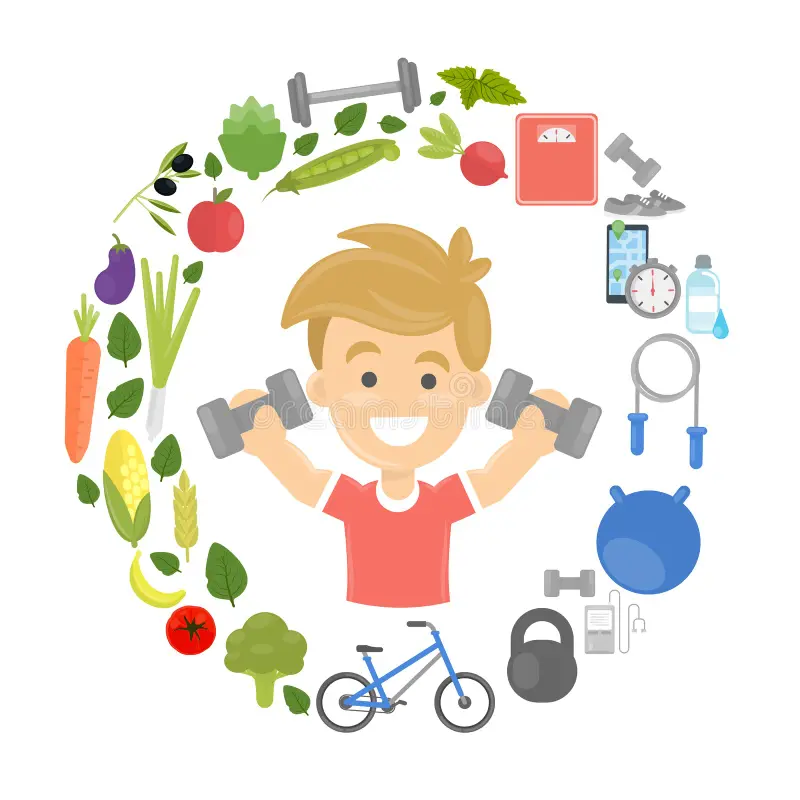
In this fast-paced world, where technology dominates our lives, it's important to take a step back and appreciate nature's gifts. Embracing outdoor activities not only allows us to reconnect with the world around us, but it also has numerous benefits for our physical and mental well-being. As AckySHINE, I advise you to make time for outdoor activities and let nature work its magic. Here are 15 reasons why you should embrace outdoor activities for longevity:
Fresh Air and Sunshine βοΈ: Spending time outdoors allows us to breathe in fresh air and soak up the sun's vitamin D. This not only boosts our immune system but also improves our mood and overall well-being.
Stress Relief π: Engaging in outdoor activities like hiking, biking, or even gardening can help reduce stress levels. The serene beauty of nature has a calming effect on our minds, promoting relaxation and reducing anxiety.
Physical Fitness πͺ: Outdoor activities provide a fun and engaging way to stay active. Whether it's going for a run, playing a sport, or practicing yoga in the park, embracing nature enhances our physical fitness and helps maintain a healthy lifestyle.
Increased Vitamin Intake π: Exploring the great outdoors often leads to encounters with a variety of fruits, such as berries, that are rich in vitamins and antioxidants. These natural sources of nutrition provide essential nutrients for our body.
Enhanced Mental Clarity π§ : Spending time in nature has been proven to improve our cognitive function and enhance mental clarity. It allows us to disconnect from the constant bombardment of information and find clarity of thought.
Improved Sleep π€: The exposure to natural light and physical activity during outdoor activities can regulate our circadian rhythm, promoting better sleep patterns. A good night's sleep is essential for maintaining a healthy lifestyle and longevity.
Social Connections π₯: Outdoor activities often bring people together, fostering social connections and creating opportunities for new friendships. Joining a hiking group, for example, can not only improve your fitness but also expand your social circle.
Increased Creativity π¨: Nature has a way of inspiring creativity. Being surrounded by natural beauty can stimulate our imagination and spark innovative ideas. Take a walk in the park and see how it positively impacts your creativity.
Improved Heart Health β€οΈ: Engaging in outdoor activities, such as brisk walking or cycling, strengthens our cardiovascular system. It reduces the risk of heart disease, lowers blood pressure, and improves overall heart health.
Mental Resilience πͺ: Overcoming challenges in outdoor activities, such as climbing a mountain or conquering a difficult trail, builds mental resilience and boosts self-confidence. These skills are essential for long-term success in life.
Boosted Immune System π€: Regular exposure to nature can strengthen our immune system, reducing the risk of allergies and illnesses. The natural environment exposes us to a variety of beneficial microbes that enhance our body's defense mechanisms.
Increased Vitamin D Levels βοΈ: Vitamin D deficiency is a common health issue, and spending time outdoors is an excellent way to address it. Vitamin D is essential for bone health, immune function, and overall well-being.
Decreased Risk of Chronic Diseases π©Ί: Engaging in outdoor activities lowers the risk of chronic diseases such as obesity, diabetes, and certain types of cancer. It promotes a healthier lifestyle and helps prevent these debilitating conditions.
Enhanced Overall Happiness π: Being outdoors and immersing ourselves in nature boosts our mood and enhances overall happiness. The beauty of nature has a way of making us feel alive and grateful for the world around us.
Longevity π±: By embracing outdoor activities, we can improve our overall health and well-being, leading to a longer and more fulfilling life. The combination of physical activity, fresh air, and the beauty of nature all contribute to a healthier and happier existence.
In conclusion, as AckySHINE, I recommend embracing outdoor activities to enhance longevity and experience the incredible gifts that nature offers. So go ahead, grab your hiking boots, hop on your bicycle, or simply take a stroll in the park. Your body and mind will thank you for it! π³π΄ββοΈπΊ
What are your favorite outdoor activities? How do they contribute to your overall well-being? Share your opinions and experiences in the comments below!
Updated at: 2023-08-06 00:26:06 (2 years ago by Melkisedeck Leon Shine)
The Role of Faith in Aging: Finding Spiritual Comfort
As AckySHINE, I am passionate about exploring the various aspects of life that contribute to our overall well-being and happiness. One aspect that I believe plays a crucial role in aging gracefully is faith and spirituality. In this article, I will delve into the importance of faith in the aging process and how it can bring comfort and solace to individuals as they navigate through the later stages of life. So, grab a cup of tea β and let's embark on this enlightening journey!
Faith Provides a Sense of Purpose: As we age, it is natural to contemplate the purpose of our existence. Faith provides a guiding light, giving us a sense of purpose and meaning in life. It helps us understand that we are part of something greater than ourselves and that our lives have a deeper significance.
Faith Offers a Support System: Aging can sometimes be accompanied by feelings of isolation and loneliness. However, having a strong faith community can provide a support system that offers companionship, understanding, and empathy. This network of believers can be a source of comfort and strength during challenging times.
Faith Promotes Emotional Well-being: Spirituality has been linked to improved emotional well-being among older adults. Engaging in religious practices, such as prayer π and meditation, can bring a sense of peace and tranquility, reducing stress and anxiety levels.
Faith Provides a Moral Compass: As we age, we may face ethical dilemmas and decisions. Faith can serve as a moral compass, guiding us in making choices that align with our values and beliefs.
Faith Fosters Resilience: Life can throw unexpected challenges our way, especially as we get older. Faith can help us develop resilience, enabling us to bounce back from adversity and find strength in our spiritual beliefs.
Faith Instills Hope: Aging can bring about fears and concerns about the future. However, faith instills hope, reminding us that there is always a brighter tomorrow. Belief in a higher power and an afterlife can provide comfort and solace during times of uncertainty.
Faith Enhances Social Connections: Many religious communities offer opportunities for social interaction and engagement. These connections can help combat feelings of loneliness and enhance overall well-being as we age.
Faith Encourages Personal Growth: Faith encourages us to continually grow and evolve as individuals. It provides a framework for self-reflection and self-improvement, fostering personal growth throughout the aging process.
Faith Provides Rituals and Traditions: Religious rituals and traditions can provide a sense of continuity and stability as we age. Celebrating holidays, attending religious services, and participating in sacred ceremonies can bring a sense of joy and purpose to our lives.
Faith Cultivates Gratitude: Gratitude is a powerful emotion that can positively impact our overall well-being. Faith encourages us to count our blessings and be thankful for what we have, fostering a sense of contentment and fulfillment.
Faith Offers Comfort in Grief: As we age, we inevitably experience the loss of loved ones. Faith can provide solace and comfort during times of grief, offering support through religious rituals and the belief in an afterlife.
Faith Inspires Volunteerism: Many faith-based organizations actively promote volunteerism and giving back to the community. Engaging in acts of service can bring a sense of purpose and fulfillment, benefiting both the individual and society.
Faith Fosters Intergenerational Connections: Religious communities often bring people from different age groups together. This intergenerational interaction can promote understanding, empathy, and the sharing of wisdom between older and younger individuals.
Faith Provides a Sense of Belonging: Belonging to a faith community can create a sense of belonging and acceptance. This feeling of belonging can be particularly important as we age and may experience changes in our social circles.
Faith Encourages Reflection on Life's Journey: Aging is a time for reflection and introspection. Faith encourages us to reflect on our life's journey, the lessons we have learned, and the legacy we want to leave behind.
In conclusion, faith plays a significant role in the aging process by providing a sense of purpose, emotional well-being, resilience, and hope. It offers a support system, moral guidance, and opportunities for personal growth and gratitude. Engaging in religious practices and being part of a faith community can bring comfort and solace to individuals as they navigate through the later stages of life. So, as AckySHINE, I recommend exploring and nurturing your faith as you age, as it can bring immense spiritual comfort and enrich your overall well-being.
What are your thoughts on the role of faith in aging? Do you believe it can provide spiritual comfort? Share your opinion below! π
Updated at: 2023-08-06 00:27:57 (2 years ago by Melkisedeck Leon Shine)
Emotional Wellness in Aging: Coping with Life Transitions
Aging is a natural part of life that brings about various changes and transitions. As we age, we may experience physical, mental, and emotional shifts that can impact our overall well-being. It is essential for individuals to prioritize emotional wellness in order to navigate these life transitions with resilience and positivity. In this article, I, AckySHINE, will be discussing the importance of emotional wellness in aging and provide practical tips on how to cope with life transitions.
Acceptance and self-compassion: Acknowledge and accept the changes that come with aging. Embrace self-compassion by treating yourself with kindness and understanding. π
Seek social support: Surround yourself with a network of friends, family, or support groups who can offer emotional support. Social connections can help reduce feelings of loneliness and provide a sense of belonging. π€
Maintain a positive mindset: Focus on the positives in life and practice gratitude. Emphasize the things you can control and let go of those you cannot. This mindset shift can lead to increased happiness and emotional well-being. π
Engage in regular physical activity: Exercise has been shown to boost mood and reduce symptoms of anxiety and depression. Incorporate activities that you enjoy, such as walking, dancing, or gardening. πΆββοΈππ·
Practice mindfulness and relaxation techniques: Engaging in mindfulness exercises, such as meditation or deep breathing, can help reduce stress and promote emotional well-being. Take time to unwind and prioritize self-care activities. π§ββοΈπΌ
Stay intellectually stimulated: Engage in activities that challenge your mind, such as reading, puzzles, or learning new skills. This can help maintain cognitive function and provide a sense of purpose. ππ§©
Embrace life transitions: View life transitions as opportunities for growth and new experiences. Embrace change with an open mind and look for ways to adapt and thrive. π
Set realistic goals: Break down larger goals into smaller, manageable tasks. This can help provide a sense of achievement and motivation as you work towards your objectives. π―
Prioritize self-care: Take care of your physical, mental, and emotional well-being. Engage in activities that bring you joy and make time for relaxation and self-reflection. Remember to prioritize your own needs. πββοΈπ
Seek professional help if needed: If you find yourself struggling with emotional well-being during life transitions, do not hesitate to seek professional help. Therapists and counselors can provide guidance and support tailored to your specific needs. π€π
Stay connected with your passions: Revisit activities or hobbies that bring you joy and fulfillment. Engaging in activities you love can help maintain a sense of purpose and boost emotional well-being. π¨β½οΈπ΅
Plan for the future: Take time to reflect on your goals and aspirations for the future. This can provide a sense of direction and purpose, even during life transitions. Set realistic expectations and create a plan to achieve your desired outcomes. ππ
Embrace a healthy lifestyle: Maintain a balanced diet, get enough sleep, and limit unhealthy habits such as smoking or excessive alcohol consumption. A healthy lifestyle can contribute to improved emotional well-being. ππ€π
Stay connected with loved ones: Nurture and maintain relationships with family and friends. Regular communication and quality time spent together can provide a strong support system during life transitions. ππ
Embrace humor: Laughter is an excellent way to boost emotional well-being. Find humor in everyday situations and surround yourself with people who make you laugh. Watch comedy shows, read funny books, and share jokes with friends. ππ€£
In conclusion, emotional wellness plays a crucial role in navigating the various life transitions that come with aging. By practicing self-compassion, seeking social support, maintaining a positive mindset, and engaging in self-care activities, individuals can enhance their emotional well-being and embrace the changes that come with each new chapter in life. Remember, it's never too late to prioritize your emotional wellness and make the most out of your aging journey. As AckySHINE, I recommend embracing life transitions with an open mind and seeking the necessary support to navigate these changes successfully. What are your thoughts on emotional wellness in aging? How do you cope with life transitions? ππ
Updated at: 2023-08-06 00:27:01 (2 years ago by Melkisedeck Leon Shine)
Longevity Secrets from Centenarians π±π΅π°οΈ
We all strive to live long and healthy lives, and there is much we can learn from those who have reached an impressive age of 100 or more. Centenarians hold the key to longevity, and their wisdom is worth embracing. As AckySHINE, I am here to share with you some of the remarkable secrets that I have learned from these awe-inspiring individuals. So, grab a cup of tea and get ready to uncover the fountain of youth!
π₯¦ Embrace a plant-based diet: Centenarians often credit their longevity to a diet rich in fruits, vegetables, and whole grains. Consuming a rainbow of nutrients has been shown to reduce the risk of chronic diseases and promote overall well-being.
π· Enjoy a glass of wine: Surprisingly, many centenarians confess to indulging in a glass of wine occasionally. Resveratrol, found in red wine, has been linked to heart health and may contribute to their longevity.
πΆ Stay active: Regular physical activity is key to maintaining a healthy body and mind. Centenarians often engage in activities such as walking, gardening, or dancing, which help them stay fit and agile.
π§ Find your inner Zen: Stress management plays a vital role in living a long life. Centenarians often practice meditation, yoga, or other mindfulness techniques to keep their stress levels in check.
π Soak up the sun: While it's important to protect your skin from harmful UV rays, getting some sunlight can provide your body with much-needed vitamin D, which is essential for bone health.
π€ Prioritize quality sleep: Centenarians understand the importance of a good night's sleep. They create a peaceful sleep environment and maintain a consistent sleep schedule to ensure optimal rest and rejuvenation.
π€ Cultivate strong social connections: Loneliness can have a negative impact on both physical and mental health. Centenarians value relationships and actively maintain connections with friends and family, which brings them joy and a sense of belonging.
π§© Challenge your mind: Mental stimulation is vital for cognitive health. Centenarians often engage in activities such as puzzles, reading, or learning new skills to keep their brains sharp and active.
π« Limit processed foods: Centenarians tend to avoid processed foods and opt for homemade meals prepared with fresh ingredients. This reduces their intake of unhealthy additives and preservatives.
πΏ Harness the power of herbs: Many centenarians incorporate herbs and spices into their diets, which not only add flavor but also provide various health benefits. Turmeric, for example, is known for its anti-inflammatory properties.
π§ͺ Embrace the power of science: Some centenarians have embraced advancements in medical science and incorporate supplements or medications recommended by their doctors to ensure their bodies have everything they need.
π Avoid smoking: Centenarians rarely smoke, as they understand the detrimental effects it can have on their health. Quitting smoking is one of the best things you can do for your overall well-being.
πͺ Stay physically strong: Regular strength training is vital for maintaining muscle mass and bone density as we age. Centenarians often incorporate resistance exercises into their fitness routines to stay strong and independent.
π Hydrate, hydrate, hydrate: Drinking enough water is crucial for overall health. Centenarians make sure to stay hydrated throughout the day, as dehydration can lead to various health issues.
π Embrace a positive mindset: Centenarians often have a positive outlook on life and maintain a sense of humor. They believe that laughter is the best medicine, and their positive mindset helps them navigate life's challenges with grace and resilience.
As AckySHINE, I recommend embracing these longevity secrets and incorporating them into your own life. Remember, it's never too late to start making positive changes. So, let's raise a glass of red wine (in moderation, of course!) to a long and fulfilling life!
What do you think of these longevity secrets? Have you tried any of them? Share your thoughts and experiences in the comments below!
Updated at: 2025-06-06 10:50:01 (9 months ago by Melkisedeck Leon Shine)
The pursuit of extended lifespan and enhanced well-being has fueled a burgeoning interest in longevity supplements. This analysis critically examines the purported benefits and inherent risks associated with these products, employing relevant health and consumer behavior models to provide a comprehensive understanding. Key concepts explored include the principles of nutritional supplementation, the regulatory landscape of dietary supplements, the concept of evidence-based medicine, and the psychological impact of health choices.
1. Targeted Nutritional Support and Health Outcomes: Many longevity supplements aim to address nutritional deficiencies that may compromise health and accelerate aging. This aligns with the principles of nutritional biochemistry, which underscores the critical role of essential micronutrients in maintaining optimal physiological function. By supplementing diets lacking key vitamins, minerals, or antioxidants, improvements in various health markers, such as energy levels, immune function, and cognitive performance, may be observed. This approach leverages the concept of nutrient-gene interactions, recognizing that specific nutrients play crucial roles in gene expression and cellular processes.
2. Regulatory Oversight and Product Quality: The absence of stringent regulatory frameworks for many longevity supplements presents a significant challenge. Unlike pharmaceuticals, which undergo rigorous testing and approval processes, the dietary supplement industry faces less oversight. This increases the risk of encountering ineffective, adulterated, or mislabeled products, jeopardizing consumer safety and efficacy. This lack of regulation can be analyzed through the lens of market failure, where the absence of sufficient information and quality control leads to suboptimal outcomes for consumers.
3. Drug Interactions and Personalized Medicine: Longevity supplements can interact negatively with prescription medications, potentially exacerbating side effects or diminishing their efficacy. Pharmacokinetic and pharmacodynamic principles highlight the importance of considering such interactions. Furthermore, the principle of personalized medicine emphasizes the need for tailored supplement regimens, considering individual genetic predispositions, existing health conditions, and concurrent medication use. A comprehensive health history should always inform the selection and usage of any supplement.
4. Scientific Evidence and Evidence-Based Practice: While anecdotal evidence and marketing claims abound, a critical evaluation of the scientific literature is crucial for discerning the true efficacy of longevity supplements. Applying the principles of evidence-based medicine emphasizes the importance of relying on high-quality randomized controlled trials and meta-analyses to assess the effectiveness and safety of interventions. Claims lacking robust scientific support should be viewed with skepticism.
5. Cost-Benefit Analysis and Consumer Behavior: The high cost of some longevity supplements requires a careful cost-benefit assessment. This necessitates a realistic evaluation of potential benefits against the financial investment, considering individual economic circumstances. The concept of consumer behavior further explains how marketing strategies and perceived value influence purchasing decisions, highlighting the need for critical thinking and informed choices.
Reader Pool: Considering the inherent uncertainties and risks associated with longevity supplements, what criteria should consumers prioritize when evaluating the validity and safety of such products?
Updated at: 2025-05-20 20:18:00 (9 months ago by Melkisedeck Leon Shine)
A growing body of research illuminates the powerful correlation between a positive outlook and increased longevity. While genetic predispositions undoubtedly play a role in lifespan, the influence of optimism on overall well-being and lifespan is undeniable. This article will explore fifteen key mechanisms through which optimism contributes to extended lifespan, showcasing how cultivating this mindset can serve as a potent tool for achieving a more fulfilling and longer life. We will examine these mechanisms through the lens of established psychological and physiological models, emphasizing the practical application of these principles.
1. Stress Buffering and Allostatic Load: According to the allostatic load model, chronic stress, characterized by prolonged activation of the body's stress response system, accelerates physiological deterioration. Optimism, by acting as an effective coping mechanism, mitigates the deleterious effects of chronic stress, reducing allostatic load and protecting against its detrimental consequences, such as cardiovascular disease and immunosuppression. This translates to a reduced risk of age-related morbidity and mortality.
2. Psychoneuroimmunology and Immune Function: Psychoneuroimmunology (PNI) studies the intricate interplay between psychological processes, the nervous system, and the immune system. Research suggests that optimism exerts a positive influence on immune function. A positive mindset may modulate the activity of immune cells, enhancing the body's ability to fight off infections and diseases, thus contributing to better health outcomes and potentially increased lifespan.
3. Resilience and the Cognitive Appraisal Model: Lazarus's cognitive appraisal model emphasizes the role of individual perception in shaping stress responses. Optimists, through a more adaptive cognitive appraisal process, view setbacks as challenges rather than insurmountable obstacles. This fosters resilience, enabling them to effectively cope with adversity, thereby preventing the cumulative negative impact of stress on both mental and physical health.
4. Mental Health and the Biopsychosocial Model: The biopsychosocial model integrates biological, psychological, and social factors in understanding health and illness. Optimism serves as a protective factor against mental health challenges like anxiety and depression. A positive focus promotes mental well-being, which, in turn, influences physiological processes, including immune function and cardiovascular health, thereby contributing to longevity.
5. Social Support and the Social Convoy Model: The social convoy model highlights the importance of social relationships throughout the lifespan. Optimism enhances social interactions, leading to stronger, more supportive relationships. This robust social network provides emotional buffering, practical assistance, and a sense of belonging, which are all linked to increased life satisfaction and longevity.
6. Health Behaviors and the Health Belief Model: The Health Belief Model emphasizes perceived susceptibility, severity, benefits, and barriers in influencing health behaviors. Optimism increases perceived self-efficacy, leading to proactive health behaviors, including regular exercise, balanced nutrition, and preventative screenings. These actions reduce the risk of chronic diseases and contribute to overall well-being.
7. Decision-Making and Cognitive Flexibility: Optimism is linked to increased cognitive flexibility, enabling more creative problem-solving and more effective decision-making. This ability to navigate life's complexities efficiently promotes better health outcomes and contributes to a greater sense of control over one's life.
8. Cardiovascular Health and the Inflammation Hypothesis: Chronic inflammation is a major contributor to cardiovascular disease. Research suggests that optimism is associated with lower levels of inflammation markers, contributing to better cardiovascular health, reducing the risk of heart disease, stroke, and related mortality.
9. Hedonic Well-being and the Set-Point Theory: While the set-point theory suggests a genetic predisposition to happiness, optimism can significantly influence an individual's hedonic well-being (the experience of pleasure and positive emotions). Sustained happiness, driven by optimism, positively impacts both physical and mental health, leading to increased longevity.
10. Cognitive Reserve and Neuroplasticity: Optimism may contribute to cognitive reserve, a concept referring to the brain's capacity to withstand age-related cognitive decline. A positive outlook promotes neural plasticity, facilitating the formation of new neural connections and enhancing cognitive function, preserving cognitive abilities throughout the lifespan.
11. Purpose and Meaning in Life and Self-Determination Theory: Self-determination theory emphasizes autonomy, competence, and relatedness as fundamental human needs. Optimism fosters a sense of purpose and meaning, motivating individuals to pursue goals, develop skills, and build meaningful connections, all contributing to greater life satisfaction and a potential increase in lifespan.
12. Social Contagion and Positive Psychology: Positive psychology emphasizes the study of human flourishing. Optimism, being contagious, can spread through social networks, fostering a collective sense of well-being. This positive social influence creates a supportive environment that promotes both individual and community health.
13. Self-Efficacy and Goal-Oriented Behavior: Optimism enhances self-efficacy, the belief in one's ability to succeed. This belief empowers individuals to set and achieve personal goals, leading to a sense of accomplishment and fulfillment, which enhances overall well-being and potentially increases lifespan.
14. Balanced Optimism and the Reality Principle: While a positive outlook is beneficial, maintaining a balanced perspective grounded in reality is vital. Realistic expectations mitigate disappointment and promote a sustainable approach to positivity, preventing unrealistic expectations and subsequent disillusionment.
15. Seeking Support and the Importance of Social Networks: Cultivating and maintaining optimism requires conscious effort and resilience. Seeking support from trusted individuals or mental health professionals when facing challenges is a crucial aspect of self-care and contributes to maintaining a positive outlook.
Conclusion and Recommendations: The presented evidence strongly suggests a powerful relationship between optimism and longevity, operating through multiple physiological and psychological pathways. Cultivating optimism is not merely a matter of positive thinking but a proactive strategy for enhancing well-being and potentially extending lifespan. Future research should focus on the development of targeted interventions to foster optimism, particularly in vulnerable populations. These interventions might include mindfulness-based techniques, cognitive behavioral therapy, and social support programs. Furthermore, exploring the genetic and epigenetic underpinnings of optimism and its relationship with longevity could open doors for novel therapeutic approaches and lifestyle modifications that further enhance healthspan and lifespan. The impact of these findings extends far beyond individual well-being; cultivating optimism on a societal level could lead to a healthier and more resilient population. This is not just about extending life, but about enriching its quality and purpose.
Reader Pool: How might integrating the concepts of allostatic load and cognitive appraisal into public health initiatives enhance the promotion of optimism and contribute to a healthier population?
Updated at: 2025-03-02 18:05:52 (1 year ago by Melkisedeck Leon Shine)
```htmlMaintaining cognitive function throughout life is crucial for overall well-being. As we age, prioritizing cognitive health becomes increasingly important, safeguarding our mental acuity and enhancing our quality of life. This article explores practical strategies to support and strengthen cognitive abilities, ensuring a vibrant and engaged mind well into the golden years.
Engaging in mentally stimulating activities is paramount for maintaining cognitive sharpness. Regular mental exercise, much like physical exercise, strengthens neural pathways and promotes the growth of new connections in the brain. Puzzles, brain teasers, reading challenging material, and learning new skills β be it a language, a musical instrument, or a new craft β all contribute to cognitive enhancement. The key is consistent engagement and challenging oneself to learn and grow.
The benefits of regular physical exercise extend far beyond physical fitness; it plays a vital role in cognitive health. Exercise improves blood flow to the brain, delivering essential oxygen and nutrients that fuel brain function. This increased circulation also promotes the growth of new neurons, enhancing cognitive performance and potentially reducing the risk of age-related cognitive decline. Aim for at least 30 minutes of moderate-intensity exercise most days of the week. Activities such as brisk walking, swimming, cycling, or dancing are all excellent choices.
Sleep is not merely a period of rest; it is a critical time for brain consolidation and repair. During sleep, the brain processes information gathered throughout the day, consolidating memories and clearing out cellular waste. Sufficient sleep is essential for optimal cognitive function, including concentration, memory, and mood regulation. Aim for 7-9 hours of quality sleep each night to support optimal cognitive health.
A balanced and nutritious diet provides the essential building blocks for a healthy brain. A diet rich in fruits, vegetables, whole grains, lean proteins, and healthy fats offers a wealth of antioxidants and nutrients vital for brain health. These foods help protect against oxidative stress, a major contributor to age-related cognitive decline. Limiting processed foods, sugar, and unhealthy fats is also crucial for maintaining optimal cognitive function.
Even mild dehydration can significantly impair cognitive function, affecting concentration, memory, and overall mental clarity. Adequate hydration is essential for maintaining optimal brain function. Aim for at least eight glasses of water daily to ensure your brain receives the hydration it needs to operate efficiently.
Vitamin D, often obtained through sun exposure, plays a crucial role in brain health. Sufficient Vitamin D levels are associated with improved cognitive function and reduced risk of age-related cognitive decline. While sun exposure is beneficial, it's important to practice safe sun habits, using sunscreen and limiting exposure during peak sun hours.
Mindfulness and meditation practices have been shown to reduce stress, improve focus, and enhance cognitive function. Regular practice helps train the mind to stay present, reducing the impact of stress and enhancing mental clarity. Even a few minutes of daily meditation can offer significant benefits for cognitive health.
Social interaction is vital for cognitive well-being. Engaging in meaningful conversations, participating in social activities, and maintaining strong social connections stimulate the brain and promote cognitive vitality. Social engagement provides mental stimulation, emotional support, and a sense of belonging, all of which contribute to better cognitive health.
Continuously challenging your brain by learning new skills and stepping outside your comfort zone promotes neuroplasticity, the brain's ability to adapt and form new neural connections. Learning a new language, taking up a new hobby, or engaging in intellectually stimulating activities keeps your mind sharp and adaptable throughout life.
Chronic stress can have detrimental effects on cognitive function. Finding healthy ways to manage stress, such as exercise, relaxation techniques, spending time in nature, or pursuing enjoyable hobbies, is essential for protecting cognitive health. Stress-reduction techniques help to preserve cognitive resources and promote overall well-being.
A commitment to lifelong learning is crucial for maintaining cognitive health. Whether through formal education, informal learning, or pursuing personal interests, engaging in continuous learning keeps the mind active, curious, and adaptable. This ongoing stimulation helps to maintain cognitive function and prevent decline.
Engaging in creative activities such as painting, writing, music, or crafting stimulates different areas of the brain, promoting cognitive flexibility and enhancing overall cognitive function. Creative expression offers a powerful outlet for self-expression and contributes to a sense of accomplishment, boosting mood and mental well-being.
Laughter is indeed the best medicine, offering significant benefits for cognitive health. It reduces stress, improves mood, and enhances blood flow to the brain. Surrounding yourself with humor and engaging in activities that bring joy can have a positive impact on cognitive function.
Maintaining a positive mindset has a profound impact on cognitive health. Positive thoughts and emotions are associated with improved memory, attention, and problem-solving skills. Cultivating optimism and gratitude can contribute to overall cognitive well-being.
If you or a loved one experience significant cognitive decline or memory loss, it's crucial to seek professional medical advice. Early diagnosis and intervention are key to managing cognitive conditions effectively and improving quality of life. Consult a healthcare professional for guidance and support.
Prioritizing cognitive health is an investment in a fulfilling and vibrant life. By incorporating these strategies into your daily routine, you can proactively support your cognitive well-being and maintain a sharp mind for years to come. Start today and reap the rewards of a healthy and engaged mind.
Share your thoughts and experiences on maintaining cognitive health in the comments below!
```
Updated at: 2025-04-19 05:25:41 (10 months ago by Melkisedeck Leon Shine)
Embarking on the journey of aging is an exciting chapter, filled with opportunities for growth and fulfillment. As a nutrition expert, I'm dedicated to empowering you to thrive during this life stage, not just survive it. This article explores how optimizing your nutrition can significantly impact your health and well-being as you age. Healthy aging isn't simply about longevity; it's about living vibrantly and enjoying life to the fullest.
Prioritizing Colorful Produce: The Rainbow Diet
Incorporating a diverse range of fruits and vegetables into your daily diet is paramount. The vibrant colors signify a rich blend of vitamins, minerals, and antioxidants, all crucial for combating age-related diseases and promoting overall health. A colorful plate ensures a broader spectrum of beneficial nutrients, supporting your body's needs as it changes.
Maintaining Muscle Mass: The Importance of Protein
While muscle loss is a natural part of aging, it's a process that can be significantly slowed down. Lean protein sources are essential for preserving muscle mass and strength, combating frailty, and maintaining independence. Excellent sources include fish, poultry, beans, lentils, and tofu. Aim for approximately 20-30 grams of protein per meal to support muscle health.
Healthy Fats: Fueling Brain and Body Function
Healthy fats are not the enemy; they're essential for optimal health. Avocados, nuts, seeds, and fatty fish like salmon are rich in essential fatty acids that support cognitive function, reduce inflammation, and protect against age-related cognitive decline. These fats play a crucial role in maintaining both physical and mental sharpness.
Hydration: The Often-Overlooked Essential
As we age, our thirst sensation can diminish, leading to increased risk of dehydration. Consciously drinking plenty of water throughout the day is vital for supporting digestion, joint health, and overall well-being. Aim for at least eight glasses of water daily, adjusting according to individual needs and activity levels.
Sustained Energy and Digestive Health: Whole Grains
Whole grains such as brown rice, quinoa, oats, and whole wheat bread provide sustained energy and fiber, crucial for healthy digestion and blood sugar regulation. These benefits help reduce the risk of chronic diseases such as type 2 diabetes and heart disease, common concerns as we age.
Cultivating a Thriving Gut Microbiome
The gut microbiome plays a critical role in nutrient absorption and overall health. Include probiotic-rich foods like yogurt, kefir, sauerkraut, and kimchi to support a healthy digestive system and boost immunity. A healthy gut contributes to overall well-being as we age.
Minimizing Processed Foods and Added Sugars
Processed foods and added sugars are major contributors to inflammation, weight gain, and the risk of chronic diseases. Prioritize whole, unprocessed foods, preparing meals at home whenever possible. Fresh, whole foods are your allies in healthy aging.
Bone Health: Calcium and Vitamin D
Osteoporosis and bone fractures become increasingly prevalent with age. Ensure adequate intake of calcium through dairy products, leafy greens, fortified plant milks, and consider calcium supplements if needed. Pair this with sufficient vitamin D, obtained through sunlight exposure or supplementation, to maximize calcium absorption and support bone health.
The Importance of Physical Activity
Regular physical activity is paramount for maintaining cardiovascular health, strength, and flexibility as we age. Engage in a variety of exercises tailored to your abilities and preferences. Combining regular exercise with a balanced diet is key to maintaining a healthy weight and preventing age-related diseases.
Cognitive and Social Engagement: Nurturing Mind and Spirit
Keeping your mind active through activities like puzzles, reading, learning new skills, and engaging in stimulating conversations is vital for cognitive health. Equally crucial is maintaining strong social connections with family, friends, and community groups to combat loneliness and enhance emotional well-being.
Personalized Supplementation: Seeking Professional Guidance
Consult a healthcare professional or registered dietitian to assess your individual nutritional needs. They can determine if supplementation is necessary to address any specific deficiencies and recommend appropriate options, ensuring a personalized approach to your health.
Mindful Eating: Savor the Experience
Practice mindful eating to better understand your body's hunger and fullness cues, preventing overeating. Savor the flavors, textures, and aromas of your food, transforming mealtimes into a positive and enjoyable experience.
Seeking Professional Nutrition Guidance
Registered dietitians and nutritionists provide tailored guidance, addressing specific dietary concerns and health conditions. They can create personalized nutrition plans to meet your unique needs and help you overcome any challenges.
Embracing a Positive Approach to Aging
Embrace the wisdom, experiences, and opportunities that come with age. A positive outlook significantly contributes to overall well-being and enhances the enjoyment of this life stage.
Building a Supportive Network
Connect with others on a similar journey. Support groups, community activities, and online forums offer a sense of belonging and provide valuable support and encouragement.
In conclusion, healthy aging is a journey best navigated with a focus on balanced nutrition, regular physical activity, and a positive mindset. By incorporating these strategies, you can nurture your body and mind, ensuring vibrant and fulfilling years ahead. Your health and happiness are worth celebrating!
What are your favorite strategies for maintaining healthy eating habits as you age? Share your experiences and wisdom in the comments below!
Updated at: 2023-08-06 00:26:52 (2 years ago by Melkisedeck Leon Shine)
Mental Resilience in Later Life: Building Emotional Strength
As AckySHINE, I am here to share some valuable insights and advice on building mental resilience in later life. Aging is a natural process, and it brings along with it a set of challenges. However, with the right mindset and emotional strength, we can navigate through these challenges with grace and positivity. Let's dive into some practical tips on how to build mental resilience and maintain emotional strength as we age. π
Stay connected with loved ones: Maintaining strong relationships with family and friends can provide a sense of support and belonging, which is crucial for emotional well-being. Reach out to your loved ones regularly, whether it's through phone calls, video chats, or even writing letters. π
Engage in meaningful activities: Finding hobbies or pursuits that bring you joy and a sense of purpose can greatly contribute to your mental resilience. Whether it's painting, gardening, volunteering, or learning a new skill, engage in activities that make you feel fulfilled and accomplished. π¨
Practice gratitude: Cultivating a grateful mindset can help shift your focus towards the positive aspects of life. Take a few minutes each day to reflect on things you are grateful for, whether it's the beauty of nature, a delicious meal, or a loving gesture from a friend. π
Embrace change and adapt: Life is full of unexpected twists and turns, and as we age, it's important to be flexible and adaptive. Embracing change with an open mind and a willingness to learn can help us bounce back from setbacks and continue to grow. πͺ
Prioritize self-care: Taking care of yourself physically, mentally, and emotionally is essential for building resilience. Make sure to prioritize activities that promote good sleep, a healthy diet, regular exercise, and stress management techniques such as meditation or deep breathing exercises. πΏ
Seek support when needed: Asking for help is not a sign of weakness but a testament to your strength. Reach out to professionals, such as therapists or support groups, if you're facing emotional challenges that are impacting your quality of life. Remember, you don't have to go through it alone. π€
Practice mindfulness: Being present in the moment and practicing mindfulness can help reduce stress and improve overall well-being. Take time each day to engage in activities that bring you into the present moment, such as mindful walking, listening to calming music, or practicing yoga. π§ββοΈ
Maintain a positive mindset: As AckySHINE, I recommend cultivating a positive outlook on life. Focus on the things you can control and find silver linings in challenging situations. Surround yourself with positive and uplifting influences to help maintain a positive mindset. π
Accept and embrace aging: Aging is a natural part of life, and it's important to embrace it with acceptance and grace. Instead of dwelling on the limitations that come with age, focus on the wisdom, experience, and unique perspective that only comes with time. π
Stay mentally active: Engaging in activities that stimulate your mind, such as puzzles, reading, or learning new skills, can help keep your brain sharp and resilient. Keep challenging yourself intellectually to maintain mental agility and ward off cognitive decline. π§
Practice self-compassion: Treat yourself with kindness and compassion, especially during difficult times. Acknowledge your achievements and strengths, and forgive yourself for any perceived shortcomings. Remember, you're doing the best you can, and that is enough. π
Foster a sense of humor: Laughter truly is the best medicine. Finding humor in everyday situations can help alleviate stress and bring joy into your life. Surround yourself with people and activities that make you laugh and don't take yourself too seriously. π
Stay curious and open-minded: Continuing to learn and explore new things can help keep your mind sharp and adaptable. Be open to new ideas, perspectives, and experiences, and never stop growing and evolving as an individual. π
Practice emotional regulation: Acknowledge and validate your emotions, but also learn how to regulate them effectively. Techniques such as deep breathing, journaling, or talking to a trusted friend can help you navigate through difficult emotions and maintain emotional balance. πββοΈ
Keep a positive support system: Surround yourself with people who uplift and support you. A strong social network can provide encouragement, comfort, and a sense of belonging during challenging times. Cultivate relationships with individuals who share similar values and provide a positive influence. π€
Building mental resilience in later life is an ongoing journey that requires effort and commitment. By implementing these strategies and prioritizing your emotional well-being, you can navigate the challenges of aging with grace and strength. Remember, you are never alone, and there is always support available to you. Stay resilient and shine brightly! β¨
What are your thoughts on building mental resilience in later life? How do you personally maintain emotional strength? Let's continue the conversation in the comments below!
Updated at: 2025-06-08 10:44:40 (9 months ago by Melkisedeck Leon Shine)
Contemporary research increasingly emphasizes holistic well-being, recognizing the intricate interplay of biological, psychological, and social factors in achieving optimal health and longevity. While numerous interventions target specific health aspects, the therapeutic potential of human-animal interaction (HAI), defined as the reciprocal relationship between humans and animals, remains significantly under-explored despite its demonstrable impact on health outcomes and lifespan. This analysis examines robust evidence supporting the multifaceted benefits of HAI, leveraging established theoretical frameworks to elucidate the mechanisms underlying these positive effects. We will investigate HAI's influence across various health domains, encompassing physiological processes, psychological well-being, and social dynamics, ultimately showcasing its contribution to a longer, healthier, and more fulfilling life. Key concepts, including the biopsychosocial model, attachment theory, social capital theory, and the hygiene hypothesis, will be applied to contextualize the findings and provide a comprehensive understanding of the HAI phenomenon.
Physiological Well-being: The Biopsychosocial Model in Action The biopsychosocial model provides a robust framework for understanding HAI's impact on physiological health. This model emphasizes the interconnectedness of biological, psychological, and social factors in shaping health outcomes. Physiological benefits of HAI stem from biological mechanisms triggered by the human-animal bond. For example, petting an animal stimulates the release of endorphins, neurochemicals that mitigate pain, enhance mood, and reduce stress hormones like cortisol. Reduced cortisol levels contribute to lower blood pressure and a decreased risk of cardiovascular disease. The psychological component encompasses the calming effects and emotional regulation fostered by HAI, reducing stress and anxiety. Socially, HAI facilitates interaction and social engagement (e.g., through dog parks or pet-related events), mitigating feelings of loneliness and isolation and boosting social support networks. This integrated approach underscores HAI's holistic influence on physical health, showcasing its multifaceted impact across the biopsychosocial spectrum.
Mental and Emotional Well-being: Attachment, Social Support, and Emotional Contagion HAI significantly enhances mental and emotional well-being. The unconditional love and companionship offered by animals provide crucial social support, alleviating symptoms of depression and anxiety. This aligns with attachment theory, which emphasizes the importance of secure attachments for emotional regulation and overall well-being. Pets serve as buffers against stress, offering comfort and reducing feelings of loneliness. Furthermore, the concept of emotional contagionβthe transmission of emotions between individualsβsuggests that a pet's generally positive demeanor can positively influence the owner's emotional state, creating a feedback loop of positive emotions. The combination of social support, secure attachment, and emotional contagion contributes significantly to improved mental health outcomes through HAI.
Enhanced Physical Activity and Metabolic Health: Leveraging Behavioral Economics HAI frequently motivates increased physical activity. Activities such as dog walking promote regular exercise, contributing to weight management and improved cardiovascular health. This aligns with principles of behavioral economics, specifically the concept of intrinsic motivation. The inherent enjoyment derived from interacting with pets fosters healthy lifestyle changes, demonstrating the power of intrinsic reward in promoting sustained engagement in physical activity. Increased physical activity, in turn, directly affects metabolic processes, reducing the risk of obesity and its associated comorbidities. This highlights how HAI leverages intrinsic reward systems to achieve health goals, demonstrating the effectiveness of behaviorally informed strategies for health promotion.
Social Connectivity and Health: The Power of Social Capital Pet ownership often strengthens social connections. Shared activities such as dog walking or attending pet-related events create opportunities for social interaction and community building, fostering a sense of belonging and social support. This increased social engagement aligns with social capital theory, which highlights the significant link between strong social networks and improved mental and physical health outcomes. The social connections facilitated by HAI translate into tangible health improvements, demonstrating the value of social support networks in promoting well-being. This emphasizes the importance of considering the social determinants of health when evaluating the benefits of HAI.
Cognitive Function and Disease Management: Applications in Geriatric Care and Animal-Assisted Therapy Emerging research suggests that HAI has a positive impact on cognitive function, particularly beneficial for individuals with neurodegenerative diseases such as Alzheimer's disease. Studies indicate that HAI can reduce agitation, enhance certain cognitive skills, and even provide natural pain relief through endorphin release. This is consistent with the principles of animal-assisted therapy (AAT), where trained animals are used to improve therapeutic outcomes in various clinical settings. The calming presence of animals reduces stress and elevates mood, enhancing the quality of life for individuals facing significant health challenges. This application demonstrates HAI's potential as a valuable complementary therapeutic intervention, particularly in geriatric care and chronic disease management.
Immunological Benefits: The Hygiene Hypothesis and Early-Life Exposure Early exposure to pets, especially during childhood, has been linked to a stronger immune system, supporting the hygiene hypothesis. This hypothesis proposes that early exposure to a diverse range of microorganisms strengthens the immune system, reducing the risk of allergies and autoimmune disorders. Growing up with pets introduces a wider array of microbes, promoting the maturation and resilience of the immune system. Therefore, HAI not only enhances immediate mental and physical health but also builds robust immunological defenses in early life, offering a long-term preventative health benefit. This application of the hygiene hypothesis demonstrates a significant long-term impact of early HAI on overall health and well-being.
Conclusion: Synergistic Effects, Future Directions, and Translational Research
The evidence presented strongly supports the multifaceted benefits of HAI on human health and longevity. This analysis highlights significant positive impacts across various health domains, from physiological regulation to psychological well-being and social interaction. The synergistic nature of these benefits underscores the need for rigorous research to further elucidate the underlying mechanisms and to identify optimal strategies for leveraging HAI's therapeutic potential. Future research should focus on establishing robust, evidence-based guidelines for integrating HAI into healthcare systems, considering factors such as personalized approaches, individual needs, and specific populations. Longitudinal studies and randomized controlled trials are crucial for generating the high-quality evidence needed to support widespread adoption. A comprehensive, multidisciplinary approach involving researchers, clinicians, and policymakers is essential to fully realize the potential of HAI to improve human health and well-being. Furthermore, research should address ethical considerations and potential limitations associated with HAI integration into healthcare.
Integrating HAI into healthcare and public health initiatives offers a cost-effective and potentially transformative approach to improving population health and longevity. By advancing our understanding of the human-animal bond and its impact across multiple health domains, we can harness its incredible potential to create a healthier and more fulfilling society. The establishment of evidence-based guidelines for HAI integration into healthcare will require a robust, multi-disciplinary research effort that addresses the complex interplay of biological, psychological, and social factors involved.
Reader Pool: Considering the multifaceted benefits and potential limitations discussed, how can we responsibly and ethically integrate human-animal interaction into mainstream healthcare systems, ensuring both patient safety and optimal therapeutic outcomes?