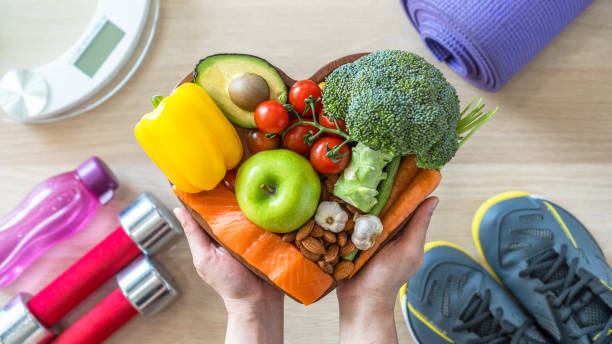
20-Minute Healthy Dinner Ideas for the Whole Family
Welcome Back.
Updated at: 2023-08-06 00:25:37 (2 years ago by Melkisedeck Leon Shine)
๐ฝ๏ธ 20-Minute Healthy Dinner Ideas for the Whole Family ๐ฅฆ๐ฅ๐
As AckySHINE, a cooking enthusiast and lover of quick and nutritious meals, I am excited to share some amazing 20-minute healthy dinner ideas that will satisfy the whole family. Whether you're a busy parent or just want to whip up a nutritious meal in no time, these ideas are sure to make your life easier and your taste buds happier! So, let's dive right in and discover some delicious and time-saving family meals.
1๏ธโฃ One-Pan Baked Chicken and Veggies: This is an effortless and nutritious option. Simply toss your favorite veggies and chicken breast with olive oil, garlic, and your choice of spices. Roast everything in the oven for 20 minutes, and voila! A complete meal with minimal cleanup.
2๏ธโฃ Quinoa Stir-Fry: Quinoa is a versatile grain that can be transformed into a delicious stir-fry. Sautรฉ some colorful veggies like bell peppers, carrots, and snow peas. Add cooked quinoa and a soy sauce-based sauce for a quick and healthy dinner.
3๏ธโฃ Tuna Avocado Salad: For a lighter option, mix canned tuna, diced avocado, cherry tomatoes, cucumber, and a squeeze of lemon juice. This protein-packed salad is not only delicious but also quick to assemble.
4๏ธโฃ Mexican Black Bean Quesadillas: Spread black bean mash on a tortilla, sprinkle with cheese, and add your favorite veggies like bell peppers and onions. Fold it in half and cook in a skillet for a few minutes until the cheese melts. Serve with salsa and guacamole for a delightful Mexican-inspired dinner.
5๏ธโฃ Mediterranean Hummus Wrap: Spread hummus on a whole wheat wrap and fill it with fresh veggies like cucumbers, tomatoes, and lettuce. Add some feta cheese for extra flavor. This quick and easy wrap is perfect for a light yet satisfying dinner.
6๏ธโฃ Grilled Shrimp Skewers: Marinate shrimp in a mixture of olive oil, lemon juice, garlic, and your choice of spices. Thread them onto skewers and grill for a few minutes on each side. Serve with a side salad or some grilled vegetables for a complete and flavorful meal.
7๏ธโฃ Veggie Fried Rice: Sautรฉ a mix of chopped vegetables like carrots, peas, and corn in a skillet. Add cooked brown rice and scramble in an egg for a protein boost. Season with soy sauce and enjoy a quick and nutrient-packed dinner.
8๏ธโฃ Spinach and Feta Stuffed Chicken Breast: Butterfly chicken breasts and stuff them with a mixture of spinach, feta cheese, and garlic. Bake in the oven for 20 minutes and enjoy a flavorful and protein-rich dinner.
9๏ธโฃ Zucchini Noodles with Pesto: Spiralize zucchini into noodles and sautรฉ in a pan with olive oil and garlic. Toss with your favorite pesto sauce and top with grated Parmesan cheese for a light and refreshing dinner.
๐ Caprese Salad with Grilled Chicken: Combine grilled chicken breast, fresh mozzarella cheese, cherry tomatoes, and basil in a bowl. Drizzle with balsamic glaze and olive oil for a simple yet delicious dinner option.
1๏ธโฃ1๏ธโฃ Sweet Potato and Black Bean Tacos: Roast sweet potato cubes and sautรฉ black beans with onions and spices. Fill tortillas with the mixture and top with avocado, salsa, and cilantro for a satisfying vegetarian dinner.
1๏ธโฃ2๏ธโฃ Greek Chicken Lettuce Wraps: Marinate chicken in Greek yogurt, lemon juice, and oregano. Grill until cooked through and wrap in lettuce leaves with cucumber, tomato, and tzatziki sauce for a light and flavorful dinner.
1๏ธโฃ3๏ธโฃ Teriyaki Salmon with Quinoa: Brush salmon fillets with teriyaki sauce and broil for a few minutes. Serve over cooked quinoa and steamed vegetables for a quick and nutritious dinner.
1๏ธโฃ4๏ธโฃ Black Bean and Corn Salad: Mix canned black beans, corn, diced tomatoes, and red onion in a bowl. Add a squeeze of lime juice, cilantro, and a drizzle of olive oil. Serve as a refreshing salad or as a side dish with grilled chicken or fish.
1๏ธโฃ5๏ธโฃ Shrimp Pasta with Garlic and Lemon: Cook your choice of pasta and toss with sautรฉed shrimp, garlic, lemon juice, and a sprinkle of red pepper flakes. This quick and flavorful dish will surely impress your family.
As AckySHINE, I advise you to experiment with these 20-minute healthy dinner ideas and make them your own. Feel free to swap ingredients, add your favorite spices, or incorporate different ethnic flavors. The key is to have fun in the kitchen while providing your family with nourishing meals.
Now it's your turn! What are your favorite 20-minute healthy dinner ideas for the whole family? Share your thoughts and opinions below.
Updated at: 2025-06-06 15:22:32 (7 months ago by Melkisedeck Leon Shine)
In the contemporary fitness landscape, achieving optimal muscle growth and overall well-being necessitates a holistic approach encompassing regular physical activity and a meticulously planned nutritional strategy. This article provides a comprehensive guide to leveraging lean protein sources within a balanced dietary framework to support muscle hypertrophy and enhance physical fitness. Key concepts such as macronutrient balance, the role of essential amino acids in muscle protein synthesis, and the principles of satiety will be explored in the context of practical application.
Optimal Protein Source Selection: The foundational element of a muscle-building diet is the selection of high-quality lean protein sources. Lean meats, including skinless poultry (chicken breast, turkey), various fish species (salmon, tuna, cod), and lean cuts of beef, offer superior amino acid profiles essential for muscle protein synthesis. This process, governed by the principles of muscle protein synthesis (MPS) and muscle protein breakdown (MPB), is maximized with adequate protein intake, ensuring a positive net protein balance. The concept of biological value (BV), reflecting the proteinโs digestibility and amino acid composition, should guide source selection.
Plant-Based Protein Integration: For vegetarians and vegans, an array of plant-based alternatives effectively contribute to lean protein intake. Soy-based products (tofu, tempeh), legumes (lentils, chickpeas), and quinoa offer complete or near-complete protein profiles, although combining different plant proteins optimizes amino acid absorption. This aligns with the principle of complementary proteins, maximizing essential amino acid intake.
Nutrient-Rich Grains: Incorporating nutrient-rich grains such as quinoa, bulgur, and amaranth provides additional lean protein alongside essential micronutrients and dietary fiber. These contribute to overall dietary balance, promoting satiety and reducing the likelihood of overconsumption.
Culinary Techniques for Protein Preservation: Utilizing diverse cooking methodsโgrilling, baking, steaming, or stir-fryingโpreserves the nutritional integrity of lean proteins while enhancing palatability. These techniques minimize nutrient loss and maintain the bioavailability of essential amino acids.
Flavor Enhancement Strategies: Marinades and seasonings play a crucial role in enhancing the culinary appeal of lean protein dishes. The use of herbs, spices, citrus juices, and low-sodium sauces can significantly improve taste and adherence to a lean protein diet. This approach addresses the often-cited challenge of blandness associated with lean protein consumption.
Macronutrient Ratio Optimization: Achieving optimal muscle growth hinges on maintaining a balanced intake of macronutrients. A suitable ratio of lean protein, complex carbohydrates, and healthy fats provides the necessary energy and building blocks for muscle tissue repair and growth. This aligns with the principles of energy balance and nutrient partitioning, affecting how energy is directed toward muscle protein synthesis.
Meal Preparation and Time Management: Proactive meal preparation significantly contributes to dietary adherence. Batch cooking lean protein sources and portioning them for convenient consumption throughout the week reduces the likelihood of resorting to less healthy options. This principle aligns with behavioral economics, addressing decision fatigue and promoting healthy choices.
The Role of Spices and Herbs: Incorporating a variety of spices and herbs not only enhances the flavor profile of dishes but also contributes to overall health. Anti-inflammatory agents (e.g., turmeric) and digestive aids (e.g., ginger) can further support well-being and recovery.
Lean Protein Salad Integration: Salads offer a versatile platform for incorporating lean proteins. Combining grilled or pan-seared lean protein sources with a variety of colorful vegetables, nuts, and seeds maximizes nutrient density and satiety.
Global Culinary Exploration: Exploring diverse international cuisines broadens the scope of lean protein preparation. This approach combats dietary monotony and promotes long-term adherence to a health-conscious diet, promoting culinary creativity and variety.
Strategic Snacking for Protein Intake: Maintaining adequate protein intake between meals helps regulate hunger and support muscle protein synthesis. Convenient protein-rich snacks, such as Greek yogurt, cottage cheese, hard-boiled eggs, or protein shakes, can contribute to overall daily protein goals. This strategy addresses the challenge of maintaining consistent protein intake throughout the day.
Portion Control for Balanced Nutrition: While lean protein is crucial, maintaining overall dietary balance is paramount. Practicing portion control ensures that energy intake aligns with energy expenditure, preventing excess calorie consumption, supporting weight management, and promoting long-term adherence to healthy eating habits.
Hydration for Optimal Physiological Function: Adequate hydration supports numerous physiological processes, including muscle recovery and nutrient transport. Consuming sufficient water throughout the day is essential for maintaining optimal bodily functions.
Personalized Dietary Adjustment: Individual needs vary; adapting the diet based on personal responses and preferences is crucial. Experimenting with various lean protein sources and cooking methods helps discover optimal dietary choices.
Seeking Professional Nutritional Guidance: Consulting a registered dietitian or sports nutritionist provides personalized guidance tailored to individual fitness goals, lifestyle, and health considerations. This ensures the development of a safe and effective nutrition plan.
Reader Pool: Considering the information presented, what are the most significant challenges individuals might face in consistently implementing a lean protein-focused diet, and how could these challenges be effectively mitigated?
Updated at: 2025-05-06 10:39:57 (8 months ago by Melkisedeck Leon Shine)
This comprehensive guide explores the multifaceted benefits of plant-based diets, demonstrating their profound impact on individual health, environmental sustainability, and overall well-being. We will examine the nutritional advantages, weight management aspects, environmental implications, economic considerations, and the culinary creativity fostered by adopting a plant-centric approach to food. This exploration is relevant to individuals of all culinary skill levels, encouraging a transition towards a healthier and more sustainable lifestyle.
Plant-based diets, characterized by a high intake of fruits, vegetables, legumes, whole grains, and nuts, offer a wealth of micronutrients vital for optimal human health. This aligns with the principles of nutritional adequacy and balance, as outlined in dietary guidelines globally. The abundance of vitamins, minerals, antioxidants, and phytochemicals contributes to the prevention and management of chronic diseases. For instance, the low saturated fat and cholesterol content, coupled with high fiber intake, is strongly associated with reduced risks of cardiovascular disease, type 2 diabetes, and certain cancers. Furthermore, the diverse array of bioactive compounds in plant foods contributes to gut microbiome health, influencing digestion, immunity, and overall metabolic function. This aligns with the emerging field of nutrigenomics, which explores the interaction between diet and gene expression, impacting disease susceptibility and health outcomes. The application of these concepts involves consciously selecting a variety of plant foods to ensure comprehensive nutrient intake, effectively mitigating the risk of nutrient deficiencies often associated with restrictive diets.
The inherent characteristics of plant-based foods contribute significantly to effective weight management. High-fiber foods, such as fruits, vegetables, and legumes, promote satiety by increasing gastric distension and slowing gastric emptying, leading to prolonged feelings of fullness. This mechanism is consistent with the energy balance equation, where caloric intake is matched with energy expenditure. Additionally, plant-based foods are generally lower in caloric density than animal products, allowing for greater food volume with fewer calories. This approach reduces the likelihood of overconsumption, fostering sustainable weight loss and maintenance, in contrast to restrictive diets that often lead to yo-yo dieting and metabolic disruption. Applying this involves mindful portion control and the strategic inclusion of high-fiber foods to manage appetite and energy balance effectively.
Adopting a plant-based diet constitutes a significant contribution to environmental sustainability. Animal agriculture is a major driver of greenhouse gas emissions, deforestation, and water resource depletion. The production of plant-based foods generally has a smaller environmental footprint compared to animal-based alternatives, resulting in decreased carbon emissions, reduced land usage, and lower water consumption. This aligns with the principles of ecological footprint reduction, advocating for mindful consumption patterns to minimize human impact on the environment. The application of this principle involves actively choosing plant-based alternatives, thereby reducing demand for resource-intensive animal agriculture and fostering a more sustainable food system.
Contrary to common misconceptions, plant-based diets can be remarkably affordable. Staple ingredients like legumes (beans, lentils), grains (rice, oats), and seasonal produce often cost significantly less than animal products. This enhances food security and promotes accessibility to healthy diets, especially in lower-income communities. Furthermore, the wide range of available ingredients allows for culinary creativity and adaptability, mitigating dietary boredom and promoting diverse meal preparation. This economic aspect of plant-based diets challenges assumptions of cost-prohibitive healthy eating, encouraging a shift towards economically sustainable and nutritionally valuable food choices.
Plant-based cooking is not merely about dietary restriction; it is a journey of culinary discovery and self-expression. The boundless variety of plant-based ingredients, coupled with diverse cooking techniques, fosters culinary innovation and creativity. The process of preparing plant-based meals can become a meditative practice, enhancing mindfulness and promoting a deeper connection with food, its origins, and its impact on personal well-being. This aligns with the principles of mindful eating, emphasizing present-moment awareness and appreciation of food choices. Applying this involves actively engaging in the cooking process, selecting fresh ingredients, and savoring the experience of preparing and consuming meals, thereby fostering both physical and mental well-being.
The benefits of plant-based eating extend beyond the purely physical. Improved digestion, radiant skin, and sustained energy levels are frequently reported. This holistic impact aligns with the biopsychosocial model of health, which recognizes the interconnectedness of biological, psychological, and social factors in influencing health outcomes. Furthermore, participation in plant-based communities provides social support and encourages shared experiences, strengthening social networks and enhancing mental well-being. The application of this holistic approach involves actively cultivating a mindful and balanced lifestyle that integrates healthy eating with physical activity, social interaction, and stress management techniques.
This exploration of plant-based cuisine reveals its profound and multifaceted benefits across various domainsโfrom individual health and economic considerations to environmental sustainability and community engagement. The evidence strongly supports the adoption of plant-based diets as a pathway towards improved well-being and a more sustainable future. Further research could focus on refining the understanding of specific nutrient interactions and their impact on disease prevention, as well as exploring culturally sensitive approaches to promoting the widespread adoption of plant-based diets. Educational initiatives promoting culinary skills and knowledge dissemination are crucial for empowering individuals to make informed food choices and transition smoothly to a plant-centric lifestyle. The integration of plant-based options into public health policies and community programs can significantly contribute to improved public health outcomes and environmental sustainability.
Updated at: 2023-08-06 00:25:31 (2 years ago by Melkisedeck Leon Shine)
Cooking with Avocado: Creamy and Nutritious ๐ฅ๐
Avocado has become a staple in many kitchens around the world, and for good reason! This versatile fruit is not only creamy and delicious but also packed with essential nutrients that are beneficial for your overall health. As AckySHINE, I am here to share my expertise and provide you with some helpful advice on how to incorporate avocado into your cooking routine. So put on your apron and let's dive into the wonderful world of cooking with avocado!
Avocado Toast: ๐๐ฅ Start your day off right with a delicious and nutritious breakfast by spreading mashed avocado on whole-grain toast. Top it off with some sliced tomatoes, a sprinkle of sea salt, and a drizzle of olive oil for a burst of flavor.
Guacamole: ๐ฎ๐ฅ No Mexican feast is complete without a bowl of homemade guacamole. Mash some ripe avocados, mix in diced tomatoes, onions, cilantro, lime juice, and a pinch of salt for a dip that will have your taste buds dancing.
Avocado Smoothie: ๐ฅค๐ฅ Looking for a refreshing and healthy beverage? Blend together a ripe avocado, a banana, a handful of spinach, almond milk, and a touch of honey for a creamy and nutritious smoothie.
Avocado Sushi: ๐ฃ๐ฅ Take your sushi game to the next level by adding slices of avocado to your rolls. The creamy texture of avocado pairs perfectly with the fresh fish and rice, creating a sushi experience like no other.
Avocado Pasta Sauce: ๐๐ฅ Craving a creamy pasta dish without the guilt? Puree some avocado with garlic, lemon juice, and a splash of olive oil for a rich and velvety sauce that will make your taste buds tingle.
Avocado Salad: ๐ฅ๐ฅ Add a healthy twist to your salad by tossing in some avocado slices. Not only will it add a creamy texture, but it will also provide you with a dose of heart-healthy fats and fiber.
Avocado Ice Cream: ๐ฆ๐ฅ Yes, you read that right! Avocado can be turned into a delightful ice cream. Blend together ripe avocados, coconut milk, honey, and a splash of lime juice, then freeze for a creamy and guilt-free treat.
Avocado Deviled Eggs: ๐ฅ๐ฅ Put a unique twist on the classic deviled eggs by adding mashed avocado to the filling. The result is a creamy and flavorful appetizer that will impress your guests.
Avocado Salad Dressing: ๐ฅ๐ฅ Skip the store-bought salad dressings and make your own with avocado. Simply blend together avocado, olive oil, lemon juice, garlic, and a pinch of salt for a dressing that will elevate your salads to new heights.
Avocado Pesto: ๐ฟ๐ฅ Give your pesto sauce a healthy boost by adding some avocado. Blend together avocado, basil, garlic, pine nuts, Parmesan cheese, and olive oil for a vibrant and creamy pesto that will take your pasta dishes to the next level.
Avocado Fries: ๐๐ฅ Craving fries but want a healthier alternative? Slice an avocado into wedges, dip them in beaten egg, coat them in breadcrumbs, and bake until golden and crispy. A guilt-free snack you won't be able to resist!
Avocado Omelet: ๐ณ๐ฅ Start your day with a protein-packed breakfast by adding slices of avocado to your omelet. The creamy avocado pairs perfectly with the fluffy eggs, creating a satisfying and nutritious meal.
Avocado Chicken Salad: ๐ฅ๐ฅ๐ Spice up your chicken salad by adding some diced avocado. The creamy texture of the avocado complements the tender chicken and crunchy vegetables, making each bite a delight.
Avocado Quesadillas: ๐ฏ๐ฅ Take your quesadillas to the next level by adding slices of avocado. The creamy avocado pairs perfectly with the melted cheese, creating a flavor combination that will leave you craving more.
Avocado Brownies: ๐ซ๐ฅ Who said avocados can't be used in desserts? Swap out butter for mashed avocado in your brownie recipe for a healthier and fudgier treat. You won't even taste the difference!
In conclusion, cooking with avocado opens up a world of possibilities for creating delicious and nutritious meals. From avocado toast to guacamole, there are endless ways to incorporate this creamy fruit into your cooking routine. As AckySHINE, I highly recommend experimenting with different recipes and techniques to discover your favorite avocado dishes. So go ahead, embrace the avocado craze and let your culinary creativity shine! ๐ฅโจ
What's your favorite way to cook with avocado? Share your thoughts and opinions in the comments below! ๐๐
Updated at: 2023-08-06 00:23:38 (2 years ago by Melkisedeck Leon Shine)
Easy and Healthy Meal Prep Ideas for Work Lunches ๐ฅ๐ฑ
As AckySHINE, I am here to share some easy and healthy meal prep ideas for work lunches that will keep you energized and satisfied throughout the day. With these simple tips and tricks, you can save time, money, and ensure you're eating nutritious meals even on the busiest of days. So, let's dive in and explore some delicious options!
Plan Ahead ๐ โ๏ธ: Take a few minutes each week to plan your meals for the upcoming work week. This will help you stay organized and ensure you have all the necessary ingredients on hand.
Batch Cooking ๐ณ๐ฒ: Consider cooking larger portions of your favorite dishes on the weekends, so you can easily pack them up for work lunches throughout the week. This not only saves time but also allows you to enjoy homemade meals while at the office.
Mason Jar Salads ๐ฅ๐ฐ: Mason jar salads are a great way to enjoy fresh and crisp salads without worrying about them getting soggy. Simply layer your favorite ingredients, starting with the dressing at the bottom, and pack them in a mason jar. When it's time to eat, just give it a shake, and voila! A perfectly dressed salad.
Grain Bowls ๐๐ฅฆ: Grain bowls are incredibly versatile and can be customized to suit your taste preferences. Start with a base of cooked grains like quinoa or brown rice, add your favorite protein, such as grilled chicken or tofu, and top it off with a variety of colorful veggies, nuts, and dressings.
Wraps and Sandwiches ๐ฏ๐ฅช: Wraps and sandwiches are a classic choice for work lunches. Opt for whole-grain bread or wraps, and fill them with lean protein, veggies, and a spread of your choice. You can also experiment with different flavors by using hummus, avocado, or pesto as a spread.
Overnight Oats ๐ฅฃ๐: Overnight oats are a quick and easy breakfast option that can double as a work lunch. Simply combine oats, milk (or your preferred plant-based alternative), and your favorite toppings such as fruits, nuts, and seeds in a jar. Let it sit overnight in the fridge, and you'll have a delicious and nutritious meal ready to go in the morning.
Veggie Stir-Fries ๐ฅฆ๐ฅ: Stir-fries are an excellent way to incorporate a variety of vegetables into your work lunches. Prepare a large batch of stir-fried veggies with your choice of protein and sauce, and divide them into individual containers for a quick and flavorful meal.
Bento Boxes ๐ฑ๐ฑ: Bento boxes have gained popularity for their convenience and versatility. These compartmentalized lunch boxes allow you to pack a well-balanced meal with different food groups, such as grains, protein, veggies, and fruits. Get creative and have fun arranging your bento box!
Soups and Stews ๐ฒ๐ฅฃ: Soups and stews are not only comforting but also make for a filling and nutritious lunch option. Prepare a big pot of your favorite soup or stew on the weekends, and portion it out into individual containers to enjoy throughout the week.
Snack Packs ๐ฅ๐: Don't forget to pack some healthy snacks to keep you fueled between meals. Pre-portioned snack packs with veggies, fruits, nuts, or yogurt are perfect for satisfying those midday cravings.
Salad Jars: Mason jar salads are a great way to enjoy fresh and crisp salads without worrying about them getting soggy. Simply layer your favorite ingredients, starting with the dressing at the bottom, and pack them in a mason jar. When it's time to eat, just give it a shake, and voila! A perfectly dressed salad.
Protein Boxes: Protein boxes are a popular choice for work lunches, as they provide a balanced meal with a good amount of protein. Fill your box with grilled chicken, hard-boiled eggs, cheese, nuts, and some fresh fruits or veggies.
Asian-inspired Noodle Bowls: If you're craving something with an Asian twist, try preparing noodle bowls with ingredients like rice noodles, tofu, shrimp, or chicken. Add some stir-fried veggies and a flavorful sauce to complete the dish.
Quinoa and Roasted Vegetable Bowls: Quinoa is a protein-packed grain that pairs perfectly with roasted veggies. Cook a batch of quinoa and roast your favorite vegetables like sweet potatoes, bell peppers, and zucchini. Combine them in a bowl with a drizzle of olive oil and a sprinkle of herbs for a nutritious and delicious lunch.
Wraps and Sandwiches: Wraps and sandwiches are a classic choice for work lunches. Opt for whole-grain bread or wraps, and fill them with lean protein, veggies, and a spread of your choice. You can also experiment with different flavors by using hummus, avocado, or pesto as a spread.
As AckySHINE, I recommend trying out these easy and healthy meal prep ideas for work lunches. Not only will they help you eat well-balanced meals, but they will also save you time and money. Don't forget to have fun with your meal prep and experiment with different flavors and ingredients. Enjoy your delicious and nutritious lunches at work!
What are your favorite meal prep ideas for work lunches? Share your opinions and let's inspire each other! ๐ฅ๐ฑ
Updated at: 2023-08-06 00:23:45 (2 years ago by Melkisedeck Leon Shine)
Cooking with Fresh Herbs: Adding Flavor and Health Benefits
๐ฟ๐ณ๐ฑ๐ฝ๏ธ
As a culinary enthusiast and self-proclaimed herb expert, I am thrilled to share with you the wonderful world of cooking with fresh herbs. Herbs not only add a burst of flavor to your dishes but also come with a variety of health benefits. So, let's delve into the magical realm of herbs and discover how they can elevate your culinary creations.
Fresh herbs, such as basil, mint, cilantro, and parsley, can transform a simple dish into a culinary masterpiece. Their vibrant colors, captivating aromas, and distinctive flavors are a feast for the senses.
๐ฅ Adding herbs to salads can take their taste to a whole new level. For instance, a basic garden salad can be turned into a refreshing delight by incorporating some chopped fresh dill and parsley.
๐ฒ๐ฟ When making soups or stews, adding a handful of fresh herbs like thyme, rosemary, or bay leaves can infuse your dish with a depth of flavor that dried herbs simply cannot match.
๐๐ฟ Pizza lovers rejoice! Fresh basil leaves scattered over a piping-hot pizza can elevate it to a whole new level of deliciousness.
๐ The classic combination of tomatoes and fresh basil is a match made in culinary heaven. A Caprese salad, with its juicy tomatoes, creamy mozzarella, and fragrant basil leaves, is a perfect example of how herbs can enhance the natural flavors of a dish.
๐ฃ Asian-inspired dishes can also benefit from the addition of fresh herbs. Think of a vibrant Thai salad with fresh mint leaves, cilantro, and a zesty dressing. It's a burst of flavors in every bite.
๐น๐ฟ Fresh herbs are not limited to savory dishes alone. They can also be used to create refreshing and aromatic beverages. For example, a Mojito is incomplete without the fragrant touch of fresh mint leaves.
๐ฟ๐ฅฉ๐ When it comes to meat, herbs can be your best friend. Marinating chicken or beef with a blend of fresh herbs, garlic, and olive oil not only imparts incredible flavor but also tenderizes the meat.
๐จ๐ฟ Believe it or not, herbs can even find their way into desserts. Infusing cream or milk with lavender or rosemary can lend a unique and delightful twist to your homemade ice cream.
๐ฟ The health benefits of fresh herbs are another reason to incorporate them into your cooking. Rich in vitamins, minerals, and antioxidants, herbs can boost your immune system, aid digestion, and provide anti-inflammatory properties.
๐ฟ๐ก Did you know that herbs like sage and rosemary have been linked to improved memory and cognitive function? So, as AckySHINE, I recommend adding a sprinkle of these herbs to your recipes when you need a mental boost.
๐ฟ๐ Growing your own fresh herbs at home is not only a great way to save money but also allows you to have a constant supply of flavorful and healthy ingredients at your fingertips. Plus, caring for herbs can be a therapeutic and rewarding experience.
๐ฟโจ Experimentation is the key to discovering your favorite herb combinations. Don't be afraid to try out different herbs and see how they complement each other in various dishes. The possibilities are endless!
๐ฟ๐ฉโ๐ณ Remember, using fresh herbs requires a bit of finesse. They are delicate and should be added towards the end of cooking to preserve their flavors. This way, you can fully enjoy their vibrant taste and aroma.
๐ฟ๐ So, whether you are a seasoned chef or a beginner in the kitchen, cooking with fresh herbs is a fantastic way to add a burst of flavor and reap the health benefits. So, why not embark on an herb-infused culinary adventure and let your taste buds dance with joy?
Now, I would love to hear from you! What are your favorite herbs to cook with, and how do you use them to enhance your dishes? Share your thoughts and experiences in the comments below! ๐ฟ๐ฝ๏ธ
Updated at: 2025-06-22 11:06:44 (7 months ago by Melkisedeck Leon Shine)
```htmlAfternoon dips in energy and productivity are prevalent workplace challenges, often stemming from inadequate midday nutrition. This nutritional deficiency can lead to pronounced energy crashes and diminished cognitive function, impacting overall workplace efficiency. This article presents fifteen diverse and readily achievable lunch recipes, each prepared within 30 minutes, designed to optimize afternoon performance. We will explore the fundamental principles of balanced nutrition, focusing on macronutrient composition and their influence on sustained energy release and cognitive enhancement, illustrating their practical application in the provided recipes. The concept of optimizing energy levels through nutrition aligns with the broader field of workplace wellness, aiming to improve employee health and productivity.
The cornerstone of these lunch recommendations is a balanced intake of macronutrients: carbohydrates, proteins, and healthy fats. Central to this approach is the concept of the glycemic index (GI), a measure of how quickly a carbohydrate-containing food raises blood glucose levels. High-GI foods trigger rapid blood sugar spikes followed by sharp declines, resulting in fatigue and reduced cognitive function. Conversely, low-GI foods provide a sustained release of glucose, maintaining stable energy levels and preventing the afternoon slump. Protein intake is crucial for satiety and muscle preservation, reducing hunger pangs and improving focus. Healthy fats contribute to satiety, cognitive function, and hormone regulation, supporting overall metabolic health. This integrated approach mirrors principles found in various dietary guidelines, promoting a balance of whole grains, lean proteins, and fruits and vegetables.
The following recipes exemplify the application of the above nutritional principles. Each recipe is carefully constructed to incorporate a balanced blend of macronutrients to provide sustained energy and maintain optimal cognitive function throughout the afternoon.
1. Quinoa and Vegetable Salad: This salad exemplifies balanced macronutrient intake. Quinoa, a complete protein with a low GI, provides sustained energy. Vegetables offer essential micronutrients and fiber. Olive oil and lemon juice contribute healthy monounsaturated fats, beneficial for cognitive function and overall well-being. This aligns with dietary guidelines promoting whole grains and an abundance of vegetables.
2. Chicken and Avocado Wrap: Lean chicken provides high-quality protein for satiety and muscle maintenance. Avocado offers healthy monounsaturated fats, crucial for cell function and cognitive performance. Whole wheat wraps provide complex carbohydrates for sustained energy release, avoiding the rapid spikes associated with refined carbohydrates.
3. Veggie Stir-Fry with Brown Rice: Brown rice, a low-GI carbohydrate source, offers long-lasting energy. The array of vegetables provides a rich source of vitamins and minerals. This meal exemplifies the combination of macronutrients and micronutrients for optimal health and sustained productivity.
4. Spinach and Feta Stuffed Chicken Breast: This high-protein option promotes satiety and supplies essential amino acids. Spinach adds significant micronutrients, while feta provides calcium and fat. This illustrates the importance of protein-rich meals for sustained energy and concentration.
5. Black Bean and Sweet Potato Quesadilla: Black beans are a valuable source of plant-based protein and fiber. Sweet potatoes provide complex carbohydrates and beta-carotene. This combination ensures sustained energy and satiety, demonstrating the nutritional value of plant-based proteins.
6. Mediterranean Hummus Bowl: Hummus provides protein and healthy fats. Vegetables boost micronutrient and fiber intake. Olive oil adds further healthy fats. This showcases the benefits of incorporating legumes and healthy fats into a midday meal.
7. Salmon and Quinoa Salad: Salmon is rich in omega-3 fatty acids, crucial for brain health and cognitive function. Quinoa provides a complete protein and sustained energy. This meal directly supports brain function and sustained productivity.
8. Lentil and Vegetable Soup: Lentils offer plant-based protein and fiber for satiety and sustained energy. Vegetables enhance micronutrient intake and fiber content, promoting digestive health and preventing the afternoon slump.
9. Turkey and Avocado Lettuce Wraps: A low-carbohydrate option with lean protein from turkey and healthy fats from avocado, promoting satiety and balanced energy levels. This exemplifies alternative meal planning for different nutritional preferences.
10. Greek Salad with Grilled Chicken: This balanced meal combines lean protein with various micronutrient-rich vegetables. Olive oil provides healthy fats. This highlights the combination of protein and healthy fats for physical and cognitive energy.
11. Tofu and Vegetable Stir-Fry: This vegetarian option utilizes tofu as a plant-based protein source, alongside nutrient-rich vegetables. This illustrates that plant-based diets can provide all necessary macronutrients for sustained energy.
12. Caprese Salad Sandwich: This light option features fresh ingredients rich in vitamins and antioxidants, promoting overall health and energy. This emphasizes the benefits of fresh, nutrient-dense foods.
13. Chickpea Salad Wraps: This plant-based recipe utilizes chickpeas as a protein source with added vegetables. This reinforces the role of plant-based proteins in a balanced lunch.
14. Shrimp and Avocado Salad: This combines lean protein from shrimp and healthy fats from avocado for balanced nutrition and cognitive enhancement.
15. Mexican Quinoa Bowl: This recipe combines quinoa's sustained energy with the protein and fiber of black beans and various vegetables. This demonstrates the versatility of incorporating diverse flavors within a healthy and balanced meal.
Updated at: 2023-08-06 00:23:25 (2 years ago by Melkisedeck Leon Shine)
Healthy Cooking for Heart Health: Delicious and Nourishing
Hello readers! Welcome back to my column, where I, AckySHINE, share my expertise on all things related to healthy cooking. Today, I want to talk about a topic that is near and dear to my heart (pun intended) - cooking for heart health.
Our heart is a vital organ that works tirelessly to keep us alive and kicking. It's essential that we take good care of it, and one way to do that is through our diet. By making simple yet effective changes to our cooking habits, we can create delicious and nourishing meals that support heart health. So, let's dive in and explore 15 points to help us cook heart-healthy meals that are both enjoyable and beneficial!
๐ฅฆ Incorporate plenty of fruits and vegetables into your meals. They are packed with essential nutrients and antioxidants that promote heart health.
๐ Choose lean protein sources such as skinless chicken, fish, and legumes. These options are lower in saturated fat and cholesterol, which can reduce the risk of heart disease.
๐ฅ Use healthy fats like olive oil, avocado, and nuts in your cooking. These fats contain monounsaturated and polyunsaturated fats that can help lower bad cholesterol levels.
๐พ Opt for whole grains instead of refined grains. Whole grains are rich in fiber, which can help maintain healthy cholesterol levels.
๐ง Limit your salt intake. Excessive salt consumption can contribute to high blood pressure, which is a major risk factor for heart disease.
๐ฝ๏ธ Practice portion control. Overeating can lead to weight gain, which can increase the strain on your heart.
๐ฅ Choose low-fat or non-fat dairy products. These options provide the essential nutrients without the added saturated fat.
๐ฟ Experiment with herbs and spices to add flavor to your dishes without relying on excess salt or unhealthy condiments.
๐ณ Opt for cooking methods like grilling, baking, or steaming instead of frying. These methods require less added fat and retain more nutrients in the food.
๐ต Drink green tea regularly. Green tea is rich in antioxidants called catechins, which have been linked to a reduced risk of heart disease.
๐ง Be mindful of hidden sources of sodium in processed foods, such as canned soups or packaged snacks.
๐ฅ Snack on heart-healthy nuts, such as almonds or walnuts, instead of reaching for sugary or salty snacks.
๐ซ Choose dark chocolate with a high percentage of cocoa (70% or more). Dark chocolate contains flavonoids that can help lower blood pressure.
๐ถ Stay active! Regular exercise is just as important as a healthy diet for maintaining heart health.
๐ Surround yourself with a supportive community that encourages and motivates you to make heart-healthy choices.
As AckySHINE, I advise you to start implementing these tips into your daily cooking routine. Remember, small changes can make a big difference in the long run. Let's create meals that not only nourish our bodies but also keep our hearts happy!
So, what do you think? Do you have any other heart-healthy cooking tips that you would like to share? Let's keep the conversation going in the comments below!
Updated at: 2025-02-28 09:04:02 (10 months ago by Melkisedeck Leon Shine)
In today's fast-paced world, prioritizing fitness and muscle building is paramount. Achieving these goals requires a holistic approach, encompassing both consistent exercise and a balanced diet. As a nutrition and fitness enthusiast, I'm here to share expert advice on preparing lean protein-rich meals to support your muscle growth and overall well-being.
Lean protein is the cornerstone of any effective muscle-building diet. It provides essential amino acids crucial for muscle repair and growth. The sustained satiety provided by lean protein also aids in adhering to your fitness plan. Let's explore practical strategies for incorporating lean protein into your culinary repertoire.
Choosing the Right Cuts: When selecting protein sources, prioritize lean cuts of meat such as skinless chicken breast, turkey, various fish types, and lean beef. These options are lower in fat and calories, perfectly suited for muscle growth.
Exploring Plant-Based Alternatives: Vegetarians and vegans have abundant options. Tofu, tempeh, lentils, chickpeas, and quinoa are all excellent sources of plant-based lean protein.
Protein-Rich Grains: Quinoa, bulgur, and amaranth are exceptional sources of lean protein, providing essential nutrients and fiber. They serve as a fantastic base for salads, stir-fries, or as a satisfying side dish.
Diverse Cooking Techniques: Experiment with diverse cooking methods like grilling, baking, steaming, or stir-frying to maintain the nutritional integrity of your lean proteins while adding flavor and variety.
Flavor Enhancement through Marinades: Marinating lean proteins in flavorful sauces, herbs, and spices elevates their taste and makes meals more enjoyable. A simple marinade of lemon juice, garlic, and herbs can significantly enhance the flavor of chicken breast.
Macronutrient Balance: Maintain a balanced intake of lean proteins, complex carbohydrates, and healthy fats. This ensures a well-rounded nutritional profile supporting both muscle growth and overall fitness.
Meal Preparation for Success: Prepare lean proteins in advance to streamline your routine and ensure healthy options are readily available. Batch cooking grilled chicken or baked fish, portioned into individual containers, facilitates quick and easy meal access throughout the week.
The Power of Spices and Herbs: Incorporate a wide array of spices and herbs for both flavor enhancement and their inherent health benefits. Turmeric's anti-inflammatory properties and ginger's digestive aid are just two examples of the advantages of incorporating flavorful spices.
Creative Salad Creations: Salads provide an excellent opportunity to incorporate lean proteins. Combine grilled chicken, shrimp, or tofu with an assortment of colorful vegetables, nuts, and seeds for a nutritious and fulfilling salad.
Global Culinary Inspiration: Explore international cuisines for innovative ways to prepare lean proteins. From Japanese sushi to Greek grilled chicken souvlaki, diverse culinary traditions offer exciting and flavorful options.
Strategic Snacking: Keep protein-rich snacks on hand to manage hunger between meals. Greek yogurt, cottage cheese, boiled eggs, or protein bars provide a convenient boost of protein intake.
Portion Control: While lean protein is crucial, maintaining a balanced diet is paramount. Practice portion control to ensure you consume the appropriate amount of protein; a general guideline is 20-30 grams per meal.
Hydration is Key: Adequate hydration is essential for muscle growth and overall health. Aim for at least eight glasses of water daily to support bodily functions and muscle recovery.
Personalized Nutrition: Listen to your body's needs and adjust your approach accordingly. Experiment with different lean protein sources and cooking techniques to discover what works best for you.
Professional Guidance: Consult a registered dietitian or nutritionist for personalized dietary advice aligned with your fitness goals and lifestyle.
Incorporating lean proteins into your diet is a powerful strategy to support muscle growth and overall fitness. Through diverse cooking methods, flavorful experimentation, and mindful dietary choices, you can create delicious and nutritious meals that fuel your fitness journey. Consistency, self-awareness, and seeking professional guidance when needed are key components of long-term success. Here's to a healthier, fitter you!
What are your favorite lean protein recipes? Share your culinary creations and experiences in the comments below!
Updated at: 2025-05-12 17:30:21 (8 months ago by Melkisedeck Leon Shine)
Addressing childhood picky eating requires a nuanced approach that prioritizes both nutritional adequacy and the child's sensory preferences. This article presents ten evidence-based snack strategies designed to promote healthy eating habits while maximizing palatability. These strategies leverage principles of behavioral economics and child development to encourage consumption of nutrient-rich foods.
This strategy utilizes the principles of sensory integration, combining varied textures and tastes to increase appeal. Thinly sliced apples provide a crisp texture, while dark chocolate (a source of flavonoid antioxidants) introduces bitterness, and granola contributes a crunchy element. The contrast in sensory experiences enhances overall enjoyment, potentially increasing consumption of fruits. Portion control is crucial to maintain nutritional balance.
This intervention employs sensory substitution, replacing less healthy fried potatoes with nutrient-rich carrots prepared in a similar manner. Cutting carrots into fry-like shapes and seasoning with herbs like rosemary and thyme enhances familiarity and appeal. Baking instead of frying reduces fat content. Offering a healthy dipping sauce, such as a creamy yogurt dip, further enhances palatability and nutritional value, aligning with principles of operant conditioning.
This approach combines visual appeal with active participation. The colorful arrangement of vegetables within whole wheat tortillas creates a visually engaging snack. The use of hummus or cream cheese adds flavor and richness. Involving children in the preparation process, a key tenet of social cognitive theory, fosters a sense of ownership and increases the likelihood of consumption. The bite-sized portions make consumption more manageable.
This strategy transforms a common food (corn on the cob) into a novel and engaging format. Presenting corn on the cob as a "pop" on a popsicle stick increases its novelty and makes it more appealing to children. The addition of melted butter and parmesan cheese provides a sweet and savory combination, further increasing palatability. This technique employs principles of novelty seeking behavior in children.
This method utilizes creative food presentation to disguise healthy ingredients within a familiar format. The "sushi" presentation of banana, peanut butter (or Nutella in moderation), and whole wheat tortilla appeals to children's visual preferences and curiosity. The combination of textures and flavors enhances the sensory experience, promoting consumption through novelty and positive association.
This intervention utilizes the principles of simple preparation and refreshing qualities to encourage fruit consumption. Frozen grapes offer a naturally sweet and cooling alternative to sugary popsicles. The simplicity of preparation makes it a practical and convenient snack option for busy parents, while the frozen texture adds a novel sensory element.
This approach leverages gamification to increase the appeal of salads. Transforming salad into an interactive activity using skewers makes eating more engaging and fun. The selection of colorful and kid-friendly vegetables allows for personalization and increases the child's sense of control, improving the overall experience and potentially leading to increased vegetable intake.
This strategy promotes personalized nutrition and portion control by allowing children to participate in creating their own trail mix. The combination of nuts, seeds, dried fruits, and a small amount of dark chocolate provides a balanced mix of nutrients and flavors. This fosters self-regulation and autonomy in food choices, which is crucial for establishing healthy eating habits.
This method uses the principles of sensory masking to hide vegetables within a palatable food. Sautรฉed vegetables are incorporated into cheese quesadillas, masking their taste and appearance within a familiar and enjoyable food item. This approach, particularly effective with children who avoid vegetables, promotes increased vegetable consumption through covert means.
This intervention focuses on the substitution of less healthy refined-grain pretzels with their whole-grain counterparts. The added nutritional benefits of whole grains are preserved, while the familiar form and crunchy texture maintain appeal. Pairing these pretzels with dips like hummus or guacamole increases both flavor and nutritional density, further promoting healthy eating.
The overall impact of implementing these strategies will likely result in improved nutritional intake, reduced reliance on less healthy snack options, and the development of more positive attitudes towards healthy foods among children. The applicability extends to various settings, including homes, schools, and childcare facilities. Further research could investigate the effectiveness of these strategies across different age groups and cultural backgrounds.
Reader Pool: How might the principles of operant conditioning and social cognitive theory be further leveraged to enhance the long-term effectiveness of these snack interventions in promoting healthy eating habits among children?