Mary, Mother of God: An Exemplar of Humility
Welcome Back.
Updated at: 2023-08-05 13:20:02 (2 years ago by Melkisedeck Leon Shine)
Mary, Mother of God: An Exemplar of Humility ๐น
๐ In the Christian faith, Mary, the Mother of God, holds a special place in the hearts of believers. Her unwavering faith, humility, and obedience to God's will serve as an inspiration to all Christians.
๐ Mary's humility is evident from the very beginning, when the angel Gabriel appeared to her and announced that she would conceive a child, Jesus, by the power of the Holy Spirit. Instead of boasting or seeking glory, she humbly accepted this divine mission, saying, "Behold, I am the handmaid of the Lord; let it be to me according to your word" (Luke 1:38).
๐ Throughout her life, Mary remained humble, always putting God's will above her own desires. She did not seek recognition or praise for being the mother of the Son of God; instead, she embraced her role with grace and humility.
๐ท One example of Mary's humility can be seen at the wedding feast of Cana (John 2:1-12). When the wine ran out, Mary approached Jesus and simply said, "They have no wine" (John 2:3). She did not demand a miracle or draw attention to herself. Instead, she trusted in her son's divine power and humbly presented the situation to him.
โจ Another powerful example of Mary's humility can be found at the foot of the cross, where she stood with unwavering faith and love for her son. Despite the tremendous pain and sorrow she experienced, Mary did not question God's plan or harbor resentment. Instead, she remained humble, trusting in God's ultimate purpose.
๐ The Catechism of the Catholic Church also highlights Mary's humility, stating, "Mary is the perfect Orans (pray-er), a figure of the Church. When we pray to her, we are adhering with her to the plan of the Father, who sends his Son to save all men. Like the beloved disciple, we welcome Jesus' mother into our homes" (CCC 2679).
๐ Saint Bernard of Clairvaux, a renowned Catholic saint, eloquently described Mary's humility, saying, "Mary is the stairway to heaven; the humblest of creatures, the most high; the most lowly, yet the most exalted; the most hidden, yet the most well known; the most despised, yet the most cherished."
๐น Mary's humility serves as a powerful reminder to all Christians that true greatness lies in humbling ourselves before God. In a world that often values pride and self-promotion, Mary's example calls us to embrace humility as a virtue.
๐ As we reflect on Mary's humility, we can learn to surrender our own will to God's plan and trust in His providence. Like Mary, we are called to say, "Let it be to me according to your word," and entrust ourselves fully to God's loving care.
๐ท Mary's humility also teaches us the importance of recognizing that everything we have and are is a gift from God. By humbly acknowledging our dependence on Him, we open ourselves up to His grace and blessings.
๐ Furthermore, Mary's humility invites us to serve others with selflessness and love. As Pope Francis said, "Mary is the one who knows how to welcome the love of God and how to give it. She is the model of how to respond to Godโs call, with joy and courage, saying 'yes' to Him without hesitation."
๐ The Bible tells us that "God opposes the proud, but gives grace to the humble" (James 4:6). Mary's humility allowed her to receive God's grace in abundance and become the Mother of God.
โจ As we contemplate Mary's humble heart, let us strive to imitate her in our own lives. Let us seek to be humble in our thoughts, words, and actions, always putting God and others before ourselves.
๐น In times of success, let us remember to give glory to God, acknowledging that any achievements are His blessings. And in times of difficulty, let us trust in His plan, knowing that He is with us every step of the way.
๐ So, dear reader, what are your thoughts on Mary, Mother of God, as an exemplar of humility? How can we learn from her example and cultivate humility in our own lives? Share your insights and reflections below!
Updated at: 2025-06-05 13:41:38 (9 months ago by Melkisedeck Leon Shine)
```htmlThis essay examines the role of Mary, the mother of Jesus, as a model of faith within Christian theology. Key concepts explored include theosis (deification or divine likeness), kenosis (self-emptying), intercession (prayer on behalf of others), and the concept of Mary as a type (a prefiguration of a later reality, in this case, the Church).
The Annunciation and the Virtue of Kenosis: The Annunciation (Luke 1:26-38) presents Mary's initial encounter with the divine. Gabriel's announcement of her conception of Jesus, a son of God, is met not with fear or rejection, but with humble acceptance. Mary's response, "Behold, I am the handmaid of the Lord; let it be to me according to your word," exemplifies kenosis. She willingly relinquishes her own desires and plans, submitting completely to God's will. This act of self-emptying serves as a powerful model for believers, reminding us that authentic faith requires a willingness to surrender to God's sovereign plan, aligning our individual desires to the divine will, a critical component of spiritual growth and transformative living, as outlined by various spiritual formation models. This highlights the importance of self-awareness and a discerning approach to recognizing and responding to God's call in one's own life.
The Magnificat: A Proclamation of Theosis: Mary's Magnificat (Luke 1:46-55) is a hymn of praise revealing her profound understanding of God's power and grace. Her words reflect a deep awareness of God's plan of salvation, highlighting the reversal of societal power dynamics. The Magnificat's emphasis on God's power to exalt the humble and to bring down the mighty serves as a powerful testament to God's transformative power, illustrating the concept of theosis โ the process of becoming increasingly like God. This active participation in God's redemptive work is an inspirational model for Christians, who are called to participate in God's plan in their daily lives. Furthermore, the Magnificat embodies a model for faithful living, emphasizing gratitude, humility, and a recognition of God's active involvement in the world.
The Wedding at Cana: Intercession and Collaboration with Christ: The miracle at Cana (John 2:1-11) depicts Mary's role as intercessor. Her intervention on behalf of the wedding guests demonstrates her understanding of Jesus' divine power and her trust in His ability to provide. Her simple statement, "They have no wine," initiates a divine response. While some interpretations might portray a passive role, a deeper theological lens suggests an active collaboration with Christ in His ministry. This illustrates the power of faithful intercession and the importance of prayerful engagement with God on behalf of others, mirroring the relational approach in pastoral care and counseling, where empathetic listening and collaborative problem solving are crucial.
The Crucifixion: Endurance, Trust, and the Motherhood of Believers: Mary's presence at the foot of the cross (John 19:25-27) offers a profound lesson in unwavering faith amidst suffering. Her enduring loyalty to her Son, even in the face of immense grief, demonstrates remarkable fortitude and reliance upon God's unwavering love. This emphasizes the importance of perseverance during life's trials, teaching believers to find strength through trust in divine providence. Her role as the mother of believers, as Jesus entrusts her to John, underscores the role of the Church as a supportive and nurturing community, supporting one another through times of grief and challenge.
The Assumption: Eschatological Hope and the Promise of Resurrection: The Assumption of Mary (a doctrine affirmed by the Catholic Church) signifies her bodily and spiritual ascension into heaven. This event speaks to the ultimate triumph of faith and hope in the face of death, offering a powerful eschatological message of resurrection and eternal life. It reflects the anticipation of believers towards their own union with God and the fulfillment of God's promises. This doctrine inspires believers to seek a life of holiness and virtuous living, striving toward achieving union with God.
Conclusion and Recommendations: Mary's life, as presented in scripture and theological tradition, offers a comprehensive model of faith for all believers. Her obedience, humility, intercession, and steadfast trust in God in the face of suffering inspire us to deepen our relationship with Christ and to strive for a life that reflects his teachings. Further research could explore the comparative theologies surrounding Mary's role across different Christian denominations, analyzing how varying interpretations impact lived faith and community engagement. Analyzing the socio-cultural impacts of the Marian traditions on the lives of believers could further enhance our understanding of the depth and breadth of Mary's influence on Christian spirituality. The practical application of Maryโs example could be further explored through case studies of individuals who have demonstrated similar virtues of faith and perseverance in challenging circumstances. This deeper understanding will provide a clearer insight into how Maryโs model can be effectively applied in contemporary contexts to foster spiritual growth and resilience in individuals and communities.
Reader Pool: Considering the diverse interpretations of Mary's role within Christianity, how might a more nuanced understanding of Marian theology contribute to fostering ecumenical dialogue and collaboration among different Christian traditions?
```
Updated at: 2023-08-05 13:20:20 (2 years ago by Melkisedeck Leon Shine)
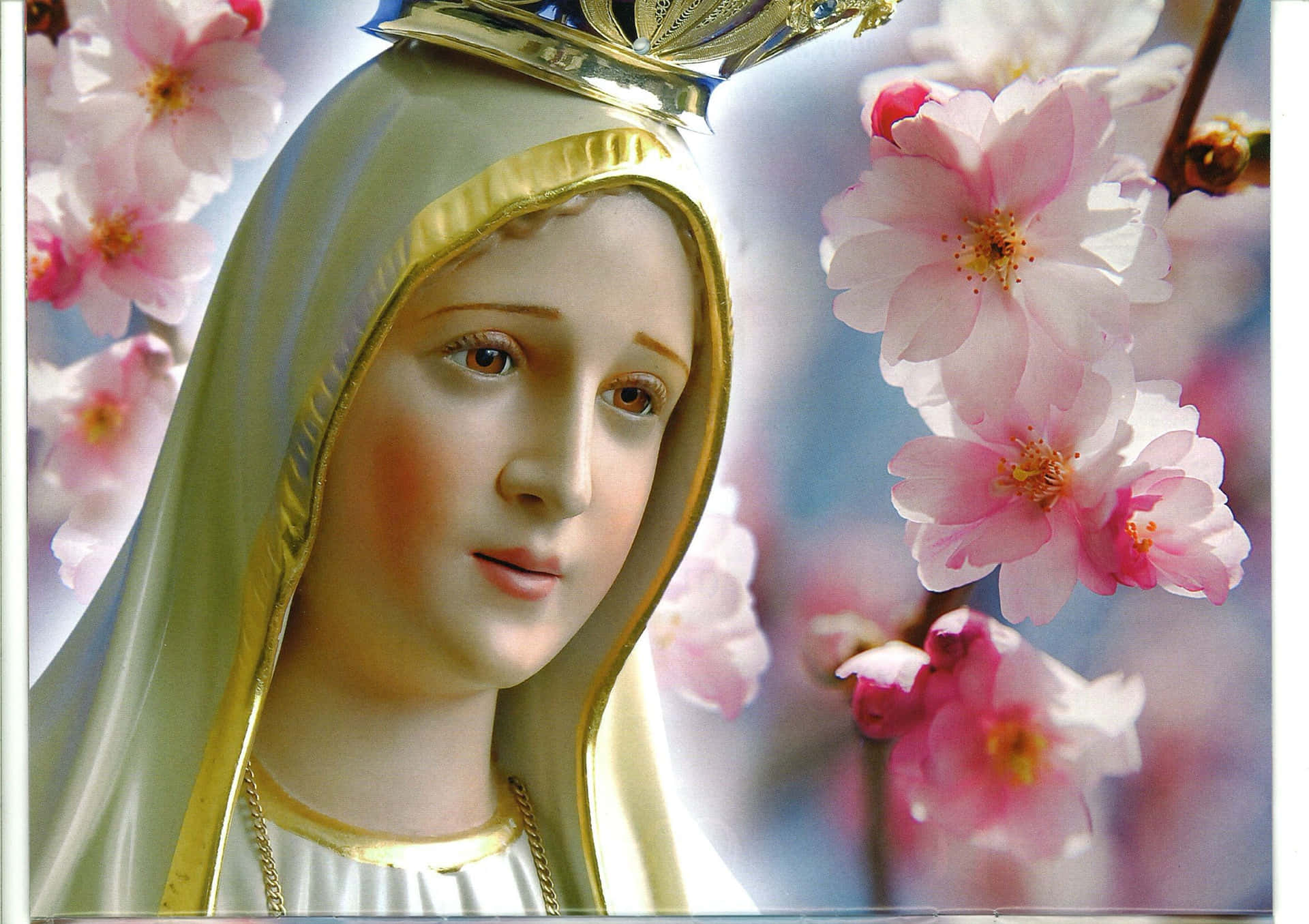
Title: The Power of Devotion to Our Lady of Fatima
Introduction: ๐ Welcome, dear readers, to an enlightening journey into the power of devotion to Our Lady of Fatima! As a devoted Christian Roman Catholic, I am excited to share with you the profound impact that devotion to the Blessed Virgin Mary can have on our lives. Let us explore the significance of this devotion and how it can strengthen our spiritual journey.
The Divine Connection: ๐ Our devotion to Our Lady of Fatima establishes a special connection with the Virgin Mary, the Mother of God. Just as Mary played a pivotal role in God's plan for our salvation by accepting to be the mother of Jesus, she intercedes for us before her Son in heaven. This devotion draws us closer to the heart of our faith.
The Example of Mary: ๐บ Our Lady of Fatima serves as an example of pure devotion and unwavering faith. Her humble response to the angel Gabriel's message teaches us to surrender ourselves completely to God's will, just as she did when she said, "Behold, I am the handmaid of the Lord; let it be done to me according to your word" (Luke 1:38). We can learn from her obedience and trust in God.
The Miracle of Fatima: โจ The apparitions of Our Lady of Fatima in 1917 in Portugal were a powerful manifestation of divine grace. Three young shepherd children, Lucia, Francisco, and Jacinta, were blessed to witness these apparitions. Mary's message during these extraordinary events emphasized the importance of prayer, conversion, and peace, offering hope and encouragement to all.
The Power of Prayer: ๐ Our devotion to Our Lady of Fatima strengthens our prayer life. Mary invites us to embrace the rosary, a powerful tool that unites us with the mysteries of Christ's life. Through the rosary, we can meditate on the joyful, sorrowful, glorious, and luminous moments of Jesus' journey on earth, deepening our spirituality and relationship with God.
The Call to Conversion: ๐ Our Lady of Fatima's message resounds with the call to conversion and repentance. She reminds us of the importance of examining our lives, recognizing our sins, and seeking forgiveness. By turning away from sin and embracing God's mercy, we open ourselves to a transformative journey of faith.
The Promise of Peace: ๐ Mary's message at Fatima emphasized the urgent need for peace in the world. She called for prayer, penance, and devotion to her Immaculate Heart as a means to obtain peace. Our devotion to Our Lady of Fatima inspires us to become ambassadors of peace, spreading love, compassion, and understanding in our daily lives.
Protection and Intercession: ๐ก๏ธ Our Lady of Fatima is a powerful advocate who intercedes for us before God. Just as Mary cared for Jesus throughout his life, she watches over us as her children. We can confidently turn to her in times of trouble, seeking her protection, solace, and guidance, knowing that she will bring our petitions to her Son.
The Healing Power of Fatima: ๐ Devotion to Our Lady of Fatima carries the potential for physical, emotional, and spiritual healing. Countless testimonies have illustrated the miraculous healings and graces bestowed upon those who earnestly seek Our Lady's intercession. By opening our hearts in faith, we allow her maternal love to envelop us.
Inspiration for Family Life: ๐ช Our devotion to Our Lady of Fatima can deeply impact our family life. Just as Mary cared for her own family, she guides us in nurturing love, harmony, and faith within our own homes. The Fatima message encourages family prayer, especially the Rosary, which strengthens the bonds between family members and fosters spiritual growth.
The Communion of Saints: โญ Our devotion to Our Lady of Fatima also connects us with the vast network of saints and holy men and women who have gone before us. Their example and intercession inspire us to persevere in faith, reminding us that we are not alone on our spiritual journey.
Mary, the Mother of God: ๐ Our devotion to Our Lady of Fatima reaffirms the central place of Mary in the Christian faith. She is not only the Mother of Jesus but also our spiritual mother. As the Catechism of the Catholic Church beautifully states, "By her complete adherence to the Father's will, to His Son's redemptive work, and to every prompting of the Holy Spirit, the Virgin Mary is the Church's model of faith and charity" (CCC 967).
The Role of Scripture: ๐ The Bible provides numerous instances highlighting Mary's significance. From her role in the Annunciation (Luke 1:26-38) to her presence at the foot of the cross (John 19:26-27), Mary's obedience, faithfulness, and love stand as a testament to her unique role in salvation history.
The Saints and Marian Devotion: ๐ Throughout history, countless saints have demonstrated deep devotion to Mary. St. Louis de Montfort, St. Maximilian Kolbe, and St. John Paul II are just a few examples of saints who have experienced the transformative power of Marian devotion and actively promoted it.
The Call to Holiness: ๐น Our devotion to Our Lady of Fatima inspires us to strive for holiness, following Mary's example as a model of virtue. Through her intercession and guidance, we are encouraged to grow in love, humility, patience, and charity, seeking to become more Christ-like in our thoughts, words, and actions.
Your Thoughts: ๐ค Now, dear readers, I would love to hear your thoughts on the power of devotion to Our Lady of Fatima. Has Marian devotion played a significant role in your own spiritual journey? How has it impacted your relationship with God and others? Share your insights and experiences below!
Updated at: 2025-06-23 09:06:36 (8 months ago by Melkisedeck Leon Shine)
```htmlIntroduction: Defining Key Concepts
This article explores the theological concept of Mary as Mediatrix, examining her role within Catholic theology and its implications for the spiritual lives of believers. We will define key terms: mediation, in this context, refers to Mary's role as an intercessor, not as a rival to Christ's unique mediation but as a conduit of divine grace. Intercession is the act of pleading on behalf of another. This exploration draws upon biblical passages, theological principles, and the historical understanding of Mary's place within the Christian faith. We will analyze the significance of Mary's role through the lens of various theological models and frameworks, including the concept of divine grace and its transmission within the context of salvation.
Mary's Divine Motherhood and Intercessory Role
The foundational basis for understanding Mary's role as Mediatrix is her divine motherhood. Luke 1:43, where Elizabeth proclaims Mary "the mother of my Lord," establishes Mary's unique relationship with Jesus, the Son of God. This divine motherhood, however, does not diminish Christ's unique mediatorship but rather provides a framework for understanding Mary's intercessory role. Theological models that emphasize the interconnectedness of the Trinity (e.g., Trinitarian theology) can illuminate this dynamic, suggesting that Mary's intercession is an expression of the divine economy, not a subversion of it. This is consistent with the principle of plenitude, where Godโs actions are both supremely powerful and simultaneously graceful and merciful. The relationship between Mary's intercession and divine grace aligns with the concept of instrumental causality, where God utilizes secondary causes (in this case, Mary's prayer) to achieve His purposes.
Biblical Examples of Mary's Intercession
The wedding at Cana (John 2:1-12) serves as a prime example of Mary's intercessory role. Her intervention prompts Jesus's first miracle, illustrating her capacity to influence His actions on behalf of others. This episode demonstrates the efficacy of prayer and its influence on divine action. This can be understood using the framework of communicatio idiomatum, emphasizing the union between Christ's humanity and divinity, suggesting Mary's appeal to him leveraged his divine nature while simultaneously respecting his human experience. This model highlights the interaction between divine sovereignty and human participation in the divine plan.
Mary in Catholic Devotion and Tradition
Catholic devotion, particularly the Rosary, highlights Mary's mediatorial role. The repetitive prayer of the Hail Mary explicitly requests her intercession. The Rosary itself can be viewed through the lens of participatory theologies, emphasizing the active role of believers in cooperating with God's grace. This active participation is further reinforced by the theological concept of sanctification, wherein the believer gradually becomes more holy and Christ-like. The saints' unwavering faith in Mary's mediation further supports this aspect, underscoring the historical understanding of her role within the Catholic Church.
Mary's Role in the Ecclesial Context
The Catholic Church's consistent affirmation of Mary's mediatorship underscores its theological significance. Statements by Popes, such as Pope St. John Paul IIโs reflections on Mary's role in the mystery of redemption, emphasize her position as Mother of Christ and mother to humanity. This perspective aligns with the Church's understanding of the communion of saints, highlighting the interconnectedness of believers across time and space. It also emphasizes the ecclesial nature of salvation, suggesting that the Church is not merely an institution but a living body united in Christ and actively participating in God's saving grace, mirroring the communal aspects of the early church as depicted in the Acts of the Apostles.
The Assumption and Mary's Heavenly Glory
The dogma of the Assumption underscores Mary's unique relationship with Christ, affirming her bodily ascension into heaven. This belief signifies her ultimate triumph over sin and death, reinforcing her role as a model of faithful discipleship. This aligns with the broader Christian concept of eschatology, the study of final things, suggesting a preview of the ultimate victory over death and the promise of heavenly glory. The Assumption can be viewed as a prefiguration of the future hope for all believers, underscoring the significance of Mary's example in the context of Christian discipleship. The theological implications of this belief point to the eschatological fulfillment of salvation history.
Mary's Maternal Love and Our Personal Relationship with Her
Mary's maternal love, evident in her care for Jesus and her continued solicitude for humanity, encourages a personal relationship with her as a loving mother. This personal aspect resonates with the concept of agape, the self-sacrificing love characteristic of God's love for humanity. Her example fosters a deep, nurturing connection with believers seeking guidance and support in their spiritual journeys. Mary's role isn't solely theological; it's profoundly pastoral, providing comfort, guidance, and an example of faith and surrender.
Conclusion and Recommendations
The theological exploration of Mary as Mediatrix reveals a profound and multifaceted understanding of her role within the Christian faith. Her intercessory role, rooted in her divine motherhood and supported by biblical examples and theological reflection, offers believers a powerful model of faith and surrender. Future research could explore further the relationship between Mary's mediatorship and contemporary theological debates, specifically investigating comparative approaches from different Christian denominations. Analyzing different devotional practices focused on Mary across cultures and their impact on the spiritual formation of believers could also provide further insights. The concept of Marian devotion requires continued analysis and discussion to fully understand its nuances and impact on the Christian faith.
Reader Pool:
Considering the various theological perspectives presented, how might a deeper understanding of Mary's mediatorship enrich contemporary approaches to prayer and spiritual growth within the Christian community?
```
Updated at: 2025-06-19 15:43:38 (8 months ago by Melkisedeck Leon Shine)
```htmlThis discourse explores the multifaceted role of Mary within Catholic theology, examining her significance as an advocate and protector of believers. We will analyze her unique position, utilizing theological concepts and principles to illuminate her importance in the spiritual lives of Catholics. Key terms such as intercession (the act of pleading on behalf of another), Theotokos (God-bearer), and Immaculate Conception will be defined and applied to contextualize Mary's role.
Mary's Unique Ontological Status and the Example of Faith
Mary's pivotal role as the Theotokos, the Mother of God, establishes her unparalleled position within Christian history and theology. Luke 1:43, where Elizabeth proclaims Mary as the mother of her Lord, underscores this divine maternity. This unique status is not merely biological; it establishes her as intrinsically linked to the divine plan of salvation. Furthermore, Mary's unwavering obedience to God's will, as exemplified by her acceptance of Gabriel's annunciation (Luke 1:38), "Behold, I am the handmaid of the Lord; let it be to me according to your word," provides a powerful model of faith and submission to divine providence. This illustrates the theological concept of kenosis, the self-emptying of one's will for the sake of God's, a principle central to Christian spirituality.
Mary as Intercessor: A Mediatory Role within the Communion of Saints
The Catholic Church affirms Mary's role as an intercessor, based on scriptural examples like her intervention at the wedding at Cana (John 2:3). This intercessory role, rooted in the concept of the Communion of Saints, posits that those in heaven, through their union with Christ, can pray for and advocate on behalf of those still on Earth. The Catechism of the Catholic Church reinforces this concept, highlighting Mary as a model of faith and charity. The Hail Mary prayer encapsulates this understanding, directly requesting Mary's intercession. This concept of mediation is not seen to contradict Christ's unique role as sole mediator, rather, it is understood as a collaborative act within the overall economy of salvation.
Mary's Protective Role and the Development of Marian Piety
Mary's role as protector is evident in various titles bestowed upon her, such as "Queen of Heaven." This title symbolizes her guardianship over humanity, reflecting the maternal protection associated with the archetype of the divine feminine. The devotion to the Immaculate Heart of Mary highlights her compassionate love for humanity and her sorrow for sin. This devotion underscores the potential for human reconciliation and divine mercy, reflecting the core tenets of Catholic soteriology. Furthermore, the emphasis on Mary's perpetual virginity underscores her complete consecration to God, enhancing her symbolic purity and serving as an aspirational model of holiness within the theological framework of Christian ethics.
Mary's Significance Across Christian Traditions
The veneration of Mary transcends denominational boundaries. The Orthodox tradition venerates her as the Theotokos, emphasizing her crucial role in the Incarnation. The similarities and differences in Marian piety across various Christian traditions illustrate the evolving interpretations of scripture and the diverse ways in which believers engage with their faith. This demonstrates the dynamic nature of religious interpretation and the ongoing dialogue within Christianity.
Mary as a Pathway to Christ: Avoiding Misinterpretations
It is essential to clarify that Mary's role as advocate does not diminish the centrality of Jesus Christ as the sole mediator between God and humanity. Rather, Mary's intercession is understood as a guiding path towards Christ, fostering a deeper relationship with Him. The devotion to Mary is not an obstacle but a means to spiritual growth, aligning with the concept of via negativaโfinding God through what He is notโand emphasizing the importance of spiritual practices within the context of sacramental theology.
Conclusion and Recommendations
Maryโs significance in Catholic theology extends far beyond a simple veneration. Her role as intercessor, protector, and exemplar of faith forms an integral component of Catholic spirituality. Further research could explore the evolution of Marian doctrines across historical periods, analyzing the social and cultural factors influencing these developments. A comparative theological study examining Marian piety across various Christian traditions would provide valuable insights into the diverse interpretations of Mary's role and their impact on Christian life. Understanding Mary's role necessitates a nuanced understanding of scripture, tradition, and the evolving theological discourse within the Church, emphasizing the importance of ecumenical dialogue and respectful interfaith engagement.
Reader Pool: In what ways do you believe the concept of Mary as an intercessor complements or challenges the understanding of Christ's unique mediatorial role within Christian theology?
```
Updated at: 2025-06-23 05:55:08 (8 months ago by Melkisedeck Leon Shine)
This essay examines the pivotal role of the Virgin Mary within the framework of Christian soteriology, employing theological concepts and principles to illuminate her significance in God's plan of salvation. Key terms will be defined to ensure clarity and precision. "Soteriology" refers to the study of salvation, encompassing the doctrines of Christ's atoning death and resurrection, and the application of this salvation to humanity. "Immaculate Conception" signifies Mary's conception free from original sin. "Perpetual Virginity" highlights Mary's virginity before, during, and after the birth of Jesus. These concepts underpin the theological analysis presented here.
Conclusions and Recommendations: This analysis demonstrates that Mary's role in salvation history is multifaceted and profoundly significant. Her unique position as the Theotokos, her unwavering faith, and her intercessory role are integral to Christian theology and devotion. Further research could explore comparative theological analyses of Marian doctrines across different Christian traditions, examining variations and commonalities in understanding Mary's significance. The application of these principles to contemporary pastoral care and spiritual formation could enhance a deeper understanding of Maryโs role as a model of faith for believers.
Reader Pool: Considering the multifaceted theological perspectives presented in this essay, what implications might a nuanced understanding of Mary's role hold for contemporary theological discourse and spiritual practices?
Updated at: 2023-08-05 13:20:11 (2 years ago by Melkisedeck Leon Shine)
Article Title: Mary, Our Mother and Guide: Navigating Life's Challenges
Introduction: ๐ Welcome to a beautiful journey of faith, where we delve into the significance of Mary, the Mother of God, as our guiding star in life's challenges. As Roman Catholics, we hold a deep reverence for Mary and recognize her as a powerful intercessor and a loving mother who walks beside us on our spiritual path. Let us embark on this adventure together, discovering the wisdom and strength that Mary offers us in navigating life's trials.
Mary, the Mother of God: ๐น Mary holds a unique place in Christianity as the Mother of Jesus, the Son of God. Throughout the Bible, we see her unwavering faith and obedience to God's will, which inspires us to cultivate our own relationship with Him. She embodies the virtues of humility, purity, and devotion, serving as a role model for all believers.
Intercession of Mary: ๐ The Catholic Church teaches that Mary, as the Mother of God, has a special place in heaven and intercedes for us before her Son. Just as she interceded at the wedding feast of Cana, where Jesus performed His first public miracle, she continues to pray for us and offers our intentions to Jesus, her Son and our Savior. Mary's intercession provides us comfort and hope, knowing that she is always there for us.
Mary as a Guide in Difficult Times: ๐ When faced with challenges, Mary's example gives us solace and guidance. Throughout her life, she encountered numerous trials, from the uncertainty surrounding Jesus' birth to witnessing His crucifixion. Yet, she never lost faith and trusted in God's plan. In times of distress, we can turn to Mary, seeking her intercession and asking for her guidance to navigate our own difficulties.
The Rosary: A Powerful Devotion: ๐ฟ The rosary is a beloved Catholic devotion that helps us meditate on the life of Christ through the eyes of Mary. By reciting the prayers and contemplating the mysteries, we invite Mary to accompany us in our daily struggles. This prayerful connection with Mary strengthens our faith and brings us closer to Jesus, enabling us to face life's challenges with renewed courage.
Immaculate Conception: โจ The dogma of the Immaculate Conception, proclaimed by Pope Pius IX in 1854, affirms that Mary was conceived without original sin. This unique privilege bestowed upon her highlights her role as the vessel chosen by God to bear His Son. Mary's purity and sinlessness inspire us to strive for holiness in our own lives, even amidst the difficulties and temptations we encounter.
Apparitions and Messages: ๐ Throughout history, various apparitions of Mary have occurred, accompanied by profound messages of love, repentance, and hope. These apparitions, such as Our Lady of Guadalupe and Fatima, serve as reminders of Mary's maternal presence in our lives. They call us to turn to her in prayer and seek her guidance in times of trouble, just as countless individuals have done throughout the centuries.
The Magnificat: ๐ถ Mary's Magnificat, found in the Gospel of Luke, is a beautiful hymn of praise and thanksgiving to God. It expresses her gratitude for being chosen as the mother of the Savior and her trust in His promises. By contemplating the Magnificat, we can learn from Mary's humility and gratitude, finding strength and comfort in our own lives.
Mary, Our Refuge: ๐ฐ Just as a loving mother offers her children a safe haven, Mary provides us with refuge in our times of need. In moments of despair or uncertainty, we can turn to her, knowing that she will cradle us in her maternal embrace and bring our concerns before God. Her love and compassion are a constant source of comfort and reassurance in our journey through life's challenges.
The Assumption of Mary: ๐ The Assumption of Mary, a dogma proclaimed by Pope Pius XII in 1950, affirms that Mary was taken body and soul into heaven at the end of her earthly life. This belief reflects the honor and glory bestowed upon her by God, as she was the first to share in the resurrection of the body. Mary's Assumption reminds us of the hope we have in Christ's victory over death and the eternal life that awaits us.
Mary, Our Spiritual Mother: ๐บ As Roman Catholics, we believe that Mary is not only the Mother of Jesus but also our spiritual mother. Jesus, while on the cross, entrusted her to John, and through him to all of us. Just as a devoted mother cares for her children, Mary guides and nurtures us in our spiritual journey, leading us closer to her Son.
The Catechism of the Catholic Church: โ๏ธ The Catechism of the Catholic Church teaches us about the importance of Mary's role in our faith. It states, "Mary is the perfect Orans (pray-er), a figure of the Church. When we pray to her, we are adhering with her to the plan of the Father, who sends his Son to save all men. Like the beloved disciple, we welcome Jesus' mother into our homes, for she has become the mother of all the living" (CCC 2679).
Saints and Their Devotion to Mary: ๐ Numerous saints throughout history have expressed their deep devotion to Mary, recognizing her as a powerful intercessor and guide. Saints such as St. Louis de Montfort, St. Maximilian Kolbe, and St. Teresa of Calcutta had a profound love for Mary, seeing her as a source of strength and inspiration in their own spiritual journeys. Their examples encourage us to embrace Mary as our mother and seek her guidance.
Mary's Fiat: ๐๏ธ Mary's fiat, her "yes" to God's plan, teaches us the importance of surrendering ourselves to God's will. Her complete trust in Him, even in the face of uncertainty, serves as a beacon of faith for us. As we encounter challenges in our lives, let us strive to imitate Mary's fiat, offering our own "yes" to God's loving plan for us.
Mary in Art and Devotions: ๐จ Throughout history, artists have depicted Mary in various forms, capturing her beauty, grace, and maternal love. From paintings to sculptures to music, these artistic representations help us connect with Mary on a deeper level. Additionally, devotions such as May crowning ceremonies and Marian processions allow us to express our love and veneration for Mary in a tangible way.
Conclusion: ๐ In the journey of life, Mary, our Mother and Guide, offers us unwavering love, intercession, and guidance. Through her example and intercession, we can find solace and strength in the face of life's challenges. Let us embrace Mary as our spiritual mother, seeking her intercession and following her guidance on our path to holiness. How has Mary influenced your life, and how can her love and guidance help you navigate your own challenges? Share your thoughts and experiences below!
Updated at: 2025-06-19 15:28:59 (8 months ago by Melkisedeck Leon Shine)
Mary's Queenship: A Christocentric Examination of Marian Theology in the Catholic Tradition
Introduction
The Virgin Mary occupies a position of singular veneration within Roman Catholicism. This article undertakes a comprehensive theological analysis of Mary's elevated status, focusing particularly on the concept of her queenship. We will explore the scriptural foundations, doctrinal evolution, and spiritual implications of Marian queenship, employing established theological frameworks. Key concepts, including Marian doctrines (Immaculate Conception, Perpetual Virginity, Assumption), Christology (the study of Jesus Christ), and intercessory prayer, will be defined and applied within a historical and systematic theological context. The analysis will utilize systematic theology, a method that seeks to synthesize biblical teachings, tradition, and reason to build a coherent and comprehensive understanding of faith. This systematic approach contrasts with other methods, such as historical theology, which focuses primarily on the historical development of doctrine, or biblical theology, which derives its understanding exclusively from scripture.
1. The Theotokos and the Incarnation: Foundational Christology
The Council of Ephesus (431 CE) formally declared Mary "Theotokos," meaning "God-bearer." This christological affirmation, central to understanding Mary's unique role, underscores her participation in the Incarnation. The councilโs decision exemplifies the application of conciliar processesโa vital mechanism within the Catholic Church for clarifying and solidifying theological tenetsโin resolving disputes and establishing doctrinal consensus. This process highlights the importance of reasoned discourse and scriptural exegesis in the formulation of official Church teaching. Applying this to modern contexts, the principle of conciliarity emphasizes the need for collaborative, well-reasoned theological dialogue in contemporary discussions of faith and doctrine.
2. Perpetual Virginity: A Theological Interpretation of Scriptural Texts
The doctrine of Mary's perpetual virginity, while not explicitly detailed in all biblical passages, is a deeply held belief within the Catholic Church. This belief signifies her purity and holiness, emphasizing her role as the chosen instrument of God's Incarnation. The application of this doctrine demonstrates how theological tradition and hermeneutical interpretation build upon and extend scriptural accounts. Different interpretive lensesโsome emphasizing the literal understanding of Matthew 1:25, others focusing on symbolic interpretations of the textโillustrate the complexities of scriptural interpretation and its role in shaping doctrinal developments. This necessitates a robust understanding of hermeneutical principles to navigate diverse interpretations within the Church.
3. Mary as the New Eve: Typological Interpretation and Redemption
The comparison of Mary to Eve offers a powerful typological lens for understanding her role in salvation history. Where Eve's disobedience initiated the Fall, Mary's obedience at the Annunciation, signified by her "fiat," reversed this trajectory through the Incarnation of Christ. This application of typology, an interpretive method identifying parallels between Old and New Testament figures, underscores the redemptive work of Christ, with Mary acting as a pivotal mediating figure. Understanding this typology requires a deep familiarity with both Old and New Testament narratives, allowing for a nuanced appreciation of the connections and contrasts between Eve and Mary. This typological analysis provides a rich framework for understanding the narrative arc of salvation history.
4. The Assumption: Eschatological Implications and Marian Glory
The dogma of the Assumption (1950), asserting Mary's bodily ascension into heaven, is rooted in early Christian tradition and finds resonance with the resurrection of Christ. This doctrine elevates Mary to unparalleled glory and prefigures the ultimate destiny of all believers. This illustrates how theological reflection, guided by tradition and scripture, leads to the development of new doctrines that further elucidate the Church's understanding of faith. The declaration of this dogma by papal authority exemplifies the hierarchical structure of the Catholic Church and its role in defining and clarifying theological concepts to foster doctrinal unity and consistency.
5. Marian Queenship: Intercession and Advocacy
The title "Queen of Heaven and Earth" reflects Mary's exalted position and her role as intercessor for humanity. This builds upon the understanding of Mary's participation in the economy of salvation. The analogy of a queen interceding for her people offers a relatable framework for comprehending Mary's role as advocate before her Son. While the analogy provides accessibility, it does not diminish the transcendent nature of her queenship; instead, it exemplifies the creative application of theological communication strategies to convey complex truths effectively. This highlights the importance of effective communication in theological discourse.
6. Marian Piety and the Saints: A Sociological and Anthropological Perspective
The profound devotion to Mary demonstrated by countless saints underscores her impact on the spiritual lives of believers. This fervent piety offers a rich sociological and anthropological lens through which to understand the development and impact of Marian theology within the context of religious practice. Analyzing the lived experiences and expressions of faith of these saints provides valuable insight into the cultural and historical contexts shaping Marian devotion and its enduring influence on individual piety and communal worship. This approach demonstrates the application of interdisciplinary methodologies to theological inquiry.
7. Mary as Spiritual Mother: A Bond of Spiritual Maternity
Jesus' entrustment of Mary to John at the crucifixion ("Woman, behold your son!โฆ Behold your mother!") establishes her spiritual motherhood extending to all believers. This maternal role fosters a deep spiritual connection between Mary and the faithful. This interpretation, born from careful biblical exegesis and theological reflection, expands our understanding of Maryโs enduring role in the lives of believers. This concept of spiritual motherhood has profound implications for understanding the relationship between the Church and its members.
8. Intercessory Power: Scriptural Examples and Theological Significance
The miracle at Cana, where Mary intercedes with Jesus, serves as a powerful example of her intercessory role. This event provides a model for the faithful, highlighting the efficacy of prayer and the importance of seeking Mary's intercession. The use of this scriptural narrative reinforces the importance of applying concrete biblical examples to illustrate abstract theological concepts and making them more accessible and relatable for believers.
Conclusion and Recommendations
The Catholic understanding of Mary's elevated status rests firmly upon scripture, tradition, and reasoned theological discourse. This analysis has explored the multifaceted application of various theological concepts and interpretive methods in understanding her queenship. Future research could benefit from comparative studies examining diverse expressions of Marian devotion across various cultures and Christian denominations. This comparative approach will illuminate the nuanced interpretations and adaptations of Marian theology throughout history. Additionally, a deeper investigation into the efficacy, psychological impact, and theological implications of Mary's intercessory role within the context of prayer and faith would yield valuable insights. These research endeavors require a sensitive and nuanced approach, balancing theological precision with pastoral considerations.
Reader Pool:
How can a comprehensive understanding of Mary's role within Catholic theology contribute to a more nuanced and effective approach to contemporary pastoral care and spiritual direction?
Updated at: 2023-08-05 13:20:13 (2 years ago by Melkisedeck Leon Shine)
The Assumed Role of Mary in the Early Church
๐ Introduction ๐
In the early years of the Church, the role of Mary, the Mother of God, was not only highly regarded but also widely celebrated. As a devout Christian Roman Catholic, it brings me great joy to delve into the intriguing topic of Mary's assumed role during this significant period. Let us explore the fascinating aspects surrounding the beloved Mother of Jesus and her influence on the early Church.
1๏ธโฃ Mary, the Ever-Virgin ๐น
From a Christian perspective, it is crucial to acknowledge that the doctrine of Mary's perpetual virginity is deeply rooted in the early Church. It is believed that Mary remained a virgin before, during, and after the birth of Jesus Christ. This belief is based on biblical evidence, such as the Gospel of Matthew 1:25, which states, "But he did not consummate their marriage until she gave birth to a son. And he gave him the name Jesus."
2๏ธโฃ Mary, Mother of God ๐
One of the most significant roles Mary assumed in the early Church was that of the "Theotokos," meaning "Mother of God." This title emphasizes the belief that Mary gave birth to Jesus, who is both fully human and fully divine. This concept is supported by the Gospel of Luke 1:43, where Elizabeth proclaims, "But why am I so favored, that the mother of my Lord should come to me?"
3๏ธโฃ Mary, the New Eve ๐
In addition to being the Mother of God, Mary is often referred to as the New Eve in early Christian theology. Just as Eve played a critical role in the fall of humanity, Mary, through her obedience and humility, played an instrumental part in the redemption of mankind. This parallel is beautifully depicted in the Catechism of the Catholic Church (494), which states, "She is 'the new Eve,' the true mother of all the living."
4๏ธโฃ Mary, the Ark of the New Covenant โช
Another fascinating aspect of Mary's assumed role in the early Church is her association with the Ark of the Covenant. In the Old Testament, the Ark contained the tablets of the Ten Commandments, symbolizing God's presence among His people. Similarly, Mary, as the bearer of Jesus, came to be seen as the new Ark, carrying within her womb the Word of God made flesh. This connection is beautifully illustrated in the book of Revelation 11:19, where John sees "the ark of his covenant" in the heavenly sanctuary.
5๏ธโฃ Mary, the Intercessor ๐
Mary's intercessory role in the early Church cannot be overlooked. As a loving mother, she is believed to intercede on behalf of all believers, presenting their prayers to her Son, Jesus Christ. This belief is supported by the Gospel of John 2:3-5, where Mary intercedes at the Wedding at Cana, saying, "They have no more wine." This act of intercession led to Jesus' first miracle, highlighting her powerful role.
6๏ธโฃ Mary, a Model of Faith and Humility ๐บ
Mary's exemplary faith and humility have served as a model for Christians throughout history. Her "yes" to God's plan of salvation, as seen in Luke 1:38, where she says, "I am the Lord's servant. May your word to me be fulfilled," teaches us the importance of surrendering to God's will with trust and obedience. Her unwavering faith encourages us to emulate her virtues in our own lives.
7๏ธโฃ Mary, the Queen of Heaven ๐
The early Church also recognized Mary as the Queen of Heaven, acknowledging her exalted position as the Mother of God. This title finds its roots in the book of Revelation 12:1, where John sees "a woman clothed with the sun, with the moon under her feet, and a crown of twelve stars on her head." This depiction symbolizes Mary's role as the queenly mother of the Church.
8๏ธโฃ Mary, A Relationship with the Saints ๐
Mary's close relationship with the saints in the early Church is a testament to her esteemed role. Just as we can turn to our friends and family for intercessory prayers, we can also seek the intercession of Mary and the saints, who stand before the throne of God. This understanding is beautifully expressed in the Catechism of the Catholic Church (2683), which states, "Because of their communion with the saints, the Church is inseparably linked to the heavenly liturgy."
9๏ธโฃ Mary, An Inspiration to Artists ๐จ
Throughout the history of art, Mary has been a beloved subject of countless masterpieces. Painters, sculptors, and musicians have drawn inspiration from her beauty, grace, and purity. These artistic representations have not only captured Mary's physical appearance but also aimed to convey her spiritual significance to the early Church as the Mother of God.
๐ Mary, A Source of Hope and Comfort ๐
Mary's assumed role in the early Church also included being a source of hope and comfort for believers. Just as a mother consoles her children, Mary offers solace to those who approach her with their sorrows and joys. Her compassionate nature is reflected in her appearance to St. Juan Diego in Guadalupe, Mexico, where she shared a message of love and healing to bring peace to a troubled world.
๐ค Opinion ๐ค
As we reflect on the assumed role of Mary in the early Church, it is evident that her influence was profound and multifaceted. From her perpetual virginity to her intercessory role and her embodiment of faith and humility, Mary is a cherished figure in Christian Roman Catholic spirituality. Through her example, she continues to inspire countless believers to deepen their relationship with Jesus and strive for holiness.
What are your thoughts on Mary's assumed role in the early Church? How has her devotion impacted your spiritual journey? Let us celebrate the blessedness of the Mother of God and honor her role in our faith. ๐น๐โจ
Updated at: 2025-06-05 10:56:14 (9 months ago by Melkisedeck Leon Shine)
This article explores the theological concept of Mary, the mother of Jesus, as a conduit of divine grace within Catholic theology. We will examine key biblical passages, theological interpretations, and devotional practices to analyze her role in Christian spirituality. Central to this discussion are the concepts of theosis (the process of becoming more like God), intercession (prayer on behalf of others), and Marian devotion (religious practices centered on Mary). These concepts provide a framework for understanding the multifaceted role Mary plays within the Catholic faith.
1. The Annunciation and the Incarnation: The Foundation of Marian Theology
The angel Gabriel's greeting to Mary, "Hail, full of grace, the Lord is with thee," (Luke 1:28) marks the pivotal moment of the Annunciation. This salutation, rich in theological significance, establishes Mary's unique relationship with God and her pivotal role in the Incarnation. The acceptance of the divine mandateโchoosing to bear the Son of Godโpositions Mary as a crucial instrument in God's redemptive plan. This event is a cornerstone of Marian theology, showcasing Mary's complete surrender to God's will and her role as the Theotokos (God-bearer).
2. Mary as Intercessor: A Model of Faith and Prayer
The episode at the wedding feast in Cana (John 2:1-11), where Mary intercedes with Jesus on behalf of the wedding party, illustrates her role as a powerful intercessor. This event demonstrates not only her understanding of Jesus's divine power but also her compassionate concern for others and her faith in her Son's ability to perform miracles. Applying this concept practically, we see Mary's intercession as a powerful model for prayer: her actions highlight the importance of unwavering faith and persistent prayer in seeking divine intervention.
3. The Magnificat: A Proclamation of Divine Grace and Humility
Mary's Magnificat (Luke 1:46-55) is a profound prayer of praise and thanksgiving, reflecting the principles of kenosis (self-emptying) and theosis. Her humble acceptance of God's grace and her acknowledgment of His power are central to this prayer. This prayer serves as a potent example of recognizing the transformative power of grace, highlighting the importance of humility and receptivity in the pursuit of spiritual growth. The Magnificat underscores Mary's deep understanding of God's plan and her willingness to participate actively in it.
4. Marian Theology in the Catechism of the Catholic Church
The Catechism of the Catholic Church formally recognizes Mary as "the Mother of God" and "the model of the Church's faith." This declaration establishes the theological basis for Marian devotion, emphasizing Mary's unique position within Christian theology. The Church's recognition of Mary's role is not merely sentimental; it's grounded in scripture and tradition, recognizing her profound contribution to salvation history. The Catholic Church's understanding of Mary supports the concept of the Church as a "mother" reflecting nurturing and caring characteristics.
5. Marian Devotion Throughout History: Influential Figures and Practices
The history of Christianity is replete with examples of Marian devotion. The writings of saints like Louis de Montfort, who emphasizes entrusting oneself to Mary's maternal care in his "True Devotion to Mary," highlight the enduring significance of Marian piety. The Rosary, a traditional Catholic prayer, provides a structured framework for meditation on the mysteries of Christ's life, emphasizing Mary's role as a companion on the spiritual journey. These devotional practices offer practical avenues for spiritual development, fostering a deeper connection with God through Mary's intercession.
6. Mary: A Model of Faith and Obedience
Mary's response to the angel Gabriel, "Behold, I am the handmaid of the Lord; let it be to me according to your word" (Luke 1:38), exemplifies absolute faith and obedience to God's will. This willingness to submit completely to God's plan showcases the transformative potential of faith and the importance of surrendering personal will to God's divine plan. Mary's example serves as a model for all Christians, encouraging us to embrace God's will with humility and trust.
7. Mary's Continuing Intercession: Present and Future
Catholic belief affirms that Mary's intercession is not confined to the past; she continues to pray for humanity and advocates before God. This belief reinforces the concept of the Communion of Saints, highlighting the interconnectedness of believers in prayer and mutual support. This concept invites believers to engage in a continual dialogue of faith, recognizing Maryโs role as a spiritual mentor.
Conclusions and Recommendations
The examination of Marian theology reveals Mary's multifaceted role as a conduit of divine grace. From the Annunciation to her continuing intercession, her life offers a powerful model of faith, obedience, and humble service to God. Marian devotion, when properly understood, is not about venerating Mary herself but about acknowledging her unique place in salvation history and seeking her intercession to draw closer to Christ. Further research should explore the diverse expressions of Marian devotion across different cultures and theological traditions, emphasizing the universality and cultural relevance of Marian piety.
Reader Pool: How might a deeper understanding of Mary's role within the broader context of Catholic ecclesiology enrich personal spiritual growth and the development of community?