Mary's Immaculate Conception: A Sign of God's Grace
Welcome Back.
Updated at: 2023-08-05 13:19:29 (2 years ago by Melkisedeck Leon Shine)
Mary's Immaculate Conception: A Sign of God's Grace
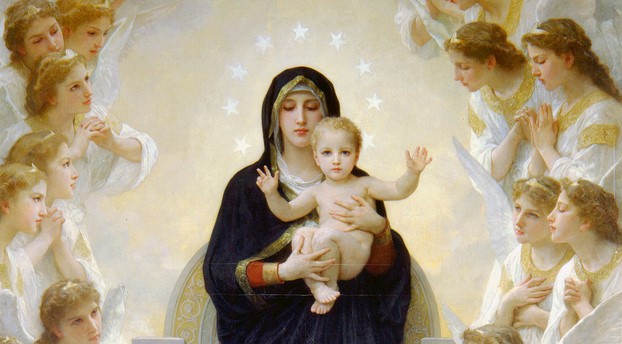
๐ Introduction ๐
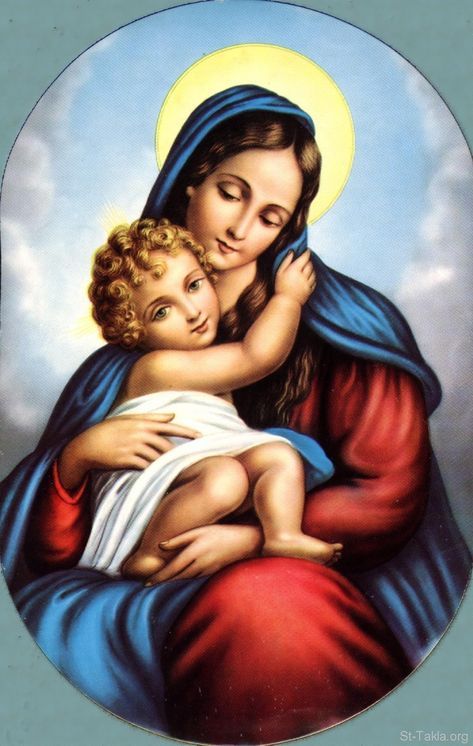
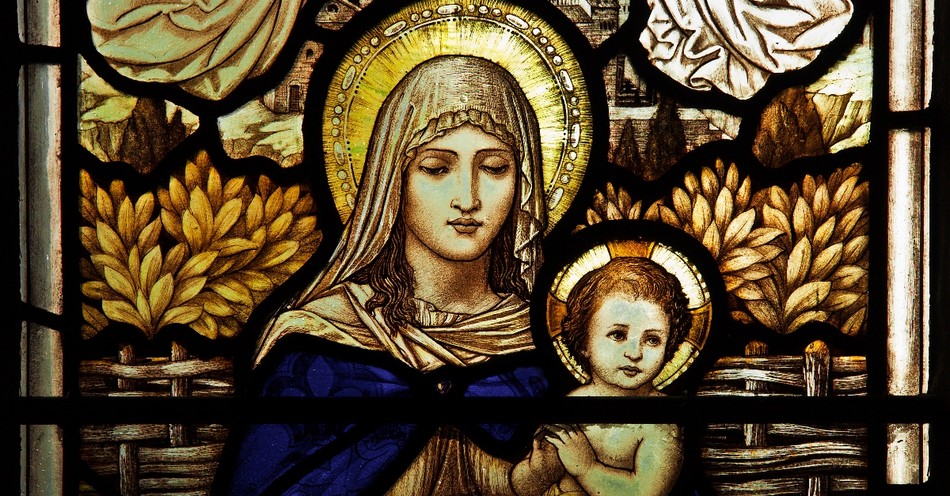
Greetings, fellow believers! Today, we delve into a topic that holds immense significance in the realm of Christianity: Mary's Immaculate Conception. ๐ The doctrine of the Immaculate Conception teaches us about the extraordinary grace bestowed upon Mary by God, setting her apart from all other humans from the moment of her conception. Let's explore this beautiful concept that strengthens our faith and highlights the immense love God has for each one of us.
1๏ธโฃ Mary, the Chosen One ๐น
From the very beginning, God had a special plan for Mary. ๐ In Luke 1:28, we find the angel Gabriel addressing Mary as "full of grace." This divine title indicates that Mary was chosen to be the vessel through which God's grace would be poured out into the world. By preserving her from original sin, God prepared her to be the Mother of His Son, Jesus Christ, the Savior of humanity.
2๏ธโฃ Mary's Role in Salvation History ๐
As Catholics, we believe that Mary's Immaculate Conception was essential for the fulfillment of God's plan for humanity's redemption. Just as Adam and Eve's disobedience brought original sin into the world, Mary's obedience and sinlessness allowed her to become the New Eve, participating in the victory of her Son over sin and death. Through her, God's grace entered the world in its fullest form.
3๏ธโฃ Biblical Examples ๐
The Bible provides us with examples that point towards Mary's Immaculate Conception. In Genesis 3:15, God promises that the woman will have enmity with the serpent, and her offspring will crush its head. This promise foreshadows Mary's role as the mother of Jesus, who defeated sin and death on the cross. Furthermore, the Ark of the Covenant in the Old Testament serves as a prefiguration of Mary, as both were set apart by God to carry His presence.
4๏ธโฃ Catechism of the Catholic Church ๐
The Catechism of the Catholic Church beautifully explains the significance of Mary's Immaculate Conception. In paragraph 490, it states, "To become the mother of the Savior, Mary was enriched by God with gifts appropriate to such a role." This teaching reaffirms that God's perfect plan for Mary involved her being conceived without original sin, emphasizing her unique and holy position as the Mother of God.
5๏ธโฃ Mary, the Model of Holiness ๐ท
Mary's Immaculate Conception serves as a powerful reminder of what God's grace can achieve in a human life. Through her obedience and purity, Mary shows us the path to holiness. She is a living example of how God's grace can transform ordinary individuals into vessels of His love and mercy. As Catholics, we look up to Mary as a role model, seeking her intercession and following in her footsteps.
6๏ธโฃ The Saints' Devotion to Mary ๐
Throughout the history of the Catholic Church, numerous Saints have expressed their deep devotion to Mary and recognized the significance of her Immaculate Conception. Saint Maximilian Kolbe, a heroic martyr of the Holocaust, once said, "The Immaculate alone has from God the promise of victory over Satan." Saints such as Saint Louis de Montfort and Saint Padre Pio also had a profound love for Mary and encouraged others to embrace her as their spiritual mother.
7๏ธโฃ The Power of Mary's Intercession ๐
Just as Mary played a pivotal role in the life of Jesus, she continues to intercede for us in Heaven. ๐ We can approach Mary, our Immaculate Mother, with confidence, knowing that she understands our struggles and desires to guide us closer to her Son. Her Immaculate Conception highlights her unique ability to intercede for us and obtain graces from God on our behalf.
8๏ธโฃ A Call to Embrace God's Grace ๐
Mary's Immaculate Conception is not merely a theological concept; it offers us a profound invitation to embrace the grace of God in our own lives. Just as Mary was chosen and given a particular mission, each one of us has a unique purpose in God's plan. Let us open our hearts to God's grace and strive to follow Mary's example of humility, obedience, and trust in His divine providence.
9๏ธโฃ Conclusion and Opinion โจ
In conclusion, Mary's Immaculate Conception is a powerful sign of God's boundless grace and love for humanity. Through her sinless conception, she became the perfect vessel to bring forth our Savior, Jesus Christ. Let us honor and love Mary, our Immaculate Mother, seeking her intercession and allowing her example to inspire us on our journey of faith. What are your thoughts on Mary's Immaculate Conception? How has it impacted your spiritual life? Share with us your opinion and let us continue to grow together in our love for the Mother of God. ๐น๐
Updated at: 2025-06-05 10:09:12 (9 months ago by Melkisedeck Leon Shine)
```htmlIntroduction: Conceptualizing Grief and the Marian Paradigm
Grief, a ubiquitous human experience, is characterized by profound emotional distress following loss. This article examines grief through a theological lens, specifically exploring the Marian paradigmโutilizing the life and sorrows of the Virgin Mary as a framework for understanding and coping with personal loss. We will analyze the Seven Sorrows of Mary, applying relevant psychological and theological frameworks to illustrate how her experiences offer profound spiritual and emotional resonance for those navigating grief. Key concepts include the stages of grief (Kรผbler-Ross model), spiritual coping mechanisms, and the concept of intercessory prayer within the Catholic faith.
The Seven Sorrows: A Spiritual Journey Through Loss
The Catholic tradition delineates seven sorrows experienced by Mary, each representing a distinct phase of loss and suffering. These events provide a powerful model for understanding the multifaceted nature of grief. Each sorrow, examined below, offers unique insights into the process of mourning and finding spiritual resilience amidst profound pain. The sequence reflects a chronological progression, allowing for a systematic exploration of Maryโs journey and its relevance to personal experiences of grief.
1. The Prophecy of Simeon: Anticipating Loss and the Acceptance of Suffering
Simeon's prophecy foreshadowed Maryโs future suffering, introducing the concept of preemptive grief โ the anticipation of an impending loss. This highlights the importance of emotional preparation and acceptance in the grief process. Theological understanding of divine will and acceptance of suffering are central themes mirroring concepts found in existential therapy which emphasizes the acceptance of life's inherent suffering.
2. The Flight into Egypt: Navigating Trauma and Finding Sanctuary
The Flight into Egypt exemplifies the experience of trauma and displacement within the grief process. Mary's resilience in seeking refuge and protection parallels the need for individuals experiencing grief to find secure environments and supportive relationships. This aligns with the attachment theory which postulates that secure attachment figures are crucial for navigating stressful life events.
3. The Loss of the Child Jesus in the Temple: Experiencing Anxiety and the Restoration of Hope
This sorrow exemplifies the acute anxiety and fear associated with loss, even temporary separation. The eventual reunion with Jesus symbolizes the potential for restoration of hope and the power of faith amidst despair. This resonates with the cognitive behavioral therapy (CBT) approach, which focuses on reframing negative thoughts and restoring a sense of control.
4. Mary's Encounter with Jesus on the Way to Calvary: Witnessing Suffering and Empathetic Connection
Mary's participation in Jesus' suffering exemplifies the concept of vicarious trauma โ experiencing emotional distress by witnessing the pain of others. This emphasizes the importance of emotional support and the power of shared experience in alleviating grief. This echoes the tenets of social support theory which emphasizes the role of social networks in buffering against stress.
5. The Crucifixion: Confronting Ultimate Loss and the Transcendence of Faith
The Crucifixion represents the ultimate loss, reflecting the profound impact of death and the intense emotional responses associated with it. Mary's unwavering faith, despite the immense sorrow, underscores the potential for spiritual growth and finding meaning amidst profound loss. The concept of faith as a coping mechanism is central to various theological and psychological frameworks.
6. The Deposition from the Cross: Experiencing the Physicality of Grief and the Power of Ritual
This sorrow highlights the physical and sensory aspects of grief โ the visceral experience of holding a deceased loved one. The ritual of the Deposition offers a powerful model for the importance of acknowledging and expressing grief through rituals and ceremonies. This aligns with the significance of mourning rituals across diverse cultures.
7. The Burial of Jesus: Accepting Finality and Embracing Hope in Resurrection
The Burial symbolizes the acceptance of finality and the beginning of the healing process. Mary's faith in the resurrection offers hope and a promise of future reunion, mirroring the importance of finding meaning and purpose in the face of loss. This resonates with the stages of grief model (Kรผbler-Ross), specifically the acceptance stage.
Mary as a Model for Navigating Grief: Theological and Psychological Perspectives
Maryโs unwavering faith, coupled with her deep empathy and compassion, offers a powerful model for those experiencing grief. Her journey underscores the importance of: seeking spiritual solace, maintaining social connections, engaging in self-care practices, and utilizing healthy coping mechanisms. This aligns with various therapeutic approaches that emphasize these strategies in grief management.
Conclusion and Recommendations
This exploration of Mary's sorrows offers a multi-faceted approach to understanding grief, drawing upon theological reflection and psychological theory. The Marian paradigm provides a framework for individuals experiencing loss, emphasizing the role of faith, community, and ritual in navigating this challenging life stage. Further research could explore the efficacy of using the Marian model as a therapeutic intervention for grief counseling, focusing on qualitative studies to assess its impact on individualsโ emotional and spiritual well-being. The applicability of this framework transcends religious boundaries, offering a powerful illustration of resilience and the human capacity for hope amidst suffering. The study of various religious and cultural perspectives on grief could enrich future understanding of this universally shared experience.
Reader Pool: How might a deeper understanding of the Marian paradigm inform the development of more effective grief counseling techniques, incorporating both spiritual and psychological approaches?
```
Updated at: 2023-08-05 13:20:01 (2 years ago by Melkisedeck Leon Shine)
๐ Mary's Fiat: Trusting God's Plan Amidst Uncertainty ๐
Introduction: ๐บ In times of uncertainty and doubt, it can be challenging to trust in God's plan for our lives. However, we can find solace and inspiration in Mary's Fiat, her complete surrender to God's will. Let us delve into the profound significance of this act and discover how it can guide us through our own journey of faith.
Mary's Fiat: A Perfect Example ๐ Mary's Fiat, meaning "let it be done," is her response to the Angel Gabriel when he announced that she would conceive and give birth to the Son of God. In Luke 1:38, Mary says, "Behold, I am the handmaid of the Lord; let it be done to me according to your word." This humble acceptance demonstrates her unwavering trust in God's plan, even in the face of uncertainty.
The Power of Surrendering to God's Will ๐ซ Mary's Fiat teaches us that when we surrender to God's will, incredible things can happen. By embracing uncertainty and placing our trust in Him, we open ourselves up to His divine guidance and blessings. Just as Mary's faithfulness allowed her to become the Mother of God, our surrender can lead us to fulfill our unique purpose in His plan.
Finding Comfort in Mary's Example ๐น When faced with uncertainty, we can turn to Mary as our spiritual guide. Her unwavering trust in God's plan serves as a source of comfort and inspiration. Reflecting on her Fiat can remind us that, even in challenging times, God has a purpose for us and will never abandon us.
Biblical Examples of Trusting God's Plan ๐ Throughout the Bible, we find numerous examples of individuals who trusted in God's plan despite uncertainty. Abraham's willingness to sacrifice his son Isaac (Genesis 22:1-19) and Joseph's journey from slavery to becoming a ruler in Egypt (Genesis 37-50) are just a few instances of God's faithfulness to those who have unwavering trust in Him.
The Catechism on Trusting God's Plan ๐ The Catechism of the Catholic Church states, "Mary's faith never wavered" (CCC 149). It emphasizes her role as the perfect disciple and highlights the importance of imitating her trusting attitude. By following Mary's example, we can deepen our relationship with God and navigate the uncertainties of life with peace and hope.
Saints Who Embraced God's Plan ๐ Many saints throughout history have embraced God's plan despite the uncertainties they faced. St. Therese of Lisieux, known as "The Little Flower," surrendered herself entirely to God's will, even in the face of illness. St. Francis of Assisi abandoned his privileged life to live in poverty and serve the poor. Their lives exemplify the power and beauty of trusting God's plan.
Living in the Present Moment ๐ Mary's Fiat teaches us the importance of living in the present moment. Instead of worrying about the future or dwelling on the past, we are called to trust in God's plan for each moment of our lives. By doing so, we can find true joy and peace, regardless of the uncertainties we may encounter.
Embracing Uncertainty as an Opportunity ๐ Rather than fearing uncertainty, we should view it as an opportunity for growth and deeper reliance on God. Just as Mary's Fiat allowed her to participate in the greatest plan of salvation, our surrender to God's will can lead us to unexpected blessings and graces.
Nurturing a Relationship with Mary ๐น As Catholics, we have the privilege of nurturing a relationship with Mary, our Mother. By turning to her in prayer, seeking her intercession, and meditating on her Fiat, we can develop a deep love and connection with her. Through this relationship, we can find guidance and strength to trust in God's plan amidst uncertainty.
Bible Verses on Trust and Surrender โ๏ธ
Reflecting on Mary's Fiat ๐ Take a moment to reflect on Mary's Fiat and its implications for your own life. How can you imitate her trusting attitude and surrender to God's plan amidst uncertainty?
Conclusion: ๐บ Mary's Fiat serves as a powerful reminder of the importance of trusting in God's plan, even when faced with uncertainty. By embracing her example, we can find peace, hope, and the courage to surrender ourselves entirely to His will. Let us seek God's guidance and strive to emulate Mary's unwavering faith and love for Him.
Updated at: 2023-08-05 13:19:49 (2 years ago by Melkisedeck Leon Shine)
The Power of the Miraculous Medal and Its Origin ๐โจ
The Miraculous Medal, also known as the Medal of the Immaculate Conception, holds immense power and significance in the Roman Catholic faith. Have you ever wondered about the origins and the miraculous wonders it has brought to believers? Let's dive deep into the story behind this powerful sacramental!
The Miraculous Medal was designed by the Virgin Mary herself and revealed to Saint Catherine Labourรฉ, a young novice, in the year 1830. Can you imagine the joy and awe that must have filled Catherine's heart when she saw the Blessed Mother? Truly a divine encounter! ๐๐ผ
As the story goes, during an apparition, Mary instructed Catherine to create the Miraculous Medal, stating, "Have a medal struck upon this model. All who wear it will receive great graces." The medal features an image of the Immaculate Conception, surrounded by the words "O Mary, conceived without sin, pray for us who have recourse to thee."
The design of the Miraculous Medal holds great symbolism. The image of Mary represents her role as the Mother of God and our intercessor. The words surrounding her depict her immaculate conception and emphasize the power of her prayers on our behalf. It serves as a constant reminder of Mary's love and protection for us.
The Miraculous Medal has a rich history of miraculous events associated with it. Countless testimonies have been recorded of healings, conversions, and spiritual protection attributed to the wearing of this blessed religious item. It is a tangible symbol of Mary's love and care for her children.
๐น Biblical examples also shed light on the power of Mary's intercession. In the wedding at Cana, Mary interceded on behalf of the couple when the wine ran out. Jesus, honoring His mother's request, performed His first public miracle, turning water into wine. This demonstrates the profound influence Mary has in bringing our needs to her Son.
The Catechism of the Catholic Church beautifully describes Mary's role in our spiritual journey: "Mary's function as mother of men in no way obscures or diminishes this unique mediation of Christ, but rather shows its power." (CCC 970) She is not an obstacle between us and Jesus but a loving guide to lead us closer to Him.
Throughout history, many saints have attested to the power of the Miraculous Medal. Saints such as Maximilian Kolbe, John Paul II, and Saint Bernadette Soubirous have all experienced the graces and protection bestowed upon believers through the intercession of Mary.
The Virgin Mary, as the Mother of God, has a special place in the hearts of Roman Catholics. She is highly revered and loved for her role in bringing our Savior into the world. Her fiat, her "yes" to God, changed the course of human history and opened the doors to our redemption.
๐ One notable miracle associated with the Miraculous Medal is the conversion of Alphonse Ratisbonne, a non-believer who despised Catholicism. After being given a Miraculous Medal and reluctantly wearing it, he experienced a profound vision of the Virgin Mary, leading to his powerful conversion.
The power of the Miraculous Medal lies not in the medal itself but in the faith and devotion it represents. By wearing and praying with the Miraculous Medal, we align ourselves with Mary's intercession, opening ourselves to the abundant graces and blessings she brings from her Son.
The Catholic Church teaches us to honor and venerate the Mother of God. The Second Vatican Council states, "By pronouncing her fiat at the Annunciation and giving her consent to the Incarnation, Mary co-operated in a singular way with the Savior's work of restoring supernatural life to souls." (CCC 968)
The Miraculous Medal serves as a reminder of Mary's constant presence and love for us. When we wear it, we invite her into our lives, seeking her guidance, protection, and intercession. Mary, as our spiritual mother, desires nothing more than to lead us closer to her Son, Jesus Christ.
๐ In the book of Revelation, Mary is described as a woman clothed with the sun, representing her glory and triumph over evil. Just as the Miraculous Medal shines with its radiant design, so does Mary's love and protection shine upon us when we embrace her intercession.
Now, dear reader, what are your thoughts on the power of the Miraculous Medal and the devotion to the Virgin Mary? Have you experienced any personal miracles or spiritual consolations through wearing this blessed sacramental? Share your thoughts and experiences with us! ๐บ๐
Updated at: 2023-08-05 13:20:20 (2 years ago by Melkisedeck Leon Shine)
Title: The Power of Devotion to Our Lady of Fatima
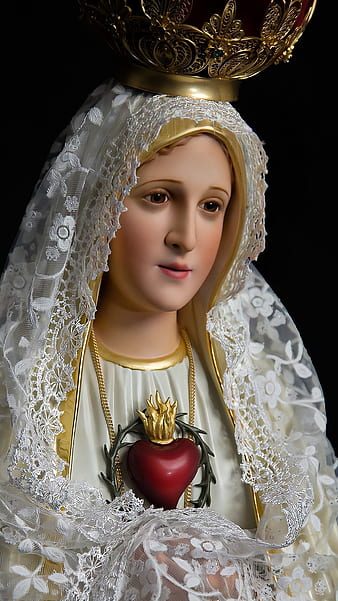
Introduction: ๐ Welcome, dear readers, to an enlightening journey into the power of devotion to Our Lady of Fatima! As a devoted Christian Roman Catholic, I am excited to share with you the profound impact that devotion to the Blessed Virgin Mary can have on our lives. Let us explore the significance of this devotion and how it can strengthen our spiritual journey.
The Divine Connection: ๐ Our devotion to Our Lady of Fatima establishes a special connection with the Virgin Mary, the Mother of God. Just as Mary played a pivotal role in God's plan for our salvation by accepting to be the mother of Jesus, she intercedes for us before her Son in heaven. This devotion draws us closer to the heart of our faith.
The Example of Mary: ๐บ Our Lady of Fatima serves as an example of pure devotion and unwavering faith. Her humble response to the angel Gabriel's message teaches us to surrender ourselves completely to God's will, just as she did when she said, "Behold, I am the handmaid of the Lord; let it be done to me according to your word" (Luke 1:38). We can learn from her obedience and trust in God.
The Miracle of Fatima: โจ The apparitions of Our Lady of Fatima in 1917 in Portugal were a powerful manifestation of divine grace. Three young shepherd children, Lucia, Francisco, and Jacinta, were blessed to witness these apparitions. Mary's message during these extraordinary events emphasized the importance of prayer, conversion, and peace, offering hope and encouragement to all.
The Power of Prayer: ๐ Our devotion to Our Lady of Fatima strengthens our prayer life. Mary invites us to embrace the rosary, a powerful tool that unites us with the mysteries of Christ's life. Through the rosary, we can meditate on the joyful, sorrowful, glorious, and luminous moments of Jesus' journey on earth, deepening our spirituality and relationship with God.
The Call to Conversion: ๐ Our Lady of Fatima's message resounds with the call to conversion and repentance. She reminds us of the importance of examining our lives, recognizing our sins, and seeking forgiveness. By turning away from sin and embracing God's mercy, we open ourselves to a transformative journey of faith.
The Promise of Peace: ๐ Mary's message at Fatima emphasized the urgent need for peace in the world. She called for prayer, penance, and devotion to her Immaculate Heart as a means to obtain peace. Our devotion to Our Lady of Fatima inspires us to become ambassadors of peace, spreading love, compassion, and understanding in our daily lives.
Protection and Intercession: ๐ก๏ธ Our Lady of Fatima is a powerful advocate who intercedes for us before God. Just as Mary cared for Jesus throughout his life, she watches over us as her children. We can confidently turn to her in times of trouble, seeking her protection, solace, and guidance, knowing that she will bring our petitions to her Son.
The Healing Power of Fatima: ๐ Devotion to Our Lady of Fatima carries the potential for physical, emotional, and spiritual healing. Countless testimonies have illustrated the miraculous healings and graces bestowed upon those who earnestly seek Our Lady's intercession. By opening our hearts in faith, we allow her maternal love to envelop us.
Inspiration for Family Life: ๐ช Our devotion to Our Lady of Fatima can deeply impact our family life. Just as Mary cared for her own family, she guides us in nurturing love, harmony, and faith within our own homes. The Fatima message encourages family prayer, especially the Rosary, which strengthens the bonds between family members and fosters spiritual growth.
The Communion of Saints: โญ Our devotion to Our Lady of Fatima also connects us with the vast network of saints and holy men and women who have gone before us. Their example and intercession inspire us to persevere in faith, reminding us that we are not alone on our spiritual journey.
Mary, the Mother of God: ๐ Our devotion to Our Lady of Fatima reaffirms the central place of Mary in the Christian faith. She is not only the Mother of Jesus but also our spiritual mother. As the Catechism of the Catholic Church beautifully states, "By her complete adherence to the Father's will, to His Son's redemptive work, and to every prompting of the Holy Spirit, the Virgin Mary is the Church's model of faith and charity" (CCC 967).
The Role of Scripture: ๐ The Bible provides numerous instances highlighting Mary's significance. From her role in the Annunciation (Luke 1:26-38) to her presence at the foot of the cross (John 19:26-27), Mary's obedience, faithfulness, and love stand as a testament to her unique role in salvation history.
The Saints and Marian Devotion: ๐ Throughout history, countless saints have demonstrated deep devotion to Mary. St. Louis de Montfort, St. Maximilian Kolbe, and St. John Paul II are just a few examples of saints who have experienced the transformative power of Marian devotion and actively promoted it.
The Call to Holiness: ๐น Our devotion to Our Lady of Fatima inspires us to strive for holiness, following Mary's example as a model of virtue. Through her intercession and guidance, we are encouraged to grow in love, humility, patience, and charity, seeking to become more Christ-like in our thoughts, words, and actions.
Your Thoughts: ๐ค Now, dear readers, I would love to hear your thoughts on the power of devotion to Our Lady of Fatima. Has Marian devotion played a significant role in your own spiritual journey? How has it impacted your relationship with God and others? Share your insights and experiences below!
Updated at: 2023-08-05 13:20:00 (2 years ago by Melkisedeck Leon Shine)
The Power of Consecrating Our Lives to Mary
๐ Introduction: The Virgin Mary holds a special place in the heart of every Christian Catholic. She is the Mother of God, chosen by God Himself to give birth to our Savior, Jesus Christ. Consecrating our lives to Mary means dedicating ourselves entirely to her, seeking her intercession and guidance in our daily struggles and triumphs.
๐ The Example of the Saints: Throughout history, numerous Catholic saints have consecrated their lives to Mary. They recognized her as a powerful intercessor and relied on her maternal love. Saint Louis de Montfort, for example, spoke of total consecration to Mary as a way to become a "slave of love" to Jesus through her. By imitating the saints, we can learn the transformative power of consecrating our lives to Mary.
๐ Our Spiritual Mother: Consecrating our lives to Mary means acknowledging her as our spiritual mother. Just as Jesus entrusted His beloved disciple John to Mary at the foot of the cross (John 19:26-27), we too can entrust ourselves to her loving care. The Catechism of the Catholic Church teaches that Mary's motherhood extends to all disciples of her Son, making her a universal spiritual mother to all believers (CCC 963).
๐น Mary as Our Intercessor: Mary's role as our heavenly advocate is a powerful reason to consecrate our lives to her. In the wedding at Cana, she interceded on behalf of the newlyweds when they ran out of wine (John 2:1-11). Just as she brought their need to Jesus, she brings our petitions to Him as well. By consecrating ourselves to Mary, we open ourselves to her powerful intercession in our lives.
๐ Biblical Examples: The Bible gives us various examples of individuals consecrating their lives to God through Mary's intercession. In Luke 1:38, Mary responds to the angel Gabriel's message by saying, "Behold, I am the handmaid of the Lord; let it be done to me according to your word." Her complete surrender to God's will serves as an inspiration for us to consecrate our lives to her, allowing her to guide us closer to Jesus.
๐ The Rosary: Consecrating our lives to Mary often involves a deep devotion to the Rosary. This powerful prayer allows us to meditate on the significant moments of Jesus' life as seen through Mary's eyes. Through the Rosary, we can unite ourselves with Mary's heart, drawing closer to Jesus and experiencing His love and mercy in a profound way.
๐ The Graces of Consecration: When we consecrate our lives to Mary, we open ourselves to a multitude of graces. Saint Maximilian Kolbe, a Franciscan friar and martyr, believed that by entrusting ourselves to Mary, we become instruments in her hands to bring about the conversion and sanctification of souls. Mary desires to lead us to her Son and shower us with His grace.
๐ The Influence of Mary: Consecrating our lives to Mary allows her to have a profound impact on our spiritual journey. Saint Teresa of Calcutta, also known as Mother Teresa, once said, "If you ever feel distressed during your day, call upon our Lady, just say this simple prayer: 'Mary, Mother of Jesus, please be a mother to me now.'" By inviting Mary into our lives, we allow her to guide us through both the joys and challenges we face.
๐ Mary's Assumption: The dogma of the Assumption of Mary teaches us that she was taken body and soul into heaven at the end of her earthly life. As Catholics, we believe that Mary's Assumption shows us the destiny that awaits all those who faithfully follow Christ. By consecrating our lives to Mary, we align ourselves with her example and hope for the ultimate union with God in heaven.
๐ The Joy of Consecration: Consecrating our lives to Mary brings immense joy and peace. Saint John Paul II once said, "Do not be afraid of loving Mary too much. You can never love her more than Jesus did." When we consecrate our lives to Mary, we experience the love of a mother who points us towards her Son, leading us to a deeper relationship with Him.
๐น Through Mary to Jesus: Consecrating our lives to Mary does not mean worshiping her, as some misunderstand. Rather, it is an acknowledgment of her unique role in salvation history and a way to draw closer to Jesus. Just as Mary pointed others to Jesus during His earthly life, she continues to do so today. By consecrating ourselves to her, we allow her to guide us to an intimate relationship with her Son.
๐ Mary's Fiat: Mary's "yes" to God's plan is a profound example of trust and surrender. By consecrating our lives to Mary, we follow in her footsteps and imitate her complete submission to God's will. Like Mary, we can say "yes" to God's plan for our lives, trusting that He will guide us and fulfill His promises.
๐ Consecration Prayer: One of the most popular prayers for consecrating our lives to Mary is the "Act of Consecration to Mary" composed by Saint Louis de Montfort. This beautiful prayer acknowledges Mary as our Queen and asks for her guidance and protection. By praying this prayer daily, we deepen our consecration and open ourselves to Mary's loving care.
๐ Life Transformed: Consecrating our lives to Mary is a transformative journey. Just as Mary's life was completely changed when she received the message of the angel Gabriel, our lives too can be transformed by her intercession and guidance. By consecrating ourselves to her, we invite her into every aspect of our lives, allowing her to mold us into the image of her Son.
๐ Conclusion: The power of consecrating our lives to Mary is immeasurable. She is our advocate, our guide, and our loving mother. By entrusting ourselves to her, we experience a deep and intimate union with Jesus. As we reflect on the examples of the saints, the teachings of the Church, and the words of Scripture, let us consider consecrating our lives to Mary and invite her to journey with us towards holiness. What are your thoughts on consecrating our lives to Mary? How has she impacted your spiritual journey?
Updated at: 2023-08-05 13:19:19 (2 years ago by Melkisedeck Leon Shine)
The Assumption of Mary: A Testimony of Her Heavenly Power
๐ 1. The Assumption of Mary, also known as the Dormition, is a significant event in the Catholic Church that celebrates the belief that Mary, the Mother of God, was taken body and soul into Heaven at the end of her earthly life. It is a testament to her heavenly power and the special role she played in our salvation.
๐ 2. As Catholics, we hold Mary in high esteem, recognizing her as the Queen of Heaven and Earth. ๐น She holds a unique position among all humans, chosen by God to be the mother of His Son, Jesus Christ. This divine appointment sets her apart and makes her worthy of our devotion and admiration.
๐ 3. The belief in the Assumption of Mary is supported by both biblical and historical evidence. In the Gospel of Luke, we read about the Annunciation, where the angel Gabriel appeared to Mary and announced that she would conceive and bear a son. This miraculous event marks the beginning of Mary's extraordinary journey as the Mother of God.
๐ 4. Throughout the Bible, we see countless examples of Mary's unwavering faith and obedience to God. ๐ One such example is the Visitation, where Mary, upon hearing about her cousin Elizabeth's miraculous pregnancy, hastened to her aid and joyfully declared the Magnificat, praising God for His blessings.
๐ 5. Another biblical example of Mary's heavenly power is the Wedding at Cana, where she interceded on behalf of the bride and groom, asking Jesus to perform His first miracle by turning water into wine. Through her intercession, she showed her ability to bring our needs and intentions before her Son, who willingly listens to her.
๐ 6. The Catechism of the Catholic Church teaches us that "the Immaculate Virgin, preserved free from all stain of original sin, when the course of her earthly life was finished, was taken up body and soul into heavenly glory." (CCC 966) This affirmation of the Assumption is a source of comfort and hope for Catholics, knowing that Mary, in her glorified state, continues to intercede for us.
๐ 7. The Assumption of Mary is not just a theological concept; it is a testament to the power of God's love and mercy. ๐ Mary's assumption into Heaven shows us that God desires to bring us all into eternal glory, body and soul. She is a shining example of what awaits us if we faithfully follow God's will.
๐ 8. Many Catholic saints have shared profound insights into the Assumption of Mary and her heavenly power. St. John Paul II once said, "Mary's assumption body and soul into heaven is for us, too, an invitation to trust in God's plan for our lives." Her assumption beckons us to place our trust in God and seek His will in all aspects of our lives.
๐ 9. The Assumption of Mary also reminds us of our own calling to holiness and the ultimate goal of our existence, which is to be united with God in Heaven. Mary's assumption serves as a beacon of hope, guiding us in our journey towards eternal life.
๐ 10. The Assumption of Mary is not only a celebration of her heavenly power but also a reminder of her role as a mother to all believers. Just as she cared for Jesus and interceded for others during her earthly life, she continues to do so in Heaven. We can turn to Mary, our loving mother, in prayer, confident that she will bring our intentions before her Son.
๐ 11. As we reflect on the Assumption of Mary, it is essential to remember that she is not to be worshipped, but rather venerated as a model of faith and humility. ๐บ She leads us closer to Jesus and teaches us to surrender ourselves fully to God's will.
๐ 12. The Assumption of Mary invites us to ponder the immense love God has for His creation. He chose Mary to be the vessel through which His Son would enter the world, and He rewarded her faithfulness by assuming her into Heaven. This event underscores the power of God's love and His desire to draw all people to Himself.
๐ 13. Mary, the Mother of God, holds a unique place in our hearts and in the Catholic Church. Her assumption serves as a constant reminder of her heavenly power and her role in our salvation. As we honor her, let us also strive to imitate her virtues of faith, humility, and love for God.
๐ 14. In conclusion, the Assumption of Mary is a testimony of her heavenly power and the immense love God has for His creation. ๐ Her assumption into Heaven, body and soul, serves as a beacon of hope and a reminder of our own calling to holiness. Let us turn to Mary, our loving mother, and seek her intercession as we journey towards eternal life.
๐ 15. What are your thoughts on the Assumption of Mary? How does her heavenly power inspire you in your spiritual journey? Share your opinions and experiences in the comments below!
Updated at: 2023-08-05 13:19:30 (2 years ago by Melkisedeck Leon Shine)
The power of the Holy Rosary and Mary's mediation is a beautiful and profound aspect of the Catholic faith. ๐โจ It is through the Rosary, a prayer that centers on the life of Jesus and Mary, that we can experience the intercession of the Blessed Virgin Mary and the immense power it holds in our spiritual lives. Let us delve into the significance of the Holy Rosary and how Mary's mediation can transform our relationship with God and bring us closer to His divine grace.
The Holy Rosary is a powerful weapon against evil. ๐น๐ก๏ธ In the Gospels, we see Jesus being tempted by the devil in the desert, and He overcomes these temptations through the power of prayer. By praying the Rosary, we can follow in Jesus' footsteps and seek protection from the snares of the evil one.
Mary, as the Mother of God, holds a unique place in our faith. In Luke 1:28, the angel Gabriel greets Mary with the words, "Hail, full of grace, the Lord is with you!" This shows us that Mary was chosen by God for a special purpose and was filled with divine grace from the moment of her conception.
The Rosary allows us to meditate on the life of Jesus and Mary. Each set of mysteries - Joyful, Sorrowful, Glorious, and Luminous - helps us to reflect on different aspects of their lives and the profound mysteries of our faith. This meditation brings us closer to the heart of Jesus and the love of Mary.
When we pray the Rosary, Mary becomes our loving advocate and intercessor. She takes our prayers and presents them to Jesus on our behalf. Just as she interceded for the couple at the wedding in Cana (John 2:1-11) and asked Jesus to perform His first miracle, she intercedes for us in our needs.
Mary's mediation is not a distraction from Jesus, but rather a means of drawing closer to Him. She always points us to her Son and encourages us to follow His teachings. She is like a loving mother who guides and supports us on our journey towards heaven.
The Rosary is a form of contemplative prayer. As we recite the prayers and meditate on the mysteries, we enter into a state of quiet reflection and allow the Holy Spirit to speak to our hearts. It is during these moments that we can receive spiritual insights and experience God's presence in a profound way.
The Catechism of the Catholic Church teaches us about Mary's role as mediator and intercessor. In paragraph 2677, it states, "By asking Mary to pray for us, we acknowledge ourselves to be poor sinners and we address ourselves to the 'Mother of Mercy,' the All-Holy One." We can have full confidence that Mary will bring our prayers before the throne of God's mercy.
Throughout history, countless saints have attested to the power of the Rosary and Mary's intercession. Saint Padre Pio once said, "The Rosary is the weapon for these times." Saints such as Saint Louis de Montfort, Saint Dominic, and many others have encouraged devotion to the Rosary as a means of deepening our faith and encountering the love of God.
Mary's mediation is not limited by time or distance. She is present to all who call upon her, regardless of where they may be. Just as she appeared to the children at Fatima and Lourdes, she continues to manifest her motherly care for us today.
The Rosary is a prayer that can be said by anyone, at any time, and in any place. Whether we are alone or in a group, the Rosary has the power to unite us as a community of believers and strengthen our bond with God and one another.
The repetition of the Hail Marys in the Rosary helps us to enter into a state of contemplation. It allows us to focus our minds and hearts on the mysteries of Jesus' life and the love of Mary.
Mary's mediation extends to all aspects of our lives, including our physical, emotional, and spiritual well-being. Just as she cared for Jesus throughout His life, she cares for each one of us as her children.
The Rosary is a source of comfort and solace in times of difficulty or sorrow. When we are faced with challenges and struggles, turning to Mary and praying the Rosary can bring us peace and consolation.
Mary's role as the New Eve is beautifully described in the Catechism of the Catholic Church (CCC 968): "In her, the 'wonders of God' that the Spirit was to fulfill in Christ and the Church began to be manifested." Through her obedience and faithfulness, Mary cooperated with God's plan for the redemption of humanity.
Ultimately, the power of the Holy Rosary and Mary's mediation lies in the love and grace of God. It is through His infinite mercy that He has given us Mary as a mother and advocate. By embracing devotion to the Rosary and seeking Mary's intercession, we open ourselves to the abundant blessings and graces that flow from the heart of God.
In conclusion, the Holy Rosary and Mary's mediation are powerful tools in our spiritual journey. ๐น๐ Let us embrace this gift from God and allow Mary, our loving mother, to guide us closer to Jesus. Have you experienced the power of the Rosary and Mary's intercession in your own life? What are your thoughts on this profound aspect of our faith?
Updated at: 2025-06-05 10:02:40 (9 months ago by Melkisedeck Leon Shine)
The Rosary: A Marian Contemplative Practice and its Theological Significance
Introduction: Defining Key Concepts
This essay explores the Rosary, a Catholic devotional practice, examining its theological underpinnings and spiritual efficacy. We will analyze its structure, focusing on the various sets of mysteries and their symbolic significance within the broader context of Marian theology and Christology. Key concepts include Marian devotion, the understanding of Mary's role in salvation history; Christocentricity, emphasizing Christ as the central figure; and contemplative prayer, a method of prayer focused on reflective meditation and union with God. We will draw upon relevant theological principles and models, including the concept of intercessory prayer and the role of the sacraments in the Catholic faith. The application of these concepts will be demonstrated through an analysis of the Rosary's structure and its impact on spiritual development.
The Structure and Significance of the Rosary Mysteries
The Rosary's structure is based on a cyclical pattern of prayers, primarily the Hail Mary, interwoven with meditations on specific events in the life of Jesus Christ, known as the Mysteries. This repetitive structure facilitates contemplative prayer, allowing for a deeper engagement with the narrative of salvation. The traditional mysteries are categorized into Joyful, Sorrowful, Glorious, and Luminous sets. Each set provides a unique lens through which to understand Christ's life, death, and resurrection. The Joyful Mysteries focus on the Incarnation and its immediate aftermath, highlighting God's grace and Mary's role in the divine plan. The Sorrowful Mysteries, conversely, emphasize the suffering of Christ, underscoring the significance of his sacrifice for humanity. The Glorious Mysteries celebrate the triumph of Christ over death and the promise of eternal life, drawing upon themes of resurrection and ascension. Finally, the Luminous Mysteries, added by Pope John Paul II, illuminate the public ministry of Jesus, emphasizing specific events that reveal his identity and mission.
Mary's Role as Intercessor and Spiritual Guide
The Rosaryโs structure integrates Marian devotion inherently. The recitation of the Hail Mary, a prayer invoking Mary's intercession, underscores her role as a model of faith and a powerful intercessor before God. This aligns with the theological concept of mediatrix, where Mary, as Mother of God, assists in bringing humanity closer to Christ. The Rosary's meditative structure facilitates personal reflection on Mary's life and her relationship with Jesus, allowing for emulation of her virtues and a deepening appreciation of her maternal role within the context of Christian faith. This resonates with theological models that emphasize the importance of spiritual mentorship and the emulation of virtuous figures.
The Rosary and Contemplative Prayer: A Path to Spiritual Transformation
The Rosary's repetitive structure and focus on meditative reflection facilitate contemplative prayer. The systematic engagement with the mysteries and the rhythmic repetition of prayers promote a state of mindfulness and interiority, allowing for a deeper connection with God and a heightened awareness of His presence in daily life. This aligns with the principles of contemplative prayer, which seeks to cultivate a deep communion with the divine through a process of reflective meditation and self-emptying. Regular practice of the Rosary can foster spiritual growth, leading to increased faith, hope, and love, thereby transforming the individual's relationship with God and others.
Biblical and Theological Foundations of Marian Devotion
The theological basis for Marian devotion is rooted in scripture and tradition. The Annunciation narrative (Luke 1:26-38) highlights Maryโs pivotal role in the Incarnation, while other biblical passages and patristic writings emphasize her unique status as the Mother of God. Doctrines such as the Immaculate Conception and the Assumption further solidify the understanding of Maryโs sanctity and her privileged position within the economy of salvation. These beliefs are supported by centuries of Catholic tradition and theological reflection, shaping the devotional practices, including the Rosary, that express veneration towards Mary. This historical context is crucial for understanding the significance of the Rosary within the broader framework of Catholic belief.
The Rosary in the Context of Catholic Tradition and Sainthood
The Rosary is deeply embedded in Catholic tradition and has been championed by numerous saints and theologians throughout history. Figures like Saint Louis de Montfort and Saint Teresa of Calcutta have testified to its spiritual efficacy and transformative power. Their writings and experiences illustrate the Rosary's capacity to deepen one's faith, provide solace in times of trial, and serve as a powerful tool for spiritual warfare, reinforcing the importance of this devotional practice within the broader context of Catholic spirituality. The historical witness of these figures strengthens the understanding of the Rosary's efficacy and supports its continued relevance in contemporary spiritual practice.
Conclusions and Recommendations
The Rosary, viewed through a theological lens, emerges not simply as a repetitive prayer, but as a potent tool for spiritual growth and transformation. Its structure facilitates contemplative prayer, allowing for deeper engagement with the life, death, and resurrection of Christ and the role of Mary in salvation history. The systematic meditation on the mysteries offers a rich tapestry of spiritual insights, fostering a closer relationship with both Jesus and Mary. Future research could explore the psychological and neurological effects of contemplative practices like the Rosary, investigating its impact on stress reduction, emotional well-being, and cognitive function. This could provide valuable insights into the multifaceted benefits of this traditional devotional practice. Promoting the Rosary as a means of contemplative prayer could enhance spiritual formation initiatives within various pastoral contexts.
Reader Pool:
Considering the theological framework presented, how might a deeper understanding of the Rosary's structure and symbolism contribute to a more meaningful and enriching spiritual practice?
Updated at: 2023-08-05 13:19:23 (2 years ago by Melkisedeck Leon Shine)
Mary, Mother of Mercy: An Inspiration for Compassion ๐
The Blessed Virgin Mary, also known as the Mother of God, is a figure of immense love and compassion. She is a shining example for all Christians to follow when it comes to showing mercy and compassion towards others.
Mary's compassion can be seen in numerous instances in the Bible. One such example is the Wedding at Cana, where she interceded on behalf of the hosts when they ran out of wine. She was concerned for their embarrassment and approached her son, Jesus, who then performed his first miracle by turning water into wine (John 2:1-11).
Another powerful example of Mary's compassion can be found at the foot of the cross, where she stood in the midst of immense suffering and pain. Despite her heartbreak, she showed strength and love, exemplifying true compassion even in the face of unimaginable sorrow (John 19:25-27).
The Catholic Church teaches that Mary's role as the Mother of Mercy extends beyond her earthly life. In the Catechism of the Catholic Church, it states, "Mary, the all-holy ever-virgin Mother of God, is the masterwork of the mission of the Son and the Spirit in the fullness of time" (CCC, 721).
As Catholics, we look to Mary as our intercessor, someone who can bring our prayers and petitions to her Son. This is beautifully captured in the words of Saint John Paul II, who said, "Mary is the one who, knowing the mercy of God better than anyone else, can cause the very fountain of that mercy to gush forth upon people" (Homily, 1 January 2001).
Mary's compassion inspires us to be more merciful towards others, just as she is towards us. She teaches us the importance of reaching out to those in need, showing them compassion, and providing them with love and support.
The Bible tells us in Luke 1:46-55 that Mary herself proclaimed, "My soul magnifies the Lord, and my spirit rejoices in God my Savior, for he has looked on the humble estate of his servant." Mary recognized her own humility and dependence on God, and her humility inspires us to do the same.
Many saints throughout history have also drawn inspiration from Mary's compassion. Saint Mother Teresa of Calcutta, known for her tremendous acts of mercy, once said, "In loving one another through our works, we bring an increase of grace and a growth in divine love" (No Greater Love).
Mary's role as the Mother of Mercy is not only limited to those who follow the Catholic faith. She is a universal figure of love, compassion, and mercy, and her intercession is sought by people from all walks of life.
In the Gospel of Luke, Mary's cousin Elizabeth exclaimed, "Blessed are you among women, and blessed is the fruit of your womb!" (Luke 1:42). This shows that Mary's unique role as the Mother of God is recognized and revered within the Christian community.
Mary's compassion extends beyond her role as a mother. She is also a model of faith and trust in God's plan. When the angel Gabriel appeared to her and announced that she would conceive a child, she responded with faith, saying, "Behold, I am the handmaid of the Lord; let it be to me according to your word" (Luke 1:38).
Pope Francis, the current leader of the Catholic Church, has often referred to Mary as the "Mother of Mercy." He once said, "Mary is the Mother who never refuses us her compassion" (Angelus, 20 September 2015). This reinforces the belief that Mary's compassion is boundless and always available to those who seek it.
As Christians, we are called to show mercy and compassion to others, just as Mary does. In the Gospel of Matthew, Jesus himself tells us, "Blessed are the merciful, for they shall obtain mercy" (Matthew 5:7). Mary serves as a guiding light in this aspect of our faith.
Mary's compassion is a reminder that we are all called to be vessels of God's mercy and love. Just as she carried Jesus within her, we are called to carry his love within us and share it with the world.
In conclusion, Mary, Mother of Mercy, is an incredible inspiration for compassion. Her love, strength, and unwavering faith serve as a beacon for Christians everywhere. Let us strive to follow her example and show mercy and compassion to others, just as she does. What are your thoughts on Mary's compassionate nature? How has she inspired you to show mercy to others?