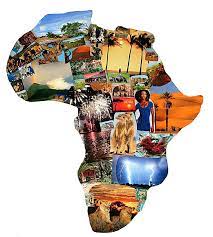
Building Alliances with Global Partners: Strengthening Africa's Unity
Welcome Back.
Updated at: 2023-08-06 14:39:50 (2 years ago by Melkisedeck Leon Shine)
Title: Building Alliances with Global Partners: Strengthening Africa's Unity ππ€
Introduction: Greetings fellow Africans! Today, let us embark on a journey towards a brighter future for our beloved continent. Africa, rich in diversity, culture, and potential, has the power to rise as a united force on the global stage. In order to achieve this, we must forge strong alliances with global partners, drawing inspiration from history and our enduring spirit. Together, let us explore the path to unity, harnessing the strength found in collaboration, respect, and shared goals. ππͺ
Embracing Our Common Heritage: Africa, the cradle of civilization, has a rich tapestry of history, traditions, and legacies. Let us unite by acknowledging the common ties that bind us and celebrate our shared heritage. By embracing our collective history, we can build a stronger foundation for a united Africa. πποΈ
Learning from the Past: As we strive for unity, let us learn from the experiences of other regions that have successfully united. The European Union serves as an excellent example of how diverse nations can work together, promoting peace, economic growth, and stability. By studying their model, we can adapt it to suit the unique needs of our continent. ππ
Strengthening Economic Integration: Economic cooperation is a key driver of unity. By promoting trade, investment, and regional economic integration, we can create a prosperous Africa that benefits all its citizens. Let us establish common goals, eliminate barriers, and enhance cross-border cooperation, creating an environment conducive to growth and shared prosperity. ππΌπ°
Building Bridges with Global Partners: Africa's strength lies in its diversity. By forging strong alliances with global partners, we can tap into their expertise, resources, and networks. Let us seek mutually beneficial collaborations that promote knowledge exchange, technology transfer, and capacity building. Together, we can leverage these partnerships to boost Africa's development and competitiveness on the global stage. πππ€
Strengthening Regional Organizations: African Unity starts from within our own regional organizations. The African Union, ECOWAS, SADC, and other regional bodies are instrumental in fostering peace, stability, and cooperation. Let us support and strengthen these institutions, ensuring they have the necessary resources and authority to drive our collective aspirations forward. ππβ
Enhancing People-to-People Exchange: Unity is not just about political and economic alliances but also about fostering cultural, educational, and social connections. Let us encourage people-to-people exchanges, promoting dialogue, understanding, and tolerance among African nations. By appreciating each other's cultures and perspectives, we can build a more inclusive and harmonious Africa. πππ€
Harnessing Youth Power: The future of Africa lies in the hands of our vibrant and talented youth. Let us empower them by investing in quality education, skills training, and entrepreneurship opportunities. By involving the youth in shaping the continent's future, we can unleash their potential as catalysts for change and unity. ππ¦π§π‘
Embracing Women's Leadership: Women have played instrumental roles in Africa's history, and their leadership is crucial for our unity. Let us empower and uplift women, ensuring their voices are heard and their contributions recognized. By promoting gender equality and inclusivity, we can unlock the untapped potential of half our population. ππ©π
Emphasizing Good Governance: Africa's unity relies on good governance, transparency, and accountability. Let us inspire and demand strong leadership from our governments. By promoting integrity, combatting corruption, and upholding the rule of law, we can build trust and confidence within our societies and attract global partners who prioritize ethical partnerships. ππ₯π
Educating and Engaging the Masses: Our journey towards unity requires the active participation of every African citizen. Let us educate and engage our communities about the benefits of a united Africa. By sharing success stories, historical anecdotes, and the potential for a brighter future, we can inspire a collective intention to work together towards our shared goals. ππ£οΈπ€
Conclusion: Dear fellow Africans, the path to unity requires dedication, perseverance, and an unwavering belief in our collective strength. By building alliances with global partners, embracing our common heritage, and learning from the experiences of others, we can forge a prosperous and united Africa. Let us seize this opportunity to leave a lasting legacy for future generations. Together, we can shape the destiny of our continent. Africa, the time is now! Share this article and let us unite as one! πππͺ
Updated at: 2023-08-06 14:11:39 (2 years ago by Melkisedeck Leon Shine)
π Promoting Democracy and Good Governance Across Africa π
Greetings, my fellow Africans! Today, I want to address a topic close to my heart - the promotion of democracy and good governance across our beloved continent. As Africans, we have a rich history of diverse cultures, traditions, and languages. Our strength lies in our unity and the shared values that bind us together. It is crucial that we work together to strengthen our democracies and ensure good governance for the betterment of all Africans. Let us embark on this journey together, with a strong aim to unite the whole of Africa π€.
1οΈβ£ Democracy, the voice of the people: Democracy is not just an abstract concept, but a fundamental right for every African citizen. It gives us the power to elect our leaders, hold them accountable, and participate actively in the decision-making processes of our countries. Let us embrace this power and exercise our democratic rights to shape the future we envision for Africa.
2οΈβ£ Good governance, a foundation for progress: Good governance is the cornerstone of a successful nation. It ensures transparency, accountability, and the efficient use of resources. By promoting good governance practices, we can build strong institutions that serve the interests of all Africans. Let us demand transparency from our leaders and work together to eliminate corruption and inefficiency.
3οΈβ£ Learning from history: Throughout history, we have seen the triumphs and challenges faced by nations in their pursuit of democracy and good governance. We can draw inspiration from leaders like Nelson Mandela, who once said, "The greatest glory in living lies not in never falling, but in rising every time we fall." Let us learn from the experiences of others and adapt their successes to our own unique African context.
4οΈβ£ The power of unity: Africa is a continent with incredible diversity, and this diversity is our strength. By uniting as Africans, we can overcome the challenges that hinder our progress. Just as Kwame Nkrumah, the founding father of Ghana, once said, "Divided we are weak; united, Africa could become one of the greatest forces for good in the world." Let us come together, celebrate our diversity, and work towards a common goal - a united and prosperous Africa.
5οΈβ£ Inspiring the youth: The youth are the future leaders of Africa. It is our responsibility to inspire and empower them to actively participate in shaping our continent's destiny. Let us provide them with quality education, mentorship, and opportunities to engage in the democratic processes. The youth of today will be the driving force behind a brighter tomorrow.
6οΈβ£ Strengthening institutions: Strong institutions are the backbone of democracy and good governance. By ensuring the independence and effectiveness of our judiciary, electoral commissions, and civil service, we create a solid foundation for the rule of law and accountable governance. Let us advocate for the strengthening of these institutions to safeguard our democratic processes.
7οΈβ£ Embracing diversity: Africa is home to countless ethnicities, languages, and religions. Embracing our diversity fosters a sense of belonging and inclusion. It is through understanding and respecting each other's differences that we can forge a unified African identity. Let us celebrate our diversity and promote a culture of tolerance and acceptance.
8οΈβ£ Harnessing technology: In the digital age, technology plays a crucial role in promoting democracy and good governance. Social media platforms enable us to share information, voice our opinions, and hold our leaders accountable. Let us leverage technology to bridge the gap between citizens and governments, creating a space for dialogue, transparency, and citizen participation.
9οΈβ£ Empowering women: Women make up half of Africa's population, yet their voices are often marginalized in the political sphere. We must strive for gender equality and empower women to take on leadership roles. As Wangari Maathai, the first African woman to receive the Nobel Peace Prize, once said, "In the course of history, there comes a time when humanity is called to shift to a new level of consciousness." Let us shift towards a consciousness that values and empowers women in all aspects of governance.
π Learning from each other: Africa is a continent of shared experiences, and we can learn from the successes and failures of our fellow African nations. By fostering cooperation, knowledge sharing, and regional integration, we can build a stronger Africa. Let us learn from Rwanda's remarkable progress in post-genocide reconciliation or Botswana's successful implementation of democratic governance.
1οΈβ£1οΈβ£ The role of civil society: Civil society organizations play a vital role in promoting democracy and good governance. They act as watchdogs, advocating for the rights and interests of citizens. Let us support and collaborate with these organizations to amplify our voices and hold our governments accountable.
1οΈβ£2οΈβ£ Education, the key to progress: Education is the key to unlocking Africa's potential. By investing in quality education for all Africans, we can empower future generations to become informed, critical thinkers and active participants in the democratic processes. Let us prioritize education as a pathway to progress and a catalyst for positive change.
1οΈβ£3οΈβ£ Public participation: Democracy is not a spectator sport; it requires active engagement from all citizens. Let us participate in public consultations, town hall meetings, and community forums. By contributing our ideas and opinions, we can shape policies that reflect the needs and aspirations of our communities.
1οΈβ£4οΈβ£ Youth-led initiatives: The youth have a unique perspective and innovative ideas that can drive change. Let us create platforms for young African leaders to share their visions and initiatives. By supporting youth-led initiatives, we can harness the energy and creativity of our youth to build a brighter future for Africa.
1οΈβ£5οΈβ£ Sharing the message: My fellow Africans, let us share this article far and wide. Encourage your friends, family, and colleagues to read and discuss the importance of promoting democracy and good governance across Africa. Together, we can inspire a strong intention to unite Africa and build a continent that thrives on the principles of democracy, good governance, and unity.
In conclusion, the task of promoting democracy and good governance across Africa is a collective one. It requires the active participation of all Africans, regardless of our background or beliefs. Let us draw inspiration from our history, embrace our diversity, and harness the power of unity to create an Africa that is prosperous, just, and united. Will you join me on this journey? Share this article and let us ignite the flame of change across our beautiful continent. Together, we can build a brighter future for Africa. ππ
Updated at: 2023-08-06 14:11:42 (2 years ago by Melkisedeck Leon Shine)
Title: Tourism and Travel: Discovering Africa Together πβοΈπ
Introduction: As an African traveler, there is no greater joy than exploring the vast and diverse continent that we call home. Africa is a treasure trove of natural wonders, rich cultural heritage, and warm hospitality waiting to be discovered. Today, I want to inspire you, my fellow Africans, to embark on a journey of unity through tourism and travel. By exploring our own continent, we can break down barriers, foster understanding, and promote African unity. Together, let's discover the beauty of Africa and strengthen our bond. πβ€οΈπ
Africa: A Continent of Diversity: Africa is a continent like no other, boasting breathtaking landscapes, vibrant traditions, and an array of cultures that are as diverse as they are fascinating. From the majestic wildlife in the Serengeti to the ancient pyramids of Egypt, Africa offers a plethora of experiences that will leave you in awe. By exploring our own continent, we can appreciate the beauty of our diverse heritage and learn from one another. π¦πποΈ
Promoting African Unity: Traveling within Africa provides us with the opportunity to connect with people from different backgrounds, cultures, and languages. It allows us to break down stereotypes and build bridges of understanding. By embracing each other's differences and celebrating our shared values, we can foster a sense of unity and harmony throughout the continent. Let us connect as Africans and showcase the strength of our togetherness. π€β€οΈπ
Historical Lessons from Other Parts of the World: When we look at the experiences of other regions, we see how tourism and travel have played a pivotal role in promoting unity and understanding. Europe, for example, has seen centuries of conflicts but now stands as a symbol of cooperation through initiatives like the Schengen Agreement. By exploring our own continent, we can draw inspiration from such examples and work towards a more united Africa. ππ€π
Embracing African Morals and Values: Africa has a rich tapestry of morals and values that have been passed down from generation to generation. Our traditions teach us to embrace hospitality, respect for elders, and the importance of community. By traveling within Africa, we have the opportunity to witness and experience these values firsthand, reinforcing the bonds that unite us as Africans. Let us embrace our heritage and stand proudly as one. ππ π
Quotes from African Leaders: "Unity is strength... when there is teamwork and collaboration, wonderful things can be achieved." - Nelson Mandela.
"Africa is one continent, one people, and one nation." - Kwame Nkrumah.
These powerful words from our great African leaders remind us of the importance of unity and collaboration. Let us heed their words and explore our continent together to strengthen the bonds that unite us. ππβ€οΈ
Conclusion: Dear fellow Africans, let us embark on a journey of unity through tourism and travel. By exploring our own continent, we can break down barriers, foster understanding, and promote African unity. Embrace the diversity that Africa offers, connect with your fellow Africans, and celebrate the rich tapestry of our shared heritage. Together, let us discover the beauty of Africa and stand united as one. ππ€β€οΈ
So, are you ready to embark on this journey of discovery with me? Share this article with your friends and family and let's inspire others to join us in promoting African unity through tourism and travel. Together, we can make a difference! πβοΈβ€οΈ #DiscoverAfricaTogether
Updated at: 2025-02-23 08:49:31 (1 year ago by Melkisedeck Leon Shine)
The vibrant tapestry of African culture is richly woven with the threads of its diverse languages. Preserving these languages isn't merely an act of linguistic preservation; it's a vital step towards achieving genuine cultural unity across the continent. This journey requires a collective effort, a unified understanding of the profound importance of linguistic diversity, and a commitment to action. Let us explore why safeguarding our mother tongues is paramount to the future of Africa.
The Unifying Power of Language: African languages are more than just communication tools; they are the lifeblood of our communities. They connect us to our ancestral heritage, traditions, and deeply held values. By nurturing and promoting these languages, we build bridges between communities, fostering mutual understanding and creating a stronger sense of shared identity. This linguistic unity transcends geographical boundaries and strengthens the bonds that unite us as Africans.
Cultural Identity and Heritage: Our languages encapsulate our history, worldview, and cultural identity. They are repositories of invaluable knowledge, wisdom, and storytelling traditions passed down through generations. Preserving these languages ensures that this rich cultural legacy isn't lost to time, empowering current and future generations to connect with their roots and fostering a strong sense of pride in their heritage.
Empowering Communities and Protecting Heritage: The preservation of African languages directly empowers local communities, providing them with a voice in a globalized world. It ensures that indigenous knowledge systems, traditional practices, and unique cultural expressions are not marginalized or lost. By supporting the use and development of our native tongues, we safeguard our collective heritage and strengthen the very fabric of our societies.
Unlocking Economic Opportunities: The economic potential of African languages is vast and largely untapped. Preserving and promoting them creates opportunities in cultural tourism, foreign language education, translation services, and other sectors. Investing in linguistic diversity is an investment in economic growth, creating new jobs and driving prosperity across the continent. This economic empowerment further strengthens cultural preservation efforts by providing the resources needed to support language initiatives.
Lessons from History and Global Examples: History teaches us the importance of linguistic preservation. Nelson Mandela's powerful words β "If you talk to a man in a language he understands, that goes to his head. If you talk to him in his language, that goes to his heart" β remind us of the profound connection between language and cultural understanding. Countries like India, Switzerland, and Canada demonstrate how linguistic diversity can strengthen national unity and economic prosperity. We can draw inspiration from their success and build our own uniquely African model of linguistic harmony.
Investing in Language Education: A crucial element in preserving our languages is investing heavily in language education at all levels. Integrating African languages into school curricula ensures that future generations are fluent in their mother tongues, allowing them to connect with their heritage and fostering a sense of cultural pride. This investment in education is an investment in the future of a culturally unified Africa.
Harnessing the Power of Technology: Technology offers invaluable tools for language preservation. Language learning apps, digital archives, and online resources can help document, revive, and disseminate African languages globally. By embracing these technologies, we can ensure that our languages remain vibrant and accessible to future generations, reaching wider audiences and promoting intercultural understanding.
Amplifying the Voices of African Women: Women play a critical role in transmitting languages across generations. Their contributions to language preservation are essential and often underestimated. Empowering African women through language initiatives ensures their voices are heard and their knowledge is valued, strengthening both cultural preservation and gender equality.
A Call to Action: The time to act is now. We must actively engage in preserving our linguistic heritage. Share this message, support local language initiatives, use your mother tongue regularly, and advocate for the integration of African languages in all aspects of life. Every effort, no matter how small, contributes to the larger goal of a culturally unified Africa.
Building a United Future: Imagine an Africa where linguistic diversity is celebrated and strengthens our bonds, not divides us. By actively preserving our languages, we can overcome the historical divisions created by colonization and build a unified continent that thrives on its rich cultural heritage. A future where our languages unite us is a future worth fighting for.
Let us embrace the challenge, work together, and create an Africa where cultural unity and linguistic diversity flourish. Together, we can build a stronger, more prosperous, and culturally vibrant future for generations to come.
Updated at: 2025-06-23 18:13:25 (8 months ago by Melkisedeck Leon Shine)
Africa, a continent characterized by its rich cultural diversity and vast untapped potential, stands at a critical juncture. The pursuit of a prosperous and equitable future necessitates a unified and collaborative approach. This article posits that strategically implemented educational exchange programs offer a powerful mechanism to foster pan-African unity, bridging societal divides, and cultivating mutual understanding across the continent. Key concepts underpinning this argument include social capital theory, emphasizing the role of networks and relationships in development; the diffusion of innovations theory, highlighting the dissemination of knowledge and best practices; and constructivist learning theory, focusing on the transformative power of experience and interaction in shaping perspectives.
Investing in educational exchange programs constitutes a direct investment in human capital development, a cornerstone of sustainable development. This aligns with human capital theory, which posits that investments in education and skills lead to increased productivity and economic growth. By facilitating knowledge exchange and cross-cultural learning, these programs empower individuals and institutions to overcome developmental challenges collaboratively. This echoes the principles of transformative learning, where experiences reshape perspectives and foster critical consciousness.
Participation in educational exchange programs actively challenges ethnocentrism and ingrained biases. Direct engagement with diverse African cultures fosters empathy and a deeper appreciation for the continent's shared heritage while acknowledging its inherent pluralism. This process aligns with the principles of intercultural competence, emphasizing the importance of understanding and navigating diverse cultural contexts. Such understanding is fundamental to building cohesive and harmonious relationships amongst African nations, transforming differences into a source of collective strength. This resonates with the concept of cosmopolitanism which fosters global interconnectedness and cross-cultural understanding.
These exchanges cultivate enduring networks of social capital, connecting individuals across geographical boundaries. These networks facilitate collaborative action toward shared developmental goals β poverty reduction, conflict resolution, and sustainable economic growth. The strength of these networks significantly increases collective efficacy, enhancing the ability of participants to achieve common objectives, a principle central to social network theory. This collaborative approach moves beyond individual efforts toward collective action, reflecting the power of synergistic partnerships.
The European Union's success serves as a compelling case study, demonstrating the benefits of integration based on shared values and collective pursuit of prosperity. Educational exchange programs, by mirroring this model, can cultivate a strong pan-African identity that transcends national boundaries. This process aligns with the concept of regional integration, emphasizing the economic and political benefits of cooperation amongst neighboring states.
A future where access to quality education is equitably distributed across the African continent is envisioned. This broadened access fosters a heightened sense of shared responsibility and collective ownership in the continent's development. This is in line with the principles of equity and social justice, ensuring that educational opportunities are available to all, regardless of background or location, thus reducing inequalities and fostering inclusive development. This improved access allows for increased human capital development and thus enhances economic growth and stability of the continent.
These programs offer invaluable opportunities for skills enhancement and technological transfer. African nations can leverage global best practices, adapting and implementing successful strategies within their unique contexts. This mutual learning process accelerates progress, strengthening collective resilience and fostering innovative solutions tailored to Africa's specific developmental challenges. This is in accordance with the principles of technology transfer and diffusion of innovation theory, adapting and adopting best practices to fit the local context.
Nkrumah's poignant assertion regarding the necessity of unity continues to resonate profoundly. Educational exchange programs provide a tangible pathway towards achieving this vision. They facilitate the free flow of ideas, encouraging collaborative problem-solving and building a future characterized by prosperity and progress for all. This underscores the importance of collaborative governance and the need to overcome traditional political and social barriers to facilitate shared progress and prosperity.
The impact of these programs transcends individual participation. Returning home with broadened perspectives and enhanced skill sets, participants become catalysts for positive change within their communities. Their achievements inspire others, creating a cascading effect that promotes educational attainment and excellence across the continent. This resonates with the concept of change agents and the importance of community-based development initiatives.
Pan-African unity necessitates collective action. It is crucial that all stakeholders embrace educational exchange programs as a transformative initiative, actively participating and promoting their implementation. This necessitates a multi-stakeholder approach involving governments, educational institutions, and civil society organizations working collaboratively to create an enabling environment for exchange programs and supporting participants.
Conclusions and Recommendations: Educational exchange programs represent a potent catalyst for fostering pan-African unity and development. Their impact extends beyond individual growth, generating a ripple effect of positive change across communities and nations. To maximize their effectiveness, robust investment in infrastructure, curriculum development, and program support is essential. Furthermore, policies should prioritize equitable access to opportunities, fostering inclusivity and addressing existing disparities. Future research should focus on evaluating the long-term socio-economic impact of these programs, specifically measuring their contribution to poverty reduction, conflict resolution, and sustainable development. This will also assist in developing more effective and targeted programs designed to specifically address the unique socio-economic challenges prevalent in various African nations. A thorough cost-benefit analysis of these programs is highly recommended to ensure effective allocation of resources and demonstrate the return on investment.
Reader Pool: Considering the multifaceted challenges facing Africa, how can the effectiveness of educational exchange programs be further enhanced to achieve more substantial and sustainable impact on pan-African unity and development?
Updated at: 2023-08-06 13:59:22 (2 years ago by Melkisedeck Leon Shine)
Title: Beyond Tribalism: Finding Common Ground in Africa π
Introduction: Greetings my fellow Africans! Today, I invite you to embark on a journey towards a united and prosperous Africa, where our diverse cultures, traditions, and languages are celebrated rather than becoming barriers that divide us. It is time to rise above tribalism and seek common ground that will lead us to a brighter future. Together, we can build a continent that embodies unity, peace, and progress. Let us delve into the steps we can take to make this vision a reality.
Recognize our shared history π: Africa's history is rich and intertwined; we share common experiences, struggles, and achievements. Just like the threads of a vibrant tapestry, our diverse cultures have shaped our continent and its people. By acknowledging and celebrating this shared history, we can foster a sense of belonging and a collective identity as Africans. As Nelson Mandela once said, "I dream of an Africa which is at peace with itself."
Embrace our diversity π: Africa is home to a tapestry of cultures, ethnicities, and languages. Instead of allowing these differences to divide us, let us celebrate and embrace the richness and diversity they bring. Just like a symphony, where each instrument plays a unique role, our diversity can harmonize and create a beautiful melody of unity.
Seek common goals and values π€: While our individual tribes may have their own aspirations, we must also identify the common goals and values that unite us as Africans. Whether it is the pursuit of economic prosperity, social justice, or environmental sustainability, let us come together to work towards these shared objectives. By doing so, we can amplify our collective voice and effect meaningful change.
Promote dialogue and understanding π£οΈ: Open and honest dialogue is the key to bridging divides. Let us engage in conversations that promote understanding, empathy, and respect for one another's perspectives. Through dialogue, we can dismantle stereotypes, dispel misconceptions, and build bridges of trust.
Invest in education and cultural exchange ππ: Education is a powerful tool that can help break down barriers and build a united Africa. By investing in quality education for all, we can equip future generations with the knowledge, skills, and values needed to foster unity and reject tribalism. Cultural exchange programs can also play a vital role in promoting understanding and appreciation of our diverse heritage.
Amplify African success stories π: Africa has produced remarkable leaders, thinkers, artists, and innovators who have left an indelible mark on the world. Let us celebrate and share their success stories to inspire future generations. By shining a light on our collective achievements, we can foster a sense of pride and unity.
Support pan-African initiatives π€: Pan-African initiatives such as the African Union and regional economic communities play a crucial role in fostering unity and cooperation. Let us actively support and participate in these initiatives, ensuring that they work towards our shared goals. Remember the words of Kwame Nkrumah, who said, "Our independence is meaningless unless it is linked up with the total liberation of Africa."
Foster economic integration π°: Economic integration is vital for Africa's prosperity. By breaking down trade barriers, fostering regional economic cooperation, and promoting intra-African trade, we can harness our collective economic potential. This will lead to increased investment, job creation, and improved living standards for all Africans.
Celebrate African unity through sports and culture β½π·: Sports and culture have the power to bring people together like nothing else. Let us use events like the Africa Cup of Nations and cultural festivals to celebrate our shared heritage and strengthen the bonds that unite us. Through these platforms, we can showcase Africa's talent, creativity, and resilience.
Engage the youth and empower women π§π©: The youth and women are Africa's greatest assets. Let us empower them by providing quality education, equal opportunities, and platforms for their voices to be heard. When the youth and women are actively involved in shaping Africa's future, a more inclusive and united continent will emerge.
Conclusion: My fellow Africans, the path to unity is within our reach. By rising above tribalism and embracing our shared history, diversity, and values, we can build a prosperous Africa for generations to come. Let us engage in dialogue, invest in education, and support pan-African initiatives that foster unity. Together, we can create a continent where peace, progress, and the celebration of our shared heritage reign supreme. Share this article and let us take the first steps towards a united Africa. What actions will you take to contribute to this vision?
Updated at: 2025-07-16 12:58:39 (7 months ago by Melkisedeck Leon Shine)
```htmlAfrica stands as a continent of extraordinary linguistic diversity, boasting over 2000 languages, each a repository of cultural heritage and a distinct lens through which communities perceive the world. This rich linguistic tapestry, rather than being a divisive force, presents a unique opportunity to cultivate understanding, foster collaboration, and forge a shared African identity. Embracing this diversity is crucial for unlocking the continent's full potential, particularly in areas such as disaster preparedness as demonstrated in A United Africa: Strengthening Disaster Preparedness and Collective Response.
The strategic importance of language in nation-building cannot be overstated. The European Union's endeavors to manage its complex linguistic landscape offers valuable lessons in harmonization and cross-cultural communication. Drawing inspiration from the wisdom of Nelson Mandela, who noted that addressing someone "in a language he understands goes to his head, but addressing him in his own language goes to his heart," it becomes evident that multilingualism facilitates deeper, more meaningful connections. This aligns with the principles of empathetic communication, which is a key element in navigating difficult conversations and fostering understanding.
Envision an Africa where multilingualism is not just encouraged but actively promoted and celebrated as a valuable asset. This vision extends beyond mere linguistic proficiency; it is about nurturing empathy, constructing bridges across cultural divides, and fostering a sense of shared belonging. This approach has far-reaching economic implications, benefiting sectors such as tourism, education, and international trade. The principles of creating such environment can be compared to practices applied in building innovation in technological startups like when Igniting Innovation: Building a Creative Startup Culture.
South Africa's model of recognizing eleven official languages serves as an example of inclusive governance. This approach prioritizes equitable access to services and education in multiple languages, empowering communities and bolstering national unity. This demonstrates that celebrating linguistic diversity is not an impediment to national cohesion but a vital component of it. By providing resources and support in multiple languages, South Africa ensures that all citizens can participate fully in civic life and access essential services. This relates to Africa's Path to Justice: A Roadmap for Human Rights and Social Change.
Preserving individual cultural identities is paramount; however, unity doesn't necessitate abandoning individual languages and cultures. Instead, it calls for embracing them as stepping stones toward a broader, more inclusive African identity. Kwame Nkrumah's profound sentiment, "I am not African because I was born in Africa, but because Africa was born in me," encapsulates this notion. Our languages are not barriers but pathways to a shared identity and collective progress. Such approach is a key component of Balancing Act: Strategies for Harmonizing Personal Growth and Relationship Development.
Language serves as a potent catalyst for unity, dismantling barriers of misunderstanding and prejudice. Learning and speaking each other's languages fosters a sense of belonging that transcends geographical boundaries. Building a united Africa requires active engagement with fellow Africans, celebrating differences while seeking common ground. This active engagement resonates with the principles of building stronger relationships and highlights the role of verbal communication in fostering positive change, similar to the concepts discussed in Unlocking the Power of Words: Verbal Communication for Positive Change.
The journey toward linguistic unity demands proactive participation. We must actively learn each other's languages, celebrating linguistic diversity. Successful models like Switzerland and Canada exemplify how multilingual societies can thrive, fostering social cohesion and economic prosperity. Embracing linguistic richness will build a strong, prosperous, and united Africa. This can be achieved by applying same principles as in strategic business partnerships, that is like how to make it profitable, such as those described in 15 Strategies to Forge Powerful and Profitable Strategic Partnerships.
Individual action is crucial. We must prioritize language learning, both personally and within our families. Equipping future generations with multilingual skills empowers them to communicate and collaborate effectively across borders, strengthening intercultural understanding. This collective effort starts with a commitment to language learning, extending to families and communities. The principles of empowering younger generation with necessary skills resonates with the principles of Visionary Leadership: 15 Strategies to Inspire Teams and Achieve Extraordinary Results.
Let us initiate conversations about the critical role of African languages in fostering continental unity. Share this message, inspire others to join the movement, and promote the power of African languages in building a united Africa. Let's collectively champion multilingualism and intercultural understanding.
In conclusion, Africa's linguistic diversity is not a challenge to overcome but a resource to be celebrated and leveraged for continental unity. By embracing multilingualism, fostering empathy, and promoting intercultural understanding, Africa can unlock its full potential and build a more integrated and prosperous future. Recommendations include:
The impact of these initiatives could be profound, leading to increased social cohesion, economic growth, and political stability across the continent. Applicability extends to various sectors, including education, business, and governance. Further research should focus on exploring the specific economic benefits of multilingualism in Africa and identifying best practices for language policy and implementation.
How can technology be used to overcome linguistic barriers and promote communication and collaboration across diverse African communities?
Updated at: 2023-08-06 13:47:14 (2 years ago by Melkisedeck Leon Shine)
Africa Unite: Embracing Our Shared Identity ππ€
Greetings to my fellow Africans! Today, I want to talk to you about a topic that is close to my heart - the unity of our beloved continent. Africa is a land of diverse cultures, languages, and traditions, but at our core, we are all one people with a shared identity. It is time for us to come together, embrace our similarities, and celebrate our differences. ππ€π
1οΈβ£ Unity is our strength: Throughout history, we have seen that united nations are stronger and more prosperous. Look at the success stories of other regions like Europe, where countries came together to form the European Union. It is time for us to do the same and harness the power of our collective strength. Together, we can achieve greatness.
2οΈβ£ History as our guide: Our ancestors, the great leaders of Africa, have always emphasized the importance of unity. As Kwame Nkrumah once said, "Divided we are weak; united, Africa could become one of the greatest forces for good in the world." Let us honor their wisdom and work towards fulfilling their vision.
3οΈβ£ Learning from others: We can draw inspiration from the experiences of other parts of the world that have successfully united. Take the example of the United States, a country built on the principle of unity in diversity. Despite their differences, Americans have come together to create a strong nation. We can learn from their example and build a united Africa.
4οΈβ£ Embracing our shared values: Africa is known for its rich cultural heritage and strong moral values. Let us not forget the principles of Ubuntu - the belief in the interconnectedness of all humanity. By embracing our shared values, we can foster empathy, tolerance, and respect among ourselves.
5οΈβ£ Economic prosperity: Together, we have the resources and potential to create economic prosperity for all Africans. Think about the possibilities of a united African market, where goods and services can flow freely across borders, creating jobs and boosting our economies. Let us break down the barriers that separate us and unlock our economic potential.
6οΈβ£ Education and innovation: Through unity, we can prioritize education and innovation. By sharing knowledge and resources, we can uplift each other and empower the next generation of African leaders, thinkers, and innovators. Imagine the impact we can make when we pool our intellectual resources.
7οΈβ£ Cultural exchange: Our diverse cultures are our greatest asset. Let us celebrate our differences and engage in cultural exchange. By doing so, we can deepen our understanding of one another and build bridges of friendship and cooperation. Let us break down the walls that divide us and celebrate the beauty of our shared heritage.
8οΈβ£ Peace and stability: A united Africa is a powerful force for peace and stability. By resolving conflicts through dialogue and cooperation, we can create a peaceful continent where all Africans can thrive. Let us come together and work towards a future where peace prevails.
9οΈβ£ Silencing the voices of division: Unfortunately, there are those who seek to divide us and sow seeds of discord among our people. We must not let their voices overpower our pursuit of unity. Let us rise above hate and condemnation, and instead, embrace love, understanding, and forgiveness.
1οΈβ£0οΈβ£ The power of youth: Our youth hold the key to a united Africa. As leaders of tomorrow, they have the power to shape the future of our continent. Let us engage our young people, listen to their ideas, and empower them to lead the charge towards unity and progress.
1οΈβ£1οΈβ£ Breaking down borders: Physical borders may separate us, but they should not divide us. Let us work towards dismantling barriers and promoting regional integration. By facilitating the movement of people, goods, and ideas, we can forge stronger bonds among African nations.
1οΈβ£2οΈβ£ Harnessing technology: In this digital age, technology has the power to connect us like never before. Let us leverage the power of technology to bridge the gaps between us, foster communication, and collaborate on projects that benefit the entire continent.
1οΈβ£3οΈβ£ Building pan-African institutions: We need strong pan-African institutions that can advocate for the interests of all Africans and facilitate cooperation among nations. Let us support and strengthen organizations such as the African Union, ECOWAS, and SADC to ensure a united and prosperous Africa.
1οΈβ£4οΈβ£ Embracing diversity: Africa is home to over 2,000 distinct ethnic groups, each with its own unique language, customs, and traditions. Let us celebrate this diversity and learn from one another. Together, we can create a tapestry of cultures that enriches our collective identity.
1οΈβ£5οΈβ£ The time is now: My fellow Africans, the time for unity is now. Let us come together, set aside our differences, and embrace our shared identity. Together, we can overcome any challenge and build a brighter future for Africa and its people.
In conclusion, let us remember the wise words of Nelson Mandela, who said, "It is in your hands to create a better world for all who live in it." The power to unite Africa lies within each and every one of us. Let us join hands, encourage dialogue, promote understanding, and work towards a united Africa. Share this article with your family and friends, and together, let us embark on this noble journey towards African unity. ππ€π
Updated at: 2025-07-16 10:49:07 (7 months ago by Melkisedeck Leon Shine)
```htmlAfrica, a continent celebrated for its diverse cultures and rich heritage, is also home to a myriad of religious beliefs that significantly shape its identity. Recognizing and celebrating this religious diversity is paramount for fostering unity and enduring peace. This article explores actionable strategies to promote tolerance and understanding among different religions in Africa, creating a harmonious and prosperous future for all.
Religious diversity should be viewed not as a challenge, but as an asset. The concept of pluralism, recognizing the validity and value of diverse beliefs, is crucial. Like a vibrant mosaic, each faith contributes unique perspectives and values that enrich society. Embracing religious pluralism can foster a more inclusive and compassionate Africa.
Each religion offers valuable insights and ethical frameworks that can guide individuals and communities toward positive social change. By exploring the teachings of various faiths, we can broaden our understanding of humanity and cultivate empathy. This approach aligns with ethical theories that emphasize universal values such as compassion, justice, and peace, which are often found across different religious traditions. One can deepen connection with God through prayer, it is important to Unlocking Spiritual Growth: The Power of Prayer in Connecting with God
Drawing inspiration from visionary African leaders who championed tolerance and unity, such as Nelson Mandela, is essential. Mandela's emphasis on respecting and enhancing the freedom of others serves as a guiding principle. His leadership exemplified the application of Ubuntu philosophy, which underscores the interconnectedness of humanity and the importance of treating others with dignity and respect. Learning from these leaders, one can take Decisive Action: A Blueprint for Personal Triumph
History offers crucial lessons on the devastating consequences of religious intolerance and sectarian conflict. By studying these events, we can understand the urgent need for proactive measures to promote tolerance and prevent similar tragedies in Africa. This historical awareness can inform policy and educational initiatives aimed at fostering interreligious harmony and social cohesion.
Imagine a continent where diverse places of worship stand side by side, symbolizing unity rather than division. This vision, rooted in the principles of peaceful coexistence and mutual respect, can be achieved through collective effort and commitment to interreligious dialogue and cooperation. Like building a Building a United Church: Fostering Community and Growth in Christ
Education plays a pivotal role in shaping attitudes and fostering a culture of acceptance and respect. By integrating interfaith education into school curricula, we can equip future generations with the knowledge and empathy needed to build a united Africa. This approach aligns with social learning theory, which emphasizes the importance of education in shaping individuals' beliefs and behaviors.
Interfaith dialogue serves as a powerful tool for breaking down barriers and dispelling misconceptions. Creating platforms for open and respectful conversations allows individuals from different religious backgrounds to learn from one another, fostering mutual understanding and building trust. This approach aligns with the principles of Communication Strategies: Building Trust and Enhancing Credibility
Fostering a sense of belonging and inclusivity within communities is essential for promoting tolerance. When individuals feel valued and accepted, regardless of their religious beliefs, they are more likely to embrace diversity and work towards common goals. This aligns with social identity theory, which highlights the importance of group membership and social inclusion in shaping individuals' self-esteem and sense of belonging.
The strength of Africa lies in the unity of its people, transcending religious differences. By promoting tolerance and understanding, we can build a resilient foundation for a united Africa capable of overcoming any challenge. This vision aligns with the principles of collective action and social solidarity, which emphasize the importance of working together to achieve common goals. This is very important for the preservation of Africa, for example in Unlocking African Unity: How Language Preservation Fuels Cultural and Economic Growth
As Africans, we must take ownership of our destiny by rising above past divisions and embracing the future with open hearts and minds. Together, we can create a continent that celebrates its diversity and thrives on the strength of its unity. This requires a commitment to transformative leadership, ethical governance, and inclusive development policies that promote social justice and equality.
Promoting tolerance and understanding among religions in Africa is not merely an idealistic aspiration but a pragmatic necessity for achieving sustainable peace, stability, and prosperity. By embracing religious pluralism, fostering interfaith dialogue, and promoting inclusive education, African societies can harness the transformative power of diversity to build a brighter future for all. Further research is needed to explore the specific challenges and opportunities for interreligious cooperation in different African contexts, as well as to evaluate the effectiveness of various interventions aimed at promoting tolerance and understanding. Additionally, it is essential to engage religious leaders, policymakers, and civil society organizations in collaborative efforts to develop and implement strategies that address the root causes of religious conflict and promote social cohesion.
The applicability of these principles extends beyond the African context, offering valuable lessons for promoting interreligious harmony in other diverse societies around the world. By sharing experiences, learning from best practices, and adapting strategies to local contexts, we can collectively work towards building a more peaceful and inclusive world for all.
Reader Pool: How can technology be leveraged to further promote interreligious dialogue and understanding in Africa?
Updated at: 2025-03-01 21:52:07 (1 year ago by Melkisedeck Leon Shine)
```htmlThe advancement of women's rights is not merely a social imperative; it is the cornerstone of a thriving and prosperous Africa. As we strive towards a unified continent, the empowerment and equality of African women must be at the forefront of our collective efforts. This is not simply about uplifting half our population; itβs about unlocking the immense potential residing within every woman, a potential crucial to the continent's progress and future.
A Legacy of Unity: Our history resonates with the strength of unity and solidarity. The fight for independence from colonial rule mirrors the urgent need to champion the rights of African women today. Nelson Mandela's words, "Freedom cannot be achieved unless the women have been emancipated from all forms of oppression," remain profoundly relevant. Honoring our ancestors' struggles necessitates creating a future where women are equal partners in shaping our societies.
Celebrating African Women's Resilience: African women have consistently been at the vanguard of transformative change. From Queen Nzinga of Angola to Wangari Maathai of Kenya, their unwavering resilience and determination have indelibly shaped our history. Their legacies inspire us to empower women in our communities, providing them with the tools and opportunities to effect positive change.
Education: The Key to Empowerment: Investing in girls' education is paramount. It's not just about individual empowerment; it's about creating a brighter future for all of Africa. Malala Yousafzai's powerful statement, "One child, one teacher, one book, and one pen can change the world," encapsulates the transformative power of education. Guaranteeing every African girl access to quality education is an investment in our collective future.
Economic Empowerment: Breaking Barriers: Economic independence is crucial for women's rights and continental development. When women are economically empowered, they can break free from the constraints of gender inequality. Supporting initiatives that provide training, mentorship, and access to capital for women entrepreneurs is vital in this endeavor. This includes fostering entrepreneurship, promoting access to finance, and creating supportive business ecosystems.
Healthcare: A Fundamental Right: Access to quality healthcare is a fundamental human right. Addressing critical issues like maternal mortality, HIV/AIDS prevalence, and female genital mutilation requires a unified, continent-wide commitment. We must advocate for comprehensive healthcare systems that prioritize the health and well-being of women.
Political Participation: Amplifying Women's Voices: African women are proven leaders, yet their political representation often falls short. Creating an environment where women can actively participate in decision-making processes is crucial. We must encourage and support women in politics and ensure their voices are heard at all levels of governance.
Challenging Harmful Norms: Promoting women's rights necessitates challenging harmful cultural norms and traditions that perpetuate gender inequality. Open dialogue about gender roles and societal expectations is essential to foster a culture of respect and equality.
Dismantling Systemic Barriers: Access to justice, land rights, and protection from gender-based violence are fundamental rights. We must work collaboratively to create laws and policies that safeguard these rights and ensure accountability for violations.
Leveraging Technology for Change: Social media and technology provide powerful tools for amplifying voices and raising awareness. We must utilize these platforms to share the inspiring stories of African women who are driving change and inspire others to join the movement for gender equality.
Unity for a Brighter Africa: Our shared history teaches us that unity is strength. By promoting women's rights, we build a stronger, more inclusive Africa for future generations. It is a collective responsibility that demands our unified action. This isn't just a campaign; it's a commitment to building a better Africa, together.
Join us in this vital journey. Share this message, amplify the voices of African women, and contribute to creating an Africa where every woman is free, empowered, and celebrated. Let us collectively build a future where the full potential of every African woman is realized.
```