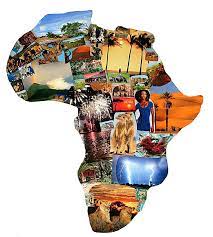
African Youth Leadership: Building Independence and Self-Reliance
Welcome Back.
Updated at: 2025-02-28 09:54:24 (9 months ago by Melkisedeck Leon Shine)
The African continent stands at a pivotal moment, brimming with potential and facing significant challenges. The key to unlocking its vast promise lies within the hands of its young leaders. This generation holds the power to shape a future defined by self-reliance, unity, and sustainable progress. It's time to actively cultivate and harness this potential to build a stronger, more prosperous Africa.
Education: The Foundation of Independence
Nelson Mandelaβs words ring truer than ever: "Education is the most powerful weapon which you can use to change the world." Investing in education is not merely about acquiring knowledge and skills; it's about empowering individuals and communities to overcome obstacles and seize opportunities. A commitment to educational excellence at all levels β from primary schools to universities and beyond β forms the bedrock of a thriving and self-sufficient Africa. This includes ensuring access to quality education for all, regardless of background or location, and fostering an environment that celebrates intellectual curiosity and critical thinking.
Innovation and Entrepreneurship: Catalysts for Economic Growth
Across the African continent, a wave of young entrepreneurs is transforming communities through innovative solutions and groundbreaking ventures. This entrepreneurial spirit, fueled by creativity, resourcefulness, and a willingness to take risks, is essential for driving economic growth and fostering self-reliance. We must nurture this spirit by creating supportive ecosystems that encourage innovation, provide access to funding and mentorship, and celebrate the successes of young African entrepreneurs. This includes promoting digital literacy, supporting technology development, and fostering a culture of entrepreneurship from a young age.
Unity: Strength in Diversity
Kwame Nkrumah's vision of a united Africa remains profoundly relevant. The strength of our continent lies in its diversity, and by embracing our shared heritage and working collaboratively, we can overcome the challenges that divide us. This requires fostering dialogue and understanding between different communities, promoting cross-cultural exchange, and building strong regional partnerships. A united Africa is a strong Africa, capable of tackling its challenges collectively and achieving shared prosperity.
Collaboration: A Global Partnership for Progress
The pursuit of independence and self-reliance does not necessitate isolation. Collaboration with other African nations and the global community is crucial for sharing knowledge, accessing expertise, and leveraging resources. By fostering strong partnerships, we can learn from the experiences of others, draw inspiration from their successes, and build a network of support that accelerates our progress. This includes engaging actively in international forums, attracting foreign investment strategically, and promoting mutually beneficial collaborations across various sectors.
The Call to Action: Building a Legacy of Independence
African youth leaders have a unique opportunity to shape the future of the continent, building a legacy of self-reliance and sustainable development for generations to come. This requires a collective commitment to action, a shared vision for the future, and a relentless pursuit of progress. Let us inspire one another, empower one another, and work together to create an Africa that is prosperous, peaceful, and truly independent.
What steps are you taking to contribute to the advancement of your community? How can we collectively work towards a more self-reliant and united Africa? Share your thoughts, insights, and initiatives, and let's collaborate to build a brighter future together. Let us continue this vital conversation, sharing ideas and inspiring action towards a truly independent and thriving Africa.
Let us unite, let us innovate, and let us build a brighter tomorrow for Africa!
Updated at: 2025-05-14 14:15:17 (6 months ago by Melkisedeck Leon Shine)
Africa, a continent brimming with untapped potential, possesses diverse cultures, abundant resources, and a resilient spirit. Realizing this potential necessitates a strategic focus on youth empowerment, fostering a generation characterized by self-reliance and sustainable development. This transformative endeavor demands collaborative action and a shared vision for a flourishing Africa. This article will explore key strategies, applying relevant development theories and models to achieve this goal.
1. Investing in Human Capital Development: The Foundation of Self-Reliance
Human capital theory posits that investments in education and skills development are crucial drivers of economic growth and societal progress. Providing equitable access to quality education, from primary schooling to tertiary education, is paramount. This involves not only expanding access but also enhancing curriculum relevance, incorporating vocational training, and promoting digital literacy. The application of this theory necessitates a significant increase in educational expenditure, coupled with the development of effective teacher training programs and the deployment of technology to bridge the digital divide. This approach, guided by the principles of human capital theory, empowers individuals with the knowledge and skills necessary for active participation in the global economy, thereby fostering self-reliance at both the individual and national levels. The result will be a more productive workforce capable of driving innovation and economic diversification.
2. Fostering Entrepreneurship and Innovation: Unleashing Africa's Economic Potential
The Schumpeterian theory of innovation highlights the crucial role of entrepreneurs in driving economic growth through the creation of new products, processes, and markets. Cultivating a vibrant entrepreneurial ecosystem requires supportive policies, access to finance, mentorship programs, and business incubators. Governments can actively promote entrepreneurship through initiatives such as tax breaks, streamlined business registration processes, and access to microfinance. Furthermore, the application of the resource-based view suggests leveraging Africa's unique resources and capabilities to foster innovation in sectors such as agriculture, renewable energy, and technology. By encouraging risk-taking, celebrating success, and providing a supportive environment, Africa can unlock its immense innovative potential, leading to sustainable economic growth and job creation.
3. Sustainable Resource Management: Balancing Economic Growth with Environmental Stewardship
The principles of sustainable development underscore the need to balance economic growth with environmental protection. Africa's natural resources represent a significant asset, but their exploitation must be guided by the principles of sustainability. This requires investments in renewable energy sources, promoting sustainable agricultural practices, and adopting responsible resource extraction techniques. The application of ecological modernization theory suggests that integrating environmental concerns into economic development strategies can lead to both economic prosperity and environmental sustainability. This involves implementing stringent environmental regulations, fostering green technologies, and promoting responsible resource management practices across all sectors. By adopting a holistic approach to resource management, Africa can ensure long-term economic prosperity while preserving its valuable natural heritage for future generations.
4. Regional Integration and Collaborative Development: Harnessing Synergies for Collective Advancement
The theory of regional integration emphasizes the benefits of cooperation and collaboration among nations. Building a self-reliant Africa necessitates fostering unity and collaboration among African nations. This involves strengthening regional economic communities, promoting cross-border trade, and sharing knowledge and resources. The application of institutionalism highlights the importance of establishing robust institutions and governance structures to facilitate regional integration and cooperation. This involves strengthening regional bodies, promoting harmonization of policies and regulations, and fostering a culture of trust and mutual respect among nations. By working together, Africa can overcome common challenges, leverage its collective strengths, and achieve greater economic and social progress.
5. Strategic Global Engagement: Leveraging International Partnerships for Accelerated Development
While preserving its unique identity, Africa must actively engage with the global community. Learning from best practices, adapting successful strategies from other developing regions, and sharing its own experiences can accelerate its progress. The application of dependency theory suggests a need for strategic partnerships that avoid exploitative relationships and foster mutual benefit. This involves fostering South-South cooperation, engaging in productive dialogues with developed nations, and seeking mutually beneficial partnerships that promote sustainable development and self-reliance. A global perspective enriches problem-solving capabilities and fosters a more sustainable and self-reliant future.
Conclusions and Recommendations
Building a self-reliant Africa requires a multifaceted approach that integrates investments in human capital, fosters entrepreneurship, ensures sustainable resource management, promotes regional integration, and engages strategically with the global community. The application of various economic and development theories provides a robust framework for guiding policy decisions and implementing effective strategies. Further research is needed to assess the effectiveness of specific interventions, to monitor progress toward sustainable development goals, and to identify emerging challenges and opportunities. The success of this endeavor hinges on strong political will, effective governance, inclusive participation, and a shared commitment to building a prosperous and self-reliant Africa. This holistic approach will not only enhance economic growth but also improve social equity and environmental sustainability, leading to a more just and prosperous continent. The long-term impact includes enhanced global competitiveness, reduced poverty and inequality, and improved quality of life for all Africans.
Reader Pool: What are the most significant barriers to implementing these strategies for building a self-reliant Africa, and how can these challenges be effectively addressed?
Updated at: 2025-07-06 10:23:17 (5 months ago by Melkisedeck Leon Shine)
Strategies for Responsible Mining in Africa: Balancing National Sovereignty and Sustainable Development
The African continent possesses significant mineral wealth, presenting a substantial opportunity for economic growth and development. However, the extraction of these resources necessitates a careful balancing act between national sovereignty and the principles of sustainable development. This requires a strategic approach that integrates economic independence with environmental protection and social equity. Key concepts underpinning this approach include resource nationalism (prioritizing national control over resources), the resource curse (the paradox of resource-rich nations experiencing underdevelopment), sustainable development (meeting present needs without compromising future generations' ability to meet their own), and stakeholder engagement (involving all impacted parties in decision-making processes).
Developing indigenous mining expertise is paramount. This involves substantial investment in education and training programs focused on geology, mining engineering, and related fields. Human capital development, a cornerstone of the neoclassical growth model, is essential to reduce reliance on foreign expertise, creating a skilled workforce capable of managing and overseeing all aspects of the mining value chain. This fosters local ownership and technological capability, mitigating risks associated with dependence on external actors and knowledge transfer limitations. Building domestic capacity aligns with the principles of resource nationalism, ensuring that the benefits of mining accrue directly to the nation.
Strategic partnerships with international mining companies can complement domestic expertise. However, these collaborations must be structured to prioritize national interests. This involves negotiating favorable contracts that transfer technology, knowledge, and skills to local entities, ensuring that future mining projects are led by national companies. The application of agency theory is crucial here, mitigating potential conflicts of interest and ensuring that the principal (the nation-state) effectively controls its agents (the international companies) to achieve its development goals. A balanced approach, avoiding complete reliance on either foreign or domestic actors alone, is vital.
Robust regulatory frameworks are indispensable for responsible mining. This encompasses enacting and enforcing stringent environmental regulations, ensuring adherence to international best practices in mine safety, and establishing transparent and accountable mechanisms for managing mining revenues. The implementation of effective regulatory frameworks is essential to mitigate the negative externalities often associated with resource extraction. Such regulations must be aligned with the principles of sustainable development, prioritizing long-term environmental and social well-being. This requires a strong and independent regulatory body capable of effective oversight and enforcement, overcoming potential challenges posed by corruption or political influence.
Meaningful community engagement is crucial for fostering social license to operate. This entails transparent communication with affected communities, incorporating their perspectives into project planning and implementation, and establishing equitable benefit-sharing mechanisms that ensure local communities receive a fair share of the economic benefits derived from mining. Applying the principles of participatory development and stakeholder engagement minimizes conflicts, promotes social cohesion, and ensures that mining activities contribute positively to the social fabric of the communities impacted by them. Effective community engagement can mitigate the risk of the resource curse, ensuring that resource wealth translates into improved livelihoods and reduced social inequalities.
Conclusion and Recommendations
Responsible mining in Africa requires a multifaceted approach that prioritizes national sovereignty while upholding sustainable development principles. Building national capacity through investment in education and skills development is essential, as is establishing strategic partnerships with international actors that serve national interests. Robust regulatory frameworks and meaningful community engagement are critical to mitigating environmental and social risks and fostering social license to operate. Further research should focus on developing effective mechanisms for revenue management and benefit-sharing, as well as exploring innovative financing models for sustainable mining practices. The successful implementation of these strategies will not only contribute to economic growth and poverty reduction but also ensure that Africa's mineral wealth benefits present and future generations. The ultimate success hinges on strong political will, transparency, and accountability across all stakeholders.
Reader Pool: What are the most significant challenges in balancing national sovereignty and sustainable development in the context of African mining, and how might these challenges be addressed effectively?
Updated at: 2025-07-10 10:03:12 (4 months ago by Melkisedeck Leon Shine)
Africa's economic trajectory necessitates a nuanced understanding of the interplay between resource utilization and environmental stewardship. This necessitates a paradigm shift towards sustainable development, defined as fulfilling present needs without jeopardizing future generations' ability to meet their own. This article presents a strategic framework, grounded in ecological economics and sustainable resource management principles, to guide African leaders in this complex endeavor. Key concepts explored include the Environmental Kuznets Curve (EKC), illustrating the hypothesized inverted U-shaped relationship between economic growth and environmental degradation; ecosystem carrying capacity, representing the maximum population size an environment can sustainably support; and stakeholder engagement, crucial for achieving collaborative and equitable outcomes. These concepts will be applied throughout the framework to provide practical guidance.
1. Strengthening Environmental Governance and Regulation: Effective environmental governance necessitates transparent, accountable, and participatory institutions. Robust regulatory frameworks, enforced rigorously, are crucial for deterring environmental degradation and promoting responsible behavior. This aligns with the principles of institutional economics, recognizing the role of institutions in shaping environmental outcomes. Implementing comprehensive environmental impact assessments (EIAs) for all development projects ensures that environmental considerations are integrated into decision-making processes. The application of regulatory frameworks such as the Polluter Pays Principle ensures that those responsible for environmental damage bear the costs of remediation and prevention, incentivizing sustainable practices. Furthermore, the adoption of command-and-control regulations, complemented by market-based instruments like carbon taxes and emissions trading schemes, can provide a multifaceted approach to environmental protection.
2. Implementing Sustainable Development Goals (SDGs): The SDGs offer a holistic framework for integrating economic, social, and environmental dimensions into development planning. SDGs 7 (Affordable and Clean Energy), 6 (Clean Water and Sanitation), 13 (Climate Action), and 15 (Life on Land) are particularly relevant for balancing conservation and development in Africa. Applying the SDGs necessitates prioritizing projects demonstrably contributing to multiple goals, maximizing synergies and minimizing trade-offs. For instance, investing in renewable energy (SDG 7) concurrently reduces greenhouse gas emissions (SDG 13), promotes energy access (SDG 7), and stimulates job creation (SDG 8), aligning with the concept of sustainable development as a holistic and integrated approach.
3. Sustainable Resource Extraction and Value Addition: While mining contributes to economic growth, it often entails detrimental environmental and social consequences. The precautionary principle necessitates stringent environmental regulations, robust corporate social responsibility (CSR) standards, and prioritized local community engagement. Locally adding value to extracted resources through processing and manufacturing creates more jobs, generates higher revenues, and reduces reliance on exporting raw materials. This leverages the theory of comparative advantage, maximizing economic benefits while minimizing environmental damage. The implementation of circular economy principles, minimizing waste and maximizing resource utilization, further enhances sustainability and efficiency.
4. Transition to Renewable Energy: Fossil fuel dependence poses significant environmental risks and exacerbates climate change. Transitioning to renewable energy sources (solar, wind, hydro, geothermal) is crucial. This involves strategic investments in renewable energy infrastructure, technological innovation, and capacity building. Adopting a circular economy model enhances efficiency and minimizes waste, aligning with industrial ecology principles. This transition is critical for mitigating climate change and achieving energy security, in line with principles of sustainable energy development.
5. Strategic Partnerships and Knowledge Sharing: Addressing complex challenges requires collaboration. Partnerships between governments, international organizations, the private sector, and local communities foster knowledge sharing, resource mobilization, and innovative solutions. This collaborative approach aligns with social network theory, leveraging diverse actors' strengths for collective impact. South-South cooperation, building on shared experiences, is particularly effective. This collaborative model, drawing on the strengths of various stakeholders, aims for synergistic outcomes through knowledge sharing and resource mobilization.
6. Human Capital Development and Capacity Building: Investing in education and skills development empowers communities to participate actively in sustainable resource management and access economic opportunities. This fosters ownership and stewardship, strengthening social capital. Curriculum integration of environmental sustainability and resource management aligns with transformative learning principles. A skilled and educated populace acts as a catalyst for sustainable development, equipped to understand and address related challenges.
7. Establishing and Managing Protected Areas: Protected areas are crucial for biodiversity conservation and ecosystem services. Effective management requires scientific knowledge, community participation, and robust governance structures. Eco-tourism can generate revenue while supporting conservation, aligning with sustainable tourism principles. Careful planning and zoning are essential to avoid conflicts between conservation and development priorities. This involves balancing ecological integrity with the economic benefits derived from carefully managed tourism initiatives.
8. Promoting Sustainable Tourism: Tourism can drive economic growth if managed sustainably, minimizing environmental impacts, respecting local cultures, and ensuring equitable benefit distribution. Ecotourism, emphasizing responsible travel and environmental consciousness, balances economic benefits with environmental protection. The integration of community-based tourism initiatives can also empower local communities and contribute to equitable distribution of tourism-related benefits.
9. Integrating Traditional Ecological Knowledge (TEK): Indigenous and local communities possess valuable TEK about sustainable resource management. Integrating TEK with modern scientific approaches enhances conservation and development initiatives. This participatory approach acknowledges local knowledge and leverages existing expertise. This participatory approach recognizes that traditional knowledge can provide valuable insights into sustainable resource management practices.
10. Investing in Green Infrastructure: Green infrastructure (urban green spaces, renewable energy systems, efficient transportation networks) enhances environmental quality and creates economic opportunities. This aligns with sustainable urban planning principles and builds resilient communities. This approach aims for the creation of environmentally friendly urban environments and infrastructure, positively impacting quality of life and economic opportunities.
11. Fostering Entrepreneurship and Innovation in Green Sectors: Supporting green sector entrepreneurs (renewable energy, eco-tourism, sustainable agriculture) promotes economic diversification and job creation, fostering innovation and aligning with sustainable entrepreneurship principles. This aims to stimulate economic growth while promoting environmental sustainability through innovation and entrepreneurship.
12. Leveraging Technology and Innovation for Sustainable Resource Management: Technological advancements (precision agriculture, remote sensing for deforestation monitoring, improved water management technologies) offer innovative solutions. Investing in research and development is crucial for effective adaptation and adoption. This involves harnessing technological advancements to enhance the efficiency and sustainability of resource management practices.
13. Promoting Environmental Education and Awareness: Raising public awareness and environmental literacy fosters a culture of sustainability. Environmental themes should be integrated into curricula at all educational levels. This contributes to building a citizenry equipped to understand and actively participate in achieving environmental sustainability.
14. Ensuring Equitable Benefit Sharing: Resource management and development benefits should be equitably shared among stakeholders (local communities, government, private sector). Fair and transparent benefit-sharing mechanisms build social cohesion and promote sustainable development. Equitable distribution of benefits ensures that the advantages of sustainable development are shared fairly amongst all stakeholders involved.
15. Monitoring and Evaluation: Robust monitoring and evaluation systems track progress, identify challenges, and allow for strategy adaptation. Data-driven decision-making ensures that interventions are effective and contribute to long-term sustainability goals. This continuous monitoring and evaluation process ensures that sustainable development initiatives are adaptable and effective in achieving their long-term objectives.
Balancing conservation and development in Africa requires a holistic approach integrating economic, social, and environmental factors. This framework, grounded in sustainable development principles, provides a strategic roadmap. Successful implementation necessitates strong political will, collaborative partnerships, and a commitment to equitable benefit sharing. Further research should evaluate specific interventions' effectiveness, adapt strategies to regional contexts, and develop innovative financing mechanisms for sustainable development. Long-term impacts will include improved environmental quality, enhanced economic opportunities, and increased social equity, contributing to a more prosperous and resilient Africa. A crucial aspect for future research involves the detailed cost-benefit analysis of different sustainable development strategies, incorporating both economic and environmental factors to determine the most efficient allocation of resources.
Reader Pool: Considering the complexities of balancing economic growth with environmental sustainability in the African context, what innovative policy mechanisms could most effectively incentivize private sector investment in green technologies and sustainable practices?
Updated at: 2023-08-06 15:57:56 (2 years ago by Melkisedeck Leon Shine)
Investing in Education: Empowering African Minds for Self-Reliance πͺπ
As an African, I strongly believe in the power of education to build a thriving and self-reliant community. Our continent is rich in resources and potential, yet we continue to face various challenges that hinder our progress. It is time for us, as Africans, to take charge and invest in our education systems to empower ourselves for a brighter future. ππ
1οΈβ£ Education as the Foundation: Education is the key that unlocks the door to self-reliance. By investing in quality education, we equip ourselves with the knowledge and skills needed to overcome obstacles and seize opportunities. Let us remember the words of Nelson Mandela, "Education is the most powerful weapon which you can use to change the world." π‘π
2οΈβ£ Fostering Innovation and Entrepreneurship: We must encourage our youth to think creatively and embrace entrepreneurship. By nurturing a culture of innovation, we can create job opportunities and reduce dependence on external forces. Let us be inspired by the late Wangari Maathai, who said, "In a few decades, the relationship between the environment, resources, and conflict may seem almost as obvious as the connection we see today between human rights, democracy, and peace." ππΌ
3οΈβ£ Strengthening Technical and Vocational Education: While traditional academic education is essential, we need to recognize the value of technical and vocational skills. By equipping our youth with practical skills, we can empower them to contribute meaningfully to their communities and lead self-sustaining lives. Let us embrace the words of Kwame Nkrumah, the first President of Ghana, who said, "We face neither East nor West; we face forward." π§π¨
4οΈβ£ Investing in Infrastructure: To ensure access to quality education for all, we must invest in infrastructure such as schools, libraries, and technology. By providing the necessary tools, we create an environment conducive to learning and knowledge sharing. Let us remember the words of Thabo Mbeki, the former President of South Africa, who said, "We must work together to ensure the equitable distribution of wealth, opportunity, and power in our society." π«π»
5οΈβ£ Learning from Global Experiences: While we strive for self-reliance, we can learn from the experiences of other nations. By studying successful education systems around the world, we can adapt and implement effective strategies tailored to our unique needs. Let us be inspired by the words of Julius Nyerere, the first President of Tanzania, who said, "Education is not a way to escape poverty; it is a way of fighting it." ππ
By investing in education and empowering ourselves, we can build a united Africa that is independent and self-reliant. Together, we can overcome the challenges that hold us back and create a brighter future for generations to come. Let us ask ourselves, what can we do today to contribute to this vision? How can we support our educational institutions and inspire our youth to become agents of change? Share this article and let's start a conversation that leads to action. Together, we can make a difference! πβ¨
Share this article with your friends and family to spread the message of investing in education for a self-reliant Africa. Let's join hands and empower our minds for a brighter future! ππ€
π₯πͺπ "Education is the passport to the future, for tomorrow belongs to those who prepare for it today." - Malcolm X
Updated at: 2025-02-21 20:51:27 (9 months ago by Melkisedeck Leon Shine)
Africa, a continent rich in diverse cultures, abundant resources, and unwavering resilience, possesses immense untapped potential. To fully realize this potential and propel Africa to new heights of prosperity, we must prioritize the empowerment of our youth, cultivating a self-reliant generation capable of shaping the continent's future. This transformative journey requires a collective effort, a shared commitment to progress and a vision for a brighter tomorrow.
Investing in Education: The Foundation of Progress
Quality education forms the bedrock of individual and societal advancement. By providing our youth with access to world-class education, encompassing both theoretical knowledge and practical skills, we equip them to navigate the complexities of the 21st century and contribute meaningfully to their communities and the wider world. This investment is not merely an expenditure; it is a strategic imperative, echoing Nelson Mandela's powerful assertion that "Education is the most powerful weapon which you can use to change the world." Ensuring equitable access to quality education for every child across Africa is paramount to unlocking the continent's full potential.
Fostering Entrepreneurship and Innovation: A Catalyst for Growth
Africans possess a remarkable spirit of innovation and resourcefulness, consistently demonstrating the ability to transform challenges into opportunities. Cultivating an entrepreneurial mindset among our youth, empowering them with the skills and resources to launch and grow businesses, is crucial for driving economic growth and creating jobs. This requires supportive policies, access to funding, and a culture that celebrates risk-taking and innovation. As Kwame Nkrumah wisely stated, "We face neither East nor West; we face forward," and embracing entrepreneurship propels us towards a future built on self-reliance and innovation.
Sustainable Resource Management: Building a Green Economy
Africa's natural resources are its invaluable assets. Responsible and sustainable management of these resources is essential for long-term economic growth and environmental protection. Investing in renewable energy sources, promoting sustainable agricultural practices, and developing other environmentally conscious industries will not only safeguard our planet but also create economic opportunities and foster self-sufficiency. Echoing Wangari Maathai's call for a shift in consciousness, we must move towards a greener, more self-sufficient Africa, ensuring that future generations inherit a healthy and prosperous environment.
Unity and Collaboration: Harnessing Collective Strength
Africa's diversity is its strength. By fostering unity and collaboration among its people, transcending ethnic and national boundaries, we can unlock unparalleled collective potential. Working together, sharing knowledge and resources, and supporting each other's aspirations, we can achieve remarkable progress. As Desmond Tutu eloquently stated, "We are different so that we can know our need of one another." Celebrating our diversity while embracing unity forms the cornerstone of a self-reliant and thriving Africa.
Global Engagement: Learning and Sharing Knowledge
To build a truly self-reliant generation, we must actively engage with the global community, learning from best practices and sharing our own experiences. This involves leveraging international collaborations, attracting foreign investment responsibly, and participating actively in global discussions on development and sustainability. Embracing global knowledge, while retaining our unique African identity and wisdom, allows us to create a brighter future for ourselves and the world. This resonates with the ancient Ghanaian proverb: "Knowledge is like a baobab tree; no one person can embrace it," emphasizing the importance of collective learning and shared knowledge.
A Call to Action
The time for transformative change is now. Let us unite as Africans, empowering our youth to become the self-reliant leaders of tomorrow. By investing in education, fostering entrepreneurship, managing resources sustainably, fostering unity, and engaging globally, we can build a continent that thrives on self-reliance and independence. Join this noble cause; let your voice be heard; become a catalyst for positive change. Share this vision, ignite the spark of empowerment in every corner of Africa, and together, let us create a brighter future for our beloved continent.
Updated at: 2025-02-28 12:00:01 (9 months ago by Melkisedeck Leon Shine)
Africa's breathtaking landscapes and rich cultural heritage present a unique opportunity for eco-tourism to drive sustainable development. However, maximizing this potential requires a carefully considered strategy that prioritizes community participation and environmental protection. This article explores how a self-reliant African future can be built through eco-tourism, fostering both economic prosperity and environmental stewardship. The key lies in embracing independent conservation initiatives, leveraging technological advancements, and drawing upon global best practices.
Empowering Local Communities: The Foundation of Sustainable Eco-Tourism
Sustainable eco-tourism thrives on local ownership and active community involvement. By placing local communities at the heart of tourism development, we ensure that economic benefits directly improve their livelihoods, generating employment opportunities and stimulating local economies. This approach fosters a sense of ownership and responsibility, transforming community members into guardians of their invaluable natural and cultural heritage. This participatory model ensures that tourism development aligns seamlessly with community needs and values, fostering genuine and lasting sustainability.
Investing in Education and Skills: A Long-Term Vision for Success
The long-term success of eco-tourism depends on a skilled and knowledgeable workforce. Investing in comprehensive education and training programs is essential to equip communities with the necessary skills for various tourism-related roles, spanning from guiding and hospitality services to sustainable resource management. By nurturing local expertise, we elevate the quality of tourism experiences while simultaneously ensuring that community members directly benefit from the industry's growth. This investment translates into improved service delivery, heightened visitor satisfaction, and, ultimately, a more robust and sustainable tourism sector.
Harnessing Technology for Environmental Stewardship and Operational Efficiency
Technology plays a pivotal role in promoting sustainable eco-tourism practices. Effective digital marketing strategies can showcase Africa's unique offerings to a global audience, while the adoption of sustainable technologies in accommodation and operations minimizes environmental impact. From implementing energy-efficient systems to leveraging digital platforms for bookings and communications, technology fosters eco-friendly practices and enhances operational efficiency. This integration creates a more interconnected and environmentally conscious tourism sector, underscoring Africa's commitment to global sustainability.
Community-Based Tourism: Amplifying Local Voices and Cultural Authenticity
Community-based tourism ensures that local communities are not merely recipients of tourism's benefits but active participants in decision-making processes. This model prioritizes local needs and aspirations, shaping tourism development to reflect the unique character of each community. The result is an authentic tourism experience that celebrates the rich diversity of African cultures and traditions, offering visitors a deeper appreciation of local life. By empowering communities to shape their own tourism futures, we create a more equitable and sustainable sector that benefits both visitors and residents. This collaborative approach is vital for the long-term preservation of cultural heritage and natural resources.
Learning from Global Success Stories: Adapting Best Practices to the African Context
Successful eco-tourism models in countries such as Costa Rica and Kenya offer invaluable insights and lessons learned. Their experiences demonstrate the potential of responsible tourism to both safeguard natural wonders and stimulate economic growth. By adapting and integrating these successful strategies within the unique African context, we can accelerate the development of a thriving and sustainable eco-tourism sector. Learning from other successful models allows us to avoid potential pitfalls and swiftly adopt best practices, accelerating progress toward our goals.
Building a Sustainable and Prosperous Future for Africa Through Eco-Tourism
Eco-tourism offers a pathway towards a self-reliant Africa, where the preservation of natural beauty and cultural heritage is prioritized for generations to come. By prioritizing community empowerment, investing in education and training, and wholeheartedly embracing sustainable practices, we can create a tourism sector that benefits both people and the planet. This approach ensures that Africa's natural resources remain a source of pride and prosperity for years to come. The future of African eco-tourism is dependent on collaboration, innovation, and a shared commitment to building a sustainable and prosperous future.
Let's engage in a collective effort to build a more sustainable and prosperous future for Africa through eco-tourism. Share your ideas and insights; let's work together to unlock the extraordinary potential of this remarkable continent.
Updated at: 2023-08-06 15:47:18 (2 years ago by Melkisedeck Leon Shine)
Empowering African Social Entrepreneurs: Nurturing Independent Change βπ
Greetings, my fellow African brothers and sisters! Today, I am here to share with you some valuable insights on how we can build independent and self-reliant communities throughout our beloved continent. π±πͺ
1οΈβ£ It is time for us to embrace our own strengths and talents and embark on a journey of entrepreneurship. By becoming social entrepreneurs, we can create positive change and uplift our communities from within. Let us seize this opportunity and unleash our potential! πΌπ
2οΈβ£ One key strategy to nurture independence is to focus on creating sustainable businesses. By developing ventures that generate revenue and provide solutions to social issues, we can build a foundation for long-term self-sufficiency. Let's think about the needs of our communities and find innovative ways to address them. π‘π°
3οΈβ£ Collaboration is the heartbeat of progress. Let's come together as African entrepreneurs and support each other's endeavors. By sharing resources, knowledge, and networks, we can amplify our impact and set the stage for a united Africa. π€π
4οΈβ£ Learning from successful entrepreneurs around the world is crucial. By studying their strategies and adapting them to our unique context, we can accelerate our own growth. Remember, knowledge knows no borders! ππ
5οΈβ£ "The greatest glory in living lies not in never falling, but in rising every time we fall." - Nelson Mandela. As Africans, we have faced many challenges throughout history, but we have always risen above them. Let us channel this resilience into our entrepreneurial journeys and create a legacy for future generations to admire. π
6οΈβ£ It is essential to prioritize ethical business practices. Honesty, integrity, and transparency should be the guiding principles of our ventures. By upholding these values, we can foster trust within our communities and attract long-term support. ππ€²
7οΈβ£ Let us foster a culture of continuous learning and growth. Attend workshops, seminars, and conferences to expand our knowledge and refine our entrepreneurial skills. The more we invest in ourselves, the more we can contribute to the development of our communities. ππͺ
8οΈβ£ "If you want to go fast, go alone. If you want to go far, go together." - African Proverb. Collaboration with fellow social entrepreneurs, organizations, and government institutions is key to achieving sustainable impact. Together, we can build a better future for Africa! ππ
9οΈβ£ We must strive to overcome the mindset of dependency. Let us create solutions that address our own challenges and rely less on foreign aid. By doing so, we strengthen our independence and reclaim our power. πͺπ‘οΈ
π As Africans, we possess a rich cultural heritage that can inspire and fuel our entrepreneurial spirit. Let's infuse our businesses with the vibrancy and wisdom of our ancestors, honoring their legacies while building a brighter future. πΊπ
Now, my fellow Africans, I leave you with these questions to ponder: What steps can you take today to start your journey as a social entrepreneur? How can you contribute to the growth and development of your community? π€π
Share this article with your friends and family, and let's inspire a movement of independent change throughout Africa. Together, we can shape a future that celebrates our unity, resilience, and limitless potential. ππ
Remember, the power to transform our continent lies within us. Let's awaken it and empower Africa, one social entrepreneur at a time. ππͺ
Updated at: 2025-05-28 10:57:19 (6 months ago by Melkisedeck Leon Shine)
Africa's substantial economic and social development potential remains significantly unrealized. Realizing this potential necessitates a paradigm shift towards gender equality, not simply as a social justice imperative, but as a fundamental pillar of sustainable development. This article analyzes key strategies for achieving gender equality in Africa, applying relevant economic theories and models to demonstrate their practical implementation. We begin by defining key concepts. Gender equality, in this context, signifies the equitable distribution of opportunities, resources, power, and rights among individuals irrespective of gender. Sustainable development, aligned with the UN's Sustainable Development Goals (SDGs), emphasizes balanced economic growth, social justice, and environmental stewardship. The human capital theory, underpinning our analysis, highlights the pivotal role of human development in driving economic expansion. This theory posits that investments in education, health, and skills enhancement directly translate into increased productivity and economic growth.
The debilitating consequences of gender inequality on economic progress are extensively documented. Extensive research consistently demonstrates a strong positive correlation between gender equality and enhanced economic productivity. Restricting women's workforce participation through discriminatory practices, unequal remuneration, and limited access to education and resources results in substantial losses of potential human capital, stifling innovation and overall economic growth. Addressing this requires proactive policy interventions designed to establish a level playing field. The capability approach, pioneered by Amartya Sen, underscores the importance of empowering women with the capabilities and resources necessary for full societal participation. This approach shifts the focus from simply providing resources to ensuring individuals have the real freedom to utilize those resources to achieve their potential.
Investing in high-quality education for girls is paramount. Education transcends literacy; it represents empowerment. By providing girls with access to quality education, particularly in STEM (Science, Technology, Engineering, and Mathematics) fields, we equip them with the skills and knowledge required for full participation in the modern economy. This investment aligns directly with the human capital theory by enhancing the skills and productivity of a substantial portion of the population. Moreover, research consistently shows that women with higher educational attainment exhibit better health outcomes, participate more actively in their communities, and contribute significantly more to the economy. The return on investment in female education is demonstrably high, both in terms of individual well-being and broader societal development.
Challenging restrictive gender stereotypes and fostering inclusive leadership are critical. This involves actively dismantling patriarchal norms that constrain women's opportunities and roles in society and the economy. Promoting inclusive leadership mandates ensuring equitable representation of women in leadership positions across all sectors β public, private, and civil society. This not only promotes fairness and justice but also introduces diverse perspectives and experiences into decision-making, leading to improved outcomes and more effective governance. The concept of social capital, emphasizing the importance of trust, cooperation, and networks, suggests that greater gender equality strengthens social cohesion and enhances community outcomes.
Benchmarking against successful gender equality initiatives in other nations is essential. Comparative policy analysis of countries that have effectively narrowed gender gaps in pay, representation, and opportunities can yield invaluable insights and effective strategies for Africa. This involves identifying best practices and adapting them to the specific contexts and challenges of individual African nations, drawing on principles of comparative advantage and prioritizing culturally appropriate interventions. Learning from successes and failures in other regions can accelerate progress and avoid repeating past mistakes.
A unified, pan-African approach to gender equality is paramount. Collective action, inter-nation coordination, and the establishment of regional collaborative networks can generate synergistic effects. Sharing best practices, pooling resources, and implementing mutually supportive policies are crucial. This aligns with the principles of collective action, demonstrating that coordinated efforts yield greater impact than isolated initiatives. Regional cooperation allows for the sharing of knowledge, resources, and best practices, significantly increasing the effectiveness of gender equality initiatives.
Individual actions also play a significant role. Promoting awareness, challenging personal biases, and actively supporting gender equality in daily life are essential. This includes supporting businesses committed to gender equality, encouraging girls' participation in sports and extracurricular activities, and advocating for equitable pay and opportunities. Individual actions, while seemingly small, collectively create a powerful force for change, influencing societal norms and creating a more equitable environment.
Inclusivity and intersectionality must be central tenets. Gender equality initiatives must acknowledge and address the diverse experiences of African women, considering factors such as ethnicity, socioeconomic status, disability, and geographic location. This holistic approach ensures that the benefits of gender equality reach all members of society, avoiding the creation of new inequalities while addressing existing ones. An intersectional lens recognizes that gender intersects with other social categories to create unique experiences of inequality.
Sustained commitment is vital. Achieving gender equality requires long-term dedication, resilience in overcoming challenges, and continuous monitoring and evaluation of progress. This underscores the importance of strategic planning and consistent effort to achieve lasting societal transformation. Long-term commitment is crucial because systemic change takes time and requires sustained effort across multiple levels of society.
Addressing gender inequality in Africa is not merely a matter of social justice; it is a crucial catalyst for unlocking the continent's immense economic and societal potential. This analysis has explored several strategies, grounded in established theories and models of development economics, demonstrating how investing in women and girls translates into broader economic gains and improved societal well-being. Recommendations include targeted interventions in education, inclusive leadership development programs, comparative policy analysis learning from successful initiatives elsewhere, and a unified regional strategy emphasizing cooperation and resource sharing. Further research should focus on rigorously evaluating the effectiveness of specific interventions across diverse African contexts, analyzing the impact of intersectional factors, and developing tailored strategies to address the unique challenges faced by women in different regions and communities. The long-term impact of these efforts will be a more prosperous, equitable, and sustainable Africa where every individual has the opportunity to reach their full potential. The success of these initiatives hinges on sustained political will, robust data collection and analysis, and active participation from all stakeholders β governments, civil society organizations, businesses, and individuals. A multi-faceted approach incorporating economic incentives, social empowerment programs, and legal reforms is essential for achieving lasting progress. The application of econometric modeling and impact evaluation techniques could provide further insights into the effectiveness of different intervention strategies.
Reader Pool: What specific policy interventions do you believe would be most effective in addressing the unique challenges faced by women in specific African contexts, and how might these interventions be tailored to maximize their impact?
Updated at: 2025-06-19 14:00:13 (5 months ago by Melkisedeck Leon Shine)
Africa's socioeconomic trajectory is inextricably linked to the effective utilization of its human capital. Sustainable and inclusive development necessitates a paradigm shift towards gender equality, a cornerstone of progress. This analysis examines the multifaceted dimensions of gender inequality across the African continent, proposing strategic interventions informed by established development theories and models. Central to this analysis are the Human Capital Theory, the Gender Development Index (GDI), and the empowerment dimension of the Human Development Index (HDI). The GDI quantifies gender disparities across longevity, knowledge, and standard of living, providing a comprehensive assessment of inequality. The HDI, particularly its empowerment component, gauges a nation's overall development, highlighting the critical interplay between women's empowerment and national progress. Human Capital Theory underscores the pivotal role of investment in human capital (education, skills, health) in driving economic growth; equitable access for women is a crucial element of this investment. The capabilities approach further complements these models by highlighting the importance of fostering individual capabilities as a cornerstone of well-being and development.
Addressing Societal Norms and Structural Barriers: A Multifaceted Approach: Deeply ingrained patriarchal norms and systemic barriers frequently perpetuate gender inequalities, manifesting in discriminatory practices related to land ownership, inheritance, and political representation. Addressing this requires a multi-pronged approach combining legal reforms, targeted policy interventions, and community-based initiatives fostering behavioral change. Social Learning Theory and Social Norms Theory offer frameworks for designing interventions to modify entrenched social norms. This entails engaging community leaders, utilizing social marketing campaigns to promote gender-equitable attitudes, and providing psychosocial support to survivors of gender-based violence. The application of these theories facilitates a nuanced understanding and transformation of the social dynamics that reinforce gender inequality. For example, community dialogues that facilitate conversations about harmful norms can help modify beliefs and behaviours.
Investing in Education and Empowerment: A Foundation for Progress: Investing in girls' education is not simply a matter of social justice; it constitutes a strategic investment with significant returns. Empirical evidence demonstrates a strong correlation between female education levels and improvements in health outcomes, economic productivity, and poverty reduction. Providing girls with access to quality education at all levels, particularly STEM fields, equips them with the skills and knowledge for meaningful economic participation. Furthermore, leadership development initiatives and mentorship programs empower women to assume influential roles across various sectors, fostering inclusive leadership. This aligns with the capabilities approach, which emphasizes the cultivation of human capabilities as central to well-being and development. Providing education and empowerment opportunities strengthens women's capabilities, enabling their fuller participation in society and the economy. For instance, scholarships specifically targeting girls in STEM fields can help address the gender gap in these crucial sectors.
The Economic Imperative of Gender Equality: Unleashing Untapped Potential: Human Capital Theory posits that investments in human capital are paramount for economic growth. Gender inequality significantly diminishes the human capital pool by restricting women's access to education, healthcare, and economic opportunities. This leads to inefficient resource allocation and reduced productivity, hindering overall economic development. Evidence consistently demonstrates a strong positive correlation between gender equality and economic prosperity. Increasing female labor force participation, for example, demonstrably boosts economic growth. By promoting equitable access to education, entrepreneurship training, and financial services, while eliminating discriminatory employment practices, Africa can significantly enhance its economic potential currently constrained by gender disparities. This aligns with the principles of inclusive growth, ensuring all segments of the population benefit from economic development. Implementing policies promoting equal pay for equal work is a critical step in achieving this.
Leveraging International Best Practices and Policy Reforms: An Evidence-Based Approach: Many countries have successfully advanced gender equality through targeted policies. Comparative case studies offer valuable insights for designing and implementing evidence-based policies in African contexts. Adapting successful strategies from other regions to local realities is crucial. This includes affirmative action policies increasing women's representation in politics and business, gender-responsive budgeting, and legislative reforms eradicating gender-based discrimination. This comparative approach allows for the identification and adaptation of best practices to local contexts, ensuring relevance and effectiveness. Rigorous impact evaluation is vital to assess policy and program efficacy. For example, analyzing the success of microfinance initiatives in other developing countries could inform the design of similar programs in Africa.
Community Engagement and Collective Action: Fostering Shared Responsibility: Achieving gender equality requires a collective effort. Community engagement is pivotal in fostering shared understanding of gender issues and mobilizing collective action. Engaging men and boys as allies strengthens the sustainability and impact of transformative efforts. Participatory development programs and community-based approaches to address gender-based violence are critical strategies. Social Network Theory highlights the influence of social connections in driving social change; fostering strong social networks that support gender equality is crucial. This collaborative approach maximizes the reach and impact of interventions. A community-based program focusing on challenging harmful gender norms and promoting positive male role models could be a valuable strategy.
Monitoring, Evaluation, and Adaptive Management: A Cyclical Process for Continuous Improvement: Robust monitoring and evaluation systems are essential for tracking progress, identifying challenges, and adapting strategies. Quantitative and qualitative data are vital for continuous improvement and accountability. Regular assessments of the GDI and HDI, along with other indicators, provide valuable insights into progress. Adaptive management strategies, incorporating feedback and lessons learned, maximize the effectiveness of interventions. This ensures interventions remain relevant and effective in achieving their intended goals. Regular data collection and analysis, including feedback mechanisms, are necessary for effective program adaptation.
Conclusion and Recommendations: A Path Towards Inclusive Development
Gender equality in Africa is not merely a social justice imperative; it is essential for unlocking the continent's transformative potential. The strategies presented, grounded in robust development theories and best practices, offer a framework for progress. A comprehensive, multi-sectoral approach integrating legal reforms, policy adjustments, community mobilization, and individual commitment is paramount. Continuous monitoring and evaluation are critical for ensuring effectiveness and facilitating necessary adaptations. Future research should prioritize: (1) Identifying contextual factors influencing gender inequality across diverse African regions; (2) Evaluating the efficacy of varied interventions in different settings; (3) Strengthening data collection systems to ensure robust measurement; and (4) Quantifying the economic and social benefits of gender equality. Adopting a holistic, evidence-based approach, coupled with a human rights-based approach to development, can significantly accelerate progress towards gender equality, fostering inclusive growth, and creating a more equitable and prosperous future for all African citizens. This could involve a longitudinal study tracking the impact of specific interventions over time.
Reader Pool: Considering the complex interplay of factors influencing gender inequality in Africa, what innovative approachesβcombining policy, community-level action, and technological solutionsβcan most effectively promote gender equity, and how can their long-term impact be assessed in a comprehensive and rigorous manner?