Unleashing Potential: Building a Positive African Mindset
Welcome Back.
Updated at: 2023-08-11 17:56:30 (2 years ago by Melkisedeck Leon Shine)
Unleashing Potential: Building a Positive African Mindset
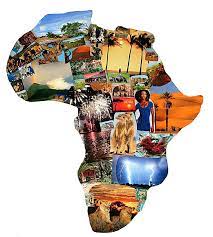
As Africans, we have incredible potential within us, waiting to be unleashed. It is time for us to change our mentality and embrace a positive mindset that will propel us towards greatness. In this article, I will provide you with strategies to transform your thinking and inspire you to believe in the power of our continent. Together, we can build a brighter future for Africa.
Embrace self-belief π: The first step in changing our mentality is to believe in ourselves and our capabilities. We are capable of achieving greatness, and it starts with believing in our own potential.
Focus on education π: Education is the key to unlocking opportunities. Let us prioritize education and invest in our own personal growth. By empowering ourselves with knowledge, we can overcome any obstacles that come our way.
Develop a growth mindset π±: Adopting a growth mindset means seeing challenges as opportunities for growth rather than setbacks. Embrace failures as learning experiences and keep pushing forward.
Emphasize collaboration π€: Africa is a diverse continent with rich cultures and traditions. Let us celebrate our diversity and work together towards common goals. Together, we are stronger.
Embrace innovation π‘: The world is rapidly evolving, and we must adapt to stay ahead. Let us foster a culture of innovation and creativity, seeking new solutions to old problems.
Embrace entrepreneurship πΌ: Entrepreneurship is a powerful driver of economic growth. Let us encourage and support African entrepreneurs, who have the potential to transform our economies and create jobs for our people.
Emphasize good governance ποΈ: To build a positive mindset, we must demand good governance from our leaders. Transparency, accountability, and the rule of law are essential for the development of our continent.
Nurture leadership skills π: Leadership plays a crucial role in shaping our mindset and driving change. Let us develop our leadership skills so that we can become the change-makers our continent needs.
Strengthen regional integration π: African unity is essential for our progress. Let us work towards regional integration, fostering closer ties between nations and promoting trade and cooperation.
Promote economic liberalization π°: Economic liberalization unleashes the potential of our economies. Let us advocate for policies that promote free markets, entrepreneurship, and investment in key sectors.
Strive for political liberalization π³οΈ: Political freedom is a fundamental right. Let us advocate for democratic systems that respect human rights, freedom of expression, and the rule of law.
Learn from the experiences of others π: We can draw inspiration from other parts of the world that have gone through similar journeys of transformation. Let us learn from their successes and challenges.
Celebrate African heroes π: Our history is filled with inspiring leaders who fought for our liberation and paved the way for our independence. Let us remember their sacrifice and draw strength from their legacy.
Believe in the United States of Africa π: The dream of a united Africa, known as "The United States of Africa" or "Muungano wa Mataifa ya Afrika," is within our reach. Let us believe in our collective power and work towards this vision of unity.
Take action now! π: I invite you to develop the skills and strategies mentioned in this article. Let us be proactive in changing our mentality and building a positive mindset that will drive our continent towards a brighter future.
Are you ready to unleash your potential? Share this article with your fellow Africans and let us inspire each other. Together, we can change our mentality and build a positive mindset for Africa's success. #UnleashingAfrica #UnitedAfrica #AfricanUnity #BelieveInYourself
Updated at: 2025-05-24 11:04:29 (6 months ago by Melkisedeck Leon Shine)
Africa's trajectory towards prosperity and unity hinges on a fundamental shift: the cultivation of a collective positive mindset. This article explores fifteen strategic approaches grounded in relevant theories and models to foster this transformation, initiating an era of sustainable development for the continent. We will define key concepts such as positive psychology, social capital, and developmental economics to provide a framework for understanding these strategies.
1. Strengthening African Identity and Social Capital: The concept of social capital, emphasizing the networks of relationships among individuals and the resultant trust and reciprocity, is crucial. By celebrating our diverse cultural heritage, languages, and traditions β a collective identity β we build strong social bonds and foster collaborative action (Putnam, ). This strengthens community resilience and facilitates development initiatives.
2. Historical Contextualization and the Legacy of Resilience: Analyzing Africa's history through the lens of historical institutionalism reveals patterns of resilience and adaptation. Examining the successes and failures of past endeavors illuminates pathways for future progress. The enduring legacy of figures like Nelson Mandela demonstrates the power of perseverance in overcoming adversity, inspiring future generations and building a positive narrative.
3. Cultivating Pan-Africanism and Regional Integration: The principle of Pan-Africanism advocates for unity and solidarity amongst African nations. This translates into practical strategies such as enhanced regional trade agreements, collaborative infrastructure projects, and shared policy approaches to address common challenges. Such integration leverages comparative advantage and fosters economic synergy, boosting overall development.
4. Promoting Economic Liberalization and Inclusive Growth: Adopting neo-liberal economic principles, while mindful of potential pitfalls, can unlock Africa's economic potential. Fostering entrepreneurship and innovation through targeted investments, deregulation (where appropriate), and fair competition creates opportunities for widespread prosperity, aligning with the principles of inclusive growth. This approach moves beyond GDP growth to consider equity and distribution of benefits.
5. Consolidating Democratic Governance and Accountability: Good governance, characterized by transparency, accountability, and the rule of law, is a cornerstone of sustainable development. Promoting political liberalization, strengthening democratic institutions, and empowering civil society organizations ensures that the voices of all Africans are heard and respected. This resonates with modernization theoryβs emphasis on institutional development as a driver of progress.
6. Investing in Human Capital Development: Human capital theory emphasizes the importance of education, skills development, and healthcare in driving economic growth and improving quality of life. Investing in quality education at all levels, with a particular focus on STEM fields, equips individuals with the knowledge and skills needed for a competitive global economy. This also strengthens democratic participation.
7. Leveraging Technological Innovation: The adoption of technological innovation is a powerful tool for accelerating development. This involves strategic investments in digital infrastructure, promoting digital literacy, and fostering innovation ecosystems to support technology-driven solutions for various challenges, such as agriculture, healthcare, and education.
8. Building Institutional Capacity and Good Governance: Strong institutions are critical for sustainable development. This involves strengthening government capacity, promoting transparency and accountability, and fostering a culture of good governance. This is aligned with new institutional economics, emphasizing the role of institutions in facilitating economic growth.
9. Promoting Entrepreneurship and SME Development: Entrepreneurship is a key driver of economic growth and job creation. Supporting small and medium-sized enterprises (SMEs) through access to finance, mentorship, and business development services fosters a dynamic and inclusive entrepreneurial ecosystem.
10. Enhancing Social Inclusion and Equity: Addressing social inequalities and promoting inclusivity are essential for building a cohesive and prosperous society. This involves targeted policies to address gender inequality, social disparities, and other forms of marginalization, promoting social justice and equity.
11. Leadership Development and Capacity Building: Effective leadership is critical for driving change. Investing in leadership development programs, both at the national and community levels, builds the capacity for effective governance and fosters positive change.
12. Fostering Collaboration and Partnerships: Collaboration between governments, civil society organizations, the private sector, and international development partners is essential for achieving sustainable development goals. Strategic partnerships facilitate resource mobilization, knowledge sharing, and coordinated action.
13. Promoting Sustainable Development Practices: Addressing environmental challenges and promoting sustainable practices are crucial for ensuring long-term prosperity. This involves integrating environmental considerations into all aspects of development planning, promoting sustainable agriculture, and protecting natural resources.
14. Harnessing Diaspora Engagement: Engaging with the African diaspora, which possesses significant skills, knowledge, and resources, can contribute significantly to the continentβs development. This includes facilitating knowledge transfer, investments, and partnerships with diaspora communities.
15. Embracing a Vision of Shared Prosperity: A shared vision of a prosperous and equitable future is essential to galvanize collective action and inspire progress. This vision should encompass social, economic, and environmental dimensions, fostering a collective sense of purpose and direction.
Conclusion and Recommendations: Cultivating a positive mindset is not merely aspirational but a strategic imperative for Africaβs transformation. The strategies outlined above, informed by various development theories and models, present a holistic approach to fostering sustainable development. These strategies must be implemented collaboratively, with a focus on capacity building, strong institutional frameworks, and a commitment to inclusive growth. Further research should explore the effectiveness of specific interventions, the interplay between different strategies, and the role of context-specific factors in shaping development outcomes. The long-term impact of these strategies will depend on strong political will, effective implementation, and ongoing monitoring and evaluation.
Reader Pool: What are the most critical barriers to implementing these strategies for cultivating a positive mindset and empowering Africa, and what innovative solutions can overcome these challenges?
Updated at: 2025-03-02 19:24:15 (9 months ago by Melkisedeck Leon Shine)
```htmlAfrica stands at a precipice of extraordinary growth. However, realizing this potential necessitates a profound shiftβa transition from limiting mindsets to empowering beliefs that drive individual and collective success. This journey towards mastery demands a proactive approach, one that cultivates a positive mindset and leverages the inherent strengths within every African individual and community. It's not simply about individual triumphs; it's about fostering a future where every African thrives, contributing to a prosperous and unified continent. This article outlines crucial steps for cultivating a mindset that facilitates this transformative change.
Embracing a growth mindset is paramount. This involves recognizing that intelligence and abilities are not fixed entities but rather malleable and expandable through persistent effort and continuous learning. Reject the notion of inherent limitations; instead, nurture a belief in your capacity for continuous growth and self-improvement. This fundamental belief fuels perseverance in the face of challenges and empowers the pursuit of ambitious goals. It's a key element in unlocking Africa's potential.
Self-limiting beliefs often impede progress. Identify and actively challenge these negative thought patterns. Replace them with positive affirmations that reinforce your capabilities and propel you toward success. This conscious effort to reshape your internal narrative is essential for unlocking your potential and contributing to the broader African narrative.
Clear, well-defined goals provide direction and focus. Break down large objectives into smaller, manageable steps, creating a practical roadmap to success. This phased approach fosters a sense of accomplishment with each milestone achieved, sustaining motivation throughout the entire journey. This structured approach is vital for both individual and collective progress within the African context.
Surround yourself with individuals who inspire and support your ambitions. Seek mentorship from those who have already achieved success in your field. Their experience and guidance provide invaluable support and perspective, reinforcing your belief in your ability to succeed. Collaboration and mentorship are particularly powerful tools for advancement within African communities.
View setbacks not as failures, but as valuable learning experiences. Analyze mistakes, adapt your strategies, and persevere. This resilience is crucial; it's through overcoming obstacles that true mastery is achieved. This perspective is critical for navigating the challenges inherent in development and progress across Africa.
Consistent effort and dedication are indispensable for success. Cultivate a strong work ethic, understanding that sustained effort, not just innate talent, paves the path to achievement. Greatness is earned through perseverance and unwavering commitment, values particularly relevant in driving Africa's advancement.
Embrace continuous learning. Actively seek opportunities for personal and professional growth, expanding your knowledge base and adapting to a constantly evolving world. A commitment to ongoing learning ensures relevance and adaptability within your chosen field and is crucial for navigating the rapidly changing global landscape. This is especially important for African nations to remain competitive.
Identify your passions and align your endeavors with your values. Working towards something you genuinely care about fuels your motivation and provides intrinsic rewards, fostering resilience in the face of challenges. This intrinsic motivation is key to driving sustainable progress within Africa's diverse landscape.
Life inevitably presents challenges. Develop the resilience to bounce back from setbacks, viewing obstacles as opportunities for growth and demonstrating the strength to persevere. This resilience is essential for navigating the complexities of development and achieving long-term progress across Africa.
Acknowledge and celebrate your achievements, both large and small. These milestones reinforce your progress, build confidence, and provide the momentum needed to pursue even greater goals. Celebrating successes, both individually and collectively, is essential for fostering a positive and motivating environment across Africa.
Recognize the power of collaboration. Embrace the spirit of cooperation and support your fellow Africans in their pursuit of success. Collective effort amplifies individual achievements and creates a stronger, more prosperous continent. Collaboration and a sense of shared purpose are vital for driving Africa's development forward.
Draw inspiration from the legacies of great African leaders and thinkers. Their accomplishments serve as powerful examples of what's possible, inspiring future generations to strive for excellence and make lasting contributions. Learning from past successes and failures provides invaluable insights for future progress across the continent.
Embrace technological advancements and utilize them to drive progress. Learn from African nations leading in technological innovation and apply these lessons to foster development across the continent. Technological advancement is crucial for driving economic growth and social progress in Africa.
Recognize the shared identity and interconnectedness of all Africans. Foster a sense of unity and collaboration, working together to achieve common goals and build a stronger, more unified continent. A shared Pan-African identity can be a powerful catalyst for progress and development.
The time for action is now. Implement these strategies in your own life and inspire others to do the same. Be a catalyst for positive change, empowering individuals and communities to reach their full potential. Individual actions, when multiplied across the continent, can create a powerful wave of positive change.
In conclusion, the journey from mindset to mastery is a personal and collective endeavor. By embracing these principles and working together, we can unlock the vast potential within Africa, creating a future of prosperity, unity, and lasting achievement. The future of Africa rests on the collective effort and determination of its people.
```
Updated at: 2025-05-16 14:49:55 (6 months ago by Melkisedeck Leon Shine)
Africa is poised at a pivotal juncture in its socio-economic development. Navigating the complexities of the global landscape necessitates a paradigm shift β a collective embrace of a positive and proactive mindset to harness the continent's vast potential. This necessitates a fundamental change in individual and collective mentalities, empowering communities to actively shape their destinies. This article analyzes fifteen key strategies for cultivating this transformative mindset, leveraging established psychological and sociological frameworks.
1. Fostering a Growth Mindset: Dweck's theory of mindset posits that individuals hold either a fixed or growth mindset. A growth mindset, characterized by the belief that abilities are malleable through dedicated effort, is crucial. This fosters resilience in the face of adversity and promotes continuous learning, directly impacting individual and collective progress. For example, promoting educational programs focused on skill development and lifelong learning exemplifies this principle in action. This belief system underpins all subsequent strategies.
2. Confronting Limiting Beliefs: Cognitive Behavioral Therapy (CBT) principles highlight the impact of negative thought patterns on behavior and outcomes. Actively identifying and challenging self-limiting beliefs, through techniques such as cognitive restructuring and positive self-talk, is critical. Replacing negative self-perception with empowering affirmations fosters a positive self-efficacy, a key predictor of success in any endeavor. This approach is demonstrably effective in personal development and leadership training programs across diverse contexts.
3. Leveraging Transformational Leadership: The legacy of exemplary African leaders like Nelson Mandela and Wangari Maathai offers invaluable insights. Examining their leadership styles through the lens of transformational leadership theory reveals key components such as inspirational motivation, intellectual stimulation, and individualized consideration. Studying their approaches can inspire and guide current and future leaders in fostering positive change within their communities.
4. Cultivating Unity and Collaboration: Social capital theory underscores the importance of strong social networks and trust for collective action. Promoting unity and collaboration ("Muungano wa Mataifa ya Afrika") across the continent builds social cohesion and facilitates collective problem-solving. This translates to more effective policy implementation and resource mobilization for sustainable development initiatives.
5. Upholding and Modernizing African Values: Ubuntu philosophy emphasizes interconnectedness and community responsibility. Integrating these values with modern principles of inclusivity and equity builds strong social foundations. This approach is particularly relevant in promoting ethical leadership, social justice, and equitable resource distribution, thereby fostering a more harmonious and prosperous society.
6. Promoting Inclusive Economic Growth: Economic empowerment requires moving beyond neoliberal models to inclusive growth strategies. This entails fostering entrepreneurship, skill development, and equitable access to resources. Applying principles of development economics and focusing on creating sustainable and equitable economic opportunities fosters broader societal progress.
7. Strengthening Democratic Governance: Active participation in the democratic process is vital. Applying principles of good governance, promoting transparency and accountability, and fostering inclusive political participation are critical for building resilient and equitable societies. This necessitates education on civic engagement and participation in constructive dialogue.
8. Strategic Knowledge Transfer: Adopting a global perspective is crucial, but avoiding mere imitation is vital. This necessitates critically analyzing global best practices and adapting them to the specific context of the African continent. This approach leverages comparative policy analysis to inform effective policy-making.
9. Developing Critical Thinking and Problem-Solving Skills: Cultivating critical thinking skills empowers individuals to analyze complex problems objectively. This process involves systematic inquiry, evaluation of evidence, and the development of well-reasoned conclusions. Applying critical thinking principles strengthens decision-making capabilities across all sectors.
10. Building Resilience and Adaptability: Resilience, the ability to bounce back from adversity, is crucial. Viewing challenges as opportunities for learning and growth fosters a positive mindset. This approach, grounded in psychological resilience theory, is crucial for navigating complex and rapidly changing environments.
11. Fostering an Entrepreneurial Ecosystem: Cultivating an entrepreneurial spirit requires supportive policies and infrastructure. This encompasses access to finance, technology, and mentorship programs. Applying theories of entrepreneurship and innovation helps create a thriving entrepreneurial ecosystem.
12. Prioritizing Lifelong Learning: Continuous learning and development are essential for adapting to a rapidly changing world. Access to quality education and training programs is crucial, aligning with human capital theory's emphasis on the importance of education and skill development for economic growth.
13. Strategic Partnerships and Collaboration: Strategic alliances leverage collective resources and expertise. This approach emphasizes the power of networks and collaboration for amplifying impact and achieving common goals. This model is particularly relevant in facilitating knowledge transfer and resource mobilization for development initiatives.
14. Showcasing African Successes: Highlighting positive stories and accomplishments boosts morale and inspires others. This approach utilizes social learning theory by demonstrating the possibility of success and encouraging others to pursue their goals.
15. Translating Vision into Action: The culmination of these strategies lies in translating vision into concrete actions. Individuals and communities must actively participate in implementing these principles, driving the desired changes and inspiring broader adoption. This final step is crucial for realizing the transformative potential of the preceding strategies.
Conclusions and Recommendations: Cultivating a positive African mindset is not merely desirable; it is essential for achieving sustainable development. The integration of psychological, sociological, and economic principles provides a robust framework for implementing these strategies. Further research should focus on assessing the effectiveness of these strategies in diverse African contexts and adapting them to address specific challenges. This necessitates interdisciplinary collaboration, robust data collection, and rigorous evaluation to ensure their impactful application. The ultimate success depends on collective action and sustained commitment to translating this vision into tangible progress. The realization of "Muungano wa Mataifa ya Afrika" requires a shared commitment to fostering a positive and proactive mindset across the continent. This will not only drive economic growth but also build a more equitable and just society.
Reader Pool: What specific policy interventions or community-based initiatives would most effectively foster a positive and proactive mindset among young Africans, empowering them to become agents of change?
Updated at: 2025-05-05 04:49:35 (7 months ago by Melkisedeck Leon Shine)
Africa's trajectory toward prosperity and unity necessitates a paradigm shift, moving from a deficit-based narrative to one of inherent potential and collective agency. This necessitates a conscious cultivation of a positive and proactive mindset, leveraging the continent's diverse assets and overcoming limiting beliefs. This article explores fifteen interconnected strategies for achieving this transformative societal and mental shift, drawing upon relevant sociological, economic, and political theories.
1. Harnessing the Power of Collective Identity: Social Identity Theory posits that shared identity fosters group cohesion and facilitates collaborative action. Celebrating Africa's diverse cultural heritage β languages, traditions, and artistic expressions β cultivates a strong sense of belonging and collective efficacy, forming the bedrock for a unified vision and shared aspirations. This shared identity transcends national boundaries, uniting Africans in their pursuit of common goals.
2. Learning from the Past to Shape the Future: Historical analysis, informed by post-colonial and development studies, reveals crucial lessons from past struggles and triumphs. Examining successful indigenous governance models and resistance strategies against oppression provides valuable insights, promoting resilience and fostering a future-oriented mindset. This approach empowers present generations by recognizing the enduring strength and agency of African peoples.
3. Fostering Pan-African Unity and Collaboration: The concept of Pan-Africanism, central to many post-colonial liberation movements, highlights the crucial role of inter-state cooperation in achieving continental development. Overcoming internal divisions through diplomacy, regional integration initiatives (like the African Union), and collaborative economic strategies are essential. This unified approach amplifies the continent's negotiating power on the global stage and fosters mutually beneficial partnerships.
4. Promoting Inclusive and Sustainable Economic Growth: Development economics emphasizes the importance of equitable growth that benefits all citizens. Promoting entrepreneurship, fostering innovation through technology transfer, and implementing fair trade practices are vital. These measures, aligned with sustainable development goals, aim to reduce poverty, create employment opportunities, and enhance living standards across the continent.
5. Strengthening Democratic Governance and Accountability: Political science theories underscore the importance of good governance and robust democratic institutions. Promoting citizen participation, ensuring transparency and accountability in government, and upholding the rule of law are critical. This creates a just and equitable system that effectively addresses the needs of all citizens and fosters societal trust.
6. Cultivating Critical Thinking and Problem-Solving Skills: Cognitive psychology highlights the importance of critical thinking in decision-making and problem-solving. Investing in education that fosters analytical abilities, innovation, and creative problem-solving equips individuals to tackle complex challenges effectively. This enhances adaptive capacity and drives sustainable development initiatives.
7. Investing in Quality Education and Human Capital Development: Human capital theory demonstrates the critical role of education in economic growth and societal advancement. Investing in quality education, accessible to all, regardless of socioeconomic background, empowers individuals, promoting informed decision-making and active participation in development.
8. Leveraging Technological Innovation for Accelerated Development: Technological advancements offer opportunities for leapfrogging traditional development stages. Strategic investment in technology infrastructure, digital literacy programs, and fostering a culture of innovation are essential to enhance productivity, efficiency, and competitiveness.
9. Building Resilience and Adaptive Capacity: Disaster management and resilience studies show that adaptive capacity is crucial for navigating challenges. Cultivating a culture of resilience, emphasizing adaptability, long-term vision, and proactive risk management, enables Africa to navigate shocks and achieve sustainable progress.
10. Fostering a Thriving Entrepreneurial Ecosystem: Entrepreneurship plays a significant role in job creation and economic growth. Creating a supportive ecosystem through access to finance, mentorship programs, and streamlined regulatory frameworks promotes innovation and generates economic opportunities.
11. Embracing Diversity and Promoting Social Inclusion: Social cohesion theories emphasize the importance of inclusivity. Promoting diversity and respect for all cultures, religions, and ethnic groups fosters harmonious social relations, reducing conflict and creating a more equitable society.
12. Promoting Ethical Leadership and Transformational Change: Transformational leadership theories highlight the impact of ethical and visionary leaders. Promoting ethical leadership at all levels β from community leaders to national governments β inspires and motivates individuals to contribute to positive change.
13. Strengthening Regional and International Partnerships: International relations theory emphasizes the importance of collaboration. Strengthening regional collaborations and fostering mutually beneficial partnerships with other nations enhances Africaβs global influence and access to resources and expertise.
14. Supporting Community-Based Development Initiatives: Community development principles emphasize local empowerment. Supporting grassroots initiatives strengthens local economies, fosters sustainable development, and builds resilient communities.
15. Cultivating a Vision for a Prosperous and United Africa: Goal-setting theory emphasizes the importance of ambitious goals. Developing and promoting a shared vision for a prosperous and united Africa fuels collective action, driving progress and overcoming obstacles.
Conclusion and Recommendations: Transforming Africa demands a multi-faceted approach focusing on a collective mindset shift and collaborative action. The strategies outlined above, informed by relevant theories and models, provide a framework for achieving sustainable development. Future research should focus on empirically evaluating the effectiveness of these strategies, adapting them to specific contexts, and further exploring the intricate interplay between social, economic, and political factors in driving continental transformation. Continued investment in education, technology, and good governance, coupled with fostering a culture of collaboration and resilience, are crucial for realizing Africa's vast potential. By embracing these interconnected strategies and promoting a shared vision, Africa can forge a brighter future defined by unity, prosperity, and sustainable development.
Updated at: 2025-05-05 13:18:49 (7 months ago by Melkisedeck Leon Shine)
The African continent is poised at a crucial juncture in its development trajectory. Navigating the complexities of rapid globalization necessitates not merely adaptation, but a paradigm shift in collective mindset. This necessitates a proactive, positive approach empowering individuals and communities to actively shape their destinies and unlock Africa's immense potential. This article explores fifteen key strategies grounded in established psychological and sociological frameworks to facilitate this transformative shift, emphasizing the application of these concepts to the African context. We will define key concepts as we proceed.
1. Fostering a Growth Mindset and Overcoming Limiting Beliefs: Dweck's growth mindset theory posits that intelligence and abilities are not static, but malleable through dedicated effort and learning. This contrasts with a fixed mindset, which hinders progress. Applying this to the African context involves actively challenging limiting beliefs β negative self-perceptions and cultural narratives that impede self-efficacy. Techniques like cognitive reframing and positive self-talk can effectively counter these beliefs, fostering a proactive approach to challenges and opportunities. This foundational belief is paramount for subsequent positive change.
2. Harnessing the Power of Collective Action and Ubuntu: The concept of "Ubuntu," emphasizing interconnectedness and community, provides a potent framework for collaborative action. Promoting a unified African vision ("Muungano wa Mataifa ya Afrika") requires transcending tribal and nationalistic divides to foster shared goals and cooperative endeavors. This aligns with social capital theory, emphasizing the importance of strong social networks and trust in driving economic and social progress. Collaborative initiatives, leveraging diverse skills and resources, are crucial for sustainable development.
3. Leveraging Inspirational Role Models and Ethical Frameworks: Drawing inspiration from exemplary African leaders (e.g., Mandela, Nkrumah, Maathai) provides powerful role models embodying resilience, ethical leadership, and commitment to social change. Their legacies underscore the importance of upholding timeless African values β respect for elders, strong community bonds, and ethical conduct. These values, forming the bedrock of many African cultures, can guide the pursuit of a more just and prosperous future, providing a moral compass for navigating the challenges of development.
4. Embracing Economic Advancement and Entrepreneurial Spirit: Economic liberalization presents significant opportunities for growth, necessitating a shift towards an entrepreneurial mindset. This involves fostering innovation, calculated risk-taking, and a proactive approach to creating sustainable economic opportunities. The application of concepts like the theory of human capital highlights the importance of investing in education, skills development, and entrepreneurship to drive economic advancement. Policies promoting entrepreneurship and access to capital are crucial for realizing this potential.
5. Promoting Democratic Governance and Critical Thinking: Active participation in the political process, advocating for democratic principles and constructive dialogue, is essential. Critical thinking, as a cornerstone of informed decision-making, involves challenging assumptions, analyzing information objectively, and fostering innovation. This approach allows for a more nuanced understanding of complex issues, enabling the design and implementation of effective policies that promote sustainable development.
6. Building Resilience, Perseverance, and Lifelong Learning: Developing resilience β the capacity to bounce back from setbacks β is crucial in navigating challenges. This involves viewing adversity as an opportunity for growth and learning, consistent with positive psychology's emphasis on fostering psychological well-being. Coupled with a commitment to lifelong learningβcontinuously acquiring knowledge and skillsβindividuals can adapt to an ever-changing world and remain competitive in the global economy.
7. Strategic Partnerships and the Celebration of African Success: Strategic partnerships, based on shared vision and goals, amplify impact and accelerate progress. This aligns with the concept of network theory, showcasing the importance of collaboration and interconnectedness in achieving collective goals. Simultaneously, celebrating African successes fosters inspiration, promotes self-belief, and motivates further achievement. Highlighting positive narratives is essential in countering negative stereotypes and promoting a more positive self-image.
8. Learning from Global Best Practices and Adapting to Local Contexts: Studying successful development strategies from other regions can inform the design of effective policies in Africa. However, it is crucial to adapt these strategies to the unique context and challenges of the African continent. This requires careful analysis, considering factors like cultural diversity, institutional capacity, and resource availability.
9. Advocating for Inclusive Governance and Social Justice: Promoting inclusive governance structures ensures that all segments of society have a voice and participate in decision-making. This aligns with principles of social justice and equity, promoting fairness and equal opportunities for all citizens. This approach is crucial for fostering social cohesion and sustainable development.
10. Investing in Human Capital Development: Investing in education, skills development, and healthcare is crucial for building a skilled and productive workforce. This aligns with the concept of human capital theory, recognizing that investments in human resources lead to increased productivity and economic growth. This approach ensures a sustainable foundation for future development.
11. Promoting Sustainable Development Practices: Adopting sustainable development practices is essential for protecting the environment and ensuring the long-term well-being of future generations. This involves incorporating environmental considerations into all aspects of development planning and implementation.
12. Strengthening Institutional Capacity: Effective governance and strong institutions are crucial for creating a stable and predictable environment that encourages investment and economic growth. This involves investing in capacity building for public institutions and promoting good governance practices.
13. Leveraging Technology for Development: Technology can play a transformative role in driving development by improving access to information, education, and healthcare. This involves investing in infrastructure and promoting the use of technology in various sectors.
14. Promoting Peace and Security: Peace and security are essential prerequisites for sustainable development. This involves addressing conflict and promoting good governance to create a stable environment.
15. Taking Decisive Action and Inspiring Collective Change: The final, and most crucial step, is to translate these strategies into concrete actions. Individual commitment, coupled with collective action, is paramount to enacting meaningful change. This requires leadership, vision, and a collective commitment to transforming the African narrative.
Conclusions and Recommendations: Cultivating a positive African mindset is not merely aspirational, but a critical imperative for unlocking the continent's vast potential. This transformative process demands a multi-faceted approach, integrating psychological, sociological, and economic principles. The fifteen strategies outlined here, grounded in established theories and models, provide a comprehensive framework for fostering individual and collective empowerment. Further research should focus on evaluating the efficacy of these strategies in diverse African contexts, adapting methodologies to account for cultural nuances and specific challenges. Investing in capacity building, promoting inclusive governance, and fostering strong partnerships are crucial for translating this vision into a tangible reality. Through collective action, guided by a positive mindset and a commitment to shared prosperity, Africa can realize its full potential, creating a future of sustainable development and shared well-being for all its citizens. The realization of "Muungano wa Mataifa ya Afrika"βa united states of Africaβremains a potent symbol of this collective aspiration, a vision achievable through collaborative action and a shared commitment to a brighter future.
Updated at: 2025-05-21 10:10:22 (6 months ago by Melkisedeck Leon Shine)
This article explores the crucial need to cultivate a positive mindset among African youth, a demographic brimming with potential yet often hindered by systemic and psychological barriers. We will examine this challenge through the lenses of social psychology, developmental psychology, and economic development theories, proposing a comprehensive strategy incorporating education, entrepreneurship, technological integration, and socio-cultural unity.
Key Concepts: Growth Mindset (Dweck): This theory posits that individuals' beliefs about their abilities influence their responses to challenges. A growth mindset emphasizes the malleability of intelligence and skills, promoting perseverance in the face of setbacks. Social Cognitive Theory (Bandura): This theory highlights the importance of observational learning, self-efficacy (belief in one's capabilities), and reciprocal determinism (the interplay between personal factors, behavior, and the environment) in shaping behavior. Self-Determination Theory (Deci & Ryan): This theory underscores the importance of autonomy, competence, and relatedness in fostering intrinsic motivation and well-being. Finally, Dependency Theory in economics illuminates how historical power imbalances can continue to affect development in Africa, calling for a more equitable approach.
Strategies for Fostering a Positive Mindset:
1. Prioritizing Education and Skill Development: Human capital theory emphasizes the importance of investing in education as a cornerstone of economic growth and individual empowerment. Providing access to quality education and vocational training equips youth with the necessary skills to navigate a competitive global market and contribute meaningfully to their societies. This aligns with the concept of social mobility, ensuring equitable opportunities for advancement.
2. Cultivating a Growth Mindset through Education: Integrating growth mindset principles into educational curricula and parenting practices fosters resilience and a belief in the power of effort and learning. This directly counters learned helplessness and promotes perseverance, aligning with Bandura's social cognitive theory by providing positive role models and emphasizing self-efficacy.
3. Challenging Stereotypes and Promoting Inclusivity: Addressing the pervasive impact of stereotypes and biases is crucial for creating an equitable society. By actively challenging discriminatory narratives and fostering inclusive environments, we empower marginalized groups to pursue their aspirations, consistent with principles of social justice and equity.
4. Promoting Entrepreneurship and Innovation: Entrepreneurship provides a crucial avenue for self-reliance and economic advancement. By providing access to resources, mentorship, and supportive ecosystems, we foster an entrepreneurial mindset that can drive job creation and economic growth, thereby mitigating the effects of dependency theory.
5. Leveraging Technology for Empowerment: Digital literacy and access to technology are crucial in today's globalized world. Equipping youth with these skills enhances their opportunities for education, employment, and social engagement, bridging the digital divide and fostering innovation.
6. Building Pan-African Unity and Collaboration: Promoting a sense of Pan-African identity and fostering collaboration among African nations enhances shared progress and addresses the challenges of division and fragmentation. This fosters a sense of belonging and collective efficacy, central to self-determination theory.
7. Showcasing African Success Stories: Highlighting positive examples of African achievement inspires pride and instills a sense of possibility. This counters negative narratives and fosters positive self-perception and social identity, aligning with social identity theory.
8. Developing Critical Thinking and Problem-Solving Skills: Cultivating critical thinking abilities equips youth to analyze information, evaluate perspectives, and develop innovative solutions to complex challenges. This is central to active learning and adaptation, essential for thriving in dynamic environments.
9. Building Resilience and Adaptability: Equipping youth with resilience-building strategies empowers them to navigate adversity and bounce back from setbacks. This aligns with Bandura's emphasis on self-efficacy and the development of coping mechanisms in response to stressful situations.
10. Fostering Collaboration and Teamwork: Promoting cooperative learning and teamwork cultivates collaborative skills and enhances problem-solving capabilities. This is essential in navigating complex challenges requiring collective action.
11. Embracing Diversity and Multiculturalism: Celebrating Africa's rich cultural diversity fosters tolerance, understanding, and cross-cultural competence. This strengthens social cohesion and addresses prejudice, aligning with principles of inclusivity and social harmony.
12. Mentorship and Role Modeling: Providing mentorship opportunities connects youth with positive role models who can offer guidance and support. This leverages the power of observational learning and social cognitive theory, positively influencing aspirations and self-belief.
13. Cultivating Self-Belief and Self-Efficacy: Fostering self-belief and self-efficacy empowers youth to believe in their potential and pursue their goals. This directly addresses self-doubt and empowers proactive engagement in life, aligning with Bandura's self-efficacy theory.
14. Promoting Action and Ownership: Transitioning from theory to practice involves active participation in community development projects and initiatives, reinforcing the importance of social action and self-determination.
15. Evaluating and Refining Strategies: Regularly assessing the impact of implemented strategies helps optimize interventions and ensures that they are relevant, effective, and adaptable to the changing needs of youth. This promotes continuous improvement and aligns with the concept of program evaluation.
Cultivating a positive mindset among African youth requires a holistic, multi-pronged approach that integrates education, economic empowerment, technological advancement, and socio-cultural unity. By applying relevant psychological and sociological theories, and by engaging in continuous evaluation and refinement, we can create supportive environments that foster resilience, self-efficacy, and a belief in the potential for a brighter future. Future research should focus on longitudinal studies to assess the long-term impact of implemented interventions, and the efficacy of integrating these strategies into existing educational systems and community programs. The findings presented here strongly advocate for the adoption of growth mindset pedagogies, culturally responsive teaching methods, and the development of robust mentorship programs to empower African youth and create a more just and equitable society. The long-term impact includes improved economic opportunities, reduced social inequality, and increased social cohesion. The applicability of these strategies extends beyond Africa, informing positive youth development initiatives globally.
Reader Pool: What additional strategies, grounded in relevant theories, might enhance the effectiveness of fostering a positive mindset in African youth?
Updated at: 2023-08-11 16:13:11 (2 years ago by Melkisedeck Leon Shine)
Empowering Collective Mindsets: Building Positivity in Africa π
As Africans, we have always been resilient and strong in the face of adversity. Our continent is rich in culture, resources, and potential. It is time for us to harness this power and build a positive mindset that will propel us towards a brighter future. By changing our mentality and adopting strategies for growth and development, we can truly transform Africa into a united and prosperous continent.
Here are 15 strategies that can help us change our mindset and build a positive future for Africa:
1οΈβ£ Embrace a Growth Mindset: Believe in our ability to learn, grow, and overcome challenges. Let go of limiting beliefs that hold us back from reaching our full potential.
2οΈβ£ Foster a Culture of Collaboration: Recognize that by working together, we can achieve far more than by working alone. Support and uplift one another, promoting unity among African nations.
3οΈβ£ Invest in Education: Education is the key to unlocking our potential. Let us prioritize education and provide equal access to quality education for all African children.
4οΈβ£ Celebrate Diversity: Africa is a continent of diverse cultures, languages, and traditions. Let us embrace and celebrate this diversity, recognizing that it enriches our collective experience.
5οΈβ£ Encourage Innovation: Foster an environment that supports and rewards innovation. Invest in research and development to drive technological advancements and solve the unique challenges faced by Africa.
6οΈβ£ Promote Gender Equality: Empower women and girls to fully participate in all aspects of society. By providing equal opportunities, we can tap into the immense talent and potential that our women possess.
7οΈβ£ Address Corruption: Corruption hinders progress and undermines our efforts to build a positive future. Let us hold our leaders accountable and demand transparency in governance.
8οΈβ£ Cultivate Entrepreneurship: Support and encourage entrepreneurship as a means of job creation and economic growth. Provide resources and mentorship to aspiring entrepreneurs.
9οΈβ£ Strengthen Infrastructure: Build modern and efficient infrastructure that connects our countries and facilitates trade and commerce. This will drive economic growth and improve the quality of life for all Africans.
π Promote Sustainable Development: Be mindful of the environment and adopt sustainable practices that preserve our natural resources for future generations.
1οΈβ£1οΈβ£ Embrace Technology: Leverage the power of technology to leapfrog development in various sectors such as healthcare, agriculture, and governance.
1οΈβ£2οΈβ£ Learn from History: Draw inspiration from African leaders who fought for independence and liberation. Their resilience and determination can guide us in our pursuit of a united and prosperous Africa.
1οΈβ£3οΈβ£ Support African Artists and Creatives: Celebrate and invest in African art, music, literature, and film. Our creative industries have the potential to shape our narrative and inspire positive change.
1οΈβ£4οΈβ£ Promote Peace and Stability: Resolve conflicts peacefully and prioritize the well-being of our people. A peaceful and stable Africa is essential for progress and development.
1οΈβ£5οΈβ£ Invest in Youth: Our youth are the future leaders of Africa. Let us provide them with opportunities for education, skill development, and entrepreneurship. Nurture their potential and empower them to contribute to the development of our continent.
By implementing these strategies and embracing a positive mindset, we can pave the way for a united and prosperous Africa. Together, we can build "The United States of Africa" (Muungano wa Mataifa ya Afrika) that we aspire to see.
Now, I invite you, my fellow Africans, to develop the skills needed to implement these strategies in your own lives. Let us inspire and motivate one another to create a brighter future for Africa.
What strategies do you believe are crucial for changing the African mindset and building a positive future? Share your thoughts and spread the word about the recommended strategies mentioned in this article. Together, we can make a difference. #PositiveAfrica #EmpoweredMinds #UnitedAfrica
Updated at: 2025-06-01 12:10:34 (6 months ago by Melkisedeck Leon Shine)
This article explores a multifaceted approach to fostering a positive African mindset, leveraging established psychological and sociological frameworks to promote individual and collective growth. We will examine key concepts such as self-efficacy (the belief in one's ability to succeed in specific situations), growth mindset (the belief that abilities can be developed through dedication and hard work), and Pan-Africanism (the idea of a unified and interconnected Africa). The application of these concepts will be illustrated with examples of real-world strategies for societal transformation.
Conclusions and Recommendations: Fostering a positive African mindset necessitates a multi-pronged approach encompassing individual empowerment, collective action, and good governance. By promoting self-efficacy, investing in human capital, embracing innovation, and strengthening social cohesion, African nations can unlock their immense potential for sustainable development. Further research should explore the specific cultural contexts within Africa, ensuring that interventions are tailored to individual communities and nations. Collaboration between governments, civil society organizations, and the private sector is crucial for implementing these strategies effectively. A focus on data-driven evaluation and continuous improvement is essential to maximize the impact of these initiatives and ensure their long-term sustainability. The ultimate goal is to cultivate a sense of collective agency, enabling Africans to build a future defined by prosperity, peace, and equity.
Reader Pool: Considering the multifaceted challenges and diverse contexts across the African continent, what specific strategies do you believe are most effective in fostering a positive mindset and driving sustainable development in your particular region or community?
Updated at: 2023-08-11 17:54:43 (2 years ago by Melkisedeck Leon Shine)
Rise and Thrive: Strategies for Building African Resilience πβ
As Africans, we have faced numerous challenges throughout history. From colonization to economic struggles, we have endured and overcome. However, our mindset plays a pivotal role in determining our success and resilience. In order to rise and thrive, we must embrace strategies that change our mentality and foster a positive mindset. Here are 15 detailed points to help guide us on this transformative journey:
1οΈβ£ Embrace self-belief: Believe in your abilities and the limitless potential within you. Know that you are capable of achieving greatness.
2οΈβ£ Cultivate a growth mindset: Embrace challenges as opportunities for growth and learning, rather than seeing them as setbacks. Adopt a mindset that embraces change and adaptation.
3οΈβ£ Surround yourself with positive influences: Seek out individuals who inspire and motivate you. Build a strong support network that encourages your personal and professional growth.
4οΈβ£ Learn from history: Draw inspiration from great African leaders who have paved the way for our continent's progress. Quotes from leaders like Nelson Mandela, Kwame Nkrumah, and Wangari Maathai can provide guidance and motivation.
5οΈβ£ Promote African unity: Recognize the strength that lies in unity. Embrace the idea of "The United States of Africa" (Muungano wa Mataifa ya Afrika) and work towards fostering greater cooperation among African nations.
6οΈβ£ Embrace African values: Uphold the principles of Ubuntu, which emphasize compassion, community, and interconnectedness. Let these values guide your interactions with others and shape your mindset.
7οΈβ£ Foster economic and political liberalization: Advocate for policies that promote economic freedom and political inclusivity. Encourage entrepreneurship and the development of a thriving business environment.
8οΈβ£ Emphasize education and skill-building: Invest in your personal and professional development. Acquire new skills and knowledge to enhance your abilities and contribute to the growth and development of Africa.
9οΈβ£ Celebrate African diversity: Embrace the richness of our continent's cultures, languages, and traditions. Recognize the value that diversity brings to our collective identity.
π Seek mentorship: Connect with established professionals who can guide you on your journey. Learn from their experiences and seek their advice on how to navigate challenges and overcome obstacles.
1οΈβ£1οΈβ£ Embrace technology and innovation: Embrace the digital revolution and harness the power of technology to drive progress. Embrace innovative solutions that can address the unique challenges faced by our continent.
1οΈβ£2οΈβ£ Practice resilience: Understand that setbacks are inevitable, but they do not define you. Develop the resilience to bounce back from failures and continue pursuing your goals.
1οΈβ£3οΈβ£ Foster a culture of collaboration: Recognize that together we are stronger. Seek out partnerships and collaborations that can amplify your impact and drive positive change.
1οΈβ£4οΈβ£ Embrace sustainable development: Recognize the importance of preserving our environment for future generations. Embrace sustainable practices and advocate for policies that protect our natural resources.
1οΈβ£5οΈβ£ Develop a global perspective: Look beyond borders and learn from the experiences of other nations. Explore successful models from other parts of the world and adapt them to suit our unique African context.
Now is the time for us to embrace these strategies, change our mentality, and build a positive mindset. Together, we can rise and thrive, paving the way for the realization of "The United States of Africa" (Muungano wa Mataifa ya Afrika). Let us inspire and motivate one another, sharing our stories of growth and success. Are you ready to take on this transformative journey? Share this article with your fellow Africans and join us in building a brighter future for our continent. #RiseAndThrive #AfricanUnity #PositiveMindset #TheUnitedStatesOfAfrica #MuunganoWaMataifayaAfrika