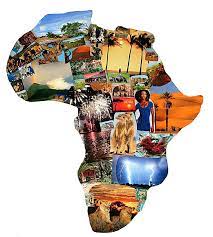
Changing the Game: Strategies for a New African Mindset
Welcome Back.
Updated at: 2023-08-11 15:56:15 (2 years ago by Melkisedeck Leon Shine)
Changing the Game: Strategies for a New African Mindset ππ
Greetings, fellow Africans! Today, I am here to share with you some strategies that can help us transform our mindset and build a positive outlook towards our continent. It is time for us to rise and unleash our true potential, for a brighter and united future awaits us. Let's dive in and explore the recommended strategies of changing the mentality of African people and building a positive mindset.
1οΈβ£ Embrace our rich heritage: We should celebrate our diverse cultures, languages, and traditions. Our unique backgrounds are a source of strength and inspiration, reminding us of the beauty within our continent.
2οΈβ£ Believe in ourselves: We must have faith in our abilities and talents. Let's remind ourselves that we are capable of achieving greatness and making a difference in the world.
3οΈβ£ Education is key: Knowledge is power, and education is the foundation for progress. Let's invest in our education systems to empower our youth and equip them with the skills needed for success.
4οΈβ£ Embrace innovation: We must embrace new technologies and ideas to drive economic growth and development. Let's foster an environment that encourages innovation and entrepreneurship.
5οΈβ£ Collaborate, not compete: African unity is crucial for our progress. Let's work together, across borders, to address common challenges and seize opportunities for mutual growth and prosperity.
6οΈβ£ Political engagement: Active participation in the political process is vital. Let's promote transparency, accountability, and good governance to create a conducive environment for progress.
7οΈβ£ Economic empowerment: We must prioritize economic liberalization and create opportunities for all our citizens. Let's promote inclusive growth and ensure that no one is left behind.
8οΈβ£ Women empowerment: Recognize the immense potential of our women and provide equal opportunities for them to thrive. Let's break down barriers and support gender equality in all aspects of life.
9οΈβ£ Learn from history: Our past leaders have left us with powerful lessons. Let's draw inspiration from icons like Nelson Mandela, Kwame Nkrumah, and Wangari Maathai, who fought for freedom, unity, and sustainability.
π Embrace diversity: Our strength lies in our diversity. Let's appreciate and respect each other's differences, recognizing that together, we are stronger.
1οΈβ£1οΈβ£ Emphasize entrepreneurship: Encourage the entrepreneurial spirit within our communities. Let's support small businesses and startups to drive economic growth and job creation.
1οΈβ£2οΈβ£ Harness the power of the youth: Our young generation is the driving force behind change. Let's empower them with education, mentorship, and opportunities to shape our future.
1οΈβ£3οΈβ£ Environmental consciousness: Let's prioritize sustainable development and protect our natural resources. By preserving our environment, we secure the well-being of future generations.
1οΈβ£4οΈβ£ Embrace Pan-Africanism: Let's work towards the vision of the United States of Africa (Muungano wa Mataifa ya Afrika), a united continent that fosters peace, prosperity, and solidarity among all African nations.
1οΈβ£5οΈβ£ Be bold, be proud: It is time for us to break free from the shackles of the past and embrace a new African mindset. Let's believe in ourselves, support each other, and strive for excellence in all that we do.
Now, my dear readers, I invite you to embark on this journey of transforming our mindset and building a positive future for Africa. Let's develop our skills and empower ourselves with the recommended strategies discussed above. Remember, you have the power to make a difference. Together, we can create a brighter, united, and prosperous Africa. Share this article with your friends and family, and let's inspire and motivate each other to achieve greatness. ππ
Updated at: 2025-04-12 03:04:13 (9 months ago by Melkisedeck Leon Shine)
```htmlAfrica boasts a rich tapestry of heritage and vibrant cultures, a legacy that has empowered generations. Yet, we also face significant hurdles that can impede progress and prevent us from realizing our full potential. A transformative shift in mindset β embracing positivity β is crucial to overcome these obstacles and propel us toward a brighter future. This article explores fifteen key strategies for cultivating resilience and nurturing a positive outlook across the African continent.
1. Embrace a Growth Mindset: Believe in your capacity for learning and growth. View challenges not as setbacks, but as opportunities for development. Education and knowledge are transformative forces, capable of uplifting both individuals and communities.
2. Define Your Vision: Create a clear vision for your personal and professional life, outlining specific, achievable goals. A strong sense of purpose provides the motivation to overcome obstacles and persevere.
3. Surround Yourself with Positivity: Cultivate a supportive network of like-minded individuals who inspire and uplift you. Share experiences, learn from one another's successes and failures; a strong support system is invaluable in fostering a positive outlook.
4. Practice Gratitude: Daily reflection on what you are grateful for shifts your focus from lack to abundance, fostering optimism and a positive perspective on life.
5. Build Resilience: Develop the ability to bounce back from adversity. Remember that setbacks are temporary, and that you possess the inner strength to overcome them. Learn from failures, viewing them as stepping stones to success.
6. Embrace Change as Opportunity: Change is inevitable; adapt and embrace it. View change not as a threat, but as a catalyst for growth and progress. This adaptability is essential for navigating the socio-economic and political landscapes of Africa.
7. Focus on Solutions: Instead of dwelling on problems, concentrate on finding solutions. Take ownership of your circumstances and actively work towards resolving challenges. You have the power to create positive change.
8. Cultivate Self-Confidence: Believe in your capabilities and your potential for achievement. Celebrate your successes, no matter how small, to bolster your self-belief and confidence.
9. Prioritize Continuous Learning: Education opens doors and broadens horizons. Never stop learning and acquiring new skills. Invest in personal and professional development to enhance your prospects for success.
10. Celebrate Diversity: Africa's richness lies in its diversity of cultures, languages, and traditions. Embrace this diversity; learn from one another. Understanding and appreciating our differences fosters unity and strengthens collective resilience.
11. Lead with Integrity: Be a role model; lead by example. Uphold strong moral values and ethical principles. Africa needs leaders committed to the well-being of its people, promoting transparency and accountability.
12. Foster Collaboration and Unity: The spirit of Ubuntu underscores the importance of togetherness and collaboration. Our collective strength lies in working together towards common goals. Let's cultivate unity and cooperation to overcome challenges.
13. Learn from the Past: Draw inspiration from past African leaders who shaped our continent's history. The words of visionaries like Nelson Mandela, Kwame Nkrumah, and Wangari Maathai remind us of the power of resilience, unity, and positive thinking.
14. Drive Economic and Political Progress: Africa possesses immense potential for economic development and political stability. Active participation in shaping our future is crucial. Let's strive for economic liberalization and political freedom that benefits all Africans.
15. Develop Essential Skills and Strategies: Take proactive steps to develop the skills needed to cultivate a positive mindset. Attend workshops, read relevant literature, and engage in personal development activities. Equip yourself with the tools for success and inspire others to do the same.
Conclusion: Cultivating resilience and fostering a positive mindset are essential for Africa's advancement. Believe in our collective abilities, and let's work towards building a united and prosperous continent. By embracing these strategies, we can overcome challenges, inspire one another, and pave the way for a brighter future for all Africans. Together, we can shape a more positive and prosperous tomorrow.
Ready to embark on this journey towards a positive mindset? Share this article and let's inspire and motivate each other. #PositiveMindset #AfricanUnity #Resilience #AfricanDevelopment #PanAfricanism
```
Updated at: 2025-05-21 11:33:06 (8 months ago by Melkisedeck Leon Shine)
```htmlThis article explores strategies for cultivating a positive and progressive mindset within African societies, focusing on the application of relevant psychological and sociological theories to foster sustainable development. Key concepts include growth mindset theory, which posits that intelligence and abilities are malleable through dedication and learning; the human capital theory, emphasizing the importance of education and skill development; and social capital theory, which highlights the role of networks and collaboration in societal progress. Furthermore, the article leverages the principles of sustainable development goals (SDGs) to contextualize the proposed strategies within a global framework of progress.
1. Cultivating a Growth Mindset and Human Capital Development: The foundational element of progress lies in embracing a growth mindset, as described by Carol Dweck's work. This involves shifting from a fixed mindset, which assumes inherent limitations, to one that acknowledges the potential for continuous improvement through learning and effort. This is inextricably linked to investing in human capital. Strategic investment in education, both formal and informal, is crucial for equipping individuals with the skills necessary to navigate the complexities of the 21st-century economy. This includes focusing on STEM education, entrepreneurship training, and vocational skills development, directly contributing to improved economic productivity and societal well-being. The impact of this strategy can be measured by increased literacy rates, improved employment opportunities, and higher levels of innovation.
2. Fostering Entrepreneurship and Inclusive Economic Growth: Promoting entrepreneurship is paramount to driving economic growth and reducing unemployment. This requires creating a supportive environment through policies that reduce bureaucratic hurdles, promote access to finance, and protect intellectual property. Furthermore, the principles of inclusive growth necessitate empowering marginalized groups, particularly women and youth, through targeted support programs and access to entrepreneurial training. This strategy's success can be evaluated by an increase in small and medium-sized enterprise (SME) growth, job creation, and improved income distribution.
3. Promoting Gender Equality and Social Justice: Achieving sustainable development requires addressing systemic inequalities. The empowerment of women and girls is not merely a matter of social justice but a crucial driver of economic growth and societal well-being. This involves enacting and enforcing legislation that protects womenβs rights, ensuring equal access to education and employment, and promoting their participation in leadership roles. Measuring the success of this strategy involves assessing indicators such as gender parity in education and employment, representation of women in political and economic decision-making roles, and a reduction in gender-based violence.
4. Strengthening Institutional Capacity and Good Governance: Effective governance is the bedrock of sustainable development. This necessitates establishing transparent and accountable institutions that uphold the rule of law, promote social justice, and combat corruption. Strengthening these institutions requires investment in capacity building, promoting participatory governance, and fostering citizen engagement. The efficacy of this strategy can be assessed through indicators such as reduced corruption levels, improved public service delivery, and increased citizen trust in government institutions.
5. Leveraging Technology and Bridging the Digital Divide: The digital revolution presents unparalleled opportunities for economic growth and social development. However, bridging the digital divide is crucial to ensure equitable access to information and technology. This involves investing in digital infrastructure, promoting digital literacy, and encouraging the development of locally relevant technological solutions. The success of this strategy can be measured by increased internet penetration rates, improved access to online services, and the growth of digital-based industries.
6. Promoting Regional Integration and Pan-African Collaboration: Harnessing the power of collaboration is essential for overcoming common challenges. Promoting regional integration and Pan-African collaboration strengthens the continent's collective bargaining power, fosters economic growth, and enhances its global standing. This involves strengthening existing regional organizations and fostering partnerships across borders. The impact of this strategy can be evaluated through increased trade volumes among African countries, joint infrastructure projects, and enhanced diplomatic relations.
7. Investing in Sustainable Infrastructure Development: Developing robust infrastructure is crucial for facilitating economic growth and improving the quality of life. This necessitates strategic investments in transportation networks, energy infrastructure, and communication technologies, prioritizing sustainable and environmentally friendly approaches. The success of this strategy can be evaluated through improvements in transportation efficiency, access to reliable energy, and improved communication networks.
8. Environmental Stewardship and Sustainable Development: Protecting the environment is integral to sustainable development. This requires implementing policies that promote sustainable resource management, combat climate change, and preserve biodiversity. The success of this strategy can be measured through indicators such as reduced carbon emissions, improved air and water quality, and enhanced biodiversity conservation.
9. Harnessing the Power of History and Cultural Heritage: Learning from past experiences, both successes and failures, is essential for shaping the future. This involves promoting historical consciousness, celebrating cultural heritage, and drawing inspiration from past leaders and movements. This can contribute to strengthening national identity and fostering a sense of unity and purpose.
10. Promoting Intercultural Dialogue and Understanding: Celebrating the continentβs rich cultural diversity is vital for fostering unity and avoiding conflicts. Promoting intercultural dialogue and understanding through education and cultural exchange programs can promote tolerance, mutual respect, and cooperation among different communities and nations.
11. Empowering Youth and Fostering Active Citizenship: Investing in youth is essential for long-term development. This involves creating opportunities for education, employment, and civic engagement, empowering young people to actively participate in shaping the future of their societies. This contributes to strengthening social cohesion and promotes dynamism.
12. Prioritizing Health and Well-being: Investing in healthcare infrastructure, promoting preventative healthcare, and ensuring access to clean water and sanitation are critical for improving the overall well-being of African populations. This fosters a healthier and more productive population.
13. Continuous Skill Development and Lifelong Learning: Continuous skill development and lifelong learning are vital for adapting to a rapidly changing world. This includes promoting vocational training, higher education opportunities, and opportunities for reskilling and upskilling to ensure individuals have the competencies to thrive in a modern economy.
Transforming African mentalities requires a multi-faceted approach that integrates economic, social, and environmental considerations. The strategies outlined above, anchored in established theories and models of development, provide a roadmap for achieving sustainable progress. Success hinges on strong leadership, effective governance, inclusive policies, and robust partnerships among governments, civil society, and the private sector. Impact assessment should employ a mixed-methods approach, integrating quantitative indicators (e.g., economic growth rates, literacy levels, gender parity) with qualitative data (e.g., perceptions, attitudes, behavioral changes) to gain a comprehensive understanding of the effectiveness of implemented strategies. Further research should focus on the specific contextual factors that influence the adoption and effectiveness of these strategies, ensuring their adaptability and relevance across diverse African settings. The collaborative effort of various stakeholders will ultimately determine the success of creating a positive, prosperous, and sustainable future for Africa.
Reader Pool: Considering the complexities of diverse African contexts, what adaptations or modifications to these strategies would you suggest to maximize their effectiveness and ensure equitable outcomes across different regions and communities?
```
Updated at: 2025-02-20 04:32:09 (11 months ago by Melkisedeck Leon Shine)
```htmlThe African spirit is unparalleled. Our rich history, vibrant cultures, and diverse landscapes forge resilience and uniqueness. However, to truly thrive, we must harness the power of a positive mindset. This article outlines fifteen key strategies for cultivating this transformative mentality, paving the way for individual and collective growth.
1. Embrace Self-Belief: Believe in your inherent abilities and potential. Confidence is the cornerstone of a positive mindset. Remember, you possess the power to achieve greatness. Nurture this belief, and watch your capabilities expand.
2. Celebrate African Heritage: Embrace and celebrate the richness of your African heritage. Our diverse cultures, traditions, and languages are the foundation of our identity. This pride fuels a sense of belonging and strengthens our collective spirit.
3. Foster a Growth Mindset: View challenges not as obstacles, but as opportunities for growth and learning. Embrace setbacks as valuable lessons, transforming failures into stepping stones toward success. This adaptable mindset is crucial for navigating life's complexities.
4. Seek Knowledge Continuously: Education is the key to unlocking our potential. Actively pursue knowledge through formal education, self-learning, and continuous skill development. Knowledge empowers informed decision-making and strengthens community contributions.
5. Promote African Unity: Recognize the immense power of unity. While diverse, our shared African identity is a source of strength. Promoting unity across nations fosters a powerful force for positive change, moving closer to the vision of a "United States of Africa" (Muungano wa Mataifa ya Afrika).
6. Support African Entrepreneurship: Invest in and support African entrepreneurs. Supporting local businesses and startups fuels economic growth, creates job opportunities, and empowers communities. This directly contributes to a more prosperous Africa.
7. Embrace Innovation and Technology: Harness the power of innovation and technology. These tools bridge the gap between Africa and the global community. Embrace the digital age to drive progress and development across the continent.
8. Challenge Limiting Stereotypes: Actively challenge and dismantle negative stereotypes. These misconceptions limit our potential. Showcase African capabilities and achievements to counter harmful narratives and foster a more accurate global understanding.
9. Prioritize Personal Development: Invest in your personal growth. Continuously improve yourself through skill acquisition, workshops, mentorship, and self-reflection. Personal development inspires others and contributes to a stronger community.
10. Embrace Diversity: Celebrate the rich tapestry of African diversity β nations, religions, and cultures. Learning from each other fosters unity, understanding, and mutual respect, enriching the entire continent.
11. Empower the Youth: Invest in the future of Africa β its youth. Provide access to education, mentorship, and opportunities. Empowering young people ensures a brighter future for the continent.
12. Be Agents of Change: Take ownership of our destinies. Each individual possesses the power to effect positive change. Proactively identify and address challenges within our communities and beyond.
13. Learn from History: Draw inspiration from past African leaders who fought for liberation and unity. Leaders like Kwame Nkrumah, Nelson Mandela, and Julius Nyerere serve as powerful examples of dedication and perseverance, guiding our path forward.
14. Practice Gratitude: Cultivate a mindset of gratitude. Appreciating life's blessings shifts perspectives towards positivity, attracting more abundance and fostering inner peace.
15. Believe in the Power of Unity: The dream of a "United States of Africa" (Muungano wa Mataifa ya Afrika) is achievable. Collective effort overcomes challenges and creates a prosperous and unified Africa.
Let us rise to the occasion and cultivate a positive African mindset. By embracing these strategies, we can transform our mentality, foster unity, and build a brighter future for generations to come. Develop these skills, become a catalyst for change, and share this message to inspire others. #RiseToShine #PositiveAfricanMindset #AfricanUnity #BelieveInYourself #AfricanPride #Empowerment #ChangeStartsWithUs
```
Updated at: 2025-02-20 06:03:56 (11 months ago by Melkisedeck Leon Shine)
Africa boasts a rich tapestry of cultures, a history brimming with resilience, and a future brimming with potential. It's time to harness this legacy and cultivate a positive mindset that propels us toward a brighter tomorrow. This article explores practical strategies for fostering a collective mindset focused on unity, economic and political progress, ultimately contributing to the realization of a united Africa β the "United States of Africa" (Muungano wa Mataifa ya Afrika).
Embracing Our Shared Identity: The diversity of African cultures, languages, and traditions is our strength. Celebrating this vibrant heritage builds a solid foundation for a positive collective identity, fostering a sense of belonging and shared purpose. Recognizing and appreciating this richness empowers us to move forward united.
Celebrating African Excellence: Highlighting the remarkable achievements of Africans across all fieldsβscience, technology, arts, sports, and beyondβinspires pride and demonstrates the vast potential within our continent. Sharing these success stories cultivates a belief in our collective ability to achieve greatness.
Learning from Our History: The struggles and triumphs of past African leaders like Nelson Mandela, Kwame Nkrumah, and Jomo Kenyatta serve as powerful reminders of our capacity for resilience and transformation. Their legacies inspire us to overcome challenges and build a better future, drawing strength from their unwavering commitment to freedom and progress.
Promoting Pan-African Collaboration: A united Africa is a strong Africa. Strengthening collaboration across nations in areas like trade, education, and infrastructure development is crucial. Working together, we can tackle shared challenges more effectively and unlock the continent's vast economic and social potential. This collaborative spirit is essential for achieving a truly unified Africa.
Embracing Economic Empowerment: A positive mindset towards entrepreneurship and innovation is vital for driving economic growth. Supporting and nurturing businesses, fostering investment, and creating opportunities for all Africans will lead to sustainable economic development and prosperity for future generations. This economic empowerment is fundamental to a self-reliant and thriving Africa.
Advocating for Good Governance: Transparent and accountable governance is essential for a thriving society. Active participation in shaping our political landscape and demanding responsible leadership are crucial steps towards building a more just and equitable future for all Africans. This active engagement is key to creating a positive political environment conducive to growth.
Global Learning and Adaptation: We can learn valuable lessons from other nations that have successfully navigated similar challenges. Adapting successful strategies and best practices to the African context accelerates our progress and fosters innovation. This learning process enables us to benefit from global experience while maintaining our unique identity.
Cultivating Self-Belief: Belief in our own capabilities is paramount. Overcoming self-doubt and embracing a mindset of possibility unlocks our potential for individual and collective success. This inherent self-belief empowers us to achieve our goals and contribute to our communities.
Building Supportive Networks: Surrounding ourselves with a supportive community amplifies our efforts and fosters collective growth. Connecting with like-minded individuals who share our aspirations creates a powerful network for mutual support and encouragement. This collaborative spirit is essential for achieving common goals.
Developing Resilience: Setbacks are inevitable, but they do not define us. Developing resilienceβthe ability to bounce back from adversityβis crucial. Viewing challenges as opportunities for growth fosters a strong and adaptable mindset. This ability to adapt and overcome challenges is a key component of a positive and successful future.
Investing in Education: Education empowers individuals and communities. Prioritizing education and equipping ourselves with the necessary knowledge and skills is crucial for driving positive change and creating a skilled workforce. This commitment to education is a fundamental investment in the future.
Leading with Integrity: Each of us has a role to play in inspiring positive change. Leading by example, with integrity and compassion, influences those around us to adopt a positive mindset. This personal commitment to ethical behavior inspires others to follow suit.
Sharing Knowledge and Experiences: Open dialogue and the exchange of knowledge are crucial for fostering understanding and progress. Sharing our experiences empowers others to transform their own mindsets and contribute to collective growth. This open sharing of information helps to create a collaborative and supportive environment.
Championing African Arts and Culture: African arts and culture are powerful tools for storytelling, expression, and empowerment. Supporting our artists and creatives preserves our heritage and inspires future generations. This appreciation of our cultural richness strengthens our sense of identity and fosters pride.
Continuous Learning and Growth: Nurturing a positive mindset is a lifelong journey. Continuous learning, challenging our beliefs, and embracing new ideas are essential for personal and collective growth. This commitment to lifelong learning is essential for adapting to change and achieving lasting progress.
Conclusion: The path to a united and prosperous Africa requires a collective commitment to cultivating a positive mindset. By embracing our identity, celebrating our achievements, and fostering unity and progress, we pave the way for the realization of the "United States of Africa." This vision is achievable, and we possess the collective strength and determination to make it a reality. Let us work together to build a brighter future for generations to come!
Share your thoughts and experiences in the comments below. Let's inspire each other to greatness! #AfricanMindset #RiseToResilience #UnitedAfrica
Updated at: 2023-08-11 17:58:03 (2 years ago by Melkisedeck Leon Shine)
Mindset Renaissance: Reviving Positivity Across Africa π
In a world that is constantly evolving, it is crucial for Africa to embrace a mindset renaissance, a revival of positivity that will propel us forward as a continent. Our mentality shapes our actions, and by building a positive mindset, we can overcome obstacles and achieve greatness. Here, we will explore strategies to change the mentality of African people and foster a positive outlook that will lead us towards a brighter future. π
1οΈβ£ Embrace Self-belief: As Africans, we must recognize our capabilities and believe in our potential. It is essential to understand that we are capable of achieving greatness and that our dreams are within reach. Let us shatter the limits imposed on us by society and embrace a mindset of boundless possibilities. πͺ
2οΈβ£ Education for All: Education plays a vital role in shaping our mindset. By investing in quality education for all Africans, we can empower the next generation and equip them with the knowledge and skills needed to succeed. Let us prioritize education and ensure that every African child has access to quality learning opportunities. π
3οΈβ£ Embrace Failure as a Stepping Stone: Failure is not a reflection of our worth, but rather an opportunity to learn and grow. By changing our perception of failure and seeing it as a stepping stone towards success, we can overcome setbacks and approach challenges with resilience and determination. Let us embrace failure and use it as a catalyst for growth. π±
4οΈβ£ Emphasize Collaboration: African unity is key to our success. By working together, we can achieve far more than we could ever achieve alone. Let us break down barriers and foster collaboration across borders, celebrating our diversity and harnessing our collective strengths. Together, we can create a united and prosperous Africa. π€
5οΈβ£ Embrace Innovation: Africa is a continent abundant in creativity and innovation. Let us embrace our entrepreneurial spirit and leverage technology to drive economic growth and development. By embracing innovation, we can create opportunities and transform our continent into a hub of innovation and progress. π‘
6οΈβ£ Celebrate African Heritage: Our rich African heritage is a source of strength and inspiration. By celebrating our culture, traditions, and history, we can foster a sense of pride and identity, strengthening our collective mindset. Let us embrace and promote African heritage in all its forms. π
7οΈβ£ Effective Leadership: Strong leadership is crucial in changing the mindset of a nation. By promoting leaders who are committed to the well-being of their people, we can inspire positive change and create an environment that fosters growth and development. Let us encourage and support effective leadership across Africa. π£οΈ
8οΈβ£ Mentorship and Role Models: Mentorship is essential in guiding and inspiring the next generation. By providing mentorship programs and showcasing successful African role models, we can inspire the youth and motivate them to strive for greatness. Let us invest in mentorship and provide guidance to future leaders. π©βπ«
9οΈβ£ Youth Empowerment: The youth are the future of our continent. By empowering them with skills, opportunities, and platforms to express themselves, we can build a generation that is confident, motivated, and ready to lead. Let us invest in youth empowerment and create a space for their voices to be heard. π
π Positive Media Representation: Media plays a significant role in shaping our mindset. By promoting positive stories and narratives about Africa, we can challenge stereotypes and inspire a sense of pride and positivity. Let us highlight the achievements and success stories of Africans and reshape the narrative around our continent. πΊ
1οΈβ£1οΈβ£ Mental Health Awareness: Mental health is an essential aspect of our overall well-being. By promoting mental health awareness and providing access to support and resources, we can ensure that Africans are mentally strong and resilient. Let us break the stigma surrounding mental health and prioritize our well-being. πββοΈ
1οΈβ£2οΈβ£ Embrace Sustainable Development: Africa is blessed with natural resources, and we must use them wisely. By embracing sustainable development practices, we can protect our environment, create green economies, and ensure a prosperous future for generations to come. Let us prioritize sustainable development in all aspects of our lives. πΏ
1οΈβ£3οΈβ£ Emphasize Gender Equality: Gender equality is a fundamental human right. By empowering women and ensuring their equal participation in all aspects of society, we can create a more inclusive and progressive Africa. Let us break down gender barriers and promote equality for all. π©βπ©βπ§βπ¦
1οΈβ£4οΈβ£ Embrace Technology: Technology has the power to transform Africa. By embracing digital advancements and promoting access to technology for all Africans, we can bridge the digital divide and create opportunities for growth and development. Let us leverage technology to propel us forward. π±
1οΈβ£5οΈβ£ Embrace Unity: Finally, let us embrace the vision of a united Africa, a continent where borders blur, and we stand as one. The United States of Africa (Muungano wa Mataifa ya Afrika) is not just a dream but an achievable reality. Let us continue to work towards unity, so that together, we can overcome challenges and build a prosperous future for all Africans. πβ¨
As we conclude, we invite you, our fellow Africans, to develop the skills and mindset recommended above. By embracing these strategies and fostering a positive mindset, we can shape our future and create the Africa we envision. Let us work together, support one another, and inspire each other to greatness. Share this article with your friends and family, and let us ignite a mindset renaissance across our beautiful continent. ππͺ
Updated at: 2025-03-01 17:17:33 (10 months ago by Melkisedeck Leon Shine)
Africa, a continent brimming with rich culture, abundant resources, and immense potential, has faced persistent challenges. A transformative mindset revolution is crucial β a shift in thinking that empowers individuals and fosters a positive outlook, paving the path towards a brighter future. This collective journey requires collaborative effort, strategic implementation, and a unified vision for a prosperous continent.
Education: The Foundation for Progress
Investing in quality education is paramount. Providing equal opportunities and fostering robust educational systems are essential for unlocking Africa's potential. Education empowers individuals, fostering critical thinking, innovation, and economic participation.
Entrepreneurship: Fueling Economic Growth
Cultivating a vibrant entrepreneurial culture among Africa's youth is vital. Creating supportive business environments, access to capital, and mentorship programs will drive economic growth, job creation, and sustainable development. This entrepreneurial spirit will be the engine of progress.
Innovation and Technology: Leapfrogging Development
Embracing technological advancements is crucial for rapid progress. Investing in research and development, promoting digital literacy, and leveraging the opportunities presented by the Fourth Industrial Revolution will allow Africa to leapfrog traditional development pathways.
Good Governance: The Cornerstone of Sustainability
Good governance is indispensable for sustainable development. Transparency, accountability, and the rule of law are fundamental. These principles attract investment, encourage economic liberalization, and foster stability, creating a conducive environment for growth.
Pan-Africanism: Unity in Diversity
The vision of a unified Africa, transcending borders and working towards common goals, remains a powerful aspiration. Promoting political and economic integration through collaborative initiatives strengthens the continent's collective voice and bargaining power on the global stage.
Celebrating African Identity: Embracing Our Heritage
Africa's diverse cultures, languages, and histories are a source of immense strength. Celebrating this rich heritage fosters a strong sense of belonging, promotes unity amongst nations, and preserves valuable traditions for future generations.
Empowering Youth: Investing in the Future
Investing in Africa's youth is an investment in the future. Equipping young people with skills, mentorship opportunities, and access to resources unlocks their potential and ensures a brighter future for the continent. This includes access to education, vocational training and entrepreneurship support.
Infrastructure Development: Connecting the Continent
Strategic infrastructure development is crucial for economic growth. Investing in modern transportation networks (roads, railways, ports), reliable energy systems, and communication infrastructure facilitates trade, investment, and connects communities across the continent.
Gender Equality: Unleashing Untapped Potential
Empowering women and promoting gender equality is essential. Unlocking the potential of women across all sectors contributes significantly to inclusive and sustainable development. This requires addressing systemic inequalities and creating opportunities for women to thrive.
Civic Engagement: Strengthening Democracy
Active citizen participation is vital for a thriving democracy. Encouraging involvement in decision-making processes, holding leaders accountable, and promoting transparency builds strong, resilient societies. This includes promoting free and fair elections, ensuring access to information and freedom of expression.
Sustainable Development: Protecting Our Resources
Africa's abundant natural resources must be managed responsibly. Sustainable practices ensure long-term prosperity while preserving the environment for future generations. This requires careful planning, investment in renewable energy and responsible resource extraction.
Learning from Success: Drawing Inspiration from Progress
Learning from other nations' success stories, such as Rwanda's remarkable transformation, provides valuable insights and inspires innovative approaches tailored to Africa's specific context. Adapting best practices and leveraging successful models can accelerate progress.
Self-Belief: The Power of Positive Thinking
Africans possess the capability for greatness. Overcoming self-doubt and fostering a belief in one's potential is crucial for achieving ambitious goals. Determination, hard work, and a positive mindset are essential components of this transformation.
Embracing Diversity: Unity in Our Differences
Africa's diversity is a strength. Recognizing and celebrating the continent's rich tapestry of languages, cultures, and traditions fosters understanding, tolerance, and unity amongst its people. This fosters a vibrant, inclusive and dynamic society.
Skill Development: Equipping Ourselves for Change
Developing the necessary skills to drive change is crucial. Individuals should continuously enhance their knowledge and understanding of strategies for positive mindset development and community transformation. This empowered citizenry will be instrumental in driving progress.
Conclusion: A Collective Call to Action
The time for a mindset revolution in Africa is now. By embracing collaborative efforts, implementing strategic initiatives, and fostering a shared vision, Africa can build a united, prosperous, and globally influential continent. Let us work together towards a brighter future. #AfricanMindsetRevolution #UnitedAfrica #AfricanUnity #Prosperity
Updated at: 2025-05-12 09:22:52 (8 months ago by Melkisedeck Leon Shine)
This article explores the multifaceted strategies for fostering a positive collective mindset within the African context. Key concepts such as collective efficacy (the shared belief in a community's capacity to organize and execute actions effectively), social capital (the networks of relationships among people who live and work in a particular society, enabling that society to function effectively), and sustainable development (development that meets the needs of the present without compromising the ability of future generations to meet their own needs) will be central to our analysis. We will examine how these concepts can be applied to create a more unified and prosperous Africa, drawing upon relevant theories and real-world examples.
1. Leveraging Historical Narratives for Collective Identity Formation: Africa's rich and diverse history, while fraught with challenges, is replete with instances of resilience, innovation, and remarkable achievements. Drawing upon the principles of social identity theory, which posits that individuals derive part of their self-concept from their group memberships, we must actively promote a shared historical narrative that emphasizes these triumphs. This involves critically examining existing historical accounts, reclaiming marginalized voices, and celebrating the contributions of diverse African cultures and civilizations. This fosters a collective sense of pride and belonging, essential for building a unified identity. The narrative should not ignore past injustices, but should frame them within a broader context of overcoming adversity, inspiring hope and fostering collective action. This approach directly counters potential narratives of division and negativity often perpetuated by external forces.
2. Promoting Inclusive Governance and Equitable Development: The concept of social capital underscores the critical importance of strong, inclusive institutions and equitable distribution of resources. Addressing systemic inequalities, promoting good governance, and establishing transparent and accountable systems are paramount. This entails strengthening democratic institutions, promoting the rule of law, and ensuring that economic growth translates into tangible benefits for all citizens. The application of developmental state models, which emphasize strategic government intervention in the economy, can be strategically deployed to foster inclusive growth and reduce inequality, building trust and cooperation among citizens. This promotes a sense of collective efficacy β the belief that collective action can bring about positive change.
3. Investing in Human Capital Through Education and Skills Development: Human capital theory posits that investment in education and skills development is crucial for economic growth and societal progress. Providing quality education and training opportunities, particularly for youth, equips individuals with the knowledge and skills required for participation in the modern economy. This includes promoting STEM education, vocational training, and entrepreneurial skills, enabling citizens to actively contribute to the continent's economic transformation and fostering a culture of innovation. This empowers individuals, strengthening their agency and promoting a positive self-image crucial for collective progress.
4. Fostering Entrepreneurial Ecosystems and Economic Diversification: The development of vibrant entrepreneurial ecosystems is crucial for driving economic growth and job creation. This requires supportive policies, access to finance, infrastructure development, and a regulatory environment that encourages innovation and competition. Applying principles of Schumpeterian economics, which emphasize the role of entrepreneurship in driving economic innovation and creative destruction, we can encourage risk-taking, innovation, and the establishment of dynamic industries across diverse sectors. This leads to more resilient and less extractive economies, fostering economic independence and a greater sense of national pride.
5. Harnessing Technological Advancements for Sustainable Development: The integration of technology across sectors is not merely a matter of modernization, but also a critical component of sustainable development. Applying the principles of the diffusion of innovations theory, the strategic deployment of technology to address challenges in areas such as healthcare, agriculture, education, and infrastructure can dramatically improve the lives of citizens and drive economic growth. This requires investment in digital infrastructure, capacity building, and the development of relevant technologies tailored to local contexts. This proactive engagement with technological advancements prevents technological dependence and promotes sustainable self-reliance.
6. Promoting Gender Equality and Women's Empowerment: The empowerment of women is not just a matter of social justice, but also a crucial driver of economic growth and societal development. Empirical evidence supports the correlation between gender equality and economic prosperity. By ensuring equal opportunities for women in education, employment, and political participation, societies unlock significant potential for growth and social progress. This requires addressing deeply ingrained cultural biases and implementing policies that promote gender equity at all levels of society. This actively combats social and economic marginalization, thereby bolstering overall community well-being and contributing to a more positive and shared social identity.
7. Strengthening Regional and Pan-African Collaboration: The pursuit of a "United States of Africa" necessitates strengthening regional and continental cooperation. This requires building strong institutions, promoting free movement of people and goods, and harmonizing policies across borders. Applying principles of regional integration theory and building on existing frameworks such as the African Union, we can foster greater economic and political cohesion. This approach leverages the comparative advantages of different countries and regions, leading to increased economic efficiency and reducing dependence on external actors. Collective action on shared challenges enhances regional and continental stability, reinforcing a sense of unity and shared purpose.
Conclusions and Recommendations: The cultivation of a positive African mindset requires a holistic approach encompassing historical reconciliation, inclusive governance, human capital development, economic diversification, technological advancement, gender equality, and regional cooperation. Each of these elements is interconnected and mutually reinforcing. By integrating these strategies, Africa can unlock its immense potential and build a prosperous and unified future. Further research should focus on evaluating the effectiveness of specific policies and programs aimed at fostering positive social change. Longitudinal studies tracking changes in collective efficacy, social capital, and other relevant indicators would provide valuable insights. The application of rigorous quantitative and qualitative methods, including surveys, interviews, and case studies, is crucial for generating robust evidence that can inform policy decisions. Cross-country comparative analyses can also illuminate successful strategies and best practices for fostering positive social transformation within diverse African contexts.
Reader Pool: Considering the multifaceted nature of fostering a positive collective mindset in Africa, what specific policy interventions do you believe would be most effective in promoting social cohesion and sustainable development across diverse African contexts?
Updated at: 2025-08-22 10:24:59 (4 months ago by Melkisedeck Leon Shine)
```htmlEsteemed Africans, let us embark on a transformative journey focused on reshaping our collective mentality and nurturing a positive African mindset. This article delves into strategic approaches designed to empower individuals and communities, fostering a brighter future for Africa. The core concept here is **psychological capital**, which encompasses self-efficacy, optimism, hope, and resilience. By bolstering these elements, we can unlock potential and drive sustainable progress across the continent.
Championing Self-Efficacy and Intrinsic Motivation: Self-efficacy, as defined in social cognitive theory, is the belief in one's ability to succeed in specific situations or accomplish a task. Embrace self-love and cultivate unwavering confidence in your capabilities. Acknowledge your inherent potential to achieve remarkable feats. Reflect on the wisdom of Nelson Mandela, who asserted the power to control one's destiny. Apply this by setting achievable goals, celebrating small wins, and visualizing success. You can also foster the growth mindet by learning from your mistakes.
Fostering a Growth-Oriented Mindset: A growth mindset, a concept popularized by Carol Dweck, emphasizes that abilities and intelligence can be developed through dedication and hard work. Embrace challenges as catalysts for personal evolution and view setbacks as invaluable learning experiences. Cultivate resilience by reframing failures as opportunities for growth and continuous improvement. This aligns with the principles of Problem-Solving and Reflection, turning mistakes into stepping stones.
Prioritizing Knowledge Acquisition and Skill Development: Education serves as a cornerstone for unlocking individual and collective potential. Invest in continuous learning and acquire skills that align with the demands of a rapidly evolving global landscape. This aligns with human capital theory, which posits that education and training enhance productivity and economic growth. For instance, participating in online courses, workshops, and mentorship programs can significantly enhance one's skill set and adaptability.
Nurturing Entrepreneurial Ventures: Promote a vibrant culture of entrepreneurship within communities. Support the establishment and growth of small businesses that stimulate economic expansion and generate employment opportunities. This aligns with the principles of supply-side economics, which emphasizes the importance of fostering a favorable environment for businesses to thrive. Consider providing seed funding, mentorship, and business training to aspiring entrepreneurs, particularly in underserved communities. This also support Empowering African Entrepreneurs through various strategies.
Catalyzing Innovation and Creative Thinking: Embrace novel concepts and foster a culture of innovation. Encourage individuals to think critically, challenge conventional norms, and develop innovative solutions to address pressing challenges. This aligns with the principles of disruptive innovation, which emphasizes the importance of creating new markets and value networks. Organize hackathons, innovation challenges, and design thinking workshops to stimulate creativity and problem-solving skills.
Strengthening Pan-African Solidarity: Recognize the power of unity in diversity and actively promote collaboration and cooperation across national borders. Dismantle barriers that hinder progress and cultivate bridges of understanding and mutual support. As explored in Uniting Africa, a unified approach amplifies our collective strength. This can be achieved through joint initiatives, cultural exchange programs, and collaborative research projects.
Celebrating African Heritage and Cultural Identity: Honor the richness of our heritage and draw inspiration from the wisdom of our ancestors. Let our history serve as a source of pride and resilience. Cultural preservation is vital, as highlighted in discussions about African Music and Community-Led Preservation. Incorporate cultural education into school curricula, support traditional arts and crafts, and promote cultural tourism.
Advocating for Gender Equality and Empowerment: Recognize the immense potential of women and ensure they have equal opportunities to thrive. When women succeed, the entire continent prospers. This aligns with the principles of gender equality and women's empowerment, which are essential for sustainable development. Implement policies that promote equal access to education, healthcare, and economic opportunities for women and girls.
Promoting Active Civic Engagement: Encourage active participation in community affairs and the political process. Ensure that voices are heard and contribute to the development of nations. This aligns with the principles of participatory democracy and good governance. Encourage citizens to vote, participate in public forums, and engage with elected officials.
Championing Sustainable Development Practices: Protect the environment and conserve natural resources for future generations. Embrace sustainable practices that ensure long-term ecological balance. This aligns with the principles of sustainable development, which emphasizes the importance of balancing economic growth with environmental protection and social equity. Implement policies that promote renewable energy, sustainable agriculture, and responsible waste management.
Demanding Good Governance and Ethical Leadership: Uphold transparency, accountability, and the rule of law. Demand the highest standards of ethical conduct from leaders and work towards eradicating corruption. This aligns with the principles of good governance, which are essential for creating a stable and prosperous society. Implement anti-corruption measures, strengthen judicial systems, and promote freedom of the press. Consider exploring the role of Transparency in Leadership for building trust.
Embracing Pan-African Ideals: Strive for a united Africa, where the interests of all nations are represented and protected. Work towards establishing a continent where we stand together as one. This aligns with the vision of Pan-Africanism, which seeks to promote unity, solidarity, and cooperation among African nations. Support the African Union and other regional organizations that promote integration and cooperation.
Learning from Global Best Practices: Study successful strategies implemented in other parts of the world and adapt them to the unique context of Africa. Remain open to new ideas and learn from the experiences of others. This aligns with the principles of knowledge transfer and best practice sharing. Conduct research on successful development models in other regions and adapt them to the African context.
Supporting Economic and Political Liberalization: Advocate for policies that promote free markets, entrepreneurship, and democracy. Create an enabling environment for economic growth and political stability. This aligns with the principles of economic liberalism and democratic governance. Implement policies that reduce trade barriers, promote competition, and protect property rights.
Cultivating Belief in Limitless Potential: Africa possesses the capacity to achieve greatness. Rise above challenges and build a future that is prosperous, united, and filled with opportunities for all. By fostering a collective sense of optimism and determination, we can overcome obstacles and create a brighter future for the continent. This ties into boosting Self-Esteem for Financial Success and overall well-being.
Fellow Africans, the onus is on us to translate these strategies into tangible actions. Let us cultivate the skills necessary to transform our mindset and foster a positive outlook. Together, we can build a united and prosperous Africa, inspiring the world with our resilience and determination.
In conclusion, fostering a positive African mindset requires a multifaceted approach encompassing individual empowerment, community development, and systemic reforms. By embracing self-efficacy, promoting education, nurturing entrepreneurship, and upholding good governance, we can unlock Africa's vast potential. To further accelerate progress, we recommend:
The applicability of these strategies extends to various sectors, including education, healthcare, agriculture, and governance. Further research should focus on identifying context-specific interventions that can effectively promote a positive African mindset and drive sustainable development. The impact of these efforts will be a more resilient, prosperous, and united Africa, capable of shaping its own destiny and contributing to global progress.
In what ways can educational institutions in Africa adapt their curricula to better instill a sense of self-efficacy and Pan-African pride in students, preparing them to become future leaders and innovators?
```
Updated at: 2025-06-01 10:35:18 (7 months ago by Melkisedeck Leon Shine)
This article addresses the critical need to cultivate positive mindsets among African youth, a demographic possessing immense potential often hampered by systemic and psychological obstacles. We analyze this challenge through the lens of social psychology, developmental psychology, and economic development theories, proposing a comprehensive strategy encompassing education reform, entrepreneurial development, technological integration, and socio-cultural cohesion. The success of such an endeavor hinges on understanding and applying key theoretical frameworks.
Key Concepts: We begin by defining crucial theoretical underpinnings. Growth Mindset Theory (Dweck) posits that individuals' beliefs about their abilities significantly impact their responses to challenges. A growth mindset, emphasizing the malleability of intelligence and skills, fosters perseverance. Social Cognitive Theory (Bandura) highlights observational learning, self-efficacy (belief in one's capabilities), and reciprocal determinism (the interplay between personal factors, behavior, and environment) as crucial determinants of behavior. Self-Determination Theory (Deci & Ryan) underscores autonomy, competence, and relatedness as essential for intrinsic motivation and well-being. Finally, Human Capital Theory emphasizes the importance of investment in education and skills development for economic growth and individual empowerment, while Dependency Theory examines how historical power imbalances can hinder development, necessitating equitable approaches.
Strategies for Fostering a Positive Mindset:
1. Investing in Human Capital through Education: Human capital theory posits that education is the cornerstone of economic growth and individual empowerment. Providing access to quality education and vocational training equips youth with skills for navigating the global marketplace and contributing meaningfully to their societies, facilitating social mobility and equitable advancement opportunities.
2. Cultivating a Growth Mindset through Educational Reform: Integrating growth mindset principles into curricula and parenting fosters resilience and a belief in effort's power. This directly counters learned helplessness, promoting perseverance and aligning with Bandura's social cognitive theory through positive role modeling and the reinforcement of self-efficacy.
3. Promoting Inclusivity and Challenging Stereotypes: Addressing pervasive stereotypes and biases is crucial for equitable societal development. Actively challenging discriminatory narratives fosters inclusive environments, empowering marginalized groups to pursue their aspirations, consistent with social justice principles.
4. Empowering Entrepreneurship and Innovation: Entrepreneurship offers self-reliance and economic advancement. Providing resources, mentorship, and supportive ecosystems fosters an entrepreneurial mindset, driving job creation and mitigating the effects of dependency theory by reducing reliance on external factors.
5. Leveraging Technology for Empowerment: Digital literacy and technological access are essential in today's globalized world. Equipping youth with these skills expands educational, employment, and social engagement opportunities, bridging the digital divide and promoting innovation.
6. Building Pan-African Unity and Collaboration: Fostering Pan-African identity and inter-national collaboration enhances shared progress, addressing fragmentation. This fosters belonging and collective efficacy, central to self-determination theory's emphasis on relatedness.
7. Showcasing African Success Stories: Highlighting positive achievements inspires pride and possibility, countering negative narratives and fostering positive self-perception, consistent with social identity theory's principles of in-group identification and positive self-esteem.
8. Developing Critical Thinking and Problem-Solving Skills: Critical thinking equips youth to analyze information, evaluate perspectives, and develop innovative solutions. This fosters active learning and adaptability, essential for success in dynamic environments.
9. Building Resilience and Adaptability: Equipping youth with resilience-building strategies helps them navigate adversity. This aligns with Banduraβs emphasis on self-efficacy and developing coping mechanisms.
10. Fostering Collaboration and Teamwork: Cooperative learning and teamwork cultivate collaboration skills and enhance problem-solving, essential for navigating complex challenges.
11. Embracing Diversity and Multiculturalism: Celebrating Africa's cultural richness fosters tolerance and cross-cultural competence, strengthening social cohesion and addressing prejudice.
12. Utilizing Mentorship and Role Modeling: Mentorship connects youth with positive role models providing guidance, leveraging observational learning (Bandura) and positively influencing aspirations and self-belief.
13. Cultivating Self-Belief and Self-Efficacy: Fostering self-belief and self-efficacy empowers youth to pursue their goals, addressing self-doubt and promoting proactive engagement (Bandura).
14. Promoting Action and Ownership through Active Participation: Active participation in community development reinforces social action and self-determination, moving beyond theory into practice.
15. Implementing Program Evaluation and Iterative Refinement: Regularly assessing the impact of interventions ensures relevance, effectiveness, and adaptability to evolving youth needs, promoting continuous improvement.
A holistic approach integrating education, economic empowerment, technological progress, and socio-cultural unity is crucial for cultivating positive mindsets among African youth. Applying psychological and sociological theories, coupled with continuous evaluation, creates supportive environments fostering resilience, self-efficacy, and a belief in a brighter future. Further research should employ longitudinal studies to assess long-term intervention impacts and the effectiveness of integrating these strategies into existing systems. The findings strongly support the adoption of growth mindset pedagogies, culturally relevant teaching, and robust mentorship programs to empower youth and build a more equitable society. The positive impacts include enhanced economic opportunities, reduced inequality, and increased social cohesion. These strategies' applicability extends globally, informing positive youth development initiatives worldwide. A multi-method approach, integrating both qualitative and quantitative data collection techniques, would provide a more comprehensive understanding of the effectiveness of the proposed strategies.
Reader Pool: What innovative approaches, informed by relevant theoretical frameworks, could further enhance the effectiveness of cultivating positive mindsets in African youth, considering the unique challenges and opportunities within diverse African contexts?