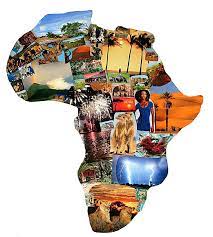
From Generation to Generation: Ensuring the Continuity of African Culture
Welcome Back.
Updated at: 2023-08-11 20:57:09 (2 years ago by Melkisedeck Leon Shine)
From Generation to Generation: Ensuring the Continuity of African Culture
As proud Africans, it is our responsibility to preserve and protect our rich and diverse culture for future generations. Our heritage is what defines us, connects us to our ancestors, and shapes our identity as a people. It is crucial that we develop effective strategies to ensure the continuity of African culture, so that it may thrive and flourish for years to come. In this article, we will explore 15 detailed points on how we can preserve African culture and heritage, and inspire the formation of "The United States of Africa" (Muungano wa Mataifa ya Afrika).
Education: Incorporate African history, traditions, and languages into the curriculum of schools across the continent. By teaching our youth about their heritage, we instill a sense of pride and belonging.
Cultural Festivals: Organize and participate in cultural festivals that celebrate the diversity of African cultures. These events provide a platform for showcasing traditional music, dance, art, and cuisine.
Oral Tradition: Preserve oral traditions by encouraging storytelling, folktales, and proverbs. This allows for the transmission of knowledge and values from one generation to the next.
Museums and Galleries: Establish and support museums and galleries that showcase African art, artifacts, and historical artifacts. These spaces serve as important repositories of our heritage.
Cultural Exchanges: Encourage cultural exchanges between different African nations. This allows for the sharing of customs, traditions, and experiences, fostering a sense of unity and understanding.
Language Revitalization: Promote the use of African languages in everyday life. Language is a crucial aspect of culture, and by preserving and revitalizing our languages, we ensure the preservation of our cultural identity.
Traditional Healing Practices: Recognize and support traditional healing practices that have been passed down through generations. These practices are an integral part of our cultural heritage and should be respected and preserved.
Intergenerational Dialogue: Encourage dialogue between different generations to bridge the gap and ensure the transmission of cultural knowledge. Elders can share their wisdom, while the younger generation can bring in new perspectives.
Cultural Entrepreneurship: Support and promote African artists, artisans, and entrepreneurs who contribute to the preservation and promotion of African culture and heritage. By investing in these industries, we create economic opportunities for our people.
Digital Preservation: Utilize technology to document and preserve cultural practices, languages, and traditions. Digital platforms can serve as valuable resources for future generations to learn about and engage with African culture.
Community Involvement: Engage the local communities in the preservation of their cultural heritage. By involving the people directly, we empower them to take ownership of their traditions and actively participate in their preservation.
Historical Sites: Protect and maintain historical sites that hold significance to our African heritage. These sites serve as reminders of our past and must be conserved for future generations to understand and appreciate.
Interdisciplinary Research: Foster interdisciplinary research that explores the connections between history, culture, and contemporary African society. This research can provide valuable insights into our cultural identity and inform preservation strategies.
Leadership and Governance: Advocate for African leaders to prioritize the preservation of culture and heritage. By integrating cultural preservation into national policies and strategies, we ensure its long-term sustainability.
Pan-African Unity: Embrace the concept of "The United States of Africa" (Muungano wa Mataifa ya Afrika). By working together as a united continent, we can pool our resources, knowledge, and efforts to preserve and promote our shared African culture and heritage.
In conclusion, the preservation of African culture and heritage is a collective responsibility that requires dedication, creativity, and unity. By implementing the recommended strategies, we can ensure that our traditions, languages, and customs are passed down from generation to generation. Let us be inspired by the words of great African leaders and take pride in our heritage.
"Culture is the fabric that holds a people together, and it is our duty to weave it with love, respect, and passion." - Nelson Mandela
Join us in this noble endeavor, share this article, and let us together preserve and celebrate our African culture! #PreserveOurHeritage #AfricanUnity #UnitedStatesofAfrica #MuunganowaMataifayaAfrika
Updated at: 2025-05-12 13:54:41 (6 months ago by Melkisedeck Leon Shine)
This article examines the critical need for the preservation of African culture and heritage, exploring strategies for its continuity across generations. We will define key concepts, such as cultural heritage (the tangible and intangible aspects of a society's past and present, including artifacts, traditions, and values), cultural transmission (the process by which cultural knowledge and practices are passed from one generation to the next), and pan-Africanism (the ideology promoting the solidarity and unity of African people). The application of relevant theories, including diffusion of innovation theory and social capital theory, will frame the discussion. The ultimate aim is to foster a deeper understanding of the interconnectedness of cultural preservation and the aspiration for a unified Africa.
1. Curriculum Integration and Cultural Transmission: Educational institutions are pivotal in fostering cultural transmission. Integrating African history, languages, and traditions into the curriculum cultivates cultural pride and identity among youth. This aligns with the concept of cultural capital, where knowledge of one's heritage becomes a valuable resource for social mobility and empowerment. The successful implementation of this strategy requires teacher training programs emphasizing culturally responsive pedagogy. Furthermore, utilizing culturally relevant teaching materials is essential to ensure effective knowledge transfer and engagement.
2. Cultural Festivals and the Diffusion of Innovation: Cultural festivals serve as dynamic platforms for showcasing and celebrating the continent's diverse cultural heritage. These events act as catalysts for the diffusion of innovation, spreading cultural practices and fostering cross-cultural understanding among diverse communities. The design and implementation of such festivals should leverage the principles of diffusion of innovation to maximize their reach and impact, focusing on opinion leaders and early adopters within different communities. Careful consideration should be given to marketing and communication strategies to ensure broad community engagement.
3. Digital Preservation and Archiving: Utilizing digital technologies for the documentation and preservation of cultural practices, languages, and traditions creates accessible archives for future generations. This strategy aligns with the concept of digital humanities, leveraging technology to enhance cultural preservation efforts. Furthermore, the development of user-friendly digital platforms, accessible through various technological mediums, will make cultural heritage more accessible to both local communities and the global community.
4. Community Engagement and Social Capital: Active community involvement is crucial in preserving cultural heritage. The mobilization of local communities empowers individuals to take ownership of their traditions and participate in their safeguarding. This relates to the concept of social capital, leveraging community networks and collective action to achieve shared goals. This approach requires participatory community-based planning models emphasizing local ownership and decision-making.
5. Intergenerational Dialogue and Knowledge Transfer: Facilitating dialogue between elders and younger generations establishes a vital link between cultural memory and contemporary relevance. This fosters mutual understanding and facilitates the seamless transfer of traditional knowledge, skills, and values, aligning with the principles of intergenerational learning. Structured mentorship programs pairing elders with younger community members could successfully enhance this process.
6. Cultural Entrepreneurship and Economic Sustainability: Supporting African artists, artisans, and entrepreneurs who promote cultural heritage generates economic opportunities and ensures the long-term sustainability of cultural practices. This economic dimension is critical to ensuring the viability of cultural preservation efforts. Governmental support, micro-financing initiatives, and investment in cultural tourism can help boost this sector's economic viability.
7. Preservation of Oral Traditions: Oral traditions, including storytelling, proverbs, and folktales, constitute a rich repository of cultural knowledge. Documenting and archiving these traditions through audio and video recordings protects this intangible heritage for posterity and strengthens cultural memory. This process requires employing methodologies for oral history collection, ensuring accuracy and contextual understanding.
8. Strengthening Museums and Galleries: Museums and galleries act as significant repositories of cultural heritage. Investing in their development, enhancing their infrastructure, and employing qualified staff creates platforms for showcasing and interpreting African art and artifacts to broader audiences. This requires collaborative partnerships between governmental and private institutions.
9. Promoting Cross-Cultural Exchange: Facilitating exchanges between different African nations fosters unity, understanding, and appreciation for the continent's cultural diversity. These exchanges create networks of collaboration and shared learning that benefit all participating nations. Governmental support and funding for such programs are essential to their success.
10. Revitalizing African Languages: African languages are integral to cultural identity. Their preservation through education, media, and community use is vital. Linguistic revitalization programs, integrating language learning into education and media, will ensure the long-term vitality of African languages.
11. Supporting Traditional Healing Practices: Traditional healing practices represent significant facets of African culture. Their integration into healthcare systems and their recognition as valuable cultural assets ensures their preservation and respects their legacy. This integration requires bridging the gap between traditional and modern healthcare, creating a system that supports both and recognizes their distinct values.
12. Protecting Historical Sites: Preserving historical sites of cultural significance is vital for the transmission of cultural memory. Appropriate conservation efforts and their integration into tourism strategies can create valuable cultural resources while providing economic benefits for the surrounding communities.
13. Enhancing Interdisciplinary Research: Interdisciplinary research examining the connections between history, culture, and contemporary African societies can inform effective strategies for cultural preservation. This involves collaboration between historians, anthropologists, sociologists, and other relevant disciplines to provide comprehensive insights.
14. Advocating for Strong Leadership and Governance: Leaders must prioritize cultural heritage preservation within national policies and strategies, ensuring long-term sustainability. This requires integrating cultural preservation into national development plans and allocating appropriate resources to cultural institutions.
15. Promoting Pan-African Unity: Pan-African collaborations on cultural preservation pool resources, expertise, and efforts, strengthening the collective ability to safeguard African heritage for future generations. This approach requires establishing regional and continental platforms for cooperation and knowledge exchange.
The preservation of African cultural heritage is a multifaceted endeavor requiring a holistic approach. By integrating the strategies outlined aboveβdrawing on diverse theoretical frameworks and focusing on community engagement, technological innovation, and strong leadershipβwe can ensure the continuity of African culture across generations. Further research should focus on developing effective metrics for evaluating the success of cultural preservation initiatives, exploring the role of technology in promoting inclusive access to cultural heritage, and investigating innovative strategies for fostering economic sustainability within the cultural sector. The ultimate goal is not merely to preserve the past, but to empower present and future generations to actively engage with and build upon the rich tapestry of African cultural heritage, fostering a vibrant and thriving future for the African continent. The achievement of pan-African unity through collaborative cultural preservation efforts will be a significant step towards creating a prosperous and culturally rich future for all.
Reader Pool: What are the most significant challenges to implementing these cultural preservation strategies across the diverse contexts of the African continent, and how can these challenges be effectively addressed?
Updated at: 2025-05-16 14:26:53 (6 months ago by Melkisedeck Leon Shine)
Echoes of Ancestry: A Strategic Framework for the Revitalization and Preservation of African Cultural Traditions
Africa's rich tapestry of diverse cultural heritage, encompassing traditions passed down through generations β from the rhythmic dynamism of West African drumming to the intricate artistry of Maasai beadwork β has profoundly impacted the global landscape. However, the forces of globalization and rapid modernization pose significant challenges to the continuity of these invaluable traditions. This article presents a comprehensive framework, grounded in relevant anthropological and sociological theories, for the strategic preservation and revitalization of African cultural heritage. Key concepts such as cultural transmission, cultural capital, and community engagement will be central to this discussion. Cultural transmission refers to the process by which cultural knowledge, beliefs, and practices are passed down from one generation to the next. Cultural capital encompasses the knowledge, skills, and behaviors that individuals inherit and utilize to navigate their social environment, contributing significantly to cultural preservation. Community engagement emphasizes the participatory role of local populations in safeguarding their heritage.
1. Formalizing Cultural Transmission through Education: Integrating traditional knowledge and practices into formal education curricula is paramount. This necessitates the development of culturally relevant educational materials and teacher training programs, fostering deep understanding and appreciation of African heritage amongst future generations. This aligns with the concept of cultural capital, empowering individuals with the knowledge necessary to participate actively in their cultural heritage.
2. Documenting and Archiving Oral Traditions: The oral tradition, a cornerstone of African storytelling, requires systematic documentation and preservation. This involves employing ethnographic methodologies to record narratives, legends, and myths, employing digital archiving techniques to ensure accessibility and longevity. This approach directly addresses the potential loss of invaluable cultural information due to modernization.
3. Leveraging Cultural Festivals for Community Engagement: The strategic organization and promotion of culturally vibrant festivals provide platforms for showcasing diverse traditions β music, dance, art, and cuisine. These events foster a sense of community pride and unity, exemplifying community engagement strategies central to cultural revitalization. Drawing on the principles of community-based participatory research, such festivals should be participatory and locally driven.
4. Establishing Institutional Repositories: Museums and cultural centers serve as vital repositories of African heritage, educating the public while providing spaces for artists and artisans to exhibit their work. Their development should follow principles of inclusive museology, ensuring accurate representation and community involvement in curation and exhibition. This functions as a crucial aspect of cultural capital preservation.
5. Facilitating Intercultural Dialogue through Exchange Programs: Cross-cultural exchange programs foster collaboration and shared learning between African nations. This collaborative approach promotes a broader understanding of African unity and intercultural dialogue, creating a dynamic network for cultural preservation and exchange, aligning with theories of globalization and cultural hybridity.
6. Language Revitalization Initiatives: The preservation and promotion of traditional African languages are critical. Language acts as a primary vehicle for transmitting cultural knowledge and values. Implementing language immersion programs and promoting the use of indigenous languages in everyday life contributes to both linguistic and cultural preservation.
7. Integrating Traditional Medicine into Healthcare Systems: The integration of traditional medicine into modern healthcare systems acknowledges its significance as part of the cultural heritage. This involves rigorous research, documentation, and standardization of traditional healing practices while ensuring ethical considerations and patient safety. This approach addresses concerns about the loss of indigenous knowledge and promotes culturally sensitive healthcare.
8. Empowering Artisans through Economic Support: Supporting local artisans and craftspeople safeguards traditional art forms. Strategies such as fair trade initiatives, market access programs, and skills development training offer sustainable livelihoods and encourage the continuation of artistic traditions, directly impacting the cultural capital of participating communities.
9. Sustainable Cultural Tourism Development: Implementing sustainable cultural tourism fosters appreciation for African heritage while generating economic benefits for local communities. This requires carefully planned initiatives that prioritize community participation, environmental protection, and equitable distribution of tourism revenues, reflecting principles of sustainable development.
10. Harnessing Music as a Storytelling Medium: Music serves as a powerful vehicle for storytelling and cultural transmission. Encouraging musicians to integrate traditional elements into their works ensures the continued relevance and accessibility of cultural narratives to wider audiences.
11. Bridging Generational Gaps through Dialogue: Fostering intergenerational dialogue and collaboration leverages the wisdom of elders and the innovative ideas of youth. This intergenerational exchange strengthens cultural continuity and fosters a dynamic approach to heritage preservation.
12. Cultivating International Collaborations: Seeking international partnerships broadens access to resources and expertise. Collaborations with international organizations and individuals contribute to the effectiveness of preservation efforts and raise global awareness of African cultural heritage.
13. Securing Policy Support for Cultural Preservation: Advocating for political support at various levels (local, national, and continental) is essential. This involves developing policies, securing funding, and enacting legislation that protects and promotes African traditions.
Conclusions and Recommendations: The preservation and revitalization of African cultural traditions demand a multifaceted, strategically implemented approach. This framework, encompassing educational initiatives, community engagement strategies, institutional support, and policy advocacy, provides a robust foundation for safeguarding this invaluable heritage. Further research should focus on evaluating the effectiveness of specific interventions and adapting strategies to diverse cultural contexts. The long-term impact of these efforts will be a strengthened sense of cultural identity, increased community resilience, and a vibrant legacy for future generations. This approach also holds significant implications for fostering intercultural understanding and promoting sustainable development within the African continent.
Reader Pool: Considering the interconnectedness of cultural preservation and economic development, how can we effectively balance the preservation of traditional practices with the needs of a modernizing African economy?
Updated at: 2023-08-11 20:33:13 (2 years ago by Melkisedeck Leon Shine)
Cultural Crossroads: Diaspora Engagement in African Heritage Preservation π
Preserving the rich cultural heritage of Africa is not only a duty, but also a strategic move towards ensuring the unity and progress of our great continent. As Africans, it is our responsibility to safeguard our traditions, languages, and art forms for future generations. In this article, we will explore 15 detailed strategies of preservation of African culture and heritage, with the aim of inspiring and motivating fellow Africans to take action. Together, we can create a brighter future for our beloved continent. πΏ
(Muungano wa Mataifa ya Afrika) The United States of Africa: Let us envision a united Africa, where all nations come together under one unified identity. This collective effort will strengthen our cultural ties and provide a platform for the preservation and celebration of African heritage. π
Education and Awareness: By educating ourselves and others about the importance of preserving our culture, we can create a sense of pride and belonging among African communities. Let us organize workshops, seminars, and cultural festivals to raise awareness and foster appreciation for our heritage. π
Documentation and Research: It is crucial to document and research our cultural practices, traditions, and rituals. This will ensure that future generations have access to accurate information and can continue to celebrate and practice our rich heritage. π
Cultural Exchange Programs: Let us encourage cultural exchange programs between African countries and the diaspora. This will not only foster cultural diversity, but also strengthen the bonds between Africans at home and abroad. βοΈ
Cultural Preservation Laws: Governments across Africa should enact laws that protect and preserve our cultural heritage. These laws should include provisions for the preservation of historical sites, artifacts, and intangible cultural heritage. βοΈ
Museums and Cultural Centers: Investing in the establishment and maintenance of museums and cultural centers will provide a space for showcasing our diverse heritage. Let us support these institutions and encourage others to do the same. ποΈ
Cultural Tourism: Promote cultural tourism as a means of preserving African heritage. Encourage visitors to explore our rich traditions, languages, and art forms. This will not only generate economic growth but also create a heightened appreciation for our cultural diversity. πβοΈ
Digital Preservation: Embrace technology to digitally preserve our cultural heritage. From online archives to virtual reality experiences, there are endless possibilities to ensure that our traditions are accessible to future generations. π»
Intergenerational Dialogue: Facilitate conversations between elders and the younger generation to pass down knowledge and traditions. Let us create platforms where wisdom can be shared and celebrated. π΅π§
Collaborative Efforts: Encourage collaborations between different African countries in preserving and promoting our cultural heritage. By working together, we can pool resources, share knowledge, and amplify our impact. π€
Celebrating Diversity: Africa is a continent of diverse cultures and languages. Let us celebrate this diversity, embracing each other's traditions and learning from one another. Together, we are stronger. ππ
Economic Empowerment: Promoting economic liberalization and entrepreneurship within the cultural sector will provide opportunities for Africans to actively participate in the preservation and promotion of our heritage. πΌπ°
Political Support: Advocate for political leaders to prioritize the preservation of African culture and heritage. Engage with policymakers and highlight the benefits that a strong cultural identity brings to our societies. π³οΈπ₯
Learning from Others: Look beyond Africa and learn from the experiences of other nations in preserving their heritage. By adopting successful strategies from around the world, we can adapt and tailor them to suit our unique African context. ππ
Embrace the Future: As we preserve our cultural heritage, let us also embrace innovation and modernization. Our traditions can coexist with progress, creating a harmonious blend of past, present, and future. ππ
In conclusion, preserving African culture and heritage is not only a responsibility, but also an opportunity to shape a brighter future for our continent. Let us come together, educate ourselves and others, and take action. By implementing these recommended strategies, we can ensure the preservation of our rich heritage and contribute to the formation of a united Africa β (Muungano wa Mataifa ya Afrika) The United States of Africa. ππͺ
Are you ready to take on the challenge of preserving African culture and heritage? Share this article and join the movement! Together, we can make a difference! ππ«
Updated at: 2023-08-11 20:34:41 (2 years ago by Melkisedeck Leon Shine)
Architectural Ancestry: Safeguarding African Built Heritage ποΈ
Africa is a continent rich in history and culture, with a diverse range of architectural marvels that tell the stories of our ancestors. From the ancient pyramids of Egypt to the mud-brick houses of Mali, our built heritage is a testament to our ingenuity and creativity. However, with the passage of time, many of these structures are at risk of being lost forever. It is up to us, as Africans, to come together and preserve our cultural heritage for future generations. Here are 15 strategies of preservation that can help safeguard African culture and heritage:
1οΈβ£ Education: Raising awareness about the importance of preserving our architectural heritage is key. By educating ourselves and others, we can foster a sense of pride and responsibility towards our cultural legacy.
2οΈβ£ Documentation: Recording and documenting the architectural features of our heritage sites is crucial. This includes detailed measurements, drawings, and photographs, which can aid in restoration efforts.
3οΈβ£ Restoration: Investing in the restoration and maintenance of historical buildings is vital to their preservation. This can be done through public-private partnerships, where both the government and private entities contribute to the upkeep of these structures.
4οΈβ£ Adaptive reuse: Finding innovative ways to repurpose historical buildings can ensure their longevity. For example, transforming an old colonial building into a museum or community center can breathe new life into the structure while still honoring its historical significance.
5οΈβ£ Community involvement: Engaging local communities in the preservation process is essential. By involving them in decision-making and providing training opportunities, we can empower communities to take ownership of their heritage.
6οΈβ£ Legislation and regulation: Implementing strong legal frameworks and regulations can protect our cultural heritage from destruction and exploitation. Governments should enforce strict laws against the illegal demolition or alteration of historical buildings.
7οΈβ£ International collaboration: Learning from the experiences of other countries can provide valuable insight into preservation strategies. Collaborating with international organizations and experts can help us develop best practices for safeguarding our architectural heritage.
8οΈβ£ Tourism and economic development: Capitalizing on our cultural heritage can boost tourism and stimulate economic growth. By promoting our historical sites as tourist destinations, we can create jobs and generate revenue for local communities.
9οΈβ£ Infrastructure development: Investing in infrastructure around heritage sites, such as roads, transportation, and accommodations, can make them more accessible to visitors. This will not only benefit the tourism industry but also contribute to the overall development of the region.
π Public awareness campaigns: Launching awareness campaigns through media outlets, social media, and public events can garner support for the preservation of our cultural heritage. By highlighting the value and significance of these sites, we can inspire others to join in the effort.
1οΈβ£1οΈβ£ Preservation training: Providing training programs and workshops on conservation techniques can equip individuals with the skills needed to maintain and restore historical buildings. This will ensure the continuity of preservation efforts for generations to come.
1οΈβ£2οΈβ£ Public-private partnerships: Collaborating with private entities, such as businesses and foundations, can provide the necessary resources and expertise for heritage preservation. By working together, we can achieve greater success in safeguarding our cultural legacy.
1οΈβ£3οΈβ£ Cultural exchange programs: Encouraging cultural exchange programs with other African countries can foster a sense of unity and cooperation. By sharing our knowledge and experiences, we can learn from each other's successes and challenges in preservation.
1οΈβ£4οΈβ£ Youth involvement: Engaging the youth in preservation efforts is crucial for the sustainability of our cultural heritage. By instilling a sense of pride and ownership in the younger generation, we can ensure that they carry on the legacy of preservation.
1οΈβ£5οΈβ£ The United States of Africa: As Africans, we have the power to come together and form a united continent. By promoting African unity, we can pool our resources and expertise to preserve our cultural heritage on a larger scale. Let us envision a future where "The United States of Africa" (Muungano wa Mataifa ya Afrika) becomes a reality, and together, we protect and celebrate our shared architectural ancestry.
In conclusion, preserving African culture and heritage is a collective responsibility that requires action from all of us. By implementing these recommended strategies, we can ensure that our architectural legacy remains intact for future generations to appreciate and learn from. Let us strive for African unity, economic liberalization, and political liberalization, as we work towards a brighter future for our continent. Join us in this important mission of safeguarding our cultural heritage! Share this article and let's inspire others to join the movement. #PreservingAfricanHeritage #AfricanUnity #UnitedStatesofAfrica #MuunganowaMataifayaAfrika
Updated at: 2025-06-02 11:17:59 (6 months ago by Melkisedeck Leon Shine)
```htmlAfrica's diverse cultural heritage, encompassing a vast array of traditions, languages, and artistic expressions, constitutes a significant component of global cultural capital. Its preservation transcends mere preservation; it is crucial for fostering social cohesion, economic development, and the affirmation of collective identity. This article proposes a multifaceted strategy for safeguarding and celebrating this invaluable heritage, drawing upon relevant theoretical frameworks and practical applications.
1. Education: Cultivating Cultural Awareness and Appreciation
Formal education plays a pivotal role in shaping cultural awareness. Integrating African history, arts, and traditions into school curricula, utilizing methodologies such as experiential learning and culturally relevant pedagogy, can foster a deep appreciation for cultural heritage among younger generations. This approach aligns with constructivist learning theories, emphasizing active learning and the construction of knowledge within a sociocultural context. For example, incorporating oral history projects and community-based learning initiatives can directly connect students with living repositories of cultural knowledge.
2. Documentation and Archiving: Ensuring Accessibility and Longevity
Systematic documentation of cultural expressions, including oral traditions, artistic practices, and historical artifacts, is paramount. This requires employing digital preservation techniques to create accessible archives that transcend geographical limitations. The application of information science principles, including metadata standardization and digital asset management, is crucial for ensuring the long-term preservation and retrieval of this valuable information. This approach is crucial for creating sustainable digital repositories of cultural heritage.
3. Community Engagement: Empowering Local Ownership and Stewardship
Active community participation is fundamental to successful heritage preservation. Empowering local communities to manage and protect their cultural assets fosters a sense of ownership and pride. This approach aligns with the principles of community-based conservation, recognizing the importance of indigenous knowledge and local capacity building. Examples include supporting community-led museums or participatory research projects that incorporate local expertise and perspectives.
4. Cultural Tourism: Balancing Economic Development and Heritage Protection
Cultural tourism, when responsibly managed, can provide sustainable economic benefits to communities while simultaneously promoting heritage preservation. Applying sustainable tourism principles, including visitor management strategies and equitable benefit-sharing mechanisms, is essential for minimizing negative impacts on cultural sites and communities. This approach requires careful planning and community participation to ensure tourism's positive contribution to heritage preservation.
5. Intergenerational Knowledge Transfer: Bridging the Gap Between Generations
Effective intergenerational knowledge transfer is essential for ensuring the continuity of cultural practices and traditions. This can be achieved through mentorship programs, storytelling initiatives, and the establishment of intergenerational learning spaces. This aligns with sociocultural theories of learning, emphasizing the role of social interaction and apprenticeship in knowledge transmission. For example, establishing apprenticeships with master artisans can ensure the continuation of traditional crafts.
6. Policy and Governance: Providing a Supportive Framework
Governmental policies and funding play a critical role in fostering a supportive environment for heritage preservation. The development of clear legal frameworks protecting cultural sites and promoting cultural initiatives, along with the allocation of adequate resources, is essential. This includes implementing effective intellectual property rights frameworks to protect the rights of artists and creators.
7. International Collaboration: Sharing Expertise and Resources
International collaboration is crucial for sharing best practices, resources, and expertise in heritage preservation. Partnerships with international organizations like UNESCO and other institutions can facilitate knowledge exchange and access to funding opportunities. This approach promotes global solidarity and facilitates the sharing of effective preservation strategies.
8. Cultural Entrepreneurship: Fostering Sustainable Economic Opportunities
Supporting cultural entrepreneurship creates sustainable economic opportunities while simultaneously promoting cultural preservation. This approach recognizes the potential of culture as an economic driver and empowers individuals to generate income through cultural activities. Supporting local artisans and creative industries can provide both economic benefits and contribute to cultural revitalization.
9. Language Revitalization: Protecting Cultural Identity
The preservation of indigenous African languages is intrinsically linked to the maintenance of cultural identity. Supporting language revitalization efforts through education, media, and community initiatives is essential for fostering cultural continuity. This approach aligns with linguistic anthropology, recognizing the vital role of language in shaping cultural identity and knowledge transmission.
Conclusions and Recommendations
Safeguarding Africa's rich cultural heritage necessitates a comprehensive and holistic approach, integrating various strategies and drawing upon diverse theoretical frameworks. A successful strategy must prioritize community engagement, effective documentation, sustainable tourism, and robust governmental support. Further research is needed to explore the effectiveness of different preservation strategies within specific cultural contexts. It is also crucial to assess the impact of these strategies on local communities and to identify best practices for equitable benefit sharing. The successful preservation of Africa's heritage is not merely a cultural imperative, but a critical component of its sustainable development, fostering social cohesion and economic prosperity. The long-term sustainability of these efforts depends upon a collaborative approach, uniting governmental agencies, local communities, international organizations, and educational institutions. This unified approach is paramount in ensuring the preservation of Africa's rich and multifaceted cultural heritage for generations to come.
Reader Pool: Considering the multifaceted challenges and opportunities outlined in this article, what innovative approaches do you believe are most critical for adapting heritage preservation strategies to the rapidly changing global landscape?
```
Updated at: 2025-06-04 10:28:46 (6 months ago by Melkisedeck Leon Shine)
The digital revolution presents both unprecedented challenges and opportunities for the preservation of cultural heritage. This article examines the strategic application of technology in safeguarding and promoting African cultural heritage, focusing on its multifaceted dimensions. Key theoretical frameworks guiding this analysis include digital preservation, encompassing the application of technological methods to ensure long-term accessibility and usability of cultural materials; cultural heritage management, which emphasizes an integrated approach to protecting, preserving, and promoting cultural assets; and participatory digital archiving, highlighting the collaborative nature of documenting and sharing cultural knowledge. These concepts are essential for understanding the multifaceted strategies detailed below. Furthermore, the Diffusion of Innovations theory will inform our analysis of technology adoption within cultural contexts, while the UNESCO Memory of the World Programme serves as a benchmark for best practices in documentary heritage preservation.
1. Establishing Comprehensive Digital Archives: The creation of robust digital repositories for diverse cultural materials β artifacts, manuscripts, photographs, audio-visual recordings, and oral histories β is paramount. This necessitates leveraging archival science principles and employing best practices in digital asset management. Metadata standardization, employing controlled vocabularies and thesauri, and robust data security measures, including data encryption and redundancy strategies, are crucial. The application of this strategy can be exemplified by the creation of a centralized, accessible online archive of traditional African music, providing a platform for preservation and global access, aligning with the UNESCO Memory of the World Programmeβs emphasis on preserving documentary heritage. The development of such an archive would also necessitate careful consideration of intellectual property rights and community consent protocols.
2. Revitalizing Indigenous Languages through Technology: The preservation of endangered African languages is intrinsically linked to the preservation of cultural heritage. Language learning apps, online dictionaries, and virtual language exchange platforms facilitate linguistic revitalization, aligning with principles of community-based language planning and the promotion of language diversity. A real-world example is the development of a mobile application providing gamified lessons and interactive exercises in a specific endangered language, fostering its continued use amongst younger generations. This approach should also integrate traditional pedagogical methods to ensure cultural relevance and effective learning.
3. Digitizing Oral Traditions and Crowdsourcing Information: Oral histories, songs, and proverbs are invaluable components of cultural heritage. Digitizing these traditions and employing crowdsourcing platforms β ensuring data quality control measures β expand accessibility and enrich our understanding of cultural narratives. This participatory approach aligns with principles of community-based participatory research, emphasizing community engagement and knowledge co-creation. Strategies for ensuring proper attribution, data integrity, and community ownership are vital for the ethical and sustainable implementation of this approach. This also allows for the validation and verification of information through multiple sources.
4. Harnessing the Power of Social Media and Digital Platforms: Social media platforms offer powerful tools for disseminating and promoting African cultural practices and traditions. This aligns with the Diffusion of Innovations theory, emphasizing the role of social networks in accelerating the adoption of new ideas and practices. Effective application requires a nuanced understanding of audience engagement, employing targeted marketing strategies and utilizing visually appealing content and interactive narratives. Dedicated social media accounts for individual craftspeople or cultural communities can facilitate direct engagement with wider audiences.
5. Collaborative Partnerships with Technology Companies: Strategic alliances with technology companies provide access to specialized expertise and technological tools. This approach draws on principles of stakeholder engagement and collaborative knowledge creation. Partnering with cloud computing providers ensures long-term data storage and accessibility, utilizing strategies for data redundancy and disaster recovery. Contracts should guarantee data ownership, long-term access, and data security protocols.
6. Immersive Technologies: Virtual and Augmented Reality (VR/AR): VR and AR offer immersive experiences that foster deeper understanding and appreciation of African cultures, aligning with experiential learning principles. Applications include VR tours of historical sites or AR overlays for traditional ceremonies, providing interactive and educational experiences. Careful consideration of accessibility and content quality is crucial for maximizing impact.
7. Integrating Technology into Education and Preserving Traditional Craftsmanship: Integrating technology into education promotes cultural heritage appreciation amongst younger generations. Digital documentation and online platforms preserve traditional crafts by enabling artisans to showcase and sell their work, aligning with principles of cultural education and skill preservation. This could include developing online tutorials and educational resources on traditional crafts.
8. Utilizing Digital Storytelling and Building a United Front: Digital storytelling platforms empower sharing of authentic narratives, promoting understanding and empathy while fostering collaborative efforts in cultural preservation. Effective storytelling techniques and fostering collaboration among diverse groups are key to success. This approach can also contribute to social cohesion and shared identity.
9. Engaging the Diaspora and Fostering Global Partnerships: The African diaspora represents a rich repository of cultural knowledge. Technology connects these communities, fostering cross-cultural exchange and expanding preservation efforts. This approach aligns with principles of transnational cultural exchange and emphasizes the importance of building trust, ensuring fair representation, and establishing meaningful collaborations.
10. Promoting Cultural Tourism through Technology: Virtual tours, travel apps, and online guides promote cultural tourism, generating economic benefits and increasing awareness. This aligns with principles of sustainable tourism, requiring responsible tourism practices to avoid commodification of cultural elements and promote meaningful cultural exchange. The economic benefits should directly support local communities involved in cultural preservation efforts.
Conclusions and Recommendations: The digital revolution offers immense potential for preserving and promoting African cultural heritage. Strategic technology deployment and collaborative partnerships are essential for ensuring the long-term accessibility and usability of cultural materials and knowledge. Further research should focus on developing sustainable, ethical, and equitable models for digital archiving, exploring the ethical implications of AI in cultural heritage management, and addressing digital literacy disparities across communities. Success depends on community engagement, open-access principles, and robust data management strategies. This comprehensive approach promises not only the preservation of cultural heritage but also economic opportunities and enhanced intercultural understanding.
Reader Pool: How can we ensure that the digital preservation of African cultural heritage is inclusive, equitable, and respects the intellectual property rights and cultural sensitivities of the communities involved?
Updated at: 2025-05-13 12:32:06 (6 months ago by Melkisedeck Leon Shine)
African cuisine, a vibrant tapestry woven from diverse cultural threads, represents more than mere sustenance; it embodies a rich history, shared values, and deeply rooted traditions. This article explores strategies for preserving this invaluable culinary heritage, drawing upon anthropological and sociological perspectives to understand its significance and proposing actionable steps for its continued flourishing. Key concepts underpinning this analysis include cultural heritage (the shared legacy of knowledge, practices, and values transmitted across generations), gastronomic tourism (tourism focused on culinary experiences), and sustainable food systems (food production and consumption models that prioritize environmental and social responsibility).
1. Documentation and Revival of Traditional Recipes: Ethnographic research methodologies, including oral histories and archival research of historical cookbooks, are crucial for recovering and documenting recipes that risk being lost to time. This process engages with the concept of cultural memory, emphasizing the importance of preserving knowledge passed down through generations. The systematic documentation of these recipes, including ingredients, preparation methods, and associated cultural contexts, ensures their transmission to future generations. This can be achieved through digital platforms, community cookbooks, and collaborative projects.
2. Sustainable Sourcing and Local Food Systems: Supporting local farmers and producers fosters economic empowerment within communities while simultaneously safeguarding traditional agricultural practices. This aligns with the principles of sustainable food systems, promoting biodiversity, reducing environmental impact, and ensuring food security. By prioritizing locally sourced ingredients, we maintain the unique flavors and qualities integral to the authenticity of African cuisine.
3. The Role of Education and Skill Transfer: Formal and informal educational initiatives, such as culinary arts programs and community workshops, play a vital role in transmitting culinary knowledge and skills. This aligns with social learning theory, highlighting the importance of mentorship and hands-on training in preserving cultural practices. By empowering younger generations with culinary skills and fostering a deeper appreciation for their heritage, we secure the longevity of African cuisine.
4. Strategic Promotion and Cultural Exchange: Gastronomic tourism offers a powerful platform to showcase the diversity of African cuisine to a global audience. This approach utilizes principles of marketing and branding to highlight the unique aspects of African culinary traditions. Furthermore, fostering cultural exchanges between different regions of Africa facilitates the sharing of recipes, techniques, and culinary knowledge, fostering a sense of unity and shared heritage.
5. Leveraging Technology for Preservation and Dissemination: Digital platforms, including websites, social media channels, and online archives, provide modern tools for disseminating culinary knowledge and connecting culinary communities. This strategy utilizes the principles of digital humanities, applying technology to preserve and share cultural heritage. Online platforms allow for the creation of a vast repository of recipes, cooking techniques, and cultural stories, ensuring accessibility for a global audience.
6. Celebrating and Empowering African Culinary Professionals: Highlighting the achievements of African chefs and culinary entrepreneurs promotes their visibility and encourages others to pursue careers within the field. This strategic approach utilizes social capital theory, acknowledging the importance of social networks and mentorship in supporting success. By elevating the profile of African culinary professionals, we not only showcase their talents but also inspire the next generation of culinary innovators.
7. Advocacy for Policy and Institutional Support: Advocacy for policies that support sustainable food systems, protect traditional farming practices, and promote cultural heritage is crucial. This is in line with policy analysis, understanding how governmental and institutional frameworks impact cultural preservation efforts. By advocating for greater recognition of African cuisine on a national and international level, we create a more supportive environment for the preservation of its culinary heritage.
8. Preserving Indigenous Food Knowledge: Indigenous communities hold a wealth of knowledge about local ingredients, traditional cooking methods, and sustainable practices. By actively involving these communities in preservation efforts, we ensure the continued relevance and authenticity of their culinary traditions. This approach aligns with participatory research methodologies, placing emphasis on community involvement and empowerment.
Conclusions and Recommendations: Preserving African culinary heritage requires a multi-pronged approach that blends traditional methods with contemporary technologies and strategic collaborations. Systematic documentation, community engagement, education, and strategic marketing are critical elements for safeguarding this valuable asset. Future research should focus on the economic impact of culinary tourism, the effectiveness of different educational strategies, and the development of sustainable supply chains that support both local producers and global consumers. These combined actions not only safeguard African culinary heritage for future generations but also contribute to economic development, cultural pride, and the strengthening of community bonds.
Reader Pool: Considering the multifaceted nature of preserving culinary heritage, what strategies do you believe are most effective in fostering collaboration between local communities, national governments, and global organizations?
Updated at: 2025-05-06 23:22:22 (7 months ago by Melkisedeck Leon Shine)
Africa possesses a rich tapestry of architectural heritage, reflecting millennia of cultural evolution and ingenuity. From the monumental pyramids of Egypt to the intricate mud-brick architecture of West Africa, these structures serve as tangible embodiments of historical narratives and cultural identities. However, the passage of time, coupled with socio-economic pressures, poses significant threats to the preservation of this invaluable legacy. This article explores a comprehensive strategy for safeguarding Africa's architectural heritage, grounded in established conservation principles and practical applications.
Defining Key Concepts: Heritage preservation encompasses the multifaceted processes of protecting, conserving, and interpreting cultural resources for present and future generations. Sustainable development, as applied here, emphasizes economic growth that does not compromise the integrity of cultural assets. Community engagement highlights the participatory approach vital to successful heritage management, fostering a sense of ownership and responsibility within local populations. Finally, adaptive reuse refers to the repurposing of historical structures for contemporary uses while retaining their historical significance.
1. Comprehensive Documentation and Assessment: Prioritizing the meticulous documentation of existing structures is paramount. This involves detailed surveys using techniques such as photogrammetry and 3D laser scanning to create accurate digital records. This process, informed by the principles of the International Council on Monuments and Sites (ICOMOS) Charter, ensures a thorough understanding of the building's condition, materials, and construction methods, facilitating informed conservation strategies. Case studies of successful documentation projects in other regions can serve as valuable benchmarks.
2. Prioritizing Conservation and Restoration: Targeted conservation interventions, guided by scientific principles of material science and historical preservation, are crucial. This approach incorporates methodologies like the Venice Charter, prioritizing minimal intervention and the use of traditional materials whenever possible. Public-private partnerships can mobilize financial and technical resources, ensuring the long-term sustainability of conservation efforts. For example, successful models from historic preservation programs in Europe and North America can be adapted to the African context.
3. Strategic Adaptive Reuse and Sustainable Tourism: Transforming historical structures into functional spaces, such as museums, cultural centers, or eco-lodges, can generate income for local communities and encourage the preservation of heritage sites. This approach aligns with the concept of sustainable tourism, leveraging the cultural capital of the site to enhance local livelihoods without compromising its integrity. This requires careful planning and stakeholder engagement, drawing upon the expertise of tourism and urban planning professionals.
4. Empowering Communities Through Education and Training: Engaging local communities is vital for the long-term success of preservation initiatives. Education programs can raise awareness about the significance of cultural heritage and empower communities to actively participate in preservation efforts. Skill-building initiatives, focusing on traditional construction techniques and modern conservation methods, can generate local employment and build capacity for sustainable heritage management. The principles of community-based conservation, as promoted by various international organizations, should inform these training programs.
5. Strengthening Legal Frameworks and Policy: Robust legal frameworks are necessary to protect architectural heritage from illicit demolition, alteration, or exploitation. This includes enacting legislation that designates heritage sites, regulates development within their vicinity, and provides mechanisms for enforcement. The process requires careful consideration of land tenure systems, community rights, and international best practices in heritage legislation. Lessons can be drawn from effective legal frameworks implemented in other countries.
6. Fostering Regional and International Collaboration: Collaborative networks involving African nations, international organizations, and academic institutions can facilitate knowledge sharing, access to resources, and the development of standardized conservation practices. This cooperation can leverage expertise from different regions, adapt successful conservation models, and harmonize approaches to heritage management across the continent. Successful examples of collaborative conservation projects can inspire and guide future initiatives.
7. Leveraging Technology for Preservation and Outreach: Digital technologies, such as 3D modeling, virtual reality, and augmented reality, offer innovative tools for documenting, preserving, and promoting architectural heritage. These technologies enable remote access to sites, facilitate educational outreach, and enhance the visitor experience. The integration of these digital tools should align with broader digital preservation strategies and accessibility guidelines.
Conclusion and Recommendations:
The preservation of Africa's architectural heritage is not merely a matter of aesthetics but a critical component of maintaining cultural identity, fostering sustainable development, and ensuring the transmission of knowledge to future generations. This requires a holistic, multi-pronged approach that incorporates meticulous documentation, scientific conservation methods, community engagement, robust legal frameworks, and strategic partnerships. Further research should focus on developing context-specific conservation techniques, assessing the long-term economic impacts of heritage tourism, and exploring innovative financing mechanisms for heritage preservation. A collaborative, continent-wide strategy, informed by international best practices and local knowledge, is essential for ensuring the long-term viability of Africa's invaluable architectural legacy. The development of a dedicated Pan-African heritage preservation agency, coordinating resources and expertise, could significantly enhance the effectiveness of preservation efforts.
Updated at: 2023-08-11 20:34:04 (2 years ago by Melkisedeck Leon Shine)
Building Bridges to the Past: Preserving African Heritage for Future Generations πποΈ
As Africans, we are blessed with a rich and diverse cultural heritage that spans centuries. Our ancestors left behind a legacy that is worth cherishing and passing on to future generations. In order to ensure the preservation of our African culture and heritage, we must employ effective strategies that will safeguard our traditions, customs, and history. Let us embark on this journey together and build bridges to the past for the betterment of our future.
1οΈβ£ Education and Awareness: One of the first steps in preserving our African heritage is to educate ourselves and raise awareness among our fellow Africans. By learning about our history, traditions, and customs, we can develop a deep sense of pride and appreciation for our cultural heritage.
2οΈβ£ Documentation and Archiving: It is crucial to document and archive our cultural artifacts, historical sites, and oral traditions. By preserving these valuable resources, we ensure that future generations have access to a tangible link to our past.
3οΈβ£ Cultural Exchange Programs: Engaging in cultural exchange programs with other African countries can foster unity and promote the sharing of traditions, customs, and knowledge. By learning from one another, we can strengthen our bond as Africans and preserve our collective heritage.
4οΈβ£ Museums and Cultural Centers: Investing in the establishment of museums and cultural centers can provide a space to showcase and celebrate our African heritage. These institutions can serve as hubs for education, research, and preservation of our unique cultural identity.
5οΈβ£ Cultural Festivals and Events: Organizing and participating in cultural festivals and events can serve as a platform for showcasing our African traditions, music, dance, and cuisine. These celebrations not only promote cultural preservation but also inspire pride and unity among Africans.
6οΈβ£ Digital Preservation: In this digital age, leveraging technology can play a significant role in preserving our heritage. Creating digital archives, virtual reality experiences, and online platforms can ensure the accessibility and longevity of our cultural treasures.
7οΈβ£ Intergenerational Dialogue: Encouraging dialogue between older generations and youth is vital for the preservation of our heritage. By fostering intergenerational conversations, we can pass down knowledge, stories, and traditions from our elders to the younger generation.
8οΈβ£ Community Involvement: Engaging local communities in the preservation of their cultural heritage is essential. By involving community members in decision-making processes and encouraging their active participation, we create a sense of ownership and responsibility towards our shared heritage.
9οΈβ£ International Collaboration: Collaborating with international organizations and institutions can provide valuable resources and support in preserving our heritage. By seeking partnerships and exchanging best practices, we can learn from the experiences of other countries in heritage preservation.
π Cultural Tourism: Developing sustainable cultural tourism initiatives can not only generate economic opportunities but also create awareness and appreciation for our cultural heritage. By showcasing our traditions, we attract visitors who can contribute to the preservation of our heritage.
1οΈβ£1οΈβ£ Investing in Education: Allocating resources to education and research programs focused on African heritage can equip future generations with the knowledge and skills necessary to preserve and celebrate our cultural identity.
1οΈβ£2οΈβ£ Embracing Indigenous Languages: Promoting the use of indigenous languages in everyday life, education, and media can help preserve our cultural heritage. Languages are a fundamental part of our identity and should be nurtured and celebrated.
1οΈβ£3οΈβ£ Support for Artists and Artisans: Providing support and recognition to African artists and artisans ensures the continuation of traditional art forms and craftsmanship. By valuing their work, we preserve our cultural heritage and contribute to the economic empowerment of our communities.
1οΈβ£4οΈβ£ Engaging the Diaspora: Our African diaspora plays a crucial role in preserving our heritage. By fostering connections and collaboration with Africans living abroad, we can tap into their knowledge, experiences, and resources to strengthen our preservation efforts.
1οΈβ£5οΈβ£ Institutionalizing Heritage Preservation: Finally, it is essential for African nations to institutionalize heritage preservation by enacting policies, laws, and regulations that protect and promote our cultural heritage. This will ensure that preservation becomes a priority for future generations.
In the words of Nelson Mandela, "It is in our hands to create a better Africa for all who live in it." Let us embrace our shared heritage, preserve it for future generations, and work towards the realization of the United States of Africa (Muungano wa Mataifa ya Afrika). Together, we can build a strong, united Africa that celebrates and cherishes its rich cultural diversity. #PreserveOurHeritage #AfricanUnity #UnitedStatesOfAfrica #MuunganoWaMataifaYaAfrika #ShareThisArticle