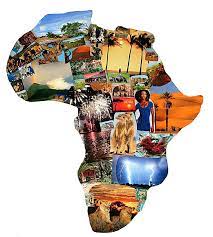
Storytelling for Survival: Preserving African Folktales and Legends
Welcome Back.
Updated at: 2023-08-11 21:34:15 (2 years ago by Melkisedeck Leon Shine)
Storytelling for Survival: Preserving African Folktales and Legends ππΊ
In the vast and diverse continent of Africa, lies a treasure trove of ancient wisdom, traditions, and cultural heritage. Passed down through generations, African folktales and legends have played a vital role in shaping the identity and values of its people. These stories are not just mere entertainment, but powerful conduits of knowledge, history, and moral lessons. However, in the face of modernization and globalization, the preservation of African culture and heritage has become crucial. As proud Africans, it is our responsibility to ensure that these valuable narratives are not lost to time. Here are 15 strategies that can help us in this noble pursuit:
1οΈβ£ Create Oral History Archives: Establish institutions and initiatives that collect, record, and preserve oral histories from different regions of Africa πποΈ.
2οΈβ£ Encourage Intergenerational Storytelling: Foster an environment where elders can pass on their knowledge and stories to the younger generation, strengthening family and community bonds π§π§.
3οΈβ£ Collaborate with Libraries and Museums: Partner with these institutions to showcase and promote African folktales and legends through exhibitions, workshops, and storytelling events ποΈππ.
4οΈβ£ Incorporate African Stories in School Curricula: Advocate for the inclusion of African folklore in educational programs, ensuring that future generations grow up with an appreciation for their cultural heritage π«π.
5οΈβ£ Support Local Storytellers: Provide platforms and resources for African storytellers to share their craft, encouraging the continuation of this rich tradition π£οΈπ.
6οΈβ£ Utilize Digital Platforms: Harness the power of technology to reach a wider audience, through podcasts, online storytelling platforms, and social media campaigns π»π± #DigitalHeritage.
7οΈβ£ Preserve Traditional Languages: Promote the use and preservation of indigenous languages, as they are integral to the proper understanding and preservation of African folktales and legends π£οΈπ.
8οΈβ£ Foster Cultural Exchange Programs: Encourage the exchange of stories and traditions between different African countries, fostering a sense of unity and shared heritage π€π.
9οΈβ£ Establish Storytelling Centers: Create dedicated spaces where storytellers can gather, learn, and collaborate, fostering a sense of community and creativity π°π.
π Protect Intellectual Property Rights: Ensure that African storytellers are recognized and protected for their creativity and contributions, preventing the misappropriation of their work π‘πΌ.
1οΈβ£1οΈβ£ Document Living Traditions: Conduct research and documentation of living traditions to capture the essence and authenticity of African folktales and legends ππ·.
1οΈβ£2οΈβ£ Engage in Cultural Exchanges: Organize cultural exchange programs with other parts of the world, allowing for the sharing of stories and preservation strategies πππ.
1οΈβ£3οΈβ£ Promote Storytelling Festivals: Support and participate in storytelling festivals that celebrate and showcase the diversity of African folktales and legends πͺππ.
1οΈβ£4οΈβ£ Use the Power of Film and Animation: Collaborate with filmmakers and animators to bring African folktales to life, making them accessible to a global audience π½οΈποΈ.
1οΈβ£5οΈβ£ Celebrate African Legends: Honor and commemorate African legends through statues, monuments, and public spaces, reminding future generations of their cultural heritage ποΈποΈ.
Together, we can ensure the survival and perpetuation of African folktales and legends, safeguarding our rich cultural heritage for generations to come. Let us unite under the banner of "The United States of Africa" (Muungano wa Mataifa ya Afrika) and work towards the preservation of our collective identity and history. Will you join us on this inspiring journey? ππΊβ¨
Remember to share this article and spread the word about the importance of preserving African culture and heritage! #PreserveAfricanHeritage #UnitedAfrica #StorytellingForSurvival
Updated at: 2025-05-21 11:46:08 (8 months ago by Melkisedeck Leon Shine)
Africa's diverse cultural landscape encompasses a rich legacy of traditional healing practices, passed down through generations. These practices, deeply intertwined with the continent's natural environment and sociocultural heritage, represent an invaluable resource. However, the rapid acceleration of modernization and globalization poses a significant threat to this irreplaceable heritage. The preservation of these traditions demands immediate and concerted action to ensure their continuity for future generations. This article proposes a comprehensive, multifaceted strategy emphasizing collaborative partnerships, holistic perspectives, and a unified approach to achieve this critical objective. This strategy will be analyzed through the lens of several key concepts: cultural preservation theory, health systems strengthening frameworks, intellectual property rights frameworks, and the social determinants of health model.
1. Systematic Documentation and Scientific Research: Unveiling the Therapeutic Potential of Traditional Medicine
Rigorous scientific investigation and meticulous documentation of African medicinal and healing practices are paramount for preserving this knowledge base. This involves a systematic approach utilizing ethnobotanical surveys, pharmacological analyses, and anthropological research methods. This multidisciplinary research strategy aims to establish the efficacy, safety, and potential of traditional remedies, while also documenting the cultural context within which these practices are embedded. The application of evidence-based methods ensures that this invaluable knowledge is not only preserved but also integrated into modern healthcare systems responsibly and ethically. This approach aligns with the principles of cultural preservation theory, recognizing the importance of documenting and understanding cultural practices in their entirety. A real-world example would be the collaborative research project between a university's ethnobotany department, a local community of traditional healers, and a pharmaceutical company to analyze the medicinal properties of a plant traditionally used to treat malaria.
2. Integrating Traditional and Modern Healthcare Systems: A Synergistic Approach to Enhanced Healthcare Delivery
A truly holistic healthcare system necessitates the integration of traditional and modern medical practices. This synergistic approach involves fostering collaboration between traditional healers and biomedical practitioners to leverage the strengths of both systems. The aim is to create a culturally sensitive and scientifically rigorous healthcare system that improves patient outcomes and addresses health disparities. This aligns with health systems strengthening frameworks, which emphasize the importance of collaboration and integration across different healthcare sectors. A successful example of this integration could involve the establishment of a community health center where both traditional healers and Western-trained doctors work together to provide a comprehensive range of healthcare services.
3. Empowering Local Healers and Communities: Economic Empowerment and Community Ownership
Supporting local healers through training programs, providing access to resources, and ensuring fair compensation for their knowledge and expertise is crucial for preserving their traditions. This approach recognizes the significant role that traditional healers play in their communities, both as healthcare providers and as custodians of cultural heritage. Community-based initiatives promoting ownership and participation in preservation efforts ensure long-term sustainability. The empowerment of local healers also aligns with the principles of economic empowerment and community-based development. For instance, a community might establish a cooperative of traditional healers, leveraging their collective knowledge and skills to create sustainable livelihoods.
4. Establishing Robust Intellectual Property Rights Frameworks: Protecting and Recognizing Traditional Knowledge
Protecting the intellectual property rights of traditional healers and communities is essential to prevent the exploitation and misappropriation of their knowledge. This requires the development of legal frameworks that recognize traditional knowledge as intellectual property, allowing communities to control the use and commercialization of their heritage. This measure aligns with international best practices for the protection of indigenous knowledge and ensures that communities benefit financially and culturally from their contributions. For example, the development of a legal framework that allows communities to patent traditional remedies or control the use of their medicinal plants would protect their intellectual property rights.
5. Utilizing Digital Technologies for Knowledge Dissemination and Preservation: Expanding Global Access
Leveraging digital technologies for documenting, preserving, and disseminating African healing traditions is vital for reaching broader audiences and ensuring the long-term survival of this heritage. This involves creating digital archives of traditional knowledge, developing interactive educational materials, and using online platforms to share information globally. This approach utilizes digital technologies to overcome geographic barriers and ensure broader access to traditional knowledge. For example, creating a comprehensive digital archive of traditional African medicinal plants, complete with images, descriptions, and traditional uses, would make this knowledge available globally.
6. Fostering Global Collaboration and Knowledge Exchange: A Unified International Approach
International partnerships and collaborations are crucial for sharing best practices and learning from other culturesβ experiences in preserving traditional knowledge. This global approach strengthens preservation efforts by facilitating the exchange of resources, expertise, and knowledge. This collaborative approach can lead to innovative solutions and a more holistic understanding of traditional healing practices. For instance, an international consortium of researchers and organizations working together to study and document African traditional medicine could advance understanding and facilitate its integration into global healthcare.
7. Education and Awareness Campaigns: Cultivating Cultural Pride and Appreciation
Education plays a vital role in cultivating pride and appreciation for Africa's rich cultural heritage, including its traditional healing practices. This involves developing educational programs and campaigns that promote awareness of these practices among both African communities and the global community, highlighting their significance in health, culture, and history. For example, integrating traditional healing practices into school curriculums would contribute to the transmission of this cultural knowledge across generations. The social determinants of health model helps to understand how cultural factors impact health outcomes and emphasize the need for culturally sensitive healthcare interventions.
Conclusion and Recommendations
The preservation of Africa's traditional healing practices is not merely a cultural imperative; it is a critical investment in the continent's future health, well-being, and economic prosperity. This multifaceted strategy, informed by several key concepts and models, offers a roadmap for a collaborative approach. The integration of traditional and modern healthcare is paramount, requiring ongoing dialogue, mutual respect, and a shared commitment to improving the health and well-being of communities. Further research is needed to rigorously document the efficacy and safety of traditional remedies, ensuring their responsible integration into healthcare systems. Policymakers must prioritize the establishment of robust intellectual property frameworks to protect the rights of traditional healers. Finally, continued investment in education and community-based initiatives is vital for fostering cultural pride and ownership. The successful implementation of these recommendations will require a concerted effort from governments, healthcare providers, researchers, communities, and international partners, working collaboratively toward the shared vision of a healthier and more equitable future for Africa.
Reader Pool: What specific policy interventions do you believe are most crucial for effectively integrating traditional healing practices into modern healthcare systems in Africa, while ensuring ethical considerations and equitable access?
Updated at: 2023-08-11 21:53:45 (2 years ago by Melkisedeck Leon Shine)
The Taste of Time: Culinary Traditions in African Heritage Preservation ππ½οΈ
As Africans, we are blessed with a rich tapestry of culture and heritage that spans across the continent. Our traditions, customs, and way of life are deeply rooted in history, and it is our collective responsibility to preserve and promote them for future generations. One aspect of our heritage that often gets overlooked is our culinary traditions. Our traditional dishes tell a story of who we are as a people, and it is crucial that we preserve and celebrate them. In this article, we will explore strategies for preserving African culture and heritage, with a particular focus on our culinary traditions.
Embrace Cultural Education: It is essential to educate ourselves and others about the significance of our culinary traditions. By understanding the historical context and cultural importance of our dishes, we can ensure their preservation.
Document Traditional Recipes: Many traditional recipes have been passed down orally from generation to generation. It is crucial to document these recipes to prevent them from being lost with time. Encourage your family and community members to share their recipes and compile them in a cookbook or online platform.
Establish Culinary Archives: Create dedicated culinary archives that house information, photographs, and artifacts related to African cuisine. These archives can serve as a valuable resource for researchers, historians, and future generations.
Support Local Farmers: Promote the use of locally sourced ingredients in our traditional dishes. By supporting local farmers, we not only preserve our culinary heritage but also contribute to the economic development of our communities.
Revive Forgotten Ingredients: Many traditional African ingredients have been forgotten or replaced by imported alternatives. Explore and rediscover these forgotten ingredients, using them in your cooking to keep the traditions alive.
Cultural Exchanges: Engage in cultural exchanges with other African countries to learn about their culinary traditions. By sharing knowledge and experiences, we can strengthen our collective identity as Africans.
Create Culinary Tourism Initiatives: Develop culinary tourism initiatives that showcase our traditional dishes to visitors from around the world. This not only promotes cultural exchange but also generates income for local communities.
Preserve Traditional Cooking Techniques: Traditional cooking techniques are an integral part of our culinary heritage. Ensure that these techniques are passed down to younger generations through cooking classes and workshops.
Establish Culinary Heritage Centers: Establish centers dedicated to preserving and promoting our culinary heritage. These centers can serve as hubs for cultural events, cooking demonstrations, and workshops.
Collaborate with Restaurants and Chefs: Encourage restaurants and chefs to incorporate traditional African dishes into their menus. By creating demand for these dishes, we can ensure their continued presence in the culinary landscape.
Engage Youth in Culinary Traditions: Involve young people in the preservation and promotion of our culinary traditions. Organize cooking competitions, apprenticeships, and mentorship programs to keep them connected to their heritage.
Celebrate National Food Days: Advocate for the recognition of national food days that celebrate our traditional dishes. This will raise awareness and appreciation for our culinary heritage.
Leverage Social Media: Utilize social media platforms to share recipes, stories, and photos of our traditional dishes. Engage with a wider audience and encourage them to join the preservation efforts.
Support Local Cultural Festivals: Attend and support local cultural festivals that highlight our culinary traditions. These festivals provide a platform for showcasing our dishes and engaging with like-minded individuals.
Advocate for The United States of Africa (Muungano wa Mataifa ya Afrika): In our quest for preserving African culture and heritage, it is crucial to promote African unity. By advocating for the formation of The United States of Africa, we can create a collective platform for preserving and celebrating our diverse cultures.
In conclusion, the preservation of African culture and heritage, including our culinary traditions, is a responsibility that we all share. By implementing these recommended strategies, we can ensure that our rich heritage continues to thrive and inspire future generations. Let us unite as Africans and celebrate the tastes of time together! ππ½οΈ
What are some of your favorite traditional African dishes? Share them in the comments below and let's continue the conversation.
Don't forget to share this article with your friends and family to spread the importance of preserving African culture and heritage. Together, we can make a difference! #PreserveAfricanHeritage #UnitedAfrica #CulinaryTraditions
Updated at: 2025-05-12 13:43:19 (8 months ago by Melkisedeck Leon Shine)
Africa's cultural heritage, a multifaceted legacy spanning millennia, represents a profound reservoir of human ingenuity and resilience. This rich tapestry of traditions, rituals, and values, intrinsically linked to the land and its peoples, constitutes the foundational element of African identity. The preservation of this heritage for posterity transcends mere responsibility; it is a moral imperative, crucial for sustaining the continent's vibrant cultural diversity. This article analyzes strategies for effective heritage preservation, drawing upon both indigenous knowledge systems and contemporary best practices to ensure the enduring legacy of African culture. Key concepts relevant to this discussion include cultural sustainability, intangible cultural heritage (ICH), and community-based conservation.
Cultural Sustainability and the Preservation of Intangible Cultural Heritage (ICH): The concept of cultural sustainability emphasizes the ongoing viability of cultural practices and expressions within a dynamic environment. Applying this concept to Africa necessitates understanding ICH, encompassing oral traditions, performing arts, social practices, rituals, festive events, knowledge and practices concerning nature and the universe, and traditional craftsmanship. The UNESCO 2003 Convention for the Safeguarding of the Intangible Cultural Heritage provides a framework for the identification, documentation, and preservation of these elements. In practice, this entails documenting oral traditions through ethnographic research and digital archives, fostering active participation by communities in safeguarding their traditions, and creating educational programs to transmit ICH to younger generations. This multi-pronged approach ensures both the longevity and accessibility of African ICH.
Community-Based Conservation and the Protection of Sacred Sites and Natural Wonders: The integration of local communities in the conservation of cultural and natural resources is paramount. Community-based conservation (CBC) is a participatory approach that empowers local stakeholders to actively manage and protect their heritage. Applying this model to the preservation of sacred sites and natural wonders requires collaborative management strategies involving governmental agencies, NGOs, and local communities. This collaborative governance fosters a sense of ownership, ensuring responsible stewardship of ecologically and culturally significant areas. Furthermore, sustainable tourism initiatives can generate revenue for local communities while simultaneously protecting these irreplaceable assets. Examples include the establishment of community-managed nature reserves and ecotourism projects that directly benefit local populations.
Economic Empowerment and the Support of Local Artisans and Craftspeople: Traditional African arts and crafts serve as powerful repositories of cultural knowledge and historical narratives. Supporting local artisans is not simply a matter of economic development but is a crucial step in safeguarding cultural heritage itself. This involves creating market access through fair trade initiatives, developing e-commerce platforms for artisans, and promoting cultural tourism that emphasizes authenticity and cultural exchange. Furthermore, fostering creativity and innovation through training and capacity-building programs enables artisans to adapt their skills to contemporary markets while retaining the essence of their traditions. Such initiatives foster both economic independence and cultural preservation simultaneously.
Education and the Transmission of Cultural Knowledge: Investing in comprehensive cultural education programs is vital for ensuring the intergenerational transmission of cultural knowledge. This includes integrating African history, art, music, and traditional practices into formal education curricula and developing community-based learning initiatives. By fostering a sense of cultural pride and identity, these programs encourage active participation in cultural preservation. Active engagement through cultural centers, museums, and community events enhances learning and promotes appreciation. Furthermore, the integration of technology, such as digital storytelling and virtual museum tours, can broaden accessibility to cultural knowledge.
Language Revitalization and the Preservation of Oral Traditions: Language is inextricably linked to cultural identity. The revitalization of indigenous African languages is crucial for preserving oral traditions and ensuring cultural continuity. This necessitates incorporating indigenous languages into educational systems, developing multilingual digital resources, and actively promoting the use of these languages in media and public life. Such initiatives support the maintenance of unique linguistic and cultural diversity. The application of language revitalization strategies often requires collaborative partnerships between linguistic experts, educational institutions, and community members.
Policy and Advocacy for Cultural Heritage Protection: Effective cultural heritage preservation requires supportive policies and legislation. Advocating for policies that protect cultural sites, promote traditional arts and indigenous languages, and incentivize cultural sustainability is essential. These policies need to be informed by a deep understanding of local contexts, incorporating the voices and perspectives of communities directly involved in cultural heritage management. Active engagement with policymakers, the creation of robust legal frameworks, and the effective monitoring and enforcement of regulations are all crucial for achieving this goal.
Facilitating Cultural Exchange and Learning from Global Best Practices: International collaborations are instrumental in fostering mutual understanding and sharing best practices in cultural heritage management. These exchanges, encompassing educational programs, artistic partnerships, and the development of joint conservation projects, enrich African cultural landscapes and promote innovative approaches to heritage preservation. The adaptation of successful global models to suit the unique circumstances of African nations requires careful consideration of cultural context and community needs, ensuring the preservation effort remains sensitive and inclusive.
Conclusion and Recommendations: The preservation of Africa's rich cultural heritage requires a holistic and multifaceted approach. The strategies outlined in this articleβemphasizing cultural sustainability, community-based conservation, economic empowerment, education, language revitalization, and policy advocacyβprovide a framework for effective action. Future research should focus on further developing community-based participatory approaches, strengthening capacity building initiatives for cultural heritage professionals, and evaluating the impact of specific policies and interventions. By fostering a collaborative environment, embracing indigenous knowledge systems, and employing innovative strategies, Africa can safeguard its diverse and vibrant cultural heritage for generations to come. The impacts of successful heritage preservation include increased cultural pride, strengthened community cohesion, economic diversification, and the preservation of invaluable knowledge systems. The applicability of these strategies transcends geographical boundaries, offering a valuable model for cultural heritage preservation globally.
Reader Pool: What innovative strategies could be implemented to further integrate technology into the preservation and promotion of Africa's diverse cultural heritage?
Updated at: 2023-08-11 21:24:18 (2 years ago by Melkisedeck Leon Shine)
Reclaiming Narratives: Preserving Indigenous African Storytelling ππ
In a world filled with diverse cultures and traditions, Africa stands as a rich tapestry of history, heritage, and storytelling. The continent's indigenous African storytelling has been passed down through generations, serving as a powerful means of connection and preservation of African culture. However, in today's rapidly changing world, it has become crucial to reclaim these narratives and ensure their preservation for the generations to come. Here, we explore 15 strategies to safeguard and promote African culture and heritage. ππ
Documenting Oral Traditions: Recording and transcribing oral stories, myths, and legends is vital to preserve the essence of African storytelling. This can be done through audio recordings, written transcripts, or even digital platforms. By doing so, we ensure these precious narratives are safeguarded and easily accessible. ποΈπ»
Introducing Storytelling in Schools: Integrating African storytelling into the education system fosters a sense of pride and identity among young Africans. By incorporating local legends and folklore into the curriculum, we create an environment where the richness of our heritage is celebrated. π«π
Establishing Cultural Centers: Creating dedicated spaces, such as cultural centers, museums, and libraries, allows for the preservation and display of African artifacts, manuscripts, and historical records. These centers serve as hubs for education and exploration of Africa's diverse cultures. ποΈποΈ
Promoting Indigenous Languages: Language is the cornerstone of culture. Encouraging the use and preservation of indigenous African languages ensures that the stories and traditions are passed down in their original form. Language revitalization programs can be implemented in schools and communities. π£οΈπ
Collaborating with Elders: Engaging with the elders of our communities provides an opportunity to learn directly from those who have lived and experienced our traditions. Their wisdom and knowledge are invaluable resources in preserving our cultural heritage. π΄π΅π
Fostering Intergenerational Dialogue: Encouraging open dialogue between different generations fosters a sense of understanding and appreciation for our diverse cultural backgrounds. By bridging the gap between young and old, we create an inclusive society that values the wisdom of the past. π§π¨π΄
Utilizing Technology: Embracing digital platforms and social media can amplify the reach of African storytelling. Online platforms provide a space for Africans from all corners of the continent to share their stories, creating a global network of cultural exchange. π»π
Engaging Artists and Filmmakers: Collaborating with artists, filmmakers, and storytellers allows for the reimagining of African narratives in contemporary and visually appealing ways. This not only preserves the stories but also brings them to life for a new generation. π¨π₯
Encouraging Community Initiatives: Empowering local communities to take ownership of preserving their cultural heritage is key to its longevity. Supporting initiatives such as community festivals, workshops, and cultural exchange programs strengthens our collective efforts. π€π
Learning from Other Cultures: By engaging with preservation strategies from other parts of the world, we can adapt and tailor them to suit our African context. Sharing experiences and knowledge with global partners fosters a sense of unity and collaboration. ππ€
Emphasizing Economic Liberalization: Economic prosperity plays a crucial role in preserving culture. Strengthening African economies empowers communities to invest in preserving their heritage, making it a sustainable endeavor for the long term. π°πͺ
Promoting Political Liberalization: A politically stable and inclusive Africa allows for the preservation of diverse cultural practices. By advocating for democratic governance and human rights, we create an environment where cultural preservation can thrive. π³οΈπ€
Fostering Pan-African Unity: African unity is essential in preserving our diverse cultures and heritage. By embracing the vision of "The United States of Africa" (Muungano wa Mataifa ya Afrika), we can foster a sense of belonging and solidarity among all Africans. ππ€
Celebrating African Achievements: Showcasing and celebrating the accomplishments of Africans in various fields β arts, sciences, sports, and more β highlights the richness of our culture and serves as an inspiration for future generations. ππ
Developing Skills for Preservation: Finally, it is essential to equip ourselves with the necessary skills to preserve African culture and heritage. By actively seeking opportunities to learn and engage with our traditions, we become the custodians of our own narratives. ππͺ
In conclusion, the preservation of African culture and heritage is a collective responsibility. By reclaiming narratives and implementing the recommended strategies, we can ensure that our rich history and traditions continue to thrive. Let us unite as Africans and inspire future generations to cherish and celebrate our diverse cultural tapestry. Together, we can create a brighter future for "The United States of Africa" (Muungano wa Mataifa ya Afrika). ππ€πͺ
Are you ready to embark on this journey of cultural preservation? Share this article with your friends and join the movement to #PreserveAfricanHeritage and #UniteAfrica. ππ€π₯
Updated at: 2023-08-11 21:34:57 (2 years ago by Melkisedeck Leon Shine)
Future Pathways: Youth Engagement in Safeguarding African Heritage
As Africans, we are privileged to be the custodians of a rich and diverse cultural heritage that spans thousands of years. Our traditions, languages, music, art, and rituals are a testament to the resilience and ingenuity of our ancestors. However, in the face of globalization and modernization, our cultural heritage is at risk of being eroded or forgotten. It is therefore imperative that we, as the youth of Africa, take on the responsibility of safeguarding and preserving our African heritage for future generations.
Here are 15 strategies that we can employ to ensure the preservation of our culture and heritage:
Education: Foster a sense of pride and appreciation for African culture and heritage through education. Incorporate African history, art, and traditions into the curriculum to ensure that future generations understand the importance of preserving our cultural heritage.
Documentation: Record and document oral traditions, folklore, and indigenous knowledge systems. This will ensure that our stories and traditions are preserved for future generations.
Museums and Cultural Centers: Establish and support museums and cultural centers that showcase and celebrate African art, history, and traditions. These institutions serve as important repositories of our cultural heritage.
Local Festivals: Participate in and support local festivals and cultural events that celebrate African traditions. These events provide a platform for showcasing our diverse cultural practices and can help to revive interest in our heritage.
Cultural Exchange Programs: Encourage cultural exchange programs within Africa and with other parts of the world. This allows for the sharing of cultural practices and promotes a deeper understanding and appreciation for our heritage.
Art and Crafts: Support local artists and craftsmen who create traditional African art and crafts. By purchasing their work, we contribute to the preservation of traditional skills and ensure the continuity of our artistic traditions.
Language Preservation: Promote the use and preservation of African languages. Language is an integral part of our cultural identity, and by preserving our languages, we preserve our heritage.
Cultural Tourism: Promote cultural tourism by showcasing the unique cultural experiences that Africa has to offer. This not only generates income but also raises awareness about the importance of preserving our cultural heritage.
Digital Preservation: Utilize technology to digitally preserve and disseminate African cultural heritage. Create online archives, virtual museums, and digital libraries that make our heritage accessible to a global audience.
Community Involvement: Involve local communities in the preservation and promotion of their cultural heritage. By empowering communities to take ownership of their heritage, we ensure its long-term sustainability.
Leadership and Governance: Advocate for policies and legislation that support the preservation of African culture and heritage. Encourage governments to allocate resources and create initiatives that prioritize the safeguarding of our heritage.
Inter-generational Dialogue: Facilitate dialogue between different generations to ensure that traditional knowledge and practices are passed down from elders to the youth. This strengthens the inter-generational bond and ensures the continuity of our heritage.
Partnerships and Collaboration: Foster partnerships and collaborations with international organizations, academia, and other African countries for the preservation of our heritage. By working together, we can leverage resources and expertise to achieve our common goal.
Cultural Entrepreneurship: Encourage the development of cultural entrepreneurship by supporting African entrepreneurs who create businesses centered around African culture and heritage. This not only promotes economic growth but also creates opportunities for the preservation of our traditions.
Youth Empowerment: Empower the youth to take an active role in safeguarding our African heritage. Provide platforms for young Africans to showcase their talents, ideas, and initiatives related to cultural preservation.
"In the end, it is not only about preserving our cultural heritage, but about building a future that embraces our African identity. Together, we have the power to shape the destiny of our continent and form The United States of Africa (Muungano wa Mataifa ya Afrika). Let us unite, celebrate, and protect our heritage, for it is the foundation upon which our future will be built."
As we embark on this journey to safeguard our African heritage, let us ask ourselves: What skills can we develop to become champions of this cause? How can we engage our communities in preserving our cultural traditions? How can we promote African unity through the preservation of our diverse cultural heritage?
Share this article with your friends and family and join the movement to preserve African culture and heritage. Together, we can shape a future that cherishes and celebrates our African identity. πβ¨πΊ
Updated at: 2025-02-20 11:11:28 (11 months ago by Melkisedeck Leon Shine)
African culture, a vibrant tapestry woven from countless traditions and a rich heritage, forms the bedrock of our identities, values, and ancestral connections. In today's rapidly evolving world, safeguarding this legacy is not just important, it's essential. Photography, with its unparalleled ability to capture and immortalize fleeting moments, stands as a potent instrument for preserving and celebrating the very soul of African traditions. This article explores strategic methods to harness photography's power, ensuring our cultural heritage flourishes for generations to come.
Documenting the Everyday: A Tapestry of Life
Photographers are urged to meticulously document the seemingly ordinary aspects of daily life β the routines, interactions, and celebrations that epitomize the essence of African communities. These seemingly commonplace scenes often hold profound cultural significance, revealing the subtle intricacies of our traditions. Capturing the rhythm of daily life offers a powerful insight into the values and beliefs that shape African societies.
Celebrating Africa's Diverse Heritage: A Kaleidoscope of Cultures
Africa's diverse landscape is a breathtaking mosaic of languages, cultures, and traditions. Photographers play a critical role in capturing this stunning variety, ensuring the unique heritage of each nation is not only preserved but celebrated globally. This visual representation of diversity cultivates understanding and appreciation for the continentβs rich and multifaceted tapestry, fostering a sense of unity in diversity.
Preserving Rituals and Ceremonies: Passing the Torch of Tradition
Traditional rituals and ceremonies β weddings, coming-of-age celebrations, religious practices, and ancestral commemorations β serve as vital conduits for transmitting cultural values and beliefs across generations. Photography acts as a powerful instrument for preserving these events, creating an enduring record for future generations to learn from and connect with their heritage. These images serve as living testaments to the enduring power of tradition.
Visual Storytelling: Weaving Narratives Through the Lens
Photographs transcend mere imagery; they become compelling narratives. By capturing the spirit and essence of African traditions, photographers craft visual stories that promote cultural understanding and appreciation worldwide. These narratives transcend language barriers, making them universally accessible and fostering empathy across cultures.
Capturing Natural Heritage: A Connection to the Land
Africa's breathtaking landscapes and natural wonders are intrinsically linked to its cultural identity. Photographers should meticulously capture the continent's environmental beauty, reminding us of our deep-rooted connection to the land and underscoring the crucial importance of environmental stewardship. Documenting this natural heritage emphasizes the interconnectedness between culture and the environment.
Oral Traditions in Focus: Bridging the Generational Gap
Photography serves as a powerful complement to oral traditions. By capturing images that vividly illustrate stories, proverbs, and folklore, photographers effectively bridge the generational gap, ensuring that these vital aspects of culture are transmitted effectively and remain vibrant. This creates a powerful synergy between visual and oral narratives.
Architectural Heritage: A Testament to Craftsmanship
Traditional African architecture showcases the ingenuity and remarkable craftsmanship of our ancestors. Photographers play a crucial role in documenting this architectural heritage, preserving unique designs and construction methods for posterity. This preservation effort not only documents history but also showcases the skill and artistry of past generations.
Collaboration with Indigenous Communities: Respect and Authenticity
Meaningful engagement with local communities and their active involvement in the photographic process are paramount. This ensures authentic and respectful representations of their traditions, fostering trust and collaborative relationships built on mutual respect and understanding. Collaboration is key to ethical and impactful documentation.
Educating Through Exhibitions: Sharing Our Story
Exhibitions showcasing the work of African photographers offer invaluable platforms for education and raising awareness. These exhibitions create opportunities for meaningful dialogue, fostering understanding and appreciation of our rich and diverse cultural heritage on a broader scale.
Leveraging Technology: Reaching a Global Audience
Social media and online platforms are powerful tools for sharing and promoting African photography. This global reach allows us to connect with diverse audiences worldwide, fostering appreciation for African culture far beyond geographical boundaries. Digital platforms democratize access to cultural heritage.
Empowering Local Photographers: Nurturing Talent
Investing in training and resources for aspiring photographers is crucial for the long-term preservation of our heritage. By nurturing talent, we empower individuals to become active custodians of our cultural legacy, ensuring its continuity for generations to come.
Regional Collaboration: A Continent United
Collaboration among photographers from different African countries fosters a strong sense of unity and shared identity. The exchange of ideas and perspectives enriches the photographic narrative and strengthens the continent's cultural bonds, creating a powerful collective voice.
Learning from Global Best Practices: Adapting and Innovating
By studying successful cultural preservation strategies from around the world, we can adapt and integrate these methods into our own context, optimizing our efforts and benefiting from international experience. Learning from others enhances our own strategies.
Amplifying African Voices: Reclaiming Our Narrative
Photography can effectively challenge stereotypes and promote a more accurate and nuanced understanding of African traditions. By reclaiming our narrative, we ensure our stories are told authentically, respectfully, and from our own perspectives.
Inspiring Future Generations: A Legacy of Pride
Photography possesses the power to ignite a sense of pride and curiosity in young people, encouraging them to explore their heritage, cultivate their artistic talents, and become active participants in preserving our traditions for a brighter future. Investing in the next generation is essential for cultural preservation.
The vision of a united and prosperous Africa, as envisioned by leaders such as Kwame Nkrumah and Julius Nyerere, is not merely an aspiration; it is an achievable goal. Through collaborative efforts and a steadfast commitment to preserving our cultural heritage, we can build a brighter, more unified future. Let's join this movement to celebrate African pride and protect our traditions for generations to come. #AfricanPride #PreservingOurTraditions #UnitedAfrica

Updated at: 2025-03-01 17:17:44 (10 months ago by Melkisedeck Leon Shine)
Africa, a continent of extraordinary diversity, boasts a wealth of vibrant cultures passed down through countless generations. These traditions are fundamental to our identity, demanding proactive measures for preservation and documentation for future generations. Technology offers unparalleled opportunities to safeguard this heritage through robust digital archives. This article explores strategic approaches to cultural preservation and the crucial role technology plays in this vital endeavor.
Embracing the Digital Revolution: Digital archives offer an unparalleled platform for preserving cultural artifacts, oral histories, and historical records, ensuring accessibility for centuries to come. This transcends geographical limitations, making our heritage available globally.
Pan-African Collaboration: A united approach is paramount. The establishment of a Pan-African digital archive, a collaborative effort pooling resources and expertise from across the continent, would create a comprehensive repository of our shared heritage. This shared platform fosters understanding and appreciation across national boundaries.
Strategic Public-Private Partnerships: Securing the financial and technical resources necessary for the development and maintenance of these vital archives requires collaboration. Partnering with technology companies and private organizations provides essential support, ensuring long-term sustainability.
The Power of Crowdsourcing: A truly representative archive needs broad participation. Encouraging individuals and communities to contribute their own cultural artifacts and narratives creates a rich, inclusive representation of African culture, reflecting its remarkable diversity.
Localized Content for Global Reach: The unique cultural tapestry of each African nation must be accurately reflected. Localized content creation ensures authentic representation and avoids homogenization, preserving the individuality of each culture.
Investing in Training and Capacity Building: Effective management and curation of digital archives demand skilled professionals. Investing in training and capacity building programs for archivists and cultural preservationists is essential for long-term success and responsible stewardship of digital collections.
Multilingual Accessibility: To ensure widespread engagement and appreciation, digital archives must embrace the linguistic diversity of Africa. Incorporating multiple African languages ensures inclusivity and broad access to this invaluable resource.
Leveraging Social Media for Wider Reach: Social media platforms offer powerful tools for promoting awareness and engagement, particularly among younger generations. Strategic use of social media can connect a wider audience with Africa's cultural heritage.
Preserving Oral Traditions: Oral histories, often the heart of cultural transmission, risk being lost to time. Digital archives provide a crucial platform for recording and preserving these invaluable oral traditions, ensuring their continued relevance and accessibility.
Safeguarding Intangible Cultural Heritage: Beyond tangible artifacts, intangible cultural heritage, such as music, dance, and rituals, needs dedicated protection. Digital documentation and archiving ensures the survival of these vital aspects of African culture.
Complementing Physical Conservation: Digital archives serve as a powerful complement to physical conservation efforts. They provide a secure backup and digital representation of cultural artifacts, mitigating the risk of damage or loss through natural disasters or other unforeseen events.
Learning from Global Best Practices: Examining successful digital archive initiatives worldwide offers invaluable insights and best practices, informing the development of effective and sustainable strategies for preserving African culture.
Promoting Unity and Shared Identity: Sharing our cultural heritage through digital archives fosters a sense of collective identity and pride amongst Africans, uniting us through our shared history and traditions.
Inspiring Future Generations: By showcasing the richness and diversity of African culture, digital archives inspire younger generations to embrace and safeguard their heritage, ensuring its continued vibrancy for future generations.
A Vision for a United Africa: The dream of a unified Africa is inextricably linked to the preservation of our collective heritage. Imagine the power of a single, comprehensive digital archive representing the entirety of the continent's cultural wealth β a testament to our shared identity and a legacy for future generations.
In conclusion, the preservation of African cultural heritage through digital archives is not merely a possibility but a necessity. By embracing technological advancements and implementing collaborative strategies, we can ensure that our diverse cultures thrive and endure. Let us unite in this endeavor, safeguarding our rich heritage for generations to come. Join us in this vital mission.
What steps are you taking to preserve and promote your own cultural heritage? Share your experiences and inspire others.
Updated at: 2025-05-22 10:20:21 (8 months ago by Melkisedeck Leon Shine)
Africa's diverse cultural landscape encompasses a rich tapestry of indigenous healing practices, transmitted through generations. These practices, deeply intertwined with the continent's natural environment and cultural heritage, represent an invaluable resource. However, the accelerating forces of modernization and globalization pose a significant threat to this legacy. The preservation of these irreplaceable traditions necessitates immediate and concerted action to ensure their continuity for future generations. This article proposes a comprehensive, multi-faceted strategy emphasizing collaborative partnerships, holistic approaches, and a unified framework to achieve this critical objective. Key concepts examined include the application of ethnobotany, biocultural approaches to conservation, the social determinants of health, and intellectual property rights frameworks within the context of healthcare systems strengthening.
1. Systematic Documentation and Scientific Validation: Unveiling the Therapeutic Potential of Indigenous Medicine
Rigorous documentation and scientific research are fundamental to preserving and validating African indigenous healing practices. This involves a systematic approach, integrating ethnobotanical surveys, pharmacological analyses, and clinical trials. Collaboration between traditional healers, researchers, and academic institutions is crucial to understanding the efficacy, safety, and potential of these practices. This approach, informed by principles of evidence-based medicine and biocultural conservation, ensures the responsible and ethical utilization of this knowledge base. For instance, rigorous documentation of plant-based remedies could lead to the discovery of novel therapeutic compounds, enhancing both global and local healthcare options.
2. Integration into Mainstream Healthcare Systems: A Synergistic Approach to Improved Healthcare Access and Outcomes
Integrating indigenous healing practices into mainstream healthcare systems is essential for ensuring equitable access. This necessitates acknowledging and validating the efficacy of traditional methods, promoting a culturally sensitive approach within the larger healthcare framework. Applying the social determinants of health model, we can address the barriers to access and utilization of healthcare services, ensuring that all members of society can benefit from a comprehensive and culturally appropriate approach to care. This integrated model leverages the strengths of both traditional and biomedicine, potentially improving patient satisfaction and health outcomes. A successful integration would require robust training programs for healthcare providers and the development of culturally sensitive clinical guidelines.
3. Education and Awareness Raising: Fostering Community Ownership and Pride
Cultivating appreciation for Africa's rich cultural heritage begins with education. This involves disseminating information within and beyond Africa, emphasizing the significance of these practices within communities. Community-based participatory approaches can empower local communities to actively engage in the preservation and dissemination of their knowledge. This initiative will also contribute to social cohesion and strengthen community identity. Such initiatives can draw on narratives and storytelling methods to engage communities effectively.
4. Intellectual Property Rights Protection: Ensuring Equitable Benefit-Sharing
Protecting the intellectual property rights of traditional healers and practitioners is paramount. This demands legislative action and international cooperation to prevent the exploitation of their knowledge and expertise. Establishing fair compensation mechanisms and benefit-sharing agreements are essential aspects of ethical considerations and economic justice. This approach aligns with international guidelines on access to genetic resources and the fair and equitable sharing of benefits arising from their utilization. The implementation of such frameworks necessitates collaborative engagement with policymakers and international organizations.
5. Capacity Building and Institutional Support: Investing in a Healthier Future
Governments and institutions have a critical role in safeguarding this heritage. This includes dedicated funding and the establishment of specialized research centers focused on indigenous healing practices. These centers would serve as hubs for training, research, and knowledge dissemination. Investing in these initiatives not only preserves cultural identity but also holds immense potential for groundbreaking discoveries in medicine and healthcare, benefiting both Africa and the global community. A successful strategy would require a multi-sectoral approach, involving governments, NGOs, and international organizations.
6. Promoting Global Collaboration and Knowledge Exchange: Fostering Intercultural Dialogue
Participating in global cultural exchange programs facilitates the sharing of African healing traditions with the world and enables learning from other cultures. This fosters greater understanding and appreciation of diverse healing practices, enriching knowledge and promoting intercultural dialogue. Such collaboration strengthens preservation efforts globally by sharing best practices, resources, and support.
7. Digital Preservation and Accessibility: Leveraging Technology for Knowledge Dissemination
Utilizing digital technologies to document and share African healing traditions globally is crucial for preservation and promotion. This involves creating online archives, developing interactive educational materials, and using digital platforms to reach wider audiences. This approach ensures broader access to this invaluable knowledge and contributes to the wider dissemination of information.
8. Community-Based Approaches: Strengthening Collective Ownership and Sustainability
Communities are the custodians of their cultural heritage. Organizing community events and workshops that celebrate these traditions fosters collective responsibility and ownership. Such community-led initiatives ensure the long-term sustainability of these practices and strengthen community resilience.
Conclusions and Recommendations
The preservation of Africa's indigenous healing systems is not merely a cultural imperative; it represents a significant investment in future health, well-being, and economic prosperity. A collaborative, multi-pronged strategy, incorporating scientific validation, mainstream integration, capacity building, intellectual property protection, and global knowledge exchange, is crucial for the successful preservation of this invaluable heritage. Further research should focus on comparative effectiveness studies of integrated healthcare models, the development of standardized quality assurance protocols for traditional practices, and the exploration of innovative financing mechanisms to support sustainable community-based initiatives. The long-term success depends on fostering strong partnerships between traditional healers, researchers, policymakers, and communities. This synergistic approach will enhance healthcare outcomes, empower communities, and contribute significantly to global health advancements. The long-term impact of these initiatives includes improved healthcare access and quality, enhanced economic opportunities for communities, and the potential for groundbreaking discoveries in medicine.
Reader Pool: What are the potential ethical challenges and mitigation strategies associated with integrating indigenous healing practices into mainstream healthcare systems in Africa?
Updated at: 2025-04-12 01:59:06 (9 months ago by Melkisedeck Leon Shine)
Africa's vibrant cultural landscape, a mosaic of traditions and wisdom spanning millennia, faces the challenges of a rapidly changing world. This legacy, a testament to the resilience and creativity of African peoples, demands proactive strategies for its preservation and nurturing. A collective effortβa shared responsibility among all Africansβis crucial to ensure this invaluable heritage endures for future generations. This article outlines fifteen key strategies to achieve this critical goal.
These strategies form a comprehensive roadmap, guiding us toward a future where African heritage flourishes.
Preserving African culture and heritage is not merely desirable; it is essential for our collective identity and the continent's future. By embracing these strategies with unwavering commitment and collaboration, we can ensure that the rich legacy of ancient wisdom continues to inspire and empower generations to come. Let us work together to safeguard the magnificent tapestry of African heritage for eternity. Share your own experiences and initiatives to inspire others and collectively build a future where African heritage thrives. Let's amplify our shared commitment to preserving African heritage.
Share your stories and initiatives. Letβs build a future where African heritage flourishes. #PreserveAfricanHeritage #AfricanUnity #CulturalDiversity #AfricanPride