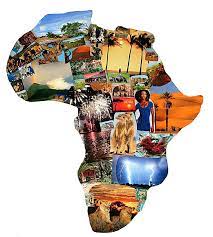
Virtual Reality and Cultural Heritage: Exploring African Narratives
Welcome Back.
Updated at: 2023-08-11 21:53:00 (2 years ago by Melkisedeck Leon Shine)
Virtual Reality and Cultural Heritage: Exploring African Narratives 🌍
As Africans, we are the custodians of a rich and diverse cultural heritage that spans thousands of years. From the ancient pyramids of Egypt to the vibrant traditions of West Africa, our cultural heritage is a source of pride and identity. However, in today's rapidly changing world, it is essential that we employ strategies to preserve and promote our unique heritage. One such strategy is the use of virtual reality (VR) technology to explore and share African narratives. 📚👓
Virtual reality offers an immersive experience that allows individuals to step back in time and experience African history firsthand. Imagine walking through the ancient city of Timbuktu or witnessing the Great Zimbabwe Ruins come to life before your eyes. VR technology has the power to transport us to these important historical sites and preserve them for future generations. 🏰🌍
By using VR, we can bridge the gap between generations and ensure that our cultural heritage is passed down to younger Africans. It provides an engaging and interactive way for children to learn about their history and develop a sense of pride in their African identity. 👧👦🎮
Through virtual reality, we can also create a platform to showcase the cultural diversity of Africa. From the Maasai tribe in Kenya to the Dogon people in Mali, VR allows us to celebrate and preserve the unique traditions and customs of different African communities. 🌺🎺🥁
VR technology can also be used to document endangered cultural practices and languages. Many African languages are at risk of extinction, but through VR, we can create immersive experiences that help preserve these languages and ensure they continue to be spoken for generations to come. 🗣️📚
In addition to preservation, VR can also be used to promote African economic and political liberalization. By showcasing our cultural heritage to the world, we can attract tourists and investors, boosting our economies and creating job opportunities for our people. 💼💰
Virtual reality can also be a powerful tool for promoting African unity. By showcasing the cultural similarities and shared histories of different African nations, VR can help break down the barriers that divide us and foster a sense of pan-African identity. 🤝🌍
Nelson Mandela once said, "Education is the most powerful weapon which you can use to change the world." Through VR, we can revolutionize education in Africa by providing students with immersive and engaging learning experiences. 🎓💡
VR can also help reconnect the African diaspora with their cultural roots. For those who have been separated from their African heritage, VR can provide a means to explore and reconnect with their ancestral homeland. 🌍👨👩👧👦
By embracing VR technology, we can also overcome physical barriers and make African cultural heritage accessible to all. Individuals who may not have the means to travel to Africa can still experience our rich heritage through virtual reality. 🌍📱💻
Other countries have already harnessed the power of VR to preserve their cultural heritage. For example, China has used VR to recreate the ancient Silk Road and bring it to life for visitors. We too can learn from these experiences and adapt VR technology to suit our African narratives. 🇨🇳🌍
We invite you, our fellow Africans, to develop the skills and knowledge necessary to utilize VR technology in preserving our cultural heritage. By learning how to create VR experiences, we can ensure that our stories and traditions are celebrated and shared with the world. 📚👓💻
What are your thoughts on using VR to preserve African culture? How do you envision the future of African unity? We encourage you to share your thoughts and ideas in the comments below. Let's start a conversation and work towards a united Africa. 🗣️🌍💬
If you found this article inspiring and informative, please share it with your friends and family. Together, we can spread awareness about the importance of preserving African culture and heritage. 🌍📲📣
Let's embrace the power of virtual reality and unite to preserve and promote our African cultural heritage. Together, we can build a brighter future for Africa, leading us one step closer to the realization of "The United States of Africa" (Muungano wa Mataifa ya Afrika). 🌍🤝💪
Updated at: 2023-08-11 21:25:41 (2 years ago by Melkisedeck Leon Shine)
Heritage of Healing: Medicinal Plants in African Cultural Preservation 🌿🌍
As Africans, we are blessed with a rich cultural heritage that spans centuries. Our diverse traditions, languages, and customs are something to be cherished and preserved. One integral aspect of our culture that deserves special attention is the use of medicinal plants for healing. 🌱
African cultural preservation is essential for maintaining our identity and connection to the land. By preserving our traditional knowledge of medicinal plants, we ensure that future generations understand and appreciate the healing power of nature.
The United States of Africa (Muungano wa Mataifa ya Afrika) can serve as a hub for sharing and promoting our cultural heritage. By coming together as one continent, we can create platforms for knowledge exchange and preservation.
Emphasize the importance of education to young Africans, as they are the future guardians of our culture. By teaching them about medicinal plants and their healing properties, we ensure that this knowledge is not lost.
African Economic Liberalization and Political Liberalization play a vital role in preserving our culture. By fostering economic growth, we can invest in education and research, promoting the preservation of medicinal plants.
Promote unity among African nations, as it is crucial for the preservation of our cultural heritage. By working together, we can create a strong network of support and knowledge-sharing.
"The greatness of a nation can be judged by how it treats its weakest members." - Nelson Mandela. Let us remember Mandela's words and ensure that the knowledge of medicinal plants is accessible to all Africans, regardless of their background or social status.
Look to other parts of the world for inspiration and learn from their strategies for preserving cultural heritage. Countries like China and India have successfully integrated traditional medicine into their healthcare systems.
For example, China has established Traditional Chinese Medicine hospitals and research centers, which not only preserve their cultural heritage but also contribute to their economy through medical tourism.
Botswana, known for its rich biodiversity, has implemented laws and regulations to protect endangered medicinal plants. This proactive approach ensures the sustainability of these plants for future generations.
Egypt, with its ancient healing traditions, has recognized the value of medicinal plants and has incorporated them into its national healthcare system. This integration allows Egyptians to benefit from both modern medicine and traditional practices.
Let us strive to create a comprehensive database of medicinal plants, documenting their traditional uses, preparation methods, and scientific validation. This resource will serve as a valuable tool for future research and preservation efforts.
Encourage the establishment of botanical gardens and medicinal plant sanctuaries across Africa. These spaces can serve as living museums, showcasing our cultural heritage and providing a safe haven for endangered plant species.
Foster partnerships between traditional healers and modern healthcare professionals. By bridging the gap between traditional and Western medicine, we can create a holistic approach to healthcare that respects and preserves our cultural heritage.
Engage the youth by organizing workshops and cultural festivals that celebrate the healing power of medicinal plants. By immersing them in our traditions, we inspire them to carry on our legacy.
We must remember that preserving our cultural heritage is not a task for one person or one generation. It requires continuous effort and collaboration. Let us come together and take pride in our African identity, preserving our traditions and passing them on to future generations.
In conclusion, the preservation of African culture and heritage, especially the use of medicinal plants for healing, is a responsibility we all share. By implementing the recommended strategies, we can ensure that our traditions and knowledge are not lost but continue to thrive. Let us inspire and motivate one another to embrace our diverse heritage and work towards the formation of "The United States of Africa" (Muungano wa Mataifa ya Afrika). Together, we can create a future where African unity and cultural preservation are celebrated and cherished. 💪🌍💚
Are you ready to take on the challenge of preserving our African culture and heritage? Share this article and let's ignite a movement! #PreserveAfricanCulture #UnitedAfrica #CulturalHeritage #HealingPowerofPlants #ShareTheKnowledge
Updated at: 2023-08-11 21:53:34 (2 years ago by Melkisedeck Leon Shine)
The Written Legacy: African Literature and the Preservation of Identity 📚🌍
As Africans, it is crucial that we preserve our rich culture and heritage. Our identity is deeply rooted in the traditions, languages, and stories that have been passed down through generations. One powerful tool we have in this preservation is African literature, which allows us to not only celebrate our past but also shape our future. In this article, I will share with you strategies that can help us preserve our African culture and heritage, and promote unity among us. Let's dive in! 💪🏾
1️⃣ Embrace our oral traditions: We have a long history of oral storytelling, and it is important to continue passing down our stories through generations. These stories hold valuable lessons, traditions, and cultural norms that define us as Africans.
2️⃣ Encourage writing in local languages: By encouraging and supporting the use of local languages in literature, we can preserve the linguistic diversity that makes Africa unique. This ensures that our cultural nuances are not lost in translation and strengthens our identity.
3️⃣ Document our history: We must document our history, both ancient and contemporary, through written literature. This includes chronicling the struggles, triumphs, and contributions of our ancestors and leaders.
4️⃣ Promote African authors: By supporting African authors, we ensure that our stories are told from our perspective. This empowers us to control the narrative and combat the stereotypes and misrepresentation often found in Western literature.
5️⃣ Create platforms for African writers: We need to establish and support platforms that promote African literature, such as literary festivals, book clubs, and publishing houses. These platforms provide opportunities for African authors to showcase their work and for readers to engage with our stories.
6️⃣ Integrate African literature into education: By incorporating African literature into school curriculums, we can ensure that our youth have access to our rich literary heritage. This cultivates an appreciation for our culture and helps shape their African identity.
7️⃣ Preserve indigenous knowledge: African literature can be a powerful tool for preserving indigenous knowledge systems. By documenting traditional healing practices, agricultural techniques, and other forms of indigenous knowledge, we can ensure their survival for future generations.
8️⃣ Engage with diaspora literature: African literature is not confined to the borders of the continent. We must engage with literature produced by the African diaspora, as it offers insights into the experiences and struggles faced by Africans around the world.
9️⃣ Collaborate across borders: African literature can be a catalyst for promoting unity among African nations. By collaborating with authors from different African countries, we can showcase the diversity within our continent and foster a sense of pan-African identity.
🔟 Foster a culture of reading: Encourage reading among our communities by establishing community libraries, organizing reading clubs, and promoting literacy programs. Reading expands our knowledge, broadens our perspectives, and strengthens our connection to our heritage.
1️⃣1️⃣ Embrace technological advancements: In the digital age, we must utilize technology to preserve our culture and heritage. Digitize written works, create online platforms for African literature, and leverage social media to share our stories with the world.
1️⃣2️⃣ Learn from other cultures: While preserving our own culture is vital, we can also learn from the preservation strategies of other cultures around the world. By studying their successes, we can adapt and implement techniques that suit our African context.
1️⃣3️⃣ Support cultural initiatives: Attend and support cultural events and initiatives that celebrate African literature and heritage. This includes book fairs, poetry slams, and storytelling festivals. By actively participating, we contribute to the preservation of our culture.
1️⃣4️⃣ Preserve physical artifacts: Literature is not the only form of preserving our culture. We must also preserve physical artifacts, such as artworks, sculptures, and historical landmarks. These physical reminders serve as a tangible connection to our past.
1️⃣5️⃣ Inspire the next generation: As Africans, we have the responsibility to inspire and educate the next generation about the importance of preserving our culture and heritage. By sharing our knowledge and experiences, we empower them to carry the torch and continue this important work.
In conclusion, the preservation of African culture and heritage is a collective effort that requires the active participation of individuals, communities, and governments across the continent. By utilizing the power of African literature, embracing our oral traditions, and supporting initiatives that celebrate our identity, we can ensure that our heritage remains alive and thriving. Let us unite as Africans and work towards a future where our cultural diversity is celebrated and our identity is preserved. Together, we can build "The United States of Africa" (Muungano wa Mataifa ya Afrika)! 🌍💪🏾
What strategies are you already implementing to preserve African culture and heritage? Share your thoughts and experiences in the comments below and inspire others to do the same. Don't forget to share this article with your fellow Africans to spread the message of unity and cultural preservation. #PreserveAfrica #AfricanHeritage #UnitedAfrica #ProudlyAfrican
Updated at: 2025-05-15 11:56:12 (6 months ago by Melkisedeck Leon Shine)
African cultural heritage, encompassing traditions, languages, art forms, and rituals, constitutes a fundamental aspect of the continent's identity. This heritage is not merely a collection of artifacts; it represents a dynamic system of knowledge transmission, social cohesion, and economic development. Understanding and effectively preserving this heritage requires a multi-faceted approach, drawing upon concepts from various fields such as anthropology (cultural transmission theory), sociology (social capital theory), and economics (sustainable development principles). This article will explore fifteen key strategies for cultural preservation, emphasizing the crucial role of community engagement.
Conclusions and Recommendations: Preserving African cultural heritage is not merely a nostalgic endeavor; it is a vital process for sustainable development and social cohesion. A community-based approach, informed by relevant theories and models from various disciplines, is crucial for the effective safeguarding of this rich heritage. Future research should focus on measuring the impact of these strategies on community wellbeing and developing innovative strategies for addressing the challenges posed by globalization and technological change. Furthermore, strengthening international collaborations and supporting local communities financially and logistically is essential for the long-term success of cultural preservation initiatives. The establishment of a pan-African network for cultural preservation, facilitating information sharing and resource mobilization, would significantly enhance efforts to protect and promote African cultural heritage. Effective policy interventions by governments are needed to ensure adequate funding, legal protection, and awareness-raising programs.
Reader Pool: What are the most effective strategies for ensuring the long-term sustainability of community-based cultural preservation initiatives in the face of rapid societal change?
Updated at: 2025-02-19 21:49:04 (9 months ago by Melkisedeck Leon Shine)
Africa's vibrant cultural heritage, a rich tapestry woven from millennia of traditions, languages, music, dance, and art, forms the bedrock of its identity. This legacy, inherited from generations past, faces the constant pressure of a rapidly changing world. Its preservation demands proactive, collaborative strategies, with artists playing a pivotal role. Their creative partnerships are vital, ensuring our traditions are not merely remembered but celebrated and passed on, securing a thriving cultural legacy for future generations.
Fifteen key strategies can significantly contribute to this crucial mission:
Revitalizing Oral Traditions: The preservation of storytelling, poetry, and ancestral knowledge is paramount. These oral histories are living archives, offering invaluable insights into the past and shaping the future. Active efforts to nurture and transmit them are essential.
Empowering Local Artisans: Investing in and actively purchasing traditional art, crafts, and textiles directly supports local communities, safeguarding unique skills and artistic expressions. This approach intertwines cultural preservation with economic empowerment, fostering sustainable growth.
Comprehensive Cultural Documentation: Meticulous recording of traditional ceremonies, rituals, and dances creates vital archives. These records safeguard cultural practices for future generations, preventing their erosion and ensuring their continued relevance.
Establishing Cultural Hubs: Dedicated cultural centers provide spaces for artists, historians, and community members to gather, collaborate, learn, and celebrate diverse cultural expressions. These hubs facilitate knowledge exchange and community engagement.
Fostering Interdisciplinary Collaboration: Encouraging artists from various disciplines—music, visual arts, literature, and more—to collaborate on creative projects enhances the richness and diversity of cultural heritage, resulting in innovative and powerful expressions.
Leveraging Technology for Preservation: Digital platforms, online archives, websites, and virtual exhibitions expand the reach and accessibility of Africa's cultural heritage globally, fostering wider appreciation and understanding.
Promoting Global Cultural Exchange: Collaborations between African and international artists promote mutual understanding and appreciation, enriching both cultures through shared experiences and artistic dialogues. This fosters cross-cultural learning and innovation.
Integrating Culture into Education: Integrating African history, art, and culture into school curricula ensures future generations are educated about, engaged with, and proud of their heritage. This fosters a sense of cultural identity and belonging.
Safeguarding Endangered Languages: Supporting initiatives dedicated to documenting and revitalizing endangered African languages is critical. These languages are integral to cultural identity, and their loss represents an irreparable loss of knowledge.
Celebrating Cultural Festivals: Organizing and participating in cultural festivals showcases the remarkable diversity of African cultures, fostering unity, pride, and a shared sense of heritage. These events promote cultural tourism and economic growth.
Community-Centric Preservation: Active community involvement in cultural preservation initiatives ensures that local voices, traditions, and perspectives are respected, accurately reflected, and authentically represented.
Learning from Global Best Practices: Studying successful cultural preservation models from other nations, such as Japan's Intangible Cultural Heritage program or Italy's preservation of historical sites, offers valuable insights and effective strategies for adaptation and implementation.
Drawing Inspiration from African Leaders: Nelson Mandela's words—"We must strive to preserve our cultural and artistic heritage as a continuous link with our past"—serve as a powerful reminder of this endeavor's importance, inspiring continued dedication and action.
Securing Political Support: Advocating for policies and legislation that protect and promote African culture acknowledges its significance in national development and secures its long-term future. This ensures sustained government investment and support.
Uniting for Cultural Preservation: Collective action, unified visions, and collaborative efforts amplify our strength, enabling more effective cultural preservation and shared prosperity across the continent. This fosters a spirit of pan-Africanism and unity.
The time for decisive action is now. By embracing these collaborative strategies, we can become the torchbearers of our traditions, inspiring future generations to cherish and celebrate our rich cultural heritage. Through unified efforts, we can build a unified Africa that proudly showcases its diverse heritage to the world. What steps will you take to contribute to this vital mission? Share your ideas and let's work together to safeguard Africa's cultural legacy.
Share this article and help spread awareness of the importance of preserving our invaluable cultural heritage. #PreserveAfricanCulture #UnitedAfrica #CulturalHeritageMatters
Updated at: 2023-08-11 21:24:53 (2 years ago by Melkisedeck Leon Shine)
Movement and Meaning: Dance's Role in Preserving African Culture 💃🌍
In the vibrant and diverse tapestry of African culture, dance stands as a powerful force that not only captivates audiences but also serves as a vital tool for preserving our rich heritage. Through intricate movements and compelling rhythms, dance allows us to celebrate our traditions, tell our stories, and connect with our ancestors. Today, I want to share with you some strategies on how we can collectively preserve our African culture and heritage. Let's embark on this journey together, drawing inspiration from our African roots and the experiences of other nations around the world. 🌍🌿
1️⃣ Embrace diversity: Africa is a continent of immense cultural diversity, with each region and country offering its unique traditions and practices. By celebrating and embracing this diversity, we ensure that our cultural heritage remains alive and vibrant.
2️⃣ Pass down knowledge: Elders play a crucial role in preserving African culture. They hold a wealth of knowledge and wisdom that should be shared with younger generations. Let us encourage the passing down of traditions through storytelling, mentorship, and community initiatives.
3️⃣ Document oral histories: Our history is deeply rooted in oral traditions. By documenting these histories through recordings, books, and digital platforms, we can ensure that future generations have access to the stories that shape our identity.
4️⃣ Support cultural institutions: Museums, cultural centers, and heritage sites are guardians of our collective memory. Let us support these institutions by visiting, donating, and actively participating in their programs and events.
5️⃣ Promote cultural education: Incorporating cultural education into the school curriculum will help ensure that our younger generations grow up with a deep appreciation and understanding of their heritage.
6️⃣ Encourage artistic expression: Art, including dance, is a powerful vehicle for cultural preservation. By supporting and encouraging artistic expression, we provide a platform for artists to explore and showcase our diverse cultural practices.
7️⃣ Foster community engagement: Community-based initiatives that promote cultural activities, such as dance workshops, festivals, and competitions, create spaces for individuals to connect with their roots and engage with their fellow Africans.
8️⃣ Collaborate across borders: Building connections with other African nations can enhance our understanding of different cultural practices. By exchanging knowledge and collaborating on artistic projects, we strengthen the bonds that unite us as Africans.
9️⃣ Harness technology: In the digital age, technology can be a powerful tool for preserving African culture. Through online platforms, we can share our traditions, stories, and dances with a global audience, ensuring their longevity.
🔟 Amplify African voices: African leaders and influencers have a vital role to play in promoting and preserving our cultural heritage. Let us look to these individuals for guidance and inspiration, drawing strength from their dedication to our continent.
1️⃣1️⃣ Embrace traditional clothing: Traditional attire is a visual representation of our cultural identity. By proudly wearing traditional clothing, we contribute to the preservation and visibility of our heritage.
1️⃣2️⃣ Protect sacred sites: Many African countries are home to sacred sites that hold immense cultural and spiritual significance. Let us work together to protect and preserve these sites for future generations.
1️⃣3️⃣ Celebrate African languages: Language is an integral part of culture. By promoting and preserving our diverse African languages, we ensure that our traditions and knowledge are passed on.
1️⃣4️⃣ Engage the diaspora: The African diaspora plays a crucial role in preserving our culture. By fostering connections and collaborations with Africans living abroad, we can strengthen our collective efforts in cultural preservation.
1️⃣5️⃣ Advocate for "The United States of Africa" (Muungano wa Mataifa ya Afrika): The dream of a united Africa is not a far-fetched reality. Let us come together, transcend borders, and work towards a future where our shared heritage is protected, celebrated, and preserved for generations to come.
As we embark on this journey to preserve our African culture and heritage, let us remember the words of Nelson Mandela: "Culture is the fountain of our progress; it is both a mirror and a guiding light." With determination, unity, and a commitment to our collective identity, we have the power to shape the future of Africa. 🌍💪
Now, I invite you, my fellow Africans, to develop your skills in preserving our culture and heritage. How do you plan to contribute? Share your thoughts and ideas in the comments below and remember to share this article to spread the message of cultural preservation. Together, we can make a difference! 🌍🌿
Updated at: 2025-06-22 01:38:03 (5 months ago by Melkisedeck Leon Shine)
```htmlThe preservation of Africa's diverse cultural heritage—a vibrant tapestry woven from history, tradition, and artistic expression—requires a proactive and multifaceted strategy. This necessitates not merely passive protection, but rather active engagement, fostering deep understanding and appreciation both within and beyond African communities. This article proposes fifteen key strategies, grounded in relevant theories and models, for safeguarding this invaluable heritage, thereby contributing to a more unified and empowered Africa. We will define key concepts like cultural preservation, Pan-Africanism, and heritage tourism to frame our discussion.
1. Formal Education and Cultural Transmission: Integrating Heritage into Curriculum Design
Integrating African history, languages, and traditions into formal education is paramount. This approach, informed by constructivist learning theory, empowers youth by fostering a sense of cultural identity and ownership, transforming them into active custodians of their heritage. Holistic curricula should encompass oral histories, artistic expressions, and the cultural significance of various practices. This aligns with the concept of cultural capital, where knowledge of one’s heritage contributes to social and economic advancement.
2. Promoting Cultural Tourism: Showcasing African Diversity through Experiential Learning
Organizing and promoting culturally-focused tourism provides a powerful platform to showcase the continent’s diverse heritage. These initiatives, guided by the principles of sustainable tourism, leverage cultural festivals, traditional performances, art exhibitions, and culinary experiences to foster a shared sense of identity and cultural pride. This approach is consistent with the concept of heritage tourism, generating economic benefits while preserving cultural practices. Careful planning to ensure ethical and responsible tourism practices is crucial.
3. Documenting Oral Traditions: Preserving Intangible Cultural Heritage
Oral traditions—storytelling, folktales, proverbs—represent a vital repository of knowledge and cultural values. Ethnographic research methodologies are vital for documenting and archiving these traditions, ensuring the transmission of wisdom across generations. This approach supports the UNESCO's safeguarding of intangible cultural heritage, recognizing its importance for cultural identity. Digital archiving enhances accessibility and longevity.
4. Establishing and Supporting Cultural Institutions: Showcasing African Artistic Achievements
The establishment and support of museums and galleries dedicated to African art, artifacts, and historical documents are crucial. These institutions, following principles of museum studies, serve as repositories of heritage and engage the public. Curatorial practices must emphasize accurate representation and community involvement, reflecting the principles of cultural democracy and participatory museum approaches.
5. Facilitating Cultural Exchange and Dialogue: Building Pan-African Connections
Cultural exchanges between African nations are fundamental for fostering unity and mutual understanding. This approach, aligned with the principles of intercultural communication, promotes a shared identity and strengthens inter-community bonds, contributing to a more cohesive Pan-African identity. This is underpinned by theories of social cohesion and the promotion of a shared sense of belonging.
6. Language Revitalization: Protecting Linguistic Diversity
Language is intrinsically linked to cultural identity. Promoting African languages requires strategic interventions in education, media, and community engagement, reflecting sociolinguistic principles. This linguistic revitalization is crucial for preserving cultural heritage and empowering communities. The principle of linguistic diversity necessitates support for language maintenance and development.
7. Integrating Traditional and Modern Healthcare Systems: Respecting Indigenous Knowledge
Traditional healing practices represent invaluable cultural heritage. Responsible integration of traditional healing with modern healthcare, guided by principles of biocultural diversity, ensures the preservation of this knowledge while upholding ethical standards and patient safety. This approach acknowledges the value of indigenous knowledge systems.
8. Mentorship and Intergenerational Knowledge Transfer: Fostering Cultural Continuity
Fostering intergenerational dialogue is crucial for cultural transmission. Creating opportunities for elders to mentor younger generations ensures the dynamic evolution of cultural practices while respecting traditional knowledge. This approach is consistent with social learning theory and the importance of apprenticeship models.
9. Supporting Cultural Entrepreneurship: Empowering Economic Participation
Supporting African artists and artisans through economic empowerment initiatives promotes cultural sustainability. Investing in these industries not only safeguards cultural practices but also fosters economic growth. This aligns with development economics principles emphasizing the role of culture in economic diversification.
10. Digital Preservation of Cultural Heritage: Leveraging Technology
Utilizing digital technologies for documenting and preserving cultural practices offers a powerful tool for heritage safeguarding. Digital platforms create accessible and sustainable archives, enhancing knowledge dissemination and preserving heritage for future generations. This approach aligns with digital humanities principles.
11. Community-Based Heritage Management: Empowering Local Ownership
Actively involving local communities in heritage preservation ensures ownership and sustainability. Community-based approaches, rooted in participatory development principles, foster authenticity and empower local stakeholders. This approach promotes cultural self-determination.
12. Protecting Historical Sites and Monuments: Preserving Tangible Heritage
Protecting historically significant sites is paramount for preserving tangible heritage. Effective site management strategies and conservation efforts, informed by archaeological and historical principles, ensure the preservation of physical evidence of past cultures for future generations. This aligns with principles of heritage conservation.
13. Interdisciplinary Research: Understanding the Past to Inform the Future
Interdisciplinary research exploring connections between history, culture, and contemporary African society provides crucial insights for effective preservation strategies. This integrated approach, drawing on various disciplines (anthropology, history, sociology, etc.), promotes a nuanced understanding of cultural heritage.
14. Policy and Governance: Integrating Cultural Preservation into National Development
Advocating for cultural preservation within national development strategies ensures long-term sustainability. This requires integrating heritage considerations into policy frameworks, allocating resources, and promoting effective governance structures that prioritize cultural preservation. This aligns with principles of sustainable development.
15. Strengthening Pan-African Collaboration: A Collective Approach
Pan-African collaboration is essential for effective cultural preservation. Pooling resources and expertise fosters shared responsibility and strengthens collective action across the continent. This approach aligns with the principles of international cooperation and shared heritage management.
Conclusion and Recommendations
The preservation of African cultural heritage is a complex, ongoing process demanding sustained commitment and innovative approaches. This requires not only the implementation of the strategies outlined above, but also ongoing evaluation and adaptation to changing contexts. Future research should focus on developing effective monitoring and evaluation frameworks for cultural preservation initiatives, further exploring the intersection between culture, economic development, and social justice in Africa. The successful implementation of these strategies will contribute significantly to a stronger, more unified, and culturally vibrant Africa, enhancing social cohesion and promoting sustainable development. The long-term impact of these actions will be a richer cultural landscape, a more cohesive society, and a more equitable distribution of resources and opportunities.
Reader Pool: Considering the interconnectedness of cultural preservation and socio-economic development, what further strategies would you propose to ensure the sustainable preservation of African cultural heritage, while simultaneously promoting economic growth and social equity?
```
Updated at: 2025-07-07 12:19:24 (4 months ago by Melkisedeck Leon Shine)
The preservation of African heritage is paramount, not merely as a historical imperative but as a cornerstone for sustainable development and social cohesion. This endeavor necessitates a comprehensive understanding of key concepts: cultural heritage, encompassing tangible and intangible aspects; cultural identity, the sense of belonging and shared values; and heritage management, the strategic process of preserving and transmitting heritage. This article proposes a strategic framework for safeguarding African heritage, drawing upon established theories in cultural preservation and community development.
1. Establishing a Foundation: Education and Research: A robust framework begins with a deep understanding of our heritage. This involves systematic documentation and research, applying methodologies from archival science and ethnographic research to record cultural practices, oral histories, and traditional knowledge. This aligns with the UNESCO's 2003 Convention for the Safeguarding of the Intangible Cultural Heritage, emphasizing inventorying and promoting intangible cultural heritage. Educational initiatives play a vital role in fostering appreciation for African heritage amongst both younger and older generations, thereby building a strong sense of cultural identity (Social Identity Theory). The incorporation of African heritage into formal education curricula (curriculum development theory) reinforces these efforts, shaping a future generation of informed custodians.
2. Institutional Strengthening and Community Engagement: The establishment and strengthening of cultural institutions—museums, archives, libraries—are crucial repositories of heritage (institutional theory). Moreover, the active engagement of local communities in the heritage management process is essential. Participatory approaches, rooted in community-based conservation, empower communities to play a central role in decision-making, ensuring that heritage preservation efforts are culturally relevant and sustainable. This participatory model aligns with empowerment theory, recognizing the agency and knowledge of local communities.
3. Leveraging Technology and Fostering Intergenerational Dialogue: Digital preservation strategies harness technology's power for archiving and disseminating cultural artifacts, stories, and traditions (digital humanities). These digital platforms can bridge geographical barriers and facilitate intergenerational dialogue (generativity theory), enabling the transmission of traditional knowledge and cultural practices across generations. The use of digital technologies also fosters access and engagement with a wider audience, promoting intercultural understanding.
4. Promoting Cultural Expression and International Collaboration: The support and promotion of traditional artists and cultural festivals contribute to the vitality of cultural heritage (cultural economics). Cultural exchange programs between African countries and international collaborations facilitate knowledge sharing and promote mutual understanding. International collaborations also leverage resources and expertise, strengthening collective advocacy for heritage preservation on a global scale (network theory).
5. Conservation and Sustainable Practices: The conservation of historical sites, often employing principles of conservation science and sustainable tourism practices, is crucial in safeguarding tangible heritage. This requires meticulous planning, respecting cultural sensitivities, and incorporating community perspectives, ensuring the long-term preservation of these invaluable sites.
6. Safeguarding Language and Traditional Knowledge: Language preservation is intrinsically linked to cultural identity (linguistic anthropology). Active efforts to promote African languages and traditional knowledge—through documentation, education, and community-led initiatives—are essential for maintaining cultural continuity. This emphasizes the preservation of intangible heritage, reflecting the importance of living cultures.
Safeguarding African heritage demands a holistic, multi-pronged approach that integrates education, research, community engagement, technological innovation, and international collaboration. By embracing participatory models and prioritizing the voices of local communities, preservation efforts become more effective and sustainable. Further research should focus on developing culturally sensitive heritage tourism strategies, exploring the effectiveness of digital preservation tools in diverse African contexts, and analyzing the socio-economic impact of heritage management initiatives. The long-term success of these efforts rests on sustained investment, strong institutional capacity, and a collective commitment to valuing and celebrating African cultural diversity. This framework serves as a guiding principle, adaptable to the unique contexts of various African communities, to ensure the vibrant and enduring legacy of African heritage for future generations. The impact of effective heritage preservation extends beyond cultural preservation; it contributes to economic development, fostering social cohesion and strengthens national identities.
Reader Pool: What innovative strategies, informed by contemporary theories in cultural heritage management, do you propose for enhancing the preservation and transmission of African intangible cultural heritage in the digital age?
Updated at: 2025-05-24 12:55:26 (6 months ago by Melkisedeck Leon Shine)
Africa's remarkable cultural diversity, encompassing over 1,000 languages and countless traditions, presents a unique challenge and opportunity. Music, a universal language transcending geographical and linguistic barriers, acts as a potent unifying force, preserving and celebrating this vibrant heritage. This article explores multifaceted strategies for safeguarding Africa's cultural legacy through the lens of music, fostering a shared continental identity and unity. We will analyze these strategies through the frameworks of cultural preservation theory, diffusion of innovations theory, and the concept of social capital, demonstrating their application in real-world scenarios.
Investing in Cultural Education: A Foundation for Intergenerational Transmission: Instilling cultural pride in future generations is paramount. Integrating music and cultural education into school curricula, employing culturally responsive teaching methods, ensures the transmission of traditions across generations. This approach, aligning with the principles of cultural transmission theory, cultivates strong individual and collective identities, fostering a deep connection to heritage. For example, integrating indigenous musical instruments and songs into music classes can directly impact a child's sense of belonging and cultural pride.
Championing Local Artists: Amplifying Indigenous Voices and Social Capital: African musicians serve as vital custodians of cultural heritage. Supporting and promoting local talent, leveraging concepts of social capital and community empowerment, ensures the continued vibrancy of traditional music. By investing in and celebrating these artists, we not only preserve musical traditions but also build social networks that strengthen community bonds and promote economic development. This approach mirrors the principles of cultural entrepreneurship, fostering innovation and economic sustainability within the cultural sector.
Safeguarding Indigenous Languages: Linguistic Preservation as Cultural Preservation: Language is intrinsically linked to culture. Africa's linguistic richness is a critical element of its heritage. Encouraging the use of indigenous languages in music revitalizes these languages, preserving a vital component of cultural identity. This strategy acknowledges the interconnectedness of language and cultural expression, promoting linguistic diversity through the powerful medium of music. Successful implementation can be observed in initiatives that support the creation of music in endangered languages, increasing their use and visibility.
Leveraging Modern Technology: Expanding Reach and Ensuring Accessibility: In the digital age, technology offers unparalleled opportunities for cultural preservation and promotion. Social media, streaming platforms, and digital archiving initiatives provide African musicians with global reach, amplifying their voices and sharing unique musical traditions with a wider audience. This approach aligns with the principles of diffusion of innovations, accelerating the spread of cultural knowledge and promoting cross-cultural understanding. A successful example is the use of online platforms to document and share oral traditions, making them accessible to a broader audience.
Preserving Traditional Instruments: Material Culture as a Conduit of Heritage: Africa's unique musical instruments, such as the kora and mbira, are integral to its musical landscape. Preserving and passing down these instruments, along with the knowledge and skills associated with their creation and use, is crucial for the continuation of musical traditions. This aligns with the principles of material culture studies, recognizing the importance of tangible cultural artifacts in transmitting heritage. Establishing workshops and training programs for instrument makers ensures the sustainability of this vital aspect of musical heritage.
Documenting Oral Traditions: Archiving Intangible Heritage for Future Generations: Many African cultures rely on oral traditions to transmit history and knowledge. Documenting these traditions through audio and video recordings, written accounts, and digital archiving initiatives is essential for their preservation. This approach addresses the challenges of preserving intangible cultural heritage, ensuring that these invaluable narratives endure. Successful implementation can be observed in initiatives that systematically record and archive oral histories, making them accessible to researchers and future generations.
Fostering Intercultural Exchange: Building Bridges Through Collaborative Artistic Endeavors: Africa's interconnected cultures thrive through collaboration. Promoting intercultural exchanges, partnerships, and joint artistic projects strengthens unity among diverse communities. Exploring and learning from neighboring countries' musical traditions enriches understanding and appreciation for the continent’s diverse heritage, fostering cross-cultural dialogue and collaboration. This strategy draws upon the principles of cultural exchange programs, promoting mutual learning and respect. Successful examples can be seen in collaborative music projects involving musicians from different African countries, creating a shared artistic vision.
Promoting Cultural Tourism: Economic Development and Heritage Preservation Synergies: Africa’s cultural attractions are a significant draw for global tourism. Promoting cultural tourism, showcasing diverse musical traditions, generates economic opportunities for local communities while simultaneously preserving cultural heritage. This approach strategically links economic development with cultural preservation, creating a sustainable model for heritage management. Well-designed tourism initiatives can ensure that cultural heritage is respected and protected while generating economic benefits for local communities.
Establishing Cultural Preservation Initiatives: Sustained Governmental and Organizational Support: Governments and organizations must invest in long-term cultural preservation initiatives. Creating platforms and funding opportunities for artists, researchers, and community-based organizations is critical for sustainable support. This necessitates a coordinated approach, involving governmental policies, private sector investments, and international collaborations. Successful initiatives demonstrate the importance of sustained funding and policy support in protecting cultural heritage.
Learning from Global Best Practices: Adaptive Strategies for Effective Implementation: Examining successful cultural preservation models worldwide, adapting and applying successful strategies from other contexts to the African context, will enhance efforts to preserve musical heritage. Comparative analysis of different preservation models can inform best practices and lead to the development of innovative approaches suited to the unique circumstances of the African continent. Such an approach encourages learning from successful international examples and adapting them to local realities.
Conclusion and Recommendations: This article has explored multifaceted strategies for safeguarding Africa's rich musical heritage. By implementing these strategies, leveraging technology, fostering collaboration, and ensuring sustainable funding, Africa can effectively preserve its cultural legacy for future generations. Further research should focus on evaluating the effectiveness of these strategies, exploring innovative funding models, and promoting inclusive participation of all stakeholders. The successful implementation of these strategies depends on a holistic and collaborative approach involving governments, organizations, artists, and local communities. The long-term impact will be a strengthened sense of African unity, economic empowerment, and the flourishing of a unique and vibrant cultural heritage. The applicability of these recommendations extends beyond the African context, offering valuable lessons for cultural preservation efforts worldwide.
Reader Pool: What additional strategies or approaches could further enhance the preservation and promotion of Africa's diverse musical heritage in the context of globalization and rapid technological advancement?
Updated at: 2025-02-20 04:55:35 (9 months ago by Melkisedeck Leon Shine)
African oral traditions, rich tapestries woven through generations, are the very heart of our identity. These sacred stories, passed down through centuries, connect us to our ancestors and shape our understanding of the world. Their preservation is not merely a cultural endeavor; it is a vital act of safeguarding our collective heritage for future generations. This requires a multifaceted approach, encompassing technology, community engagement, and international collaboration. The following strategies provide a detailed roadmap for this crucial task.
1. Technological Documentation: Modern technology offers unprecedented opportunities. High-quality audio and video recordings of elders sharing their stories, meticulously transcribed and archived, ensure accessibility and longevity. Digital platforms offer further reach, making these invaluable resources available to a global audience.
2. Establishing Dedicated Cultural Centers: Creating physical spaces dedicated to preserving and celebrating African oral traditions is paramount. These centers should serve as repositories of oral histories, artifacts, and educational resources, acting as hubs for cultural exchange and learning.
3. Championing Indigenous Languages: Language is the vessel of culture. Actively promoting and preserving the diverse languages of Africa is crucial, as each language holds unique nuances and expressions vital to the authentic transmission of oral traditions.
4. Vibrant Cultural Celebrations: Fostering vibrant cultural festivals provides platforms for storytelling, music, dance, and traditional practices. These events serve as living testaments to our cultural richness and provide opportunities for intergenerational learning and community building.
5. Strategic Academic Partnerships: Collaboration with universities and research institutions brings academic rigor to the preservation process. Researchers can assist in documenting, analyzing, and archiving oral traditions, ensuring their accurate representation and accessibility for scholarly pursuits.
6. Empowering the Next Generation: Engaging youth in the preservation of oral traditions is critical for its long-term survival. Storytelling competitions, workshops, mentorship programs, and educational initiatives empower young people to become active custodians of their heritage.
7. Integrating Oral Traditions into Education: The formal education system has a critical role to play. Integrating African oral traditions into national curricula ensures the continuity of this vital knowledge across generations, fostering a sense of cultural pride and identity.
8. Bridging the Generational Gap: Creating opportunities for meaningful dialogue between generations fosters cultural transmission and strengthens community bonds. These intergenerational conversations enrich understanding and ensure the authentic transfer of knowledge and experiences.
9. Creating Comprehensive Oral History Archives: Dedicated archives are essential for preserving and organizing oral histories. These archives must be accessible to researchers, educators, and the wider community, safeguarding these stories for future generations.
10. Leveraging the Power of Digital Media: Social media and digital platforms provide powerful tools for disseminating African oral traditions to a global audience. Creative use of these platforms can increase awareness, appreciation, and understanding of our rich cultural heritage.
11. Forging Collaborative Partnerships: Collaboration with local, national, and international cultural organizations amplifies our efforts and promotes cross-cultural understanding. Shared resources and expertise strengthen the global movement to preserve oral traditions.
12. Unearthing Forgotten Narratives: Actively seeking out and documenting forgotten or lost oral traditions is essential for a complete picture of our heritage. Community engagement and research are vital in recovering these often overlooked stories.
13. Protecting Sacred Sites and Landmarks: Preserving the physical locations associated with our oral traditions is vital. These sites hold historical and cultural significance and require active protection and preservation for future generations.
14. Global Collaboration and Knowledge Sharing: International collaborations enhance preservation efforts by sharing best practices and learning from other cultures' approaches to preserving their own oral traditions. This fosters a global network of support and mutual understanding.
15. Promoting Pan-African Unity: The preservation of our diverse African heritage is strengthened by a sense of shared identity and unity. Working collaboratively across national boundaries fosters a collective approach to safeguarding our collective cultural legacy.
The preservation of African oral traditions is a collective responsibility. By implementing these strategies, we actively participate in safeguarding a vital part of our heritage, ensuring that the wisdom and stories of our ancestors continue to inspire and enrich future generations. Let us work together to celebrate our rich cultural legacy and ensure its continuity for centuries to come. #UnitedAfrica #PreservingCulture #AfricanHeritage