
Conquering Stress: A Holistic Approach to Men's Well-being
Modern life presents considerable challenges for men, including career pressures, familial responsibilities, and the constant pursuit of work-life balance. This sustained pressure often leads to chronic stress, negatively affecting both psychological and physiological health. Therefore, implementing effective stress management strategies is crucial for achieving optimal well-being. This article presents fifteen evidence-based techniques to cultivate resilience and enhance men's quality of life, emphasizing a proactive, holistic approach. These strategies draw upon established principles of stress and coping, incorporating the Transactional Model of Stress and Coping, Social Cognitive Theory, and the concept of self-efficacy. The Transactional Model highlights the dynamic interplay between the individual's appraisal of a stressor and their coping resources, emphasizing the importance of perceived control and available support. Social Cognitive Theory emphasizes the role of observational learning, self-efficacy, and environmental factors in shaping behavior, directly impacting coping strategies. Self-efficacy, the belief in one's ability to succeed in specific situations, is a key determinant of resilience and effective stress management.
1. Prioritizing Self-Care: A Foundation for Resilience and Well-being: Self-care, a cornerstone of proactive stress management, involves activities promoting physical and mental rejuvenation. Regular exercise, hobbies, mindfulness practices, and sufficient sleep replenish resources and mitigate stressor impact, aligning with the Conservation of Resources theory. This theory posits that individuals strive to acquire, retain, and protect resources essential for well-being, and self-care directly contributes to this resource pool.
2. Cultivating a Robust Support Network: The Power of Social Capital: Social support acts as a crucial buffer against stress. Social Support Theory emphasizes that strong social connections provide emotional resources, enhance self-esteem, and facilitate problem-solving. Actively nurturing relationships with family, friends, and colleagues, and seeking professional help when needed, are critical for stress management. This involves identifying supportive individuals and actively maintaining these relationships.
3. Establishing Realistic Goals and Effective Time Management: Optimizing Performance and Reducing Strain: Goal-setting theory highlights the importance of achievable goals. Overambitious goals lead to inadequacy and increased stress. Breaking down large tasks into smaller, manageable steps, using prioritization and delegation, and applying the Eisenhower Matrix (urgent/important) optimizes scheduling and prevents overload. This fosters a sense of accomplishment and boosts self-efficacy, enabling better stress management.
4. Developing Adaptive Coping Mechanisms: Moving Beyond Maladaptive Strategies: Maladaptive coping mechanisms, such as substance use, offer temporary relief but exacerbate underlying issues. Developing healthier coping strategies – engaging in enjoyable activities, connecting with supportive individuals, or practicing relaxation techniques – aligns with problem-focused and emotion-focused coping strategies. These strategies address either the stressor directly (problem-focused) or manage emotional responses to it (emotion-focused).
5. Harnessing the Power of Mindfulness and Relaxation Techniques: Regulating the Autonomic Nervous System: Mindfulness-based stress reduction (MBSR) techniques, such as meditation and deep breathing exercises, regulate the autonomic nervous system, reducing physiological stress responses. These practices promote present moment awareness, reducing rumination and anxiety. Studies demonstrate their impact on cortisol levels and other stress biomarkers.
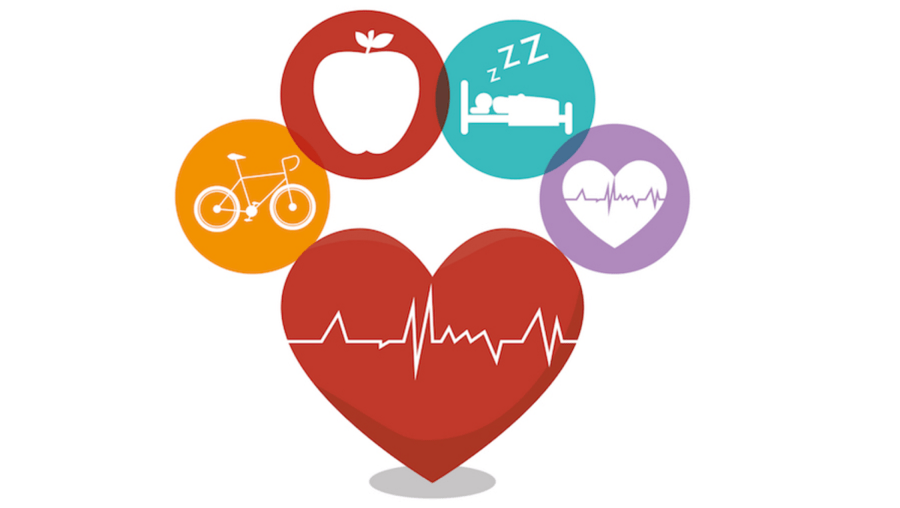
6. Cultivating a Healthy Lifestyle: Building a Resilient Foundation: A healthy lifestyle forms the foundation for stress management. A balanced diet, regular physical activity, and adequate sleep maintain optimal physical and mental health, contributing to increased energy, improved mood regulation, and enhanced resilience. This approach supports the biopsychosocial model, recognizing the interconnectedness of biological, psychological, and social factors.
7. Setting Healthy Boundaries: Protecting Personal Resources: Setting clear boundaries prevents burnout and protects mental and emotional resources. This involves politely declining overwhelming requests and prioritizing self-care, reflecting self-awareness and self-respect, crucial components of stress resilience.
8. Practicing Positive Self-Talk: Enhancing Self-Efficacy and Resilience: Negative self-talk amplifies stress. Challenging negative thoughts and replacing them with positive affirmations fosters a more resilient mindset. This cognitive restructuring modifies maladaptive thought patterns, enhancing self-esteem and self-efficacy.
9. Managing Technology Consumption: Promoting Mental Clarity and Rest: Excessive technology use contributes to stress and anxiety. Scheduling technology-free periods, disconnecting from work emails outside work hours, and engaging in non-screen activities promote relaxation and mental clarity.
10. Harnessing the Power of Humor: The Therapeutic Effects of Laughter: Laughter, a potent stress reliever, releases endorphins, reducing stress hormones and boosting mood. Incorporating humor into daily life counteracts stress.
11. Seeking Professional Guidance: Utilizing Expert Support: When stress is overwhelming, professional help is crucial. Therapists and counselors provide personalized strategies and support.
12. Engaging in Meaningful Activities: Finding Purpose and Fulfillment: Engaging in value-aligned activities provides purpose and reduces stress levels. Volunteering, pursuing hobbies, or creative pursuits contribute to resilience and well-being.
13. Nurturing Meaningful Connections: Strengthening Social Bonds: Strong social connections provide emotional support and belonging, crucial for stress management. Investing time in relationships enhances well-being and resilience.
14. Prioritizing Sleep Hygiene: Restoring and Rejuvenating: Sufficient, quality sleep is essential. Establishing a regular sleep schedule and optimizing the sleep environment contributes significantly to stress management and well-being.
15. Regular Physical Activity: Enhancing Physical and Mental Health: Regular exercise reduces stress hormones, improves mood, and promotes better sleep, a crucial aspect of proactive stress management.
Conclusions and Recommendations:
Effective stress management for men demands a holistic approach integrating diverse strategies. This article presented fifteen evidence-based techniques grounded in psychological theories and models. A comprehensive approach encompassing proactive self-care, strong social support, and healthy lifestyle choices builds resilience and fosters well-being. Future research should explore the efficacy of these techniques across diverse male populations, analyzing their impact on various health outcomes. These strategies are applicable in workplace wellness programs and public health initiatives, promoting men's mental health. Recommendations include developing tailored interventions for specific age groups and occupational settings. Longitudinal studies investigating the long-term effects on stress levels, mental health, and quality of life are needed. Furthermore, research examining cultural influences on stress management practices in diverse settings will enhance intervention effectiveness. A mixed-methods approach, combining quantitative data on stress levels and qualitative data on lived experiences, could provide a more nuanced understanding of the effectiveness of these strategies and their applicability across different contexts.
Reader Pool: What additional strategies or modifications to the presented approaches would you suggest to enhance their effectiveness in diverse cultural and socioeconomic contexts for men's stress management?


No comments yet. Be the first to share your thoughts!