
Holistic Pain Management in Geriatric Populations: A Multifaceted Approach to Enhanced Well-being
Chronic pain significantly diminishes the quality of life for older adults, necessitating comprehensive and patient-centered management strategies. This article proposes a holistic approach, integrating the biopsychosocial model, self-efficacy theory, and principles of collaborative care to mitigate discomfort and improve overall well-being in this vulnerable population. Key concepts, including the biopsychosocial model (emphasizing the interplay of biological, psychological, and social factors in pain experience), self-efficacy theory (highlighting the role of individual belief in their ability to manage pain), and patient-centered care (prioritizing individual needs and preferences in treatment), will guide our exploration of effective pain management strategies.
1. Establishing a Baseline: Comprehensive Biopsychosocial Assessment. Effective pain management initiates with a thorough biopsychosocial assessment. This entails a detailed evaluation of biological factors (pain intensity, location, duration, physiological markers), psychological factors (mood, anxiety levels, coping mechanisms, pain catastrophizing), and social factors (social support networks, environmental influences, lifestyle). The biopsychosocial model serves as the theoretical framework, guiding the identification of interconnected influences on the patient's pain experience. For instance, a patient's reported pain might be amplified by underlying depression (psychological) and limited social interaction (social), necessitating interventions targeting all three dimensions. This assessment leverages validated instruments, such as the Pain Catastrophizing Scale and the Geriatric Depression Scale, alongside clinical interviews, to provide a nuanced understanding.
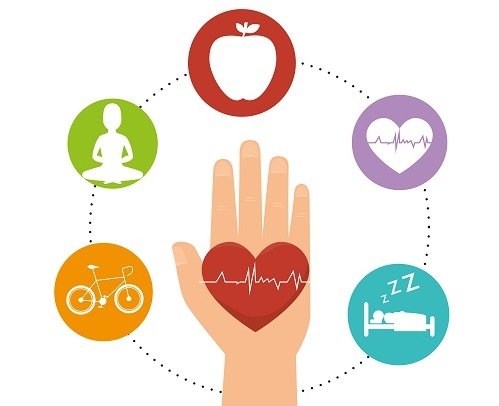
2. Enhancing Physical Function: Therapeutic Exercise and Movement Programs. Tailored exercise programs, adhering to the principles of progressive overload and guided by physical therapy expertise, are crucial. Interventions like aquatic therapy, tai chi, or chair yoga enhance physical function, increase strength and flexibility, and stimulate endorphin release, thereby reducing pain perception. The application of self-efficacy theory is paramount; successful engagement strengthens patient confidence, fostering long-term adherence to the exercise regimen and subsequently reducing pain. Regular program evaluation and adjustments are essential to maintain safety and efficacy.
3. Optimizing Physiological Processes: Nutritional Interventions and Hydration Strategies. A balanced diet, rich in anti-inflammatory components (e.g., fruits, vegetables, omega-3 fatty acids), coupled with adequate hydration, is paramount. Inflammation's significant contribution to chronic pain necessitates a registered dietitian's involvement in designing personalized nutritional plans. Proper nutrition supports tissue repair and overall health, directly impacting pain reduction and improved functional capacity. Addressing nutritional deficiencies and ensuring optimal hydration support the body's inherent healing mechanisms.
4. Addressing the Psychosocial Aspects: Mind-Body Interventions. Stress and anxiety significantly exacerbate pain perception. Mindfulness-based stress reduction (MBSR), cognitive behavioral therapy (CBT), and other mind-body techniques (meditation, yoga, progressive muscle relaxation) effectively regulate the nervous system, reduce stress hormones, and improve pain coping skills. These interventions directly target the psychological and social components of the biopsychosocial model. Success depends on cultivating self-efficacy and providing consistent support.
5. Implementing a Balanced Pharmacological Approach. Pharmacological interventions require cautious consideration, emphasizing responsible and individualized prescribing. Opioid use should be minimized due to potential adverse effects and addiction risk. A multimodal approach, incorporating non-opioid analgesics, antidepressants, or anticonvulsants based on pain type, often provides superior outcomes with reduced side effects. Clinicians play a crucial role in educating patients about medication effects, potential side effects, safe usage, and emphasizing adherence and regular monitoring of efficacy and safety.
6. Expanding Treatment Modalities: Complementary and Integrative Medicine. Complementary therapies, such as acupuncture, massage therapy, or chiropractic care, can be valuable additions to conventional treatment, particularly for addressing specific pain symptoms. However, their integration must adhere to evidence-based practice and patient preferences, prioritizing the qualifications and licensing of practitioners to ensure patient safety and transparency.
7. Enhancing Functional Independence: Assistive Devices and Environmental Modifications. Assistive devices (canes, walkers, adaptive equipment) enhance mobility, reduce strain, and promote independence. Occupational therapy assessments guide the selection of appropriate assistive technology. Home modifications (improved lighting, grab bars, hazard removal) optimize safety and minimize pain-inducing physical stress, directly addressing environmental barriers and promoting functional independence.
8. Promoting Active Participation: Patient Empowerment and Self-Management. Actively engaging older adults in their pain management is crucial. Strategies like pain diaries, goal setting, and activity pacing foster patient control. Educating patients about their condition, treatment options, and self-management techniques (pain journaling, relaxation techniques) cultivates self-efficacy and adherence. This collaborative approach, aligned with patient-centered care, leads to improved outcomes.
9. Mitigating Social Isolation: Social Support and Community Engagement. Strong social connections provide essential emotional support. Encouraging social activities and support groups combats isolation, a common consequence of chronic pain. Connecting with family, friends, and community groups significantly enhances overall well-being, reducing stress and anxiety, thereby indirectly impacting pain perception.
10. Addressing Co-occurring Conditions: Integrated Mental Health Care. Depression and anxiety frequently co-occur with chronic pain, creating a negative feedback loop. Integrated mental health support (therapy, counseling) addresses these comorbidities, offering coping strategies and improving overall well-being, reinforcing the biopsychosocial model's emphasis on interconnected physical and mental health.
11. Ensuring Ongoing Effectiveness: Continuous Monitoring and Plan Adjustment. Regular evaluation and plan adjustments based on patient progress, pain levels, and evolving needs are essential. This dynamic approach ensures the plan remains relevant and effective. Open communication between the patient and healthcare team is paramount for successful adaptation.
12. Optimizing Care Delivery: A Collaborative Care Model. A multidisciplinary team, including physicians, physical therapists, occupational therapists, psychologists, and other specialists as needed, provides comprehensive care. Each professional contributes unique expertise, resulting in coordinated and individualized care, reflecting core patient-centered care principles.
Conclusion and Recommendations: Effective chronic pain management in older adults demands a holistic, individualized, and patient-centered approach grounded in the biopsychosocial model, self-efficacy theory, and collaborative care principles. A multidisciplinary team should implement a combined pharmacological and non-pharmacological intervention strategy, encompassing exercise, nutritional optimization, mind-body techniques, and social support. Regular assessments, ongoing patient education, and collaborative care are crucial for optimal outcomes. Future research should focus on developing and evaluating more targeted interventions based on specific pain subtypes and patient characteristics, particularly investigating the impact of interventions on patient self-efficacy and quality of life. The potential of digital health technologies for remote monitoring and support warrants further investigation. This comprehensive approach promises significant improvements in pain management and quality of life for older adults suffering from chronic pain.
Reader Pool: Considering the complexities inherent in geriatric chronic pain management, how can healthcare systems effectively integrate the various components of a holistic approach to maximize accessibility and efficacy of care?


No comments yet. Be the first to share your thoughts!