
Mary, Mother of the Church: A Foundational Pillar of Ecclesial Unity
Introduction: Defining Key Concepts
This essay explores the multifaceted role of Mary, Mother of God, within the Catholic Church, focusing on her significance as a unifying figure. We will analyze her role through theological lenses, examining biblical accounts, theological pronouncements (such as the declaration of Mary as "Mother of the Church"), and the impact of Marian devotion on ecclesial cohesion. Key concepts to be explored include Mariology (the theological study of Mary), Ecclesiology (the study of the Church), and the application of Social Identity Theory to understand the unifying function of shared religious beliefs and practices.
Mary's Theological Role and Scriptural Foundation
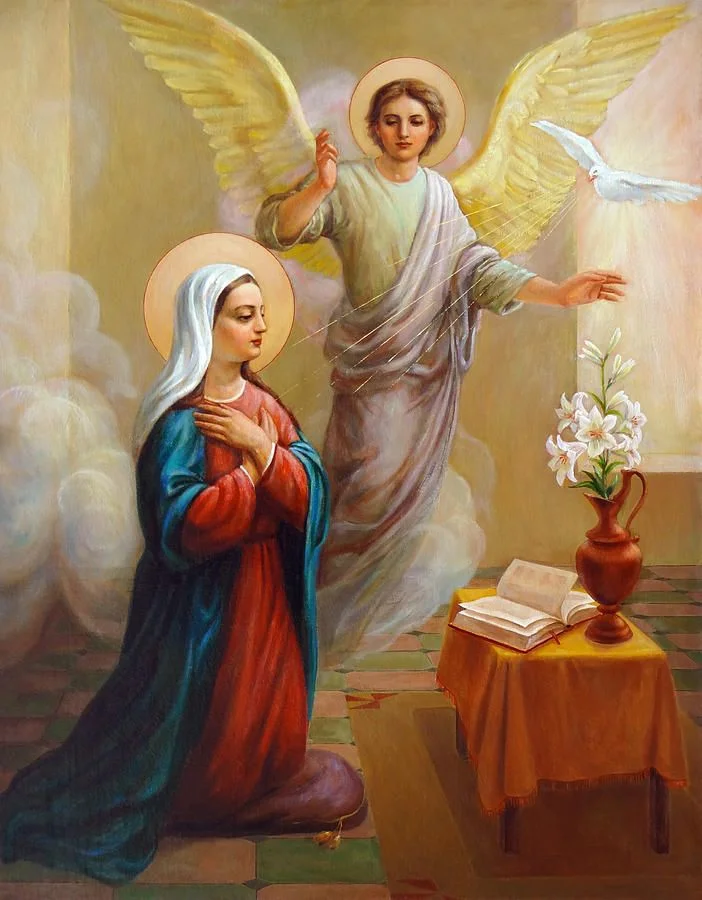
Catholic theology positions Mary as pivotal in salvation history. Her acceptance of God's will, as articulated in the Annunciation (Luke 1:28), signifies her complete surrender to the divine plan. This act of faith, encapsulated in her "fiat" ("Let it be"), is a foundational element of Christian theology. Furthermore, Mary's Magnificat (Luke 1:46-55) reflects a profound understanding of God's saving grace and foreshadows the redemptive work of Christ. Analyzing these biblical accounts through a christocentric lens reveals Mary's essential role in the Incarnation and the subsequent establishment of the Church. This approach is grounded in the principle of Sola Scriptura (Scripture alone), although interpreted within the Catholic framework of tradition and magisterial pronouncements.
Mary as "Mother of the Church": A Theological and Ecclesiological Analysis
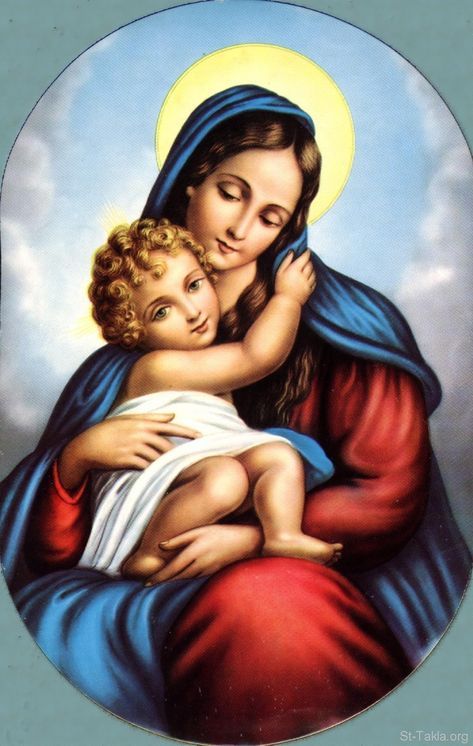
The declaration of Mary as "Mother of the Church" by Pope Paul VI in 1964 signifies her spiritual motherhood extending beyond Jesus to the entire Christian community. This title emphasizes her continuous intercession for the Church, providing a unifying spiritual focal point for believers. Viewing this declaration through the lens of Ecclesiology highlights how Mary's role serves as a unifying symbol, strengthening the bonds of faith among members. The concept of spiritual motherhood provides a powerful metaphor for the nurturing and protective role of the Church itself. This resonates with the sociological concept of social capital, enhancing the sense of belonging and shared identity within the community.
The Impact of Marian Devotion on Ecclesial Unity
Marian devotions, such as the Rosary and the veneration of Marian apparitions (e.g., Guadalupe, Fatima), foster a shared experience among Catholics globally. These practices provide a tangible means for expressing faith and building communal bonds. This can be interpreted through the lens of Social Identity Theory, which posits that shared group membership and practices contribute to a strengthened sense of collective identity and unity. This shared identity acts as a cohesive force, transcending geographical boundaries and cultural differences. The diverse expressions of Marian devotion throughout history and across cultures further illustrate the unifying power of this shared faith.
Mary as a Model of Holiness and Obedience: A Spiritual and Ethical Framework
Mary's unwavering faith and obedience serve as a model for all believers. Her willingness to accept God's will, despite the profound implications, provides an example of radical faith and trust. Her life, viewed through a lens of Virtue Ethics, showcases the importance of virtues such as humility, obedience, and faith. The emphasis on Mary's virtues acts as an aspirational ideal within the Church, providing a concrete and relatable model for spiritual growth and development. Her example fosters spiritual emulation, promoting internal coherence and a unified pursuit of holiness within the Catholic community.
Mary and the Eucharist: A Sacramental Connection
The connection between Mary and the Eucharist is deeply symbolic and theologically significant. Her role in the Incarnation links her inextricably to the sacramental presence of Christ in the Eucharist. The Church celebrates the Mass remembering her role in giving Christ to the world. This highlights the central importance of the Eucharist in the life of the Church and its unifying effect on the Catholic community. Applying the concept of sacramental theology, this reveals a profound theological link between Mary and the core of Catholic worship and devotion. This shared participation in the Eucharist strengthens the unity of the community.
Conclusion and Recommendations
The examination of Mary's role reveals her profound significance as a unifying figure within the Catholic Church. Her theological position, the tradition of Marian devotion, and her symbolic representation as "Mother of the Church" all contribute to a strengthened sense of collective identity and shared faith. Further research could explore the impact of Marian devotion on different cultural contexts and investigate the role of Mary in promoting interfaith dialogue. The findings of this essay suggest that fostering Marian piety and promoting a deeper understanding of her theological significance can strengthen ecclesial unity and promote a stronger sense of collective identity among Catholics worldwide. This includes fostering greater understanding across different theological viewpoints within the church.
Reader Pool:
Considering the presented theological and sociological analyses, how might a deeper understanding of Mary's role contribute to addressing contemporary challenges to ecclesial unity within the Catholic Church?


No comments yet. Be the first to share your thoughts!