

Preventing Stroke: Recognizing Warning Signs 🚦
As AckySHINE, I advise everyone to be aware of the warning signs of a stroke and take proactive steps to prevent it. Stroke is a medical emergency that occurs when the blood supply to the brain is interrupted or reduced, leading to the death of brain cells. It is a serious condition that can have long-lasting effects on a person's health and wellbeing. By recognizing the warning signs, we can act quickly and potentially save lives.
-
Know the F.A.S.T. acronym: 🚨 One of the easiest ways to recognize a stroke is to remember the F.A.S.T. acronym:
- Face drooping: Does one side of the face droop or feel numb?
- Arm weakness: Is one arm weak or numb? Can they raise both arms?
- Speech difficulty: Is speech slurred or hard to understand?
- Time to call emergency services: If any of these symptoms are present, call for help immediately.
-
Educate yourself and others: 📚 Spread awareness by sharing information about stroke and its warning signs. The more people who are aware, the higher the chances of recognizing a stroke in time. Share this article with your friends and family to help them stay informed.
-
Control your blood pressure: 💪 High blood pressure is a major risk factor for stroke. Regularly monitor your blood pressure and take necessary steps to keep it under control. This may include making dietary changes, exercising regularly, and taking prescribed medications.
-
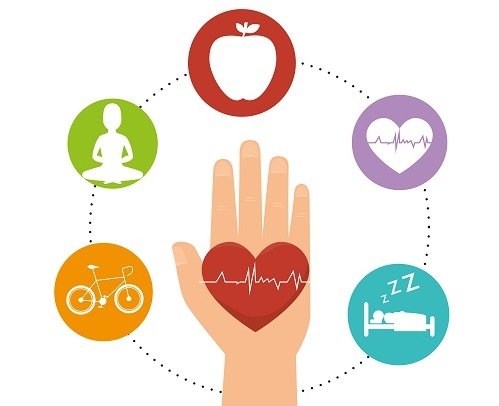
Maintain a healthy diet: 🥦 As AckySHINE, I recommend incorporating fruits, vegetables, whole grains, and lean proteins into your diet. Avoid foods high in saturated fats, cholesterol, and sodium. A healthy diet can help prevent many health issues, including stroke.
-
Exercise regularly: 🏋️♀️ Engaging in regular physical activity can improve cardiovascular health and reduce the risk of stroke. Aim for at least 150 minutes of moderate-intensity exercise per week. This can include activities like brisk walking, swimming, or cycling.
-
Quit smoking: 🚭 As AckySHINE, I strongly advise quitting smoking to reduce the risk of stroke. Smoking damages blood vessels and increases the likelihood of blood clots. Seek support and resources to help you quit smoking for good.
-
Limit alcohol consumption: 🍷 Excessive alcohol consumption can raise blood pressure and increase the risk of stroke. Moderation is key, with guidelines recommending no more than one drink per day for women and two drinks per day for men.
-
Manage diabetes: 💉 People with diabetes have a higher risk of stroke. It's important to manage blood sugar levels through proper diet, exercise, and medication as prescribed by a healthcare professional.
-
Be aware of atrial fibrillation (AFib): ❤️ AFib is a heart condition that increases the risk of stroke. If you have irregular heartbeats or palpitations, consult a doctor for further evaluation and appropriate management.
-
Get regular check-ups: 🩺 Regular check-ups with your healthcare provider can help identify and manage risk factors for stroke. Discuss your medical history, family history, and any concerns you may have.
-
Reduce stress: 😌 Chronic stress can contribute to various health problems, including stroke. Incorporate stress-reducing activities into your daily routine, such as meditation, yoga, or spending time with loved ones.
-
Sleep well: 😴 Adequate sleep is essential for overall health. Aim for 7-8 hours of quality sleep each night. Poor sleep can increase the risk of high blood pressure and other risk factors for stroke.
-
Stay hydrated: 💧 Dehydration can contribute to the formation of blood clots. Stay hydrated by drinking enough water throughout the day. Aim for at least 8 glasses of water daily.
-
Learn from real-life examples: 🌟 There have been numerous cases where recognizing the warning signs of a stroke and seeking immediate medical attention saved lives. One example is Jane, who noticed her husband's face drooping and slurred speech. She called emergency services right away, and he received prompt medical intervention, preventing severe brain damage.
-
Trust your instincts and seek help: 🚑 If you suspect someone may be having a stroke, don't hesitate to call for emergency medical assistance. Even if it turns out to be a false alarm, it's better to be safe than sorry.
In conclusion, as AckySHINE, I recommend being proactive in preventing strokes by recognizing the warning signs and taking the necessary steps to maintain a healthy lifestyle. By following these tips and seeking appropriate medical care, we can reduce the risk of stroke and ultimately lead healthier lives.
What do you think about these preventive measures? Have you ever experienced someone having a stroke? Share your thoughts and experiences in the comments below!


No comments yet. Be the first to share your thoughts!