
Understanding and Addressing Male Depression: A Guide to Hope and Healing
Men experience depression, often silently, due to societal pressures that equate emotional vulnerability with weakness. This comprehensive guide helps men recognize the signs of depression, understand the challenges they face, and empowers them to seek the support they need to begin their journey to healing.
The Stigma of Male Depression: Breaking the Silence
The traditional masculine ideal often discourages men from expressing emotions, creating a significant barrier to seeking help for depression. This ingrained societal expectation prevents open discussion and can lead to feelings of shame and isolation. It's crucial to challenge this harmful stereotype. Reaching out for help is a testament to strength, self-awareness, and a commitment to personal well-being, not a sign of weakness.
Recognizing the Signs: Identifying Depression in Men
Early identification of depression is crucial for effective treatment. While symptoms can vary, common indicators include persistent sadness or low mood, loss of interest or pleasure in activities once enjoyed (anhedonia), significant changes in appetite or sleep (insomnia or hypersomnia), fatigue, irritability, feelings of worthlessness or excessive guilt, and difficulty concentrating. If these symptoms persist for an extended period, professional help is essential. Don't hesitate to reach out to a healthcare professional if you or a loved one are experiencing these symptoms.
Communication is Key: The Power of Vulnerability
The reluctance to express vulnerability is a common obstacle for men battling depression. Suppressing emotions only exacerbates the condition. Finding a safe and trusted person—a close friend, family member, or mental health professional—to confide in can provide immense relief. Sharing your struggles fosters understanding, support, and initiates the crucial healing process. Open communication is a vital step towards recovery.
Seeking Professional Help: A Pathway to Recovery
While the support of loved ones is invaluable, professional guidance is often necessary for effective treatment. Mental health professionals, including therapists, counselors, and psychiatrists, possess the expertise to diagnose depression accurately and develop individualized treatment plans. They can provide evidence-based therapies, such as Cognitive Behavioral Therapy (CBT) or Interpersonal Therapy (IPT), and determine if medication is appropriate. Taking this proactive step is crucial in reclaiming mental well-being.
Tailoring Treatment: A Multifaceted Approach
Effective depression treatment isn't one-size-fits-all. A comprehensive approach often yields the best results. This may involve a combination of therapy, medication (antidepressants), lifestyle changes, and participation in support groups. Finding the right combination requires time and patience; work closely with your healthcare provider to adjust your treatment plan as needed.
Lifestyle Habits: Nurturing Your Well-being
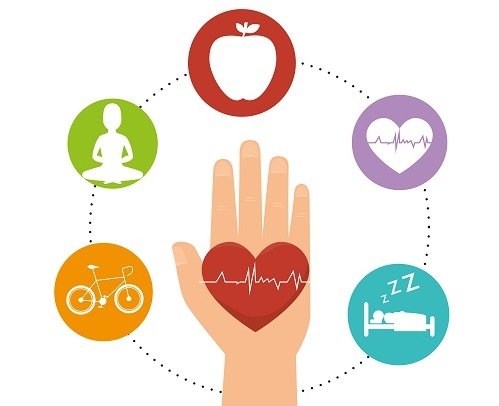
A healthy lifestyle profoundly impacts mental well-being. Regular exercise, a balanced diet rich in fruits and vegetables, and sufficient sleep are crucial components of a holistic approach. Engage in activities you enjoy, prioritize self-care, and implement stress management techniques like mindfulness or meditation. These habits contribute significantly to mood regulation and overall mental health.
Building Your Support System: Finding Your Tribe
A strong support network provides invaluable comfort and understanding. Connecting with others who share similar experiences combats feelings of isolation and fosters a sense of belonging. Consider joining men's support groups or online communities dedicated to mental health; these spaces offer a safe and supportive environment to share experiences and learn coping strategies.
Empowerment Through Education: Understanding Your Condition
Knowledge is power. Educating yourself about depression and mental health empowers you to take control of your well-being. Research reputable sources, attend workshops, or explore online courses on mental health topics. Understanding the causes, symptoms, and treatment options enables informed decisions about your care.
Goal Setting: Celebrating Your Progress
Setting realistic, achievable goals maintains momentum during recovery. Start small, celebrate each milestone, and gradually increase the challenge as you progress. This fosters positive self-perception and reinforces a sense of accomplishment, bolstering motivation and confidence.
Mindfulness and Stress Management: Calming Your Mind
Mindfulness practices, such as meditation and deep breathing exercises, are powerful tools for stress reduction. Regular practice can improve emotional regulation and contribute significantly to overall well-being. Incorporate these techniques into your daily routine to cultivate a calmer, more centered mindset.
Social Connection: Combating Isolation
Depression often leads to social withdrawal. Actively combat this by nurturing existing relationships and forging new connections. Engage in social activities, volunteer, or join clubs and groups aligned with your interests. Social interaction combats loneliness and promotes a sense of belonging.
Avoiding Self-Medication: Choosing Healthy Coping Strategies
Resist the temptation to self-medicate with alcohol or drugs. These substances provide temporary relief but exacerbate depression in the long run and can lead to addiction. Focus on healthy coping mechanisms, including exercise, mindfulness, and seeking professional support.
Cultivating Positivity: Focusing on Gratitude
Practicing gratitude by focusing on positive aspects of your life significantly improves your outlook. Keep a gratitude journal, express appreciation to others, and surround yourself with positive influences. This positive shift in perspective can counteract negative thought patterns associated with depression.
Consistent Monitoring and Adjustment: Staying on Track
Regularly monitor your progress. Keep a journal to track your mood, identify triggers, and assess the effectiveness of your treatment plan. This self-monitoring enables necessary adjustments and ensures you're on the right path to recovery. Regular check-ins with your therapist or doctor are essential.
Strength in Seeking Help: Embracing Your Well-being
Addressing male depression and seeking help is an act of courage and self-care. Remember, you're not alone. Numerous resources are available to support you on your journey to recovery. Take that first step, reach out for help, and embrace the hope for a brighter, healthier future. Your well-being is paramount.
Share your thoughts and experiences in the comments below. Let's continue the conversation and break the stigma surrounding male depression.





No comments yet. Be the first to share your thoughts!