
Energy Interdependence in South America: A Renewable Energy Revolution
The global energy transition, characterized by a shift away from fossil fuels towards sustainable alternatives, necessitates unprecedented levels of international cooperation. South America, possessing significant renewable energy resources, is uniquely positioned to spearhead this transition. This article examines the crucial role of regional collaboration in achieving energy security, mitigating climate change impacts, and fostering economic development within a South American context, leveraging relevant theoretical frameworks such as the Resource Curse theory and the theory of comparative advantage.
Harnessing Renewable Energy Potential: South America's wealth of untapped renewable energy potential—solar, wind, hydro, and geothermal—presents a unique opportunity for energy independence. This abundant resource base can be analyzed through the lens of the Resource Curse theory, which suggests that an abundance of natural resources can paradoxically hinder economic development if not properly managed. However, in this case, strategic resource management and international cooperation can mitigate this risk, transforming the abundance of renewable resources into a catalyst for sustainable growth. Development of this potential offers significant opportunities for economic diversification, job creation in green sectors, and reduced reliance on volatile fossil fuel markets, aligning with the principles of sustainable development.
Energy Security and Climate Change Mitigation through Regional Cooperation: Diversifying energy sources by investing in renewable energy infrastructure significantly enhances energy security, reducing vulnerability to global price shocks and supply chain disruptions. This aligns with the principles of portfolio diversification in finance, reducing systemic risk by spreading investments across various sources. Concurrently, this renewable energy transition dramatically curtails greenhouse gas emissions, playing a crucial role in mitigating climate change according to established climate models and principles. This collaborative approach promotes environmental sustainability, benefiting the entire region.
Economic Growth and Regional Integration: The development of renewable energy infrastructure stimulates economic growth across numerous sectors, generating “green jobs” and attracting foreign direct investment (FDI) (Porter’s Diamond Model). North and South American nations can maximize these economic gains through collaborative infrastructure projects, knowledge-sharing initiatives, and technology transfer, fostering regional economic integration and strengthening international ties. This synergy is well-explained by the theory of comparative advantage, where nations specialize in areas where they have a relative advantage, leading to greater overall efficiency and economic gains through trade and collaboration.
Infrastructure Development and Interconnected Grids: Interconnecting national energy grids enhances regional energy security by facilitating resource sharing during periods of peak demand or supply shortages. This requires substantial investment in modernizing infrastructure, a challenge most effectively addressed through joint initiatives leveraging pooled resources and expertise. Such collaborations accelerate renewable energy infrastructure development while improving efficiency and reducing costs, leveraging economies of scale.
Technological Innovation via Joint Research and Development: Joint research and development efforts drive technological innovation in renewable energy technologies. Collaborative knowledge sharing and resource pooling accelerate breakthroughs in energy efficiency, storage, and generation. This shared pursuit of innovation positions the region at the forefront of sustainable energy solutions, promoting technological leadership and competitiveness in the global market.
Geopolitical Stability and Social Equity: Reduced fossil fuel dependence minimizes the risk of geopolitical tensions and resource conflicts, fostering regional political stability and enhancing cooperation. Simultaneously, expanding renewable energy access addresses energy poverty by providing affordable and reliable energy to underserved communities, improving living standards, and promoting social equity. This alignment with social justice objectives is crucial for the long-term success of the energy transition.
Resilience and Disaster Risk Reduction: Renewable energy infrastructure exhibits greater resilience to natural disasters compared to conventional energy systems. Investing in distributed generation and resilient grid designs enhances the region's capacity to withstand and recover from extreme weather events, ensuring sustained energy access during crises. This is particularly relevant in regions prone to seismic or weather-related disasters.
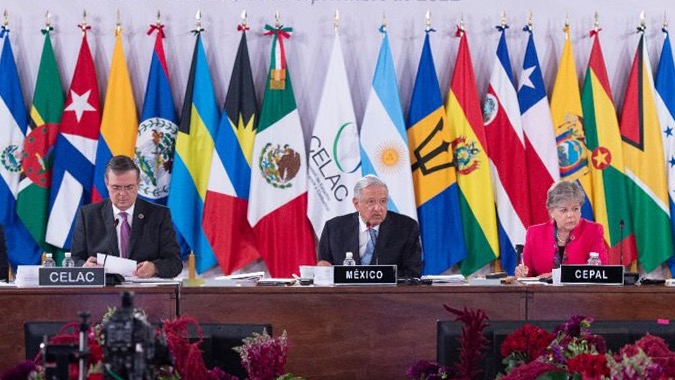
Strengthening Multilateral Cooperation Mechanisms: Organizations like the Organization of American States (OAS) and the Community of Latin American and Caribbean States (CELAC) play crucial roles in fostering multilateral cooperation on energy issues. Strengthening these institutions and promoting regional dialogue are essential for policy coordination, regulatory harmonization, and the facilitation of cross-border energy projects. This coordinated approach is vital for overcoming potential barriers to regional integration.
Diplomacy, Capacity Building, and Sustainable Development: Energy cooperation serves as a catalyst for improved diplomatic relations and enhanced international collaboration. Joint energy projects foster trust, strengthen inter-state ties, and create a foundation for broader cooperation in other critical areas. Simultaneously, investing in education and capacity-building programs ensures a skilled workforce capable of managing and sustaining the renewable energy transition, contributing significantly to the goal of sustainable development.
Conclusion and Recommendations: The transition to a sustainable energy future in South America hinges on embracing regional energy interdependence. Harnessing the region's abundant renewable resources and fostering robust collaborative partnerships are crucial for achieving energy security, mitigating climate change, and promoting economic prosperity. This necessitates a concerted effort from governments, businesses, and civil society to collaborate, innovate, and invest in a shared vision of a renewable energy-powered future. Further research should focus on modeling the optimal pathways for regional energy integration, including detailed cost-benefit analyses and assessments of the social and environmental impacts of different renewable energy deployment strategies. Moreover, initiatives for knowledge transfer and capacity building are essential to ensure the long-term sustainability of these efforts. The focus on regional cooperation must extend to broader policies for sustainable development, ensuring the equitable distribution of benefits and mitigating potential risks.
Reader Pool: What are the key socio-political challenges that could hinder the successful implementation of a large-scale renewable energy project in South America, and how can these challenges be addressed through effective policy design and regional cooperation?



No comments yet. Be the first to share your thoughts!