
Nurturing a Sustainable United States of Africa: A Pan-African Environmental Strategy
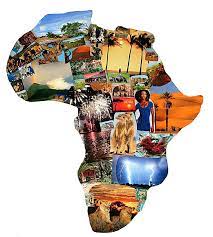
This paper proposes a comprehensive strategy for environmental sustainability within a unified African framework, conceptualizing the "United States of Africa" as a catalyst for transformative change. We define key concepts: Pan-Africanism, referring to the political ideology emphasizing unity and solidarity among African nations; sustainable development, encompassing economic growth, social equity, and environmental protection; and eco-centric governance, prioritizing environmental considerations in all policy decisions. This strategy leverages established theories like the Dependency Theory (highlighting the need to reduce reliance on external aid) and the Resource Curse theory (addressing responsible resource management). Furthermore, we apply the principles of the diffusion of innovations theory to foster the adoption of sustainable practices. The implementation of this strategy necessitates a multi-faceted approach, leveraging diverse principles, theories, models, and concepts.
1. Establishing a Pan-African Economic Community: This involves fostering economic integration through the creation of a robust free trade area, modeled on successful regional blocs such as the European Union. This strategy directly addresses the limitations imposed by fragmented economies, enabling economies of scale and reducing inter-state economic competition, promoting regional competitiveness. This aligns with the principles of neoclassical economics, emphasizing market-based solutions for prosperity.
2. Promoting Good Governance and Democratic Consolidation: The establishment of robust democratic institutions, upholding the rule of law, and ensuring transparency and accountability at all levels of government are crucial. This builds on the principles of institutional economics and contributes to a stable environment conducive to sustainable development. This fosters trust, reduces corruption and improves governance effectiveness. It promotes social equity and builds trust, thus minimizing political instability.
3. Sustainable Resource Management and the Circular Economy: This necessitates the adoption of a circular economy model, minimizing waste generation and maximizing resource utilization through recycling and reuse. This will reduce the environmental impacts associated with resource extraction and consumption, in line with the principles of ecological economics. This approach specifically counters the Resource Curse by ensuring responsible use of natural resources.
4. Transitioning to Renewable Energy: Investment in renewable energy sources, such as solar, wind, and geothermal power, is essential to reduce reliance on fossil fuels, mitigate climate change, and create green jobs. This aligns with the principles of sustainable energy transitions and contributes to energy security and reduces greenhouse gas emissions.
5. Investment in Environmental Education and Capacity Building: This involves implementing comprehensive environmental education programs at all levels, fostering environmental stewardship and empowering communities to actively participate in conservation efforts. Human capital theory demonstrates the importance of investing in education to enhance productivity and innovation.
6. Promoting Green Innovation and Entrepreneurship: Support for green businesses and entrepreneurs is crucial for creating a sustainable economy. This aligns with Schumpeter's theory of creative destruction, emphasizing innovation as a driver of economic growth.
7. Strengthening Biodiversity Conservation: The establishment of protected areas and the implementation of effective conservation strategies are vital for preserving Africa's rich biodiversity. This will contribute to ecological sustainability and support ecotourism, a sector with significant economic potential. Applying the principles of conservation biology is crucial to ensure the long-term health of ecosystems.
8. Sustainable Agricultural Practices: Transitioning towards sustainable agricultural practices, such as agroecology and precision agriculture, is essential to enhance food security and protect environmental resources. This approach aligns with the principles of sustainable agriculture and contributes to improved soil health and reduced environmental degradation.
9. Strategic Partnerships and International Collaboration: Developing strong partnerships with international organizations and governments is vital to leverage external expertise and funding. This approach uses the principles of international cooperation and facilitates knowledge transfer, improving governance capacity and fostering a collaborative approach to environmental sustainability.
10. Knowledge Sharing and Capacity Building: This involves fostering a network of knowledge exchange, sharing best practices, and strengthening institutional capacity within the United States of Africa framework. This approach is underpinned by social learning theory, recognizing the collective intelligence of different stakeholders. This includes creating a knowledge-sharing platform among African nations to facilitate the exchange of successful strategies and best practices for sustainable development.
Conclusions and Recommendations: The formation of a United States of Africa presents a unique opportunity to achieve sustainable development across the continent. The proposed strategy, drawing upon various economic, political, and environmental theories, offers a practical framework for achieving this goal. Success necessitates strong political will, significant investment in human and physical capital, and a commitment to good governance and regional cooperation. Further research should explore the specific institutional arrangements needed to implement this strategy, the role of different stakeholders, and mechanisms for conflict resolution. Monitoring and evaluation frameworks should be established to track progress and identify areas requiring adjustments. The strategy's success hinges on overcoming political barriers, fostering economic integration and securing funding for infrastructure development and capacity building. The application of these models, principles, and concepts will foster a cohesive and sustainable environment, attracting foreign investment, and reducing dependence on external aid.
Reader Pool: To what extent do you believe the proposed strategies for fostering a sustainable United States of Africa are feasible, considering the existing political and economic landscapes across the continent?


No comments yet. Be the first to share your thoughts!