
Conquering Stress: A Holistic Approach to Men's Well-being
Contemporary society presents significant challenges to men's well-being, demanding high performance across professional, familial, and social domains. This constant pressure can lead to chronic stress, negatively impacting both mental and physical health. Understanding and implementing effective stress management strategies is therefore crucial for navigating these demands and fostering a thriving life. This guide presents fifteen evidence-based approaches to enhance resilience and cultivate a healthier, happier existence, drawing upon established psychological models and principles.
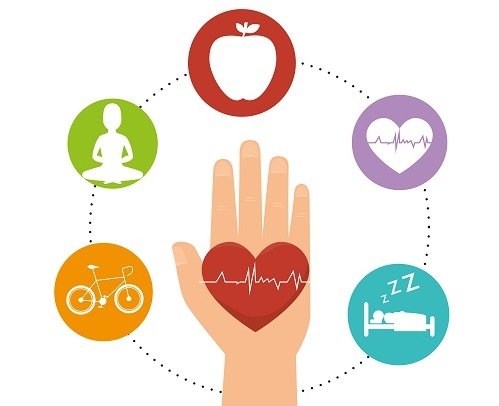
1. Cultivating a Healthy Lifestyle: A robust physical foundation underpins effective stress management. This involves adhering to a balanced nutritional plan, engaging in regular physical activity (consistent with the recommendations of the World Health Organization), and ensuring adequate restorative sleep (7-9 hours per night). These actions directly influence mood regulation, energy levels, and overall resilience, significantly mitigating stress responses. This approach aligns with the biopsychosocial model, recognizing the interplay between biological, psychological, and social factors in well-being.
2. Implementing Time Management Strategies: Effective time management is pivotal in reducing stress levels. The application of techniques like prioritization matrices (Eisenhower Matrix), time blocking, and delegation can optimize workflow, reduce feelings of overwhelm, and promote a healthier work-life balance. This approach draws upon principles of organizational psychology, optimizing individual performance and reducing burnout.
3. Leveraging Mindfulness and Meditation: Mindfulness-based stress reduction (MBSR) techniques, involving focused attention on the present moment (e.g., breath awareness), can effectively reduce anxiety and improve emotional regulation. Regular practice, even in short sessions, demonstrably alters brain activity, reducing the reactivity of the amygdala (associated with the stress response). This aligns with the principles of cognitive behavioral therapy (CBT), modifying maladaptive thought patterns and emotional responses.
4. Fostering Supportive Social Connections: Strong social support networks are critical for resilience. Actively cultivating meaningful relationships with family, friends, and community groups provides emotional buffering against stress. Social support theory highlights the protective effects of social connectedness on mental health and well-being, reducing feelings of isolation and providing practical assistance during challenging times.
5. Setting Realistic and Achievable Goals: The application of goal-setting theory emphasizes the importance of establishing specific, measurable, achievable, relevant, and time-bound (SMART) goals. Breaking down larger objectives into smaller, manageable steps fosters a sense of accomplishment and prevents feelings of being overwhelmed. This approach enhances self-efficacy and reduces stress associated with unattainable expectations.
6. Mastering Stress-Reducing Techniques: Incorporating regular stress-reducing activities is crucial. These may include progressive muscle relaxation, yoga, spending time in nature (supported by research on the restorative effects of natural environments), listening to calming music, or engaging in hobbies. These techniques activate the parasympathetic nervous system, counteracting the physiological effects of the stress response.
7. Practicing Effective Communication and Boundary Setting: Assertive communication skills are essential for managing interpersonal stress. Learning to clearly express needs and boundaries, and respectfully declining requests that compromise well-being, prevents overcommitment and reduces conflict. This approach aligns with principles of interpersonal effectiveness, fostering healthy relationships and reducing stress stemming from unmet expectations or conflicting demands.
8. Cultivating Positive Self-Talk and Cognitive Restructuring: Challenging negative self-talk and replacing it with positive affirmations is a core component of CBT. This involves identifying and reframing negative thought patterns that contribute to stress and anxiety. This technique directly addresses cognitive distortions and promotes a more balanced and resilient self-perception.
9. Prioritizing Self-Care Activities: Engaging in activities that promote relaxation and rejuvenation is crucial for maintaining well-being. This might include regular exercise, hobbies, spending time in nature, or engaging in mindfulness practices. These activities replenish resources, promoting emotional and physical recovery, and preventing burnout.
10. Utilizing Deep Breathing Exercises: Diaphragmatic breathing techniques activate the parasympathetic nervous system, counteracting the physiological effects of stress. Regular practice reduces heart rate and blood pressure, promoting a state of relaxation and reducing anxiety.
11. Managing Alcohol Consumption: While alcohol may offer temporary stress relief, it is not a sustainable solution. Excessive alcohol consumption exacerbates stress and poses significant health risks. Seeking healthy coping mechanisms and professional support when needed is vital for long-term well-being.
12. Disconnecting from Technology: Regular disconnection from digital devices reduces overstimulation and promotes mental clarity. Establishing technology-free periods throughout the day allows for mental restoration and reduces anxiety associated with constant connectivity.
13. Harnessing the Power of Humor: Engaging in activities that elicit laughter releases endorphins, improving mood and reducing stress hormones. Humor acts as a powerful buffer against stress, promoting positive emotions and enhancing resilience.
14. Seeking Professional Support: If stress becomes overwhelming or unmanageable, seeking professional guidance is crucial. Therapists and counselors provide personalized strategies, including CBT, to help develop effective coping mechanisms and manage underlying mental health conditions.
15. Embracing Regular Physical Activity: Engaging in consistent physical activity releases endorphins, reduces stress hormones, and improves mood. Regular exercise is a cornerstone of a holistic stress management plan, promoting both physical and mental health.
Conclusions and Recommendations: This guide highlights the multifaceted nature of stress management, emphasizing the importance of a holistic approach that integrates lifestyle changes, psychological techniques, and social support. Future research could explore the effectiveness of tailored interventions for specific demographic groups and investigate the long-term impact of combined stress management strategies. The application of these techniques can significantly improve men's mental and physical well-being, leading to increased productivity, stronger relationships, and a greater sense of life satisfaction. The effectiveness of these strategies is dependent on individual commitment and consistent application. Regular self-assessment and adjustments to the chosen methods are essential for sustained success.
Reader Pool: Considering the presented stress management techniques, what additional strategies or considerations would you suggest to enhance the overall effectiveness of this approach for men facing diverse life challenges?





No comments yet. Be the first to share your thoughts!