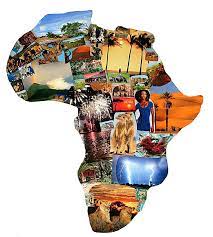
Investing in Infrastructure: Building the Backbone of the United States of Africa
Welcome Back.
Updated at: 2023-08-07 06:46:39 (2 years ago by Melkisedeck Leon Shine)
Investing in Infrastructure: Building the Backbone of the United States of Africa 🌍
The dream of a united Africa has long been cherished by many Africans. The concept of a single sovereignty body, known as the United States of Africa, holds the promise of uniting our diverse continent and harnessing our collective strength. To achieve this ambitious goal, it is crucial that we invest in the infrastructure that will serve as the backbone of this united entity. In this article, we will explore strategies towards the formation of the United States of Africa and shed light on the path to African unity.
1️⃣ Political Unity: The first step towards the formation of the United States of Africa is political unification. African nations must prioritize the establishment of a united governing body that represents the interests of all Africans.
2️⃣ Economic Integration: Economic integration is essential for the success of the United States of Africa. By creating a common market and eliminating trade barriers, we can promote economic growth and prosperity for all Africans.
3️⃣ Infrastructure Development: Investing in infrastructure is vital to connect African nations and facilitate the movement of people, goods, and ideas. Building a robust network of roads, railways, airports, and ports will strengthen economic ties and promote unity.
4️⃣ Energy Independence: Africa is blessed with abundant natural resources, including vast reserves of oil, gas, and renewable energy sources. By harnessing these resources, we can achieve energy independence and fuel the growth of the United States of Africa.
5️⃣ Education and Skills Development: A united Africa requires a skilled and educated workforce. We must invest in quality education and skills development programs to empower our youth and equip them with the tools they need to build the United States of Africa.
6️⃣ Cultural Exchange: Embracing our rich cultural diversity is essential for building a united Africa. By promoting cultural exchange programs and celebrating our shared heritage, we can foster a sense of belonging and unity among Africans.
7️⃣ Peace and Stability: Peace and stability are the cornerstones of any successful nation. African nations must work together to resolve conflicts, promote diplomacy, and establish a secure environment for the United States of Africa to thrive.
8️⃣ Collaboration with International Partners: African unity does not mean isolation from the world. On the contrary, it is essential to collaborate with international partners who can contribute to the development of the United States of Africa and share their expertise.
9️⃣ Learning from the European Union: The European Union serves as an inspiring example of regional integration. We can learn from their successes and challenges to shape the formation of the United States of Africa.
🔟 Quotes from African Leaders:
1️⃣1️⃣ Inviting and Encouraging Readers: The formation of the United States of Africa is not an impossible dream. It is within our reach if we unite and work towards a common goal. I invite you to develop your skills and knowledge on strategies towards African unity, and together, we can make the dream of the United States of Africa a reality.
1️⃣2️⃣ Follow-up Questions: What steps can individual Africans take to contribute to the formation of the United States of Africa? How can we overcome the challenges that may arise during this process?
1️⃣3️⃣ Sharing the Article: I encourage you to share this article with your friends, family, and fellow Africans. Together, we can spread the message of African unity and inspire others to join us on this journey towards the United States of Africa.
1️⃣4️⃣ Conclusion: Investing in infrastructure is not just about building roads and bridges. It is about laying the foundation for a united Africa, where all Africans can thrive and prosper. Let us seize this opportunity and work towards the formation of the United States of Africa, a beacon of hope and unity for generations to come.
1️⃣5️⃣ Let's unite and build the United States of Africa, for a brighter future for all Africans! 🌍💪🏾
Updated at: 2025-05-05 04:54:28 (7 months ago by Melkisedeck Leon Shine)
```htmlThis article explores the multifaceted pathways towards the establishment of a unified "United States of Africa," examining the crucial interplay between cultural preservation and socio-political integration. Key concepts underpinning this analysis include Pan-Africanism – a broad ideology emphasizing African solidarity and unity; political and economic liberalization – the processes of transitioning towards free and fair governance and market-based economies; and institutional capacity building – strengthening governance structures for effective continental management.
The Foundation of Pan-African Unity: The aspiration for a united Africa is deeply rooted in the historical struggles for self-determination and the recognition of shared identity and destiny. The articulation of this vision by historical figures like Kwame Nkrumah and Nelson Mandela serves as a powerful inspiration, emphasizing the collective strength inherent in a unified continent. This drive towards unity can be conceptualized through the lens of functionalism, a theoretical framework suggesting that cooperation in specific areas (e.g., trade, security) can foster broader political integration. The success of the European Union, for example, provides a compelling case study in the potential benefits of regional integration, highlighting the importance of shared goals, open communication, and collaborative mechanisms.
Economic and Political Liberalization as Catalysts for Unity: The path to a unified Africa necessitates a commitment to economic and political liberalization. Economic liberalization, based on principles of free trade and market efficiency, will foster economic growth and shared prosperity across the continent. This approach leverages comparative advantage principles, stimulating specialization and trade, thus promoting mutual economic benefit. Political liberalization, grounded in democratic principles, human rights, and good governance, is equally crucial. This entails fostering inclusive political systems that ensure representation and accountability, thereby enhancing stability and legitimacy. These two pillars are interconnected; economic prosperity can strengthen democratic institutions, and stable political systems create a conducive environment for economic growth. This synergy aligns with modernization theory, which suggests that economic development and democratic governance are mutually reinforcing.
The Critical Role of Cultural Preservation: The preservation of Africa's rich cultural heritage is not merely an adjunct to political and economic integration; it is a fundamental cornerstone. The establishment of an African Cultural Heritage Agency becomes crucial for safeguarding traditions, languages, and customs, ensuring the transmission of cultural identity across generations. This agency would function based on principles of cultural diplomacy, promoting understanding and appreciation of diverse African cultures both within the continent and globally. This approach recognizes the cultural diversity as a source of strength rather than a barrier to unity. Its success depends on the application of relevant safeguarding frameworks and policies informed by UNESCO guidelines and principles of cultural sustainability.
Building Capacity Through Regional and Continental Institutions: The creation of a United States of Africa requires strengthening regional and continental institutions. Robust governance structures are essential to ensure effective coordination, transparency, and accountability across the continent. This process involves capacity building initiatives focused on institutional reform, human resource development, and enhancing governance capacity. Such capacity building can be informed by best practices of successful regional organizations and tailored to the specific needs and challenges of the African context. This aligns with the principles of institutionalism, emphasizing the importance of strong, well-functioning institutions in promoting stability and cooperation.
Harnessing the Power of Youth and Technology: Engaging the African youth is critical. Their energy, innovation, and perspectives are indispensable to building the future of Africa. Empowering youth through education, mentorship, and active participation in decision-making processes is essential. Furthermore, leveraging technological advancements – including communication technologies and digital platforms – can facilitate collaboration, bridge geographical distances, and overcome information asymmetry within the continent, furthering the integration process. This aligns with the principles of technological diffusion and its impact on social and economic development.
Overcoming Challenges and Embracing Pan-Africanism: The journey towards a United States of Africa is not without challenges. These include historical divisions, economic disparities, and political instability within different regions of the continent. However, a commitment to Pan-Africanism, with its emphasis on solidarity and shared identity, can act as a unifying force, driving collaboration and fostering a sense of common purpose among diverse populations. This process will need careful negotiation and management of competing interests, requiring a sophisticated understanding of conflict resolution mechanisms and consensus-building processes.
Conclusion and Recommendations: The vision of a United States of Africa is a complex, yet achievable goal. Success hinges on a synergistic approach integrating economic and political liberalization, cultural preservation, and institutional capacity building. Furthermore, the active participation of African youth and the strategic use of technology are critical success factors. The process requires a deep understanding of conflict management, consensus building, and culturally sensitive approaches. Further research should focus on developing concrete policy frameworks and governance mechanisms for effectively managing a united African entity, addressing potential conflicts, and ensuring equitable distribution of resources and opportunities across diverse regions. A strategic approach that incorporates these principles, guided by the principles of Pan-Africanism, is essential for fostering a stable, prosperous, and culturally rich United States of Africa.
```
Updated at: 2023-08-07 06:46:41 (2 years ago by Melkisedeck Leon Shine)
Harnessing Africa's Natural Resources: Driving Development in the United States of Africa 🌍
As Africans, we are blessed with an abundance of natural resources that possess the potential to propel our continent towards unprecedented growth and development. However, in order to fully harness the wealth of our resources, we must unite and create a single sovereignty body known as the United States of Africa. This article aims to provide professional advice and strategies towards the formation of this united continent, emphasizing the importance of African unity and economic and political liberalization. Let us embark on this journey together and inspire a brighter future for Africa! 💪🌍
1️⃣ The Power of Unity: We must recognize that our strength lies in our unity. By coming together as one continent, we can effectively leverage our resources and assert our presence on the global stage.
2️⃣ Learning from History: Throughout history, great leaders such as Kwame Nkrumah and Nelson Mandela have emphasized the need for African unity. Let their words and actions serve as inspiration for our generation.
3️⃣ Peace and Stability: In order to achieve our goal of a united Africa, we must prioritize peace and stability within our borders. By resolving conflicts and fostering harmonious relationships, we can create the necessary conditions for development.
4️⃣ Economic Integration: The creation of a single market is crucial for the United States of Africa. By promoting free trade and removing barriers to movement of goods, services, and people, we can unleash the full potential of our economies.
5️⃣ Pan-African Institutions: We must establish strong pan-African institutions that can facilitate cooperation and coordination among member states. The African Union and the African Development Bank are examples of institutions that can be strengthened and empowered to drive our united agenda.
6️⃣ Infrastructure Development: Investing in infrastructure is essential for the development of our continent. By improving transportation networks, energy systems, and telecommunication infrastructure, we can connect our countries and foster economic growth.
7️⃣ Education and Skills Development: To build a strong and prosperous Africa, we must prioritize education and skills development. By investing in our youth and providing quality education, we can equip them with the tools they need to lead the continent towards greatness.
8️⃣ Embrace Technology: The digital revolution presents us with unparalleled opportunities. By embracing technology and fostering innovation, we can leapfrog traditional development models and position Africa as a global leader in the digital economy.
9️⃣ Sustainable Development: As we harness our natural resources, we must do so sustainably. By adopting environmentally friendly practices and promoting renewable energy, we can ensure the preservation of our resources for future generations.
🔟 Good Governance: Transparent and accountable governance is crucial for the success of the United States of Africa. By promoting democratic principles, upholding the rule of law, and fighting corruption, we can create an environment that attracts investment and promotes development.
1️⃣1️⃣ Promote Cultural Exchange: Africa is a continent rich in diversity and cultural heritage. By promoting cultural exchange and celebrating our differences, we can foster a sense of belonging and unity among our people.
1️⃣2️⃣ Embrace African Solutions: It is important to recognize that solutions to our challenges must come from within. By embracing African-led solutions and utilizing our own expertise, we can drive our development agenda.
1️⃣3️⃣ Youth Empowerment: The youth are the future of Africa. By empowering them with opportunities for education, employment, and leadership, we can ensure a prosperous future for our continent.
1️⃣4️⃣ Regional Integration: Regional integration plays a vital role in the formation of the United States of Africa. By strengthening regional economic communities and promoting collaboration among neighboring countries, we can lay the foundation for a united continent.
1️⃣5️⃣ Engage the Diaspora: The African diaspora holds immense potential and expertise that can contribute to the development of the United States of Africa. By actively engaging and involving the diaspora in our journey, we can tap into their knowledge and resources.
In conclusion, the formation of the United States of Africa is not only possible but necessary for the realization of our continent's true potential. Let us embrace our shared destiny and work towards a united Africa that harnesses our natural resources for the benefit of all Africans. It is time for us to embark on this transformative journey - together we can achieve greatness! 💪🌍
Are you ready to contribute to the formation of the United States of Africa? What skills and expertise can you bring to the table? Share your thoughts and let's inspire one another to make our dream a reality. Don't forget to share this article with your fellow Africans and invite them to join the conversation!
Updated at: 2023-08-06 21:20:52 (2 years ago by Melkisedeck Leon Shine)
🌍 African Cultural Heritage Agency: Preserving Identity in the United States of Africa 🌍
1️⃣ Introduction: Greetings, my fellow Africans! Today, we embark on a journey to explore the strategies towards the formation of "The United States of Africa," a single sovereignty entity that unites us all. Let us uncover the path to preserving our unique cultural heritage while fostering unity and progress.
2️⃣ Understanding African Unity: African unity lies at the heart of our quest for a united continent. As Nelson Mandela once said, "It is in your hands to create a better world for all who live in it." By uniting as one, we can harness our collective strengths and create a brighter future for generations to come.
3️⃣ Historical Inspiration: Let us draw inspiration from great African leaders such as Kwame Nkrumah, who said, "Divided we are weak; united, Africa could become one of the greatest forces for good in the world." Their vision continues to guide us, motivating us to overcome challenges and work towards a common goal.
4️⃣ Economic Liberalization: Promoting African economic liberalization is key to our unity. By enhancing trade and cooperation, we can tap into the vast potential of our continent, creating thriving economies that benefit all African nations. Together, we can build a prosperous Africa.
5️⃣ Political Liberalization: Political liberalization is another crucial aspect of our journey towards unity. By embracing democracy, respecting human rights, and promoting good governance, we can foster an environment where every African voice is heard and valued.
6️⃣ Cultural Preservation: As we forge ahead, let us not forget our rich African cultural heritage. It is our duty to preserve our traditions, languages, and customs. Through the establishment of the African Cultural Heritage Agency, we can safeguard our identity and ensure its transmission to future generations.
7️⃣ Collaboration and Cooperation: No single nation can accomplish the formation of the United States of Africa alone. We must collaborate and cooperate with one another, recognizing that our diversity is our strength. Together, we can overcome any obstacles that lie in our path.
8️⃣ Learning from Others: Let us learn from the experiences of other regions that have successfully united. The European Union, for example, has shown that through shared interests, common goals, and open communication, nations can come together and flourish.
9️⃣ Education and Awareness: Education is empowerment. By enhancing our knowledge and awareness of our shared history, culture, and vision, we can empower ourselves and others to actively participate in the journey towards the United States of Africa.
🔟 Embracing Innovation: Innovation and technology play a vital role in shaping the future. Let us embrace these advancements, utilizing them to bridge geographical gaps, enhance communication, and facilitate collaboration among African nations.
1️⃣1️⃣ Encouraging Youth Involvement: The youth are the future of Africa. We must actively involve them in the process of building the United States of Africa, providing them with the necessary tools, resources, and platforms to contribute their ideas and shape the continent's destiny.
1️⃣2️⃣ Overcoming Challenges: We must acknowledge the challenges that lie ahead but remain steadfast in our commitment to unity. As Madam Ellen Johnson Sirleaf once said, "The size of your dreams must always exceed your current capacity to achieve them." Together, we can overcome any obstacle and create a formidable African union.
1️⃣3️⃣ Strengthening Institutions: Strong institutions are the backbone of any successful nation. By strengthening our regional and continental institutions, we can ensure effective governance, transparency, and accountability, laying the foundation for a united Africa.
1️⃣4️⃣ Embracing Pan-Africanism: Pan-Africanism, a philosophy that advocates for the unity and solidarity of Africans worldwide, offers a guiding light on our path towards the United States of Africa. Let us embrace this ideology, fostering a sense of belonging and kinship among all Africans.
1️⃣5️⃣ Conclusion: My fellow Africans, the formation of the United States of Africa is not only possible but within our reach. Together, we can preserve our cultural heritage, promote economic and political liberalization, and build a continent that thrives on unity and cooperation. Let us develop our skills and strategies towards this noble cause, and together, we will make history. Share this article, discuss it with your friends and family, and let us embark on this transformational journey, hand in hand, towards a brighter future for Africa. 🌍✨
🌍 Are you ready to be part of this historic endeavor? How can we ensure the preservation of our cultural heritage while fostering unity? Share your thoughts and let's continue this conversation. 🗣️✨
Updated at: 2025-07-06 10:56:16 (5 months ago by Melkisedeck Leon Shine)
The aspiration for a unified Africa, often envisioned as a "United States of Africa," represents a profound desire for continental advancement and prosperity. This vision, rooted in shared heritage and interconnected histories, necessitates a multifaceted approach to integration, encompassing economic, political, sociocultural, and environmental dimensions. This article proposes a strategic framework for achieving this ambitious goal, emphasizing collaborative action across the African continent. Key concepts underpinning this analysis include regional integration theory, which explores the processes and challenges of creating unified economic and political spaces; the theory of functionalism, highlighting how cooperation in specific areas can lead to broader integration; and the concept of collective identity, crucial for fostering a shared sense of purpose and belonging among diverse populations.
Cultivating Pan-African Consciousness through Education: A prerequisite for successful unification is a well-informed citizenry. Comprehensive education programs should foster a shared understanding of Africa's history, diverse cultures, and the transformative potential of unity. This involves dispelling misconceptions and promoting a sense of collective identity, employing pedagogical approaches like comparative historical analysis to illustrate the benefits of integration and address potential biases. This aligns with the concept of nation-building, focusing on constructing a shared identity through educational means.
Fostering Transformational Leadership: Effective leadership is paramount. This requires visionary leaders prioritizing continental interests over national agendas, actively championing economic and political liberalization, and fostering collaboration and mutual respect. Such leadership should be informed by principles of transformative leadership, focusing on empowering communities and fostering sustainable development. Applying concepts from leadership theories, such as transformational and servant leadership, can help identify and cultivate the necessary qualities.
Achieving Economic Integration: A unified economic framework is critical. This necessitates the establishment of a common market, including a single currency, streamlined trade policies, and the free movement of goods, services, capital, and labor. This strategy mirrors successful models of economic integration, such as the European Union's single market, although adapting to Africa’s unique context is essential. The application of economic integration theories, such as the gravity model and the theory of customs unions, can help predict and manage the economic impact of such integration.
Developing Pan-African Infrastructure: Significant investments in infrastructure are crucial. This involves creating robust transportation networks (roads, railways, air travel), advanced communication systems, and reliable energy grids. Improved connectivity will facilitate interaction, collaboration, and strengthen community bonds. This aligns with the concept of infrastructure development as a catalyst for economic growth and social cohesion, mirroring successful models such as the Trans-African Highway Network.
Promoting Cross-Cultural Understanding: Celebrating Africa's rich cultural diversity is essential. Regular pan-African cultural festivals and exchange programs will promote cross-cultural understanding, harmony, and mutual appreciation. This builds upon the concept of cultural diplomacy, leveraging cultural exchange to foster international cooperation and understanding. The successful application of this relies on inclusive design and implementation involving diverse cultural communities.
Prioritizing Peace and Security: A stable and secure environment is fundamental. This requires strengthening regional security mechanisms, enhancing collaborative peacekeeping efforts, and promoting conflict resolution through dialogue and mediation. This aligns with conflict resolution theories, focusing on preventative diplomacy and collaborative peacebuilding efforts. The application of these theories calls for building strong institutional frameworks and engaging local communities.
Empowering African Youth: Investing in education, skills development, and entrepreneurial opportunities for Africa’s youth is strategically imperative. Empowering the next generation is crucial for long-term sustainability. This draws on human capital theory, which underscores the importance of investing in education and skills to drive economic growth and development. The emphasis is on empowering youth through accessible education, entrepreneurship support, and youth-led initiatives.
Cultivating a Unified Media Landscape: A unified media landscape promoting balanced reporting and positive narratives about Africa is vital. Collaborative efforts among African media outlets are key to shaping a more accurate and optimistic global perception. This involves applying media and communication theories, such as agenda-setting theory and framing theory, to promote positive narratives about Africa and counter negative stereotypes.
Improving Healthcare and Social Development: Improving healthcare access and collaborating on social development programs are essential for improving quality of life. Sharing best practices and resources will contribute to a healthier, more equitable society. This aligns with the principles of public health and social justice, advocating for equitable distribution of healthcare resources and promoting social welfare programs.
Leveraging Sports and Cultural Diplomacy: Promoting friendly competitions and cultural exchanges through sports and artistic collaborations can foster camaraderie and shared identity. This mirrors successful strategies used by other regional organizations to foster cooperation and build positive relations.
Strengthening Diplomatic Partnerships: Strengthening diplomatic ties among African nations is crucial for effective negotiation, conflict resolution, and collaborative problem-solving. This requires adopting strategies rooted in international relations theory, prioritizing multilateral diplomacy and peaceful conflict resolution mechanisms.
Protecting Africa's Environment: Addressing climate change and protecting natural resources through collaborative environmental conservation initiatives is crucial for a sustainable future. This aligns with principles of environmental sustainability and requires strategies informed by environmental science and international environmental law.
Learning from Global Integration Models: Analyzing successful regional integration models, such as the European Union, can provide valuable insights. However, adapting these models to Africa’s specific context is crucial. Comparative analysis of integration processes helps avoid pitfalls and improve efficacy.
Harnessing the Wisdom of Pan-Africanism: The legacy of Pan-African leaders like Kwame Nkrumah serves as a powerful reminder of the urgency and importance of continental unity. His vision continues to inspire and guide contemporary efforts towards integration.
Empowering Individual Agency: Realizing a "United States of Africa" requires active participation from all citizens. Equipping individuals with the necessary knowledge and skills to contribute is vital. This is grounded in the concept of participatory development, encouraging citizen involvement in shaping the future of their continent.
The journey toward a unified Africa is a collaborative endeavor, demanding sustained commitment, innovation, and a shared vision for a brighter future. Overcoming differences and embracing commonalities are key to achieving this momentous goal. The time for action is now. This necessitates a comprehensive strategy, informed by relevant theories and models, and adapted to the specific needs and contexts within the African continent.
Reader Pool: What are your perspectives on the feasibility and potential challenges of establishing a United States of Africa, considering the diverse political, economic, and social landscapes across the continent?
Updated at: 2025-02-24 06:50:49 (9 months ago by Melkisedeck Leon Shine)
```htmlThe dream of a united and sovereign Africa, a "United States of Africa," is within our grasp. Realizing this vision requires a concerted effort, prioritizing cross-border education partnerships to cultivate knowledge and foster unity across the continent. This article outlines a strategic roadmap towards achieving this ambitious goal.
Establishing a common vision is paramount. This shared aspiration, built on the strength of our diversity and underpinned by our collective values, will ignite a sense of purpose and inspire collaborative action. This vision must guide our efforts in several key areas:
Economic integration is crucial for a unified Africa. Eliminating trade barriers and ensuring the free flow of goods, services, and labor will create a robust economic bloc that benefits all African nations. This necessitates streamlining regulations, promoting investment, and fostering regional trade agreements.
Political cooperation is fundamental to the formation of a "United States of Africa." Harmonizing policies, strengthening democratic governance, and promoting peaceful transitions of power are essential for building a stable and prosperous continent. This requires dialogue, compromise, and a commitment to peaceful conflict resolution.
Education is the cornerstone of Africa's development. Investing in accessible, high-quality education for all, regardless of socioeconomic background, will empower our youth to become agents of change, innovation, and leadership. This requires significant investment in infrastructure, teacher training, and curriculum development.
Our rich and diverse cultures are assets, not obstacles, to unity. Cultural exchange programs provide invaluable opportunities to celebrate our differences, foster understanding, and build strong bonds across borders. This strengthens our collective identity and fosters a sense of shared heritage.
A strong infrastructure is the backbone of economic growth. Investment in modern transportation networks, reliable energy systems, and robust digital connectivity will facilitate trade, communication, and economic development across the continent. This includes developing sustainable energy sources and expanding internet access in underserved areas.
Regional security is inextricably linked to prosperity. Strengthening regional security frameworks, enhancing intelligence sharing, and conducting joint military exercises will create a stable and secure environment, attracting investment and promoting growth. This necessitates collaboration and cooperation among African nations on security matters.
Harnessing technological advancements is critical for Africa's leapfrog development. Promoting research, innovation, and bridging the digital divide will create numerous opportunities for economic advancement and social progress. Investing in STEM education and supporting technological entrepreneurship are key components of this strategy.
Learning from successful regional integration models, such as the European Union, provides valuable insights. Adapting these experiences to the unique African context will help shape effective strategies for achieving our goals. This involves studying best practices and avoiding past pitfalls.
The spirit of Pan-Africanism is essential. Embracing our shared history, culture, and destiny will overcome divisions and unite us in our shared pursuit of a prosperous Africa. This requires strengthening Pan-African organizations and promoting collaboration between African nations.
Empowering Africa's youth is paramount. Providing them with skills, opportunities, and platforms to contribute to the development of a "United States of Africa" is crucial for the continent's future. This includes investing in youth entrepreneurship, vocational training, and leadership development programs.
A culture of peace, tolerance, and understanding is essential. Resolving conflicts peacefully, addressing grievances constructively, and promoting dialogue will foster an environment conducive to unity and development. This necessitates investing in conflict resolution mechanisms and promoting intercultural dialogue.
Engaging the African Diaspora is vital. Leveraging the expertise, resources, and networks of our brothers and sisters abroad will significantly contribute to our collective progress. This involves creating pathways for collaboration and knowledge transfer between the diaspora and the continent.
Developing skills for unity requires a concerted effort to understand African history, political systems, and economic frameworks. By enhancing our knowledge, we become informed and active participants in shaping the future of our continent.
The dream of a "United States of Africa" is not merely a utopian vision, but a tangible objective. By uniting, embracing our diversity, and working collaboratively towards a shared vision, we can build a continent brimming with opportunities, prosperity, and peace. Let us embrace this historic endeavor and work together to achieve a brighter future for all Africans.
```
Updated at: 2025-02-23 00:37:54 (9 months ago by Melkisedeck Leon Shine)
```htmlThe aspiration of a United States of Africa—a unified continent under a single sovereign body—resonates deeply with many across the African diaspora. This vision offers immense potential, not only for political unification, but also for the revitalization and preservation of diverse African languages and cultures. This article outlines fifteen crucial strategies to pave the path towards this ambitious yet achievable goal, fostering a harmonious coexistence of unity and diversity.
1. Cultivating Pan-Africanism: The foundation of a United States of Africa rests upon a strong sense of shared identity and purpose. Promoting Pan-Africanism—the belief in a unified and independent Africa—is paramount. This ideology fosters solidarity, emphasizing the collective history, shared struggles, and aspirations that unite Africans across borders.
2. Fostering Economic Integration: Economic interdependence is crucial for sustained unity. Embracing initiatives like the African Continental Free Trade Area (AfCFTA) is vital. Removing trade barriers and creating a unified market stimulate economic growth, generating jobs and improving the standard of living across the continent, laying a solid foundation for lasting peace and cooperation.
3. Championing Democratic Governance: A United States of Africa demands a commitment to democratic principles and the unwavering respect for human rights. Promoting inclusive governance ensures that all voices are heard, fostering trust and participation, and preventing the type of political instability that hinders progress.
4. Safeguarding Linguistic Heritage: African languages are invaluable cultural assets. Their preservation is not just a cultural imperative; it's crucial for maintaining a sense of identity and heritage. Integration requires prioritizing these languages in education, media, and official communication, ensuring their vitality for generations to come.
5. Investing in Human Capital: Education is the cornerstone of progress. A commitment to quality education for all Africans empowers future generations to contribute meaningfully to the development of a united continent. This investment in human potential is essential for sustained growth and progress.
6. Establishing Language Centers of Excellence: Dedicated language institutes are vital for the research, documentation, and promotion of African languages. These centers serve as hubs of linguistic expertise, fostering the preservation and development of diverse linguistic landscapes across the continent.
7. Facilitating Cultural Exchange: Cultural exchange programs allow Africans from diverse regions to connect, fostering mutual understanding and appreciation of traditions. Celebrating this diversity strengthens bonds and cultivates a shared sense of African identity.
8. Supporting Indigenous Arts and Crafts: Indigenous arts and crafts are powerful expressions of African culture. Supporting local artisans through fair trade practices preserves traditional practices while stimulating economic growth within local communities.
9. Leveraging Technology for Unity: Technology can overcome language barriers and facilitate cultural exchange. Innovative platforms and applications can connect Africans regardless of their linguistic background, fostering collaboration and communication across the continent.
10. Learning from Global Models: Examining successful regional integration initiatives, such as the European Union, offers valuable lessons. Adapting successful strategies to the unique African context provides a roadmap for navigating the challenges of unification.
11. Honoring the Legacy of Pan-African Leaders: The vision of a United States of Africa draws inspiration from historical figures like Kwame Nkrumah, Julius Nyerere, and Nelson Mandela. Their commitment to unity and their strategies for achieving it provide valuable guidance.
12. Prioritizing Peace and Stability: Peace and stability are prerequisites for any successful integration effort. A culture of peace that rejects violence and prioritizes dialogue is essential for fostering trust and cooperation across the continent.
13. Strengthening Regional Organizations: Existing regional organizations, such as the African Union and ECOWAS, play a crucial role. Supporting and strengthening these institutions provides a framework for collaboration and contributes to the eventual formation of a United States of Africa.
14. Engaging Young Africans: Young Africans are the future. Empowering them to actively participate in shaping the continent’s destiny, providing opportunities for leadership and engagement in initiatives promoting unity and cultural preservation, is crucial for long-term success.
15. Investing in Continental Infrastructure: Investing in modern infrastructure—transportation networks and communication systems—is essential for facilitating trade, cultural exchange, and overall integration. This ensures seamless connectivity across the continent.
The dream of a United States of Africa is not merely a utopian ideal; it is a tangible goal achievable through concerted effort. Embracing diversity, prioritizing cultural preservation, and implementing these strategies for unity will pave the way towards a brighter, more prosperous future for all Africans. Let us work collectively towards this shared vision.
Discussion Points:
What specific strategies do you believe are most crucial for the successful formation of a United States of Africa?
How can we effectively inspire future generations to embrace their African heritage and actively contribute to the preservation of African languages and cultures?
```
Updated at: 2023-08-07 08:17:59 (2 years ago by Melkisedeck Leon Shine)
🌍🌟 Building a United Africa: Strategies for the Formation of the United States of Africa 🌟🌍
Africa, our beautiful and diverse continent, holds immense potential for growth and development. In order to fully harness this potential, it is crucial for us, as Africans, to unite and create a single sovereignty body known as the United States of Africa. This article aims to provide you, my fellow Africans, with a roadmap towards this noble vision. Together, we can make it a reality! 💪🌍
1️⃣ Embrace Pan-Africanism: Pan-Africanism is a philosophy that advocates for the unity and solidarity of Africans worldwide. By embracing this ideology, we can foster a sense of shared identity and purpose, laying the foundation for the United States of Africa.
2️⃣ Strengthen Regional Integration: Regional economic communities, such as the East African Community and the Economic Community of West African States, have shown the benefits of cooperation. Let us learn from their successes and work towards harmonizing our policies, infrastructure, and trade across the entire continent.
3️⃣ Establish a Common Currency: A common currency would facilitate trade and economic integration. We can draw inspiration from the European Union's euro and create our own African currency, fostering economic stability and growth.
4️⃣ Invest in Infrastructure: Adequate infrastructure is essential for the smooth functioning of any united entity. By investing in transportation networks, energy grids, and communication systems, we can connect our nations and create an environment conducive to economic growth.
5️⃣ Promote Education and Cultural Exchange: Education is the key to unlocking Africa's potential. By investing in education and promoting cultural exchange programs, we can bridge the gaps among our diverse societies, fostering understanding and unity.
6️⃣ Engage Youth and Women: The empowerment of our youth and women is crucial for the success of the United States of Africa. By involving them in decision-making processes and providing equal opportunities, we can ensure a brighter future for all Africans.
7️⃣ Enhance Security Cooperation: African nations face common security challenges, such as terrorism and transnational crime. Through increased security cooperation and intelligence sharing, we can effectively tackle these threats and create a safer continent for all.
8️⃣ Foster Economic Liberalization: Embracing free trade and reducing trade barriers will encourage economic growth and attract foreign investment. The African Continental Free Trade Area (AfCFTA) is a significant step in this direction, promoting intra-African trade and economic integration.
9️⃣ Promote Political Liberalization: Democratic governance and respect for human rights are essential for a united Africa. By promoting political liberalization and ensuring that all voices are heard, we can build a strong, inclusive, and accountable governance system.
🔟 Learn from Global Experiences: We can draw inspiration from successful examples of regional integration, such as the European Union, ASEAN, and Mercosur. By studying their experiences, we can adapt their strategies to suit our unique African context.
1️⃣1️⃣ Emulate the Spirit of Our Founding Fathers: Our great African leaders, such as Kwame Nkrumah, Jomo Kenyatta, and Nelson Mandela, envisioned a united Africa. Let us embrace their vision and emulate their determination to create a brighter future for our continent.
1️⃣2️⃣ Harness the Power of Technology: Technology has the potential to bridge the gaps among African nations and facilitate communication and collaboration. By leveraging digital platforms, we can enhance information sharing, trade, and socio-economic development.
1️⃣3️⃣ Celebrate African Unity: Let us celebrate the richness and diversity of our continent. Through cultural festivals, sports events, and other gatherings, we can foster a sense of African pride and unity, strengthening our collective identity.
1️⃣4️⃣ Encourage Civil Society Engagement: Civil society organizations play a crucial role in advocating for the rights and interests of citizens. By encouraging their participation and providing space for dialogue, we can ensure that the voice of the people is heard and respected.
1️⃣5️⃣ Develop Our Leadership Skills: As Africans, we must strive to develop our leadership skills, both individually and collectively. By honing our abilities to strategize, negotiate, and inspire, we can become effective advocates for the formation of the United States of Africa.
Let us seize this moment, my fellow Africans, and work tirelessly towards the formation of the United States of Africa. Together, we can create a continent that is prosperous, peaceful, and united. The road ahead may be challenging, but our collective strength and determination will guide us to success. 🌍💪
Now, I invite you to embark on this journey with me. Let us develop our skills, educate ourselves on the strategies towards the formation of the United States of Africa, and inspire others to join our cause. Together, we can make history and create a brighter future for Africa. 🌟
What steps do you think are essential for the formation of the United States of Africa? Share your thoughts and ideas in the comments below. Let us continue this conversation and spread the message of African unity. 🗣️🌍
If you found this article inspiring and informative, don't forget to share it with your friends and fellow Africans. Together, we can build a better Africa! 🙌🌍❤️
Updated at: 2025-03-02 19:32:09 (9 months ago by Melkisedeck Leon Shine)
Africa’s potential for transformative growth lies within its people. We possess the inherent capacity to shape our destiny and construct a prosperous future. The vision of a unified Africa, often referred to as a "United States of Africa," is not merely an aspiration; it's a strategic imperative for bolstering our continent's economic and political strength, fostering sustainable development, and securing a better life for all Africans. This article outlines fifteen crucial strategies to achieve this ambitious goal, emphasizing the indispensable role of African women's leadership in this process. Their empowerment is not simply a matter of social justice; it's fundamentally linked to the continent's overall progress.
1. Investing in Education: The Cornerstone of Empowerment: Education serves as the bedrock of progress. Prioritizing investment in quality education, from primary school to higher education and specialized training, equips African women with the knowledge and skills to become catalysts for change and drive economic prosperity. This includes addressing disparities in access to education across various regions and socio-economic groups.
2. Achieving Gender Equality: Unleashing Untapped Potential: African women have historically been the backbone of their communities. Realizing the continent’s full potential demands dismantling systemic barriers and ensuring equal opportunities for women across all sectors, from leadership positions to entrepreneurship. This requires challenging deeply ingrained societal norms and actively promoting gender equality in every facet of life.
3. Empowering Women in Politics: Amplifying Marginalized Voices: Women's active participation in political processes is not merely desirable; it's essential. We must actively encourage women to seek political office, support their candidacies, and guarantee their voices are heard and valued in decision-making at all levels of government. This ensures inclusive governance and diverse perspectives.
4. Cultivating Mentorship Networks: Nurturing Future Leaders: Establishing robust mentorship programs that connect established African women leaders with aspiring young women is critical. This provides invaluable guidance, support, and networking opportunities, accelerating their advancement into leadership roles and empowering future generations.
5. Showcasing Success: Inspiring Future Aspirations: Highlighting the achievements of successful African women leaders inspires future generations, fostering a strong sense of pride and possibility. Public recognition and celebration of their contributions are crucial for encouraging more women to pursue leadership positions and challenging existing power structures.
6. Strengthening Pan-African Collaboration: A Collective Approach: Collaboration among African nations is paramount. Promoting the exchange of ideas, resources, and expertise fosters a spirit of unity and cooperation in addressing shared challenges and achieving common goals. This involves strengthening existing regional organizations and creating new platforms for effective collaboration.
7. Leveraging Technology: Bridging the Digital Divide: Embracing technological advancements is crucial for connecting African nations, improving communication, and facilitating collaboration across the continent. Investing in digital infrastructure and promoting digital literacy will bridge geographical divides and enhance connectivity, ensuring equitable access to information and opportunities.
8. Fostering Economic Integration: Building a Unified Market: Promoting economic integration creates a robust, unified market that attracts foreign investment, stimulates growth, and strengthens Africa's collective economic position globally. This necessitates removing trade barriers, harmonizing economic policies, and establishing fair trade practices.
9. Engaging the Diaspora: Harnessing Global Networks and Expertise: Actively engaging the African diaspora in the development of a unified Africa is crucial. Their unique perspectives, skills, and extensive global networks contribute significantly to the continent's progress and global engagement, bringing valuable resources and expertise back to the continent.
10. Strengthening Pan-African Institutions: Ensuring Effective Governance: Supporting and strengthening existing pan-African institutions, such as the African Union and regional economic communities, is essential for ensuring their effectiveness in driving the continent's development and integration. This includes improving accountability and transparency within these institutions.
11. Embracing Diversity: A Source of Strength and Innovation: Africa's rich diversity is a source of strength and innovation. Embracing and celebrating our differences fosters inclusivity and enhances our collective capacity to address challenges creatively and effectively, promoting a truly representative and inclusive society.
12. Prioritizing Peace and Security: A Foundation for Progress: Peace and security are essential prerequisites for economic growth, development, and the empowerment of African women. Addressing conflict, promoting peaceful resolution of disputes, and investing in conflict prevention mechanisms are fundamental for sustainable progress.
13. Learning from History: Drawing Inspiration from Visionary Leaders: The legacies of successful African leaders like Nelson Mandela, Kwame Nkrumah, and Wangari Maathai serve as powerful examples of what is achievable through unity, determination, and visionary leadership. Drawing inspiration from their achievements provides guidance and motivation for future generations.
14. Empowering Youth: Investing in the Future Generation: Africa’s youth represent the continent's future. Investing in their education, providing opportunities for skill development, and empowering them to actively participate in shaping the future is crucial. This includes creating opportunities for entrepreneurship and innovation among young people.
15. Continuous Learning and Development: A Commitment to Progress: Continuous learning and development are vital. Participation in workshops, seminars, and ongoing dialogue promotes African unity and strengthens leadership capacity at all levels. This fosters a culture of continuous improvement and adaptation to evolving challenges.
The creation of a unified Africa and the empowerment of African women are achievable goals. By working collaboratively, embracing these strategies, and harnessing our collective strength, we can overcome challenges and build a brighter, more prosperous future for our continent. Let's continue this vital conversation, sharing ideas and working collaboratively towards a unified and empowered Africa. The journey towards a better future requires sustained effort, collective action, and a commitment to lasting change.
Share Your Vision: What additional strategies do you believe are essential for building a unified and prosperous Africa? Share your thoughts and ideas. Let's collectively shape the future of our continent and amplify the voices of those who will build it.
Updated at: 2023-08-07 06:46:42 (2 years ago by Melkisedeck Leon Shine)
From Pan-Africanism to a United States of Africa: Historical Context 🌍
Greetings, fellow African brothers and sisters! Today, I would like to share with you some strategies towards the formation of "The United States of Africa" – a single sovereignty body that unites all Africans under one flag. 🌍✊
1️⃣ Understand the historical context: To embark on this journey, we must first delve into the rich history of Pan-Africanism. Visionaries like Kwame Nkrumah, Marcus Garvey, and Patrice Lumumba laid the foundation for African unity and liberation. Let their words and actions inspire us!
2️⃣ Embrace African cultural diversity: Africa is a continent known for its vibrant cultures and traditions. We must celebrate and respect our differences, recognizing that unity does not mean homogeneity. Our diversity is our strength!
3️⃣ Foster economic integration: By promoting trade, investment, and industrialization within Africa, we can create a strong economic foundation for the United States of Africa. Let's learn from the successful examples of the European Union and the African Continental Free Trade Area.
4️⃣ Encourage political cooperation: African nations should work together to harmonize policies, promote good governance, and ensure the fair and just representation of all African citizens. This will strengthen our collective voice on the global stage.
5️⃣ Invest in education and research: Knowledge is power! To build a united Africa, we must invest in education and research institutions that foster critical thinking and innovation. This will equip future generations with the skills needed to shape our common destiny.
6️⃣ Strengthen regional integration: Regional economic communities, such as the African Union and the Economic Community of West African States, are stepping stones towards the United States of Africa. Let's support and strengthen these institutions.
7️⃣ Harness the power of technology: In the digital age, technology serves as an enabler of progress. Let's leverage it to bridge the gaps between African nations, enhance communication, and facilitate collaboration across borders.
8️⃣ Promote African entrepreneurship: African entrepreneurs are driving innovation and economic growth across the continent. By empowering them and creating favorable conditions for business, we can unlock Africa's full potential.
9️⃣ Engage the African diaspora: Our unity does not stop at the borders of the continent. Let's reach out to our brothers and sisters in the diaspora, harnessing their skills, knowledge, and resources to accelerate the formation of the United States of Africa.
🔟 Preserve our natural resources: Africa is blessed with abundant natural resources, which have often been exploited for the benefit of others. Let's prioritize sustainable development and ensure that our resources are used to uplift all Africans.
1️⃣1️⃣ Promote gender equality: The United States of Africa must be built on the principles of inclusivity and equal opportunities. Let's empower African women to take on leadership roles and actively participate in shaping our future.
1️⃣2️⃣ Learn from other successful unions: The formation of the United States of Africa can draw inspiration from the experiences of other successful unions, such as the United States of America and the European Union. Let's analyze their strengths and weaknesses to shape our own path.
1️⃣3️⃣ Emphasize the importance of infrastructure development: A united Africa requires a robust infrastructure network that connects us physically and digitally. Let's invest in roads, railways, ports, and broadband connectivity to foster economic integration and social cohesion.
1️⃣4️⃣ Promote African languages and cultural exchange: Language is a powerful tool that connects people. Let's encourage the learning and preservation of African languages, ensuring that they thrive alongside global languages. Cultural exchange programs will further strengthen our bonds.
1️⃣5️⃣ Believe in ourselves: Above all, we must have faith in our abilities and our collective strength. As Nelson Mandela once said, "It always seems impossible until it's done." Let us believe that the formation of the United States of Africa is not only possible but within our reach!
My fellow Africans, the journey towards the United States of Africa might be challenging, but it is not impossible. Let us develop the skills and knowledge needed to make our vision a reality. Together, we can unite, create a single sovereignty body, and build a prosperous future for all Africans. 🌍🤝
I invite you to share this article and join the conversation. What other strategies do you believe will be crucial in forming the United States of Africa? Let's inspire and motivate each other on this incredible journey towards African unity! 🌍✨